Tabin
Tabin
is a vast reserve protecting Borneo’s
rarest lowland wildlife.
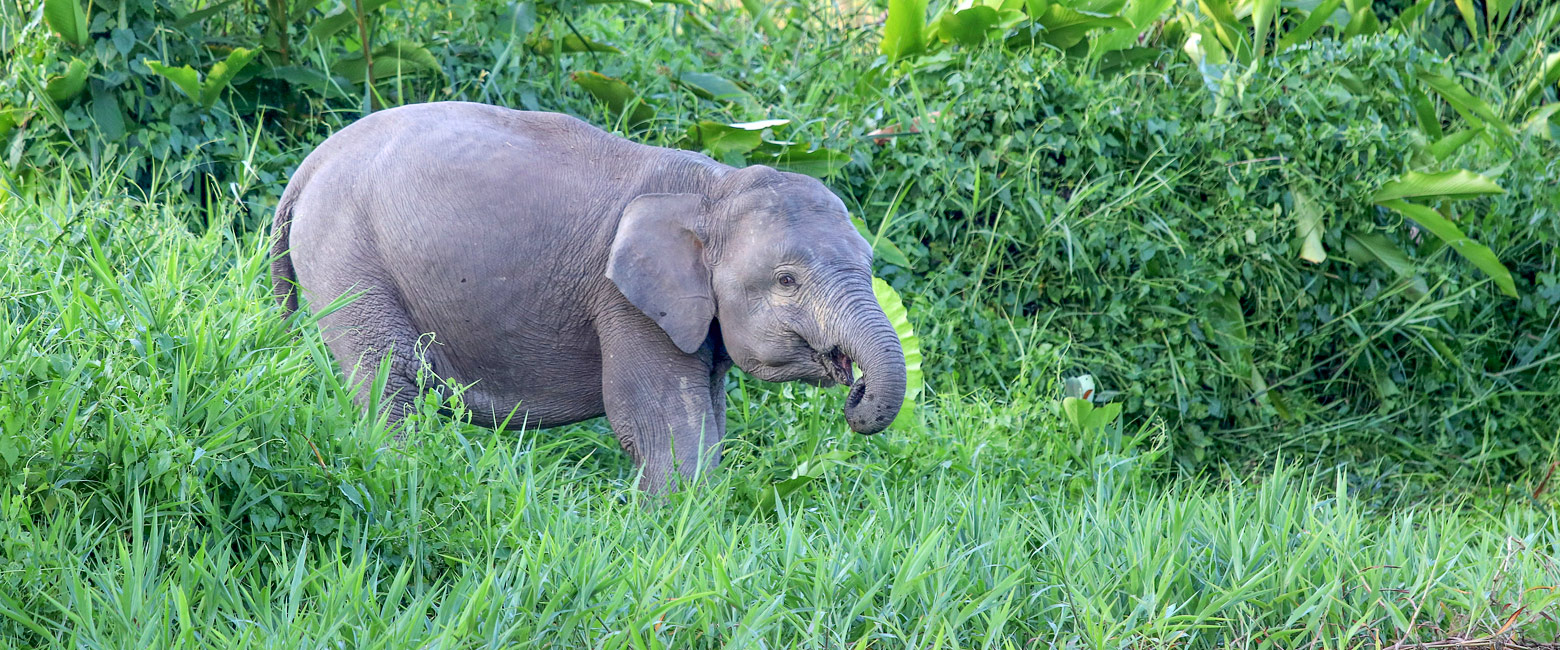
a crucial refuge where secondary forest thrives
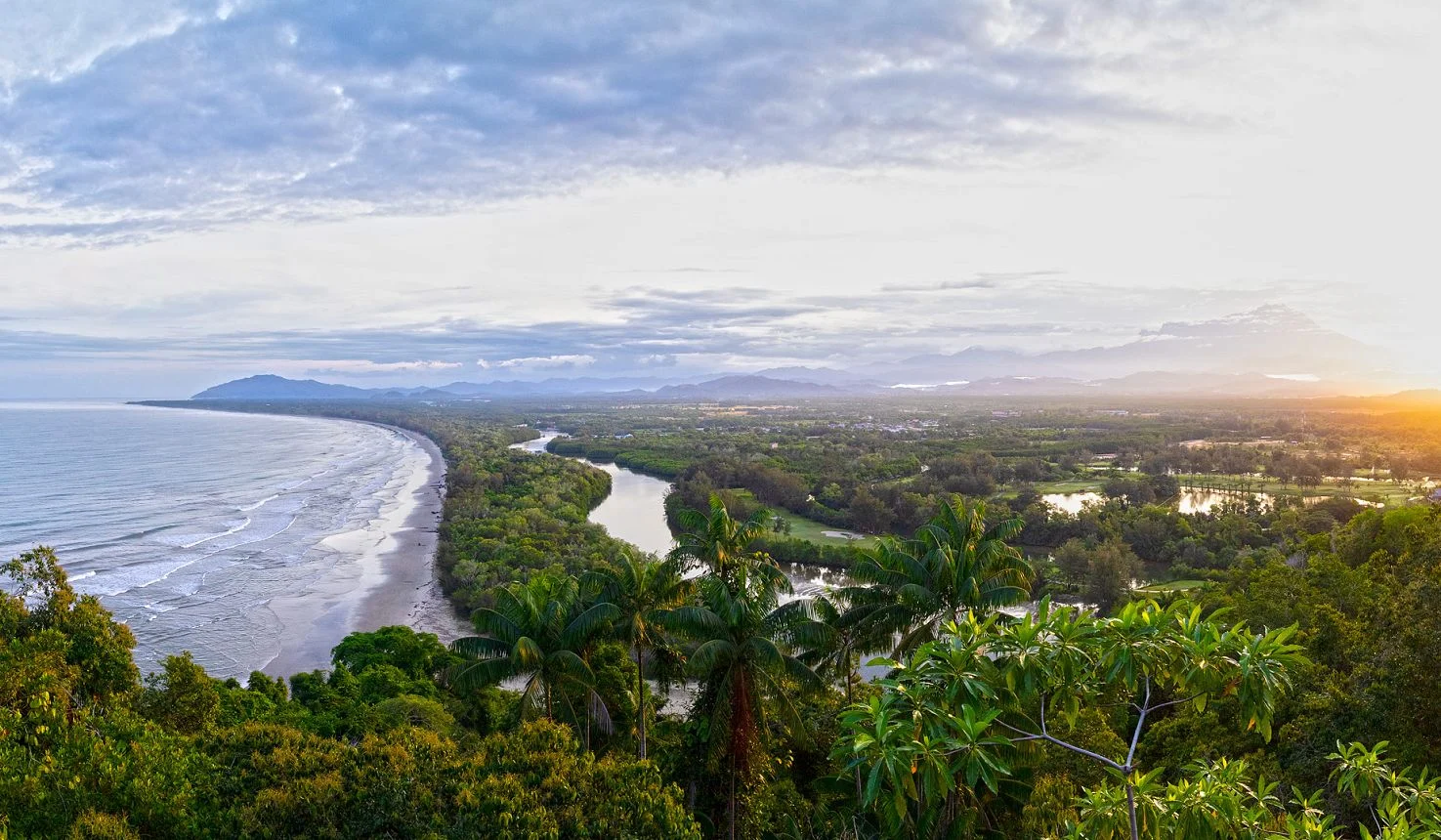
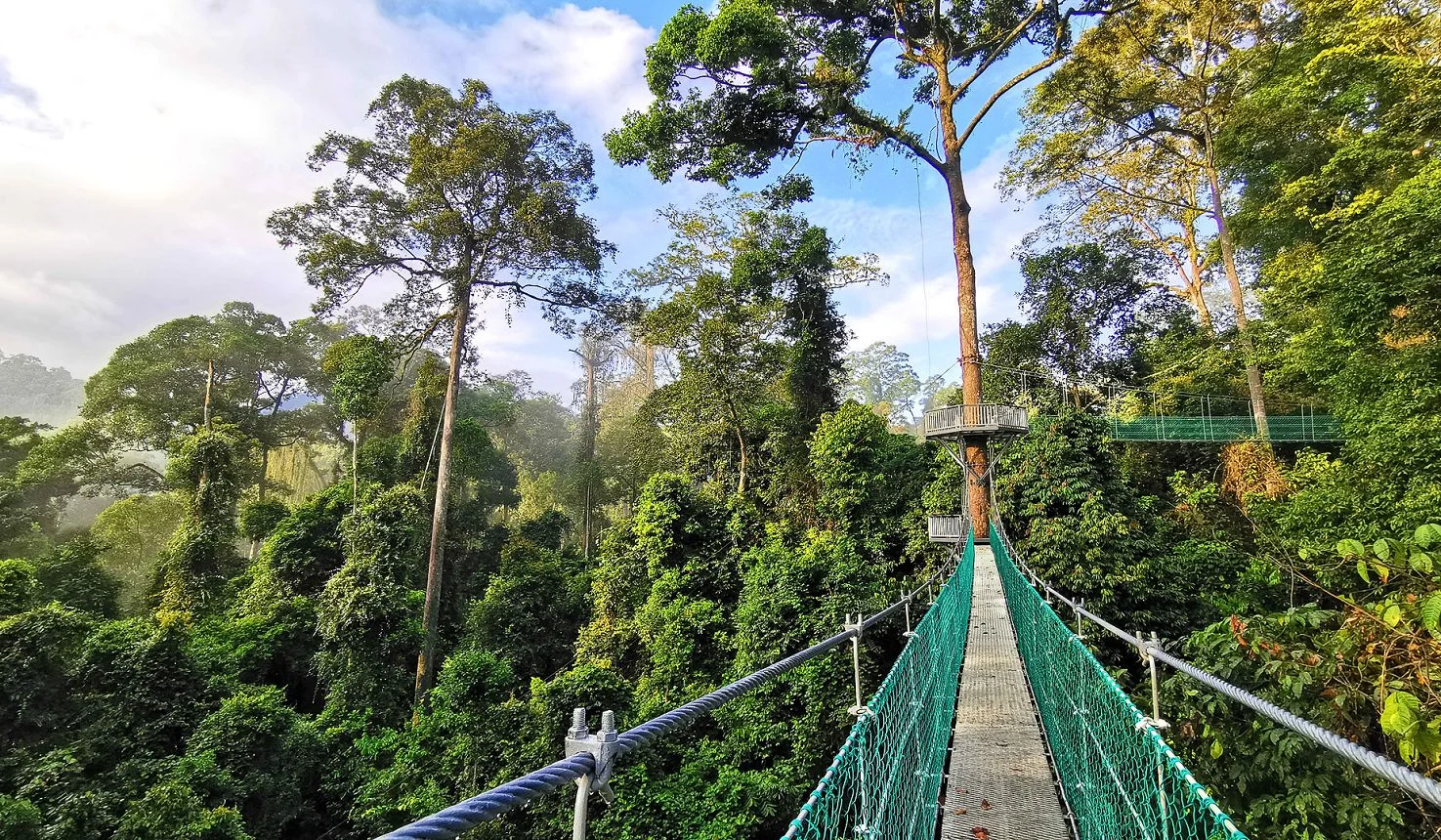
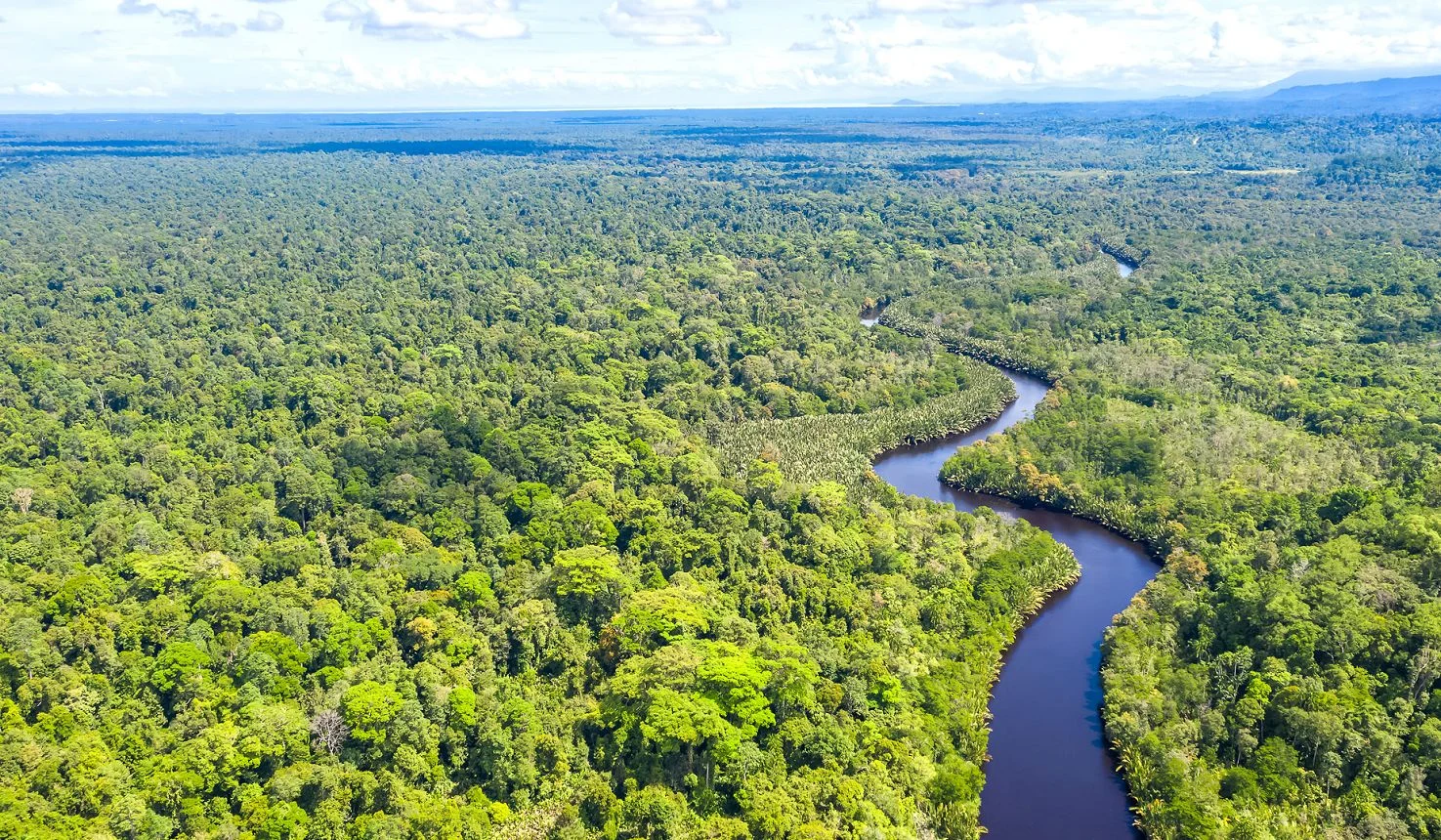
Tabin Wildlife Reserve occupies a large section of eastern Sabah between the upper reaches of the Segama and Dent peninsulas. The landscape is made up of low, rounded hills and river plains covered in secondary dipterocarp forest, with several areas of swamp and mineral-rich mud volcanoes.
The reserve forms a critical refuge for wildlife within a region otherwise dominated by oil palm, and remains one of the most extensive blocks of protected lowland forest in Malaysian Borneo.
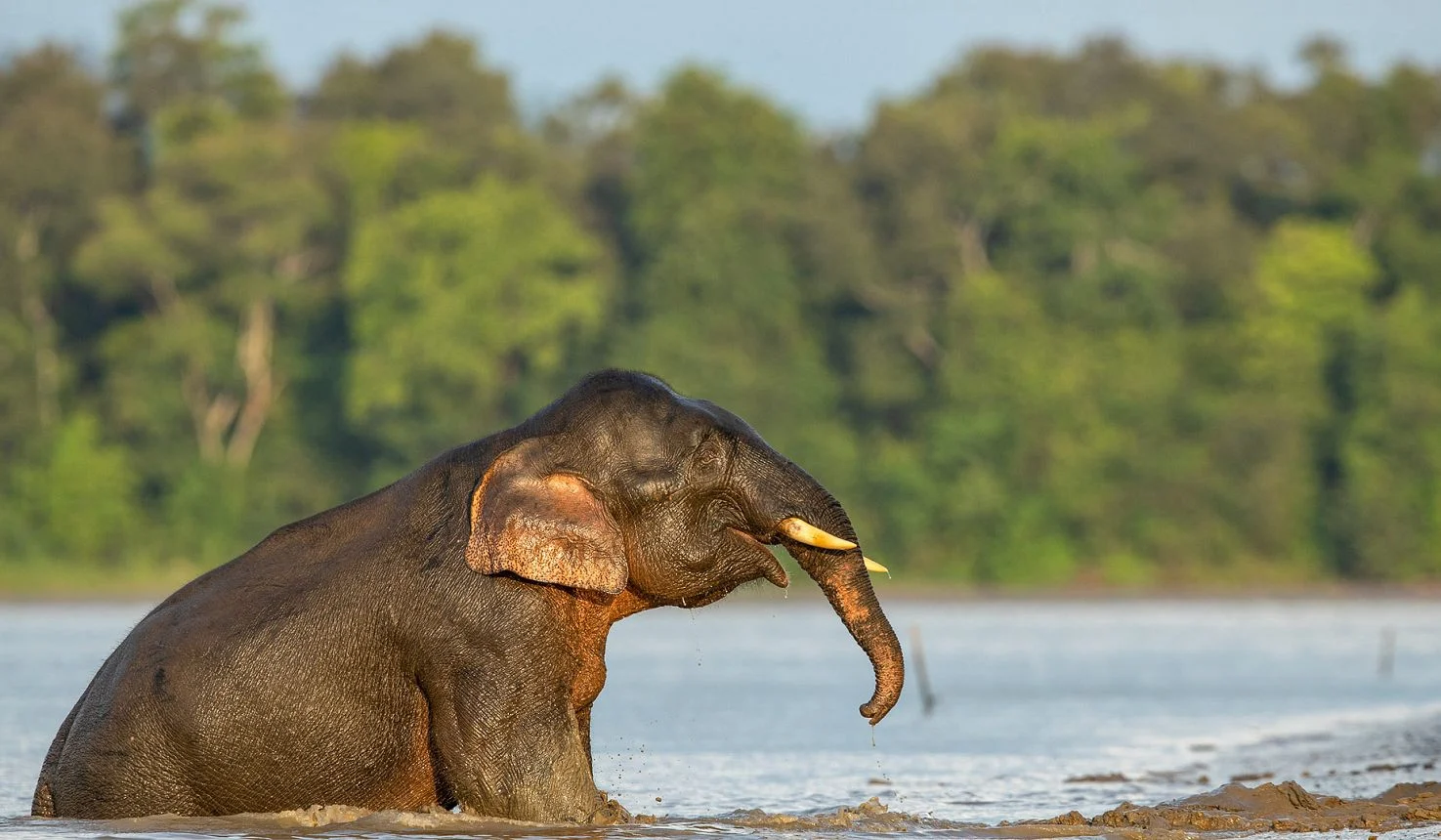
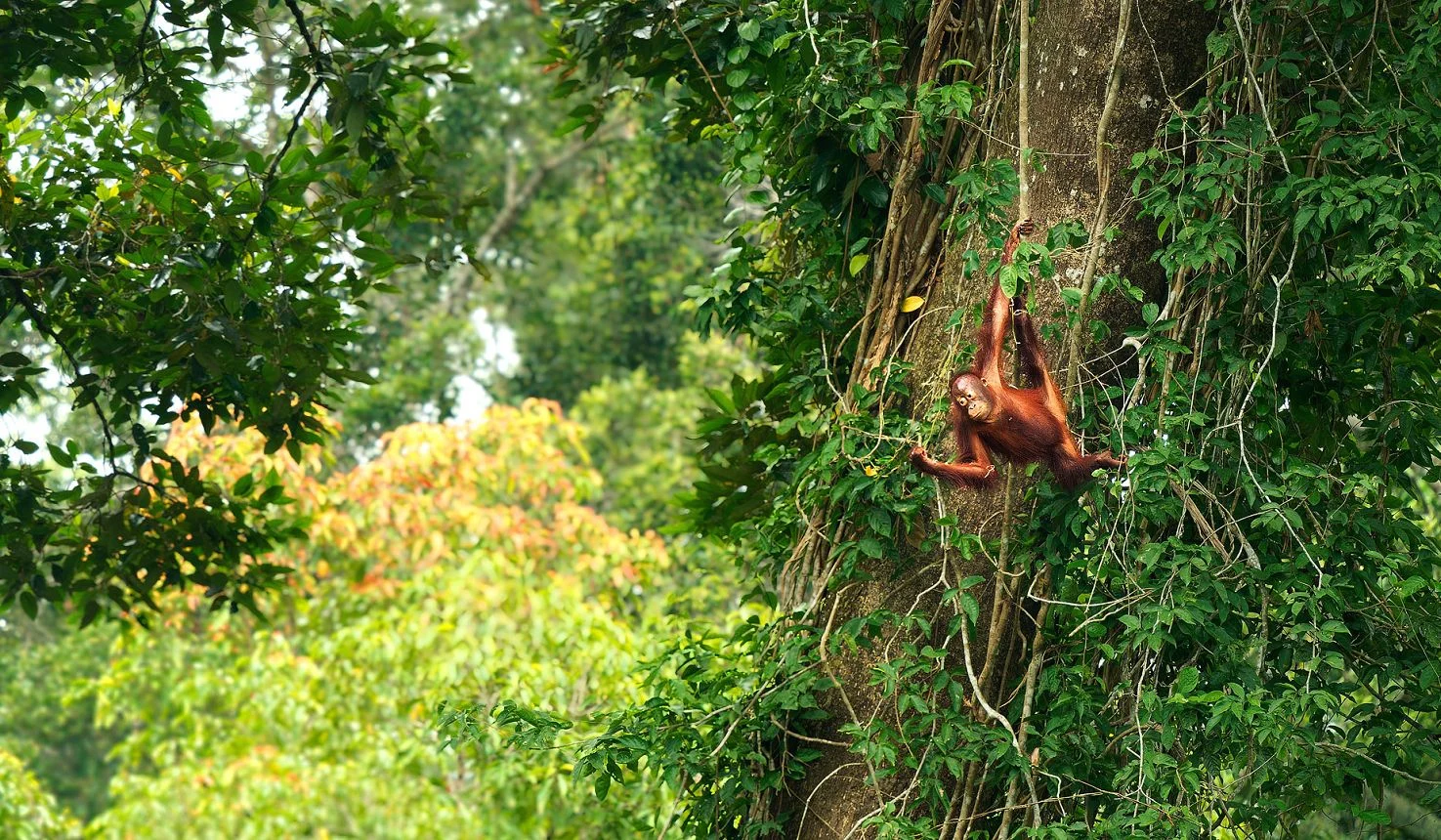
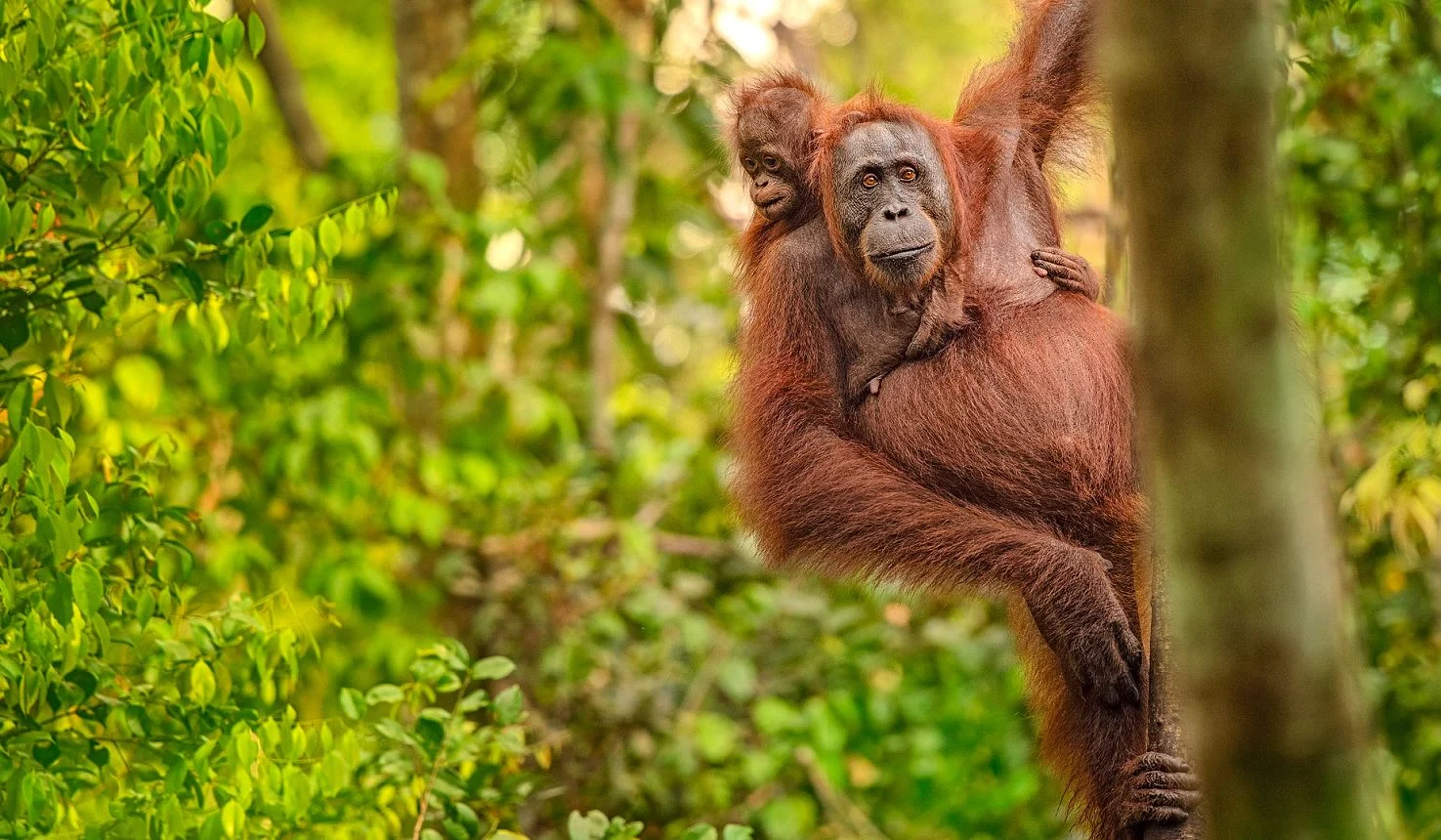
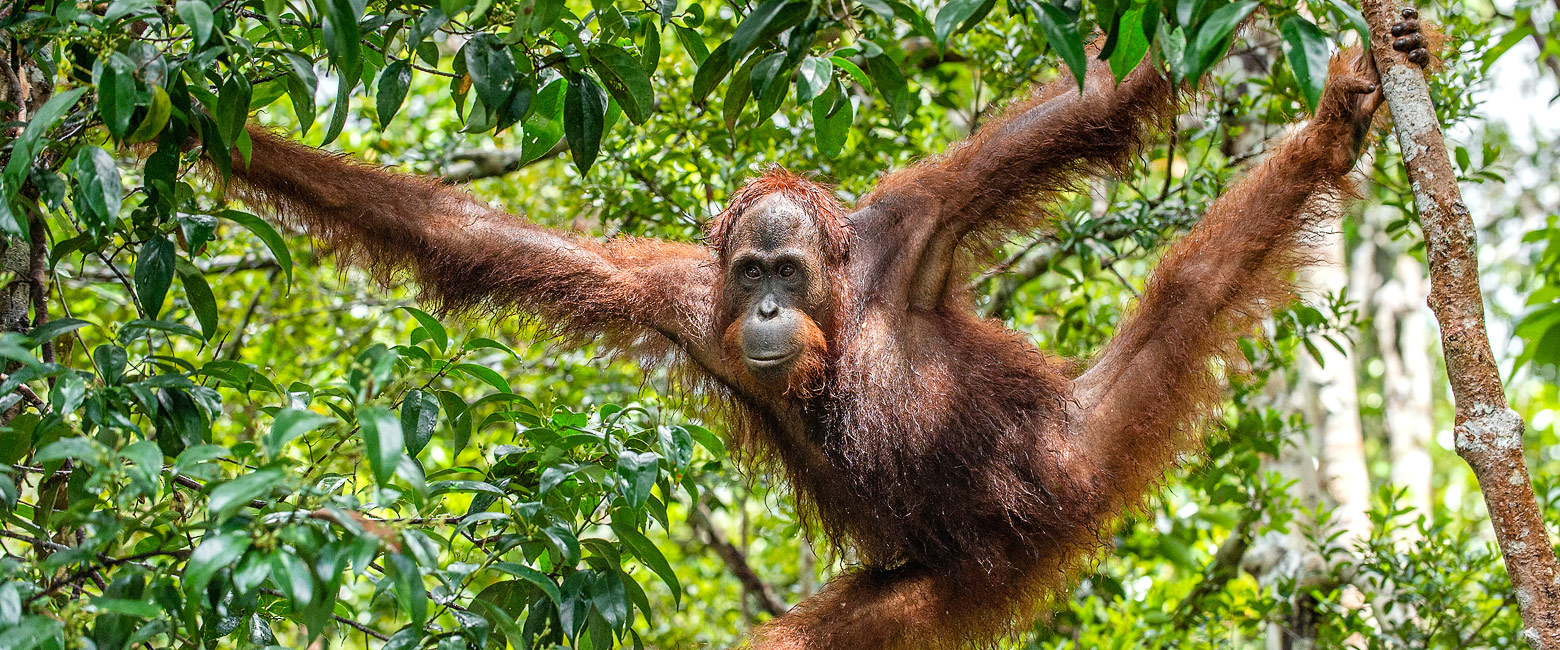
The 1,200 square kilometre area provides habitat for a wide range of species including Bornean pygmy elephants, orangutans, and banteng, as well as smaller carnivores such as civets, leopard cats, and clouded leopards.
The mud volcanoes are particularly important to wildlife as natural salt licks that attract animals for minerals, and their open clearings offer some of the best opportunities for observation.
Ecologically, Tabin functions as a buffer and recovery zone for lowland wildlife displaced from surrounding plantation areas. Its secondary forest is regenerating well, and research projects here have documented stable populations of several threatened species. The reserve’s protected status also contributes to maintaining a continuous forest corridor connecting with smaller reserves further inland.
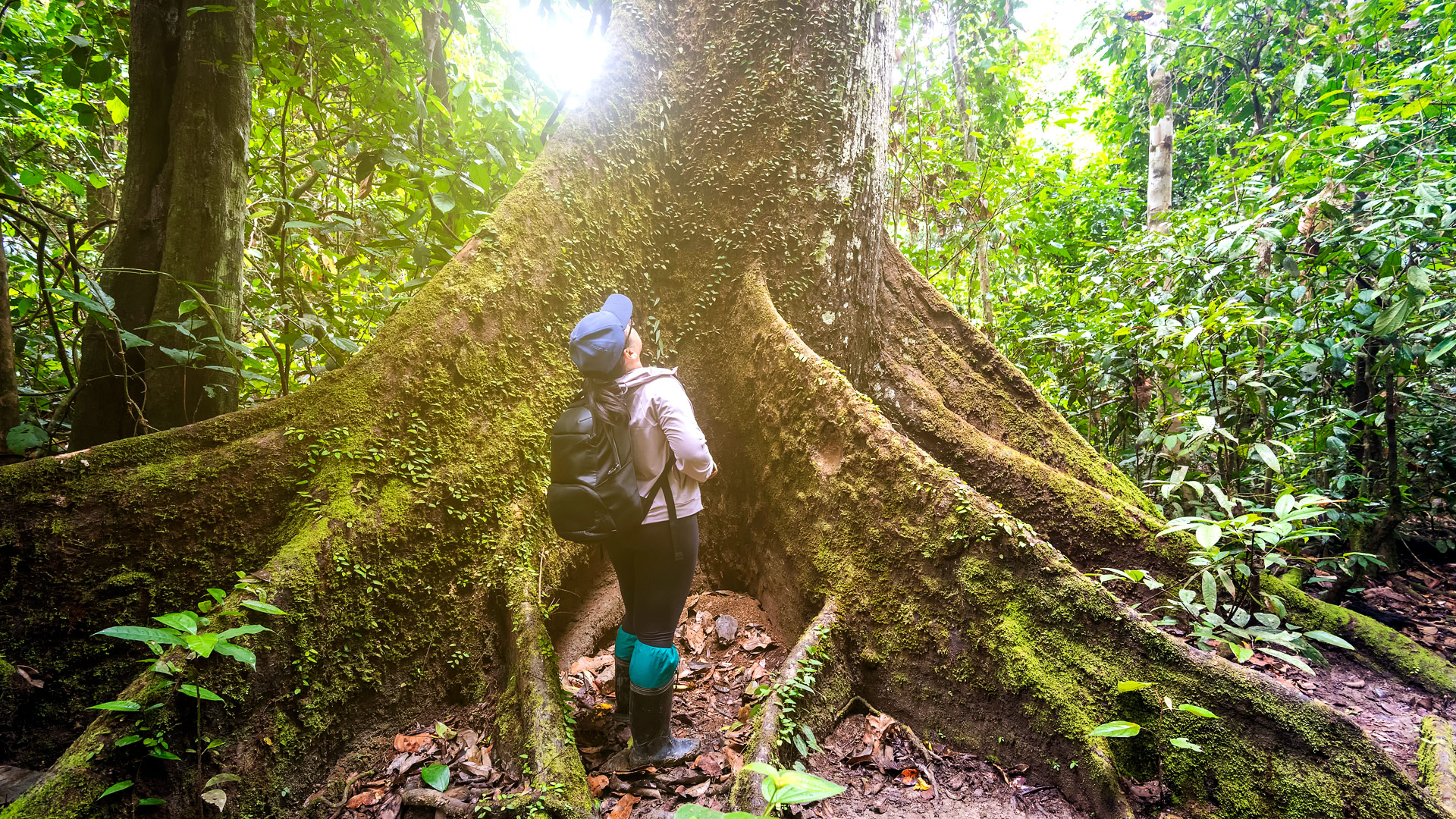
Activities focus on walking safari, vehicle safari, and visits to mud volcano sites used by elephants, deer, macaques, and hornbills. Night vehicle safari are especially productive, with regular sightings of civets, flying squirrels, slow loris, and leopard cats.
Map
The best period to visit is between March and October, when roads are dry and travel conditions more predictable. Heavy rain is possible at any time but rarely disrupts activities.
Seasonal fruiting in Tabin often increases wildlife sightings by concentrating primates, elephants and forest birds around known feeding trees. Fruiting events are most common from roughly June to September, when activity along forest tracks and salt licks becomes more focused and sightings can be repeated over several days.
A stay of two to three nights is recommended and combines well with other key wildlife areas in eastern Sabah.
It lies around two hours from Lahad Datu, which serves as the main access point for both Tabin and Danum Valley. Most visitors travel from Sepilok or the Kinabatangan River by road, continuing onward to Lahad Datu before entering the reserve. Scheduled flights operate daily between Lahad Datu and Kota Kinabalu, allowing easy onward travel elsewhere in Borneo or international departures from the west coast.
fruit availability from June to September increases sightings
let us know your thoughts about Borneo
and we will help you create the perfect safari
Extraordinary tailor-made adventures,
from earthy and edgy to easy and extravagant
From around USD 2500 per person, you set the ceiling

Get started on your trip
It’s never too soon to get in touch, we are here to help with every stage of your planning.
Best Lodges
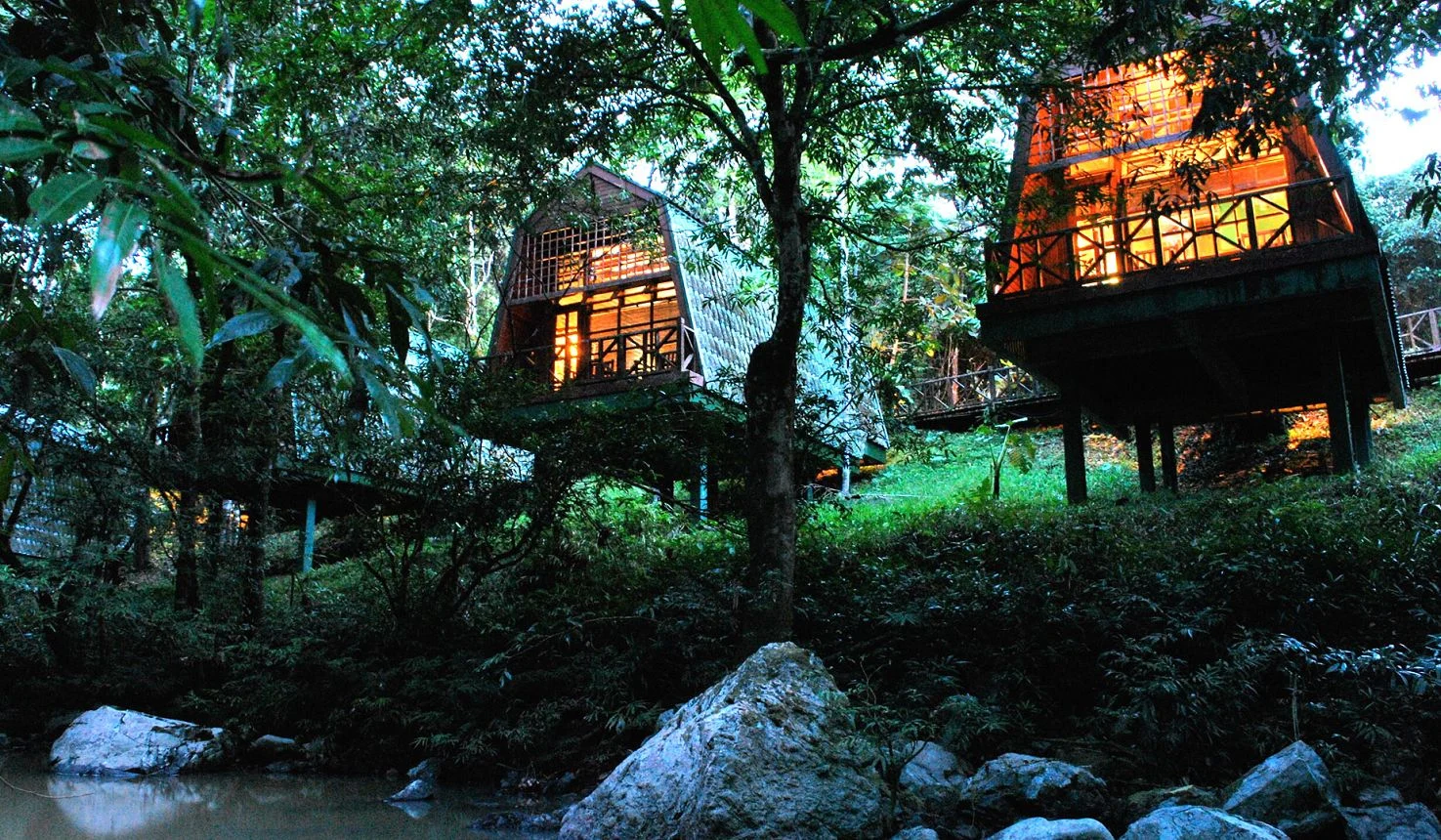
We regularly inspect and photograph all of the the best lodges, to ensure that we always recommend the most suitable options




Key Locations
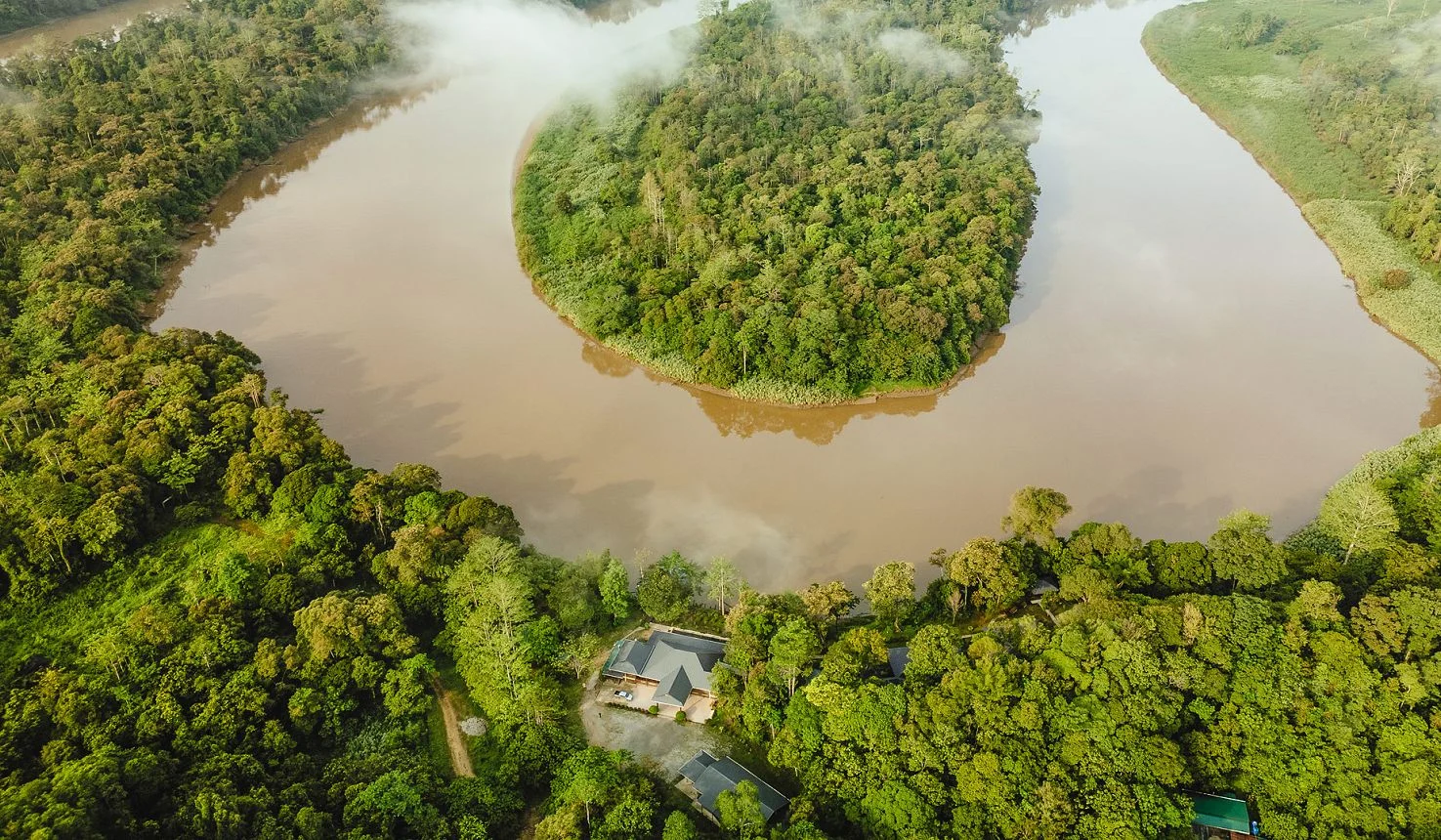
Take a look around related locations. Click ‘View more’ to explore locations further afield.