Safari to Argentina
Argentina
is a fabulous wild country
and surprisingly well-priced
fabulous overland expeditions and remote estancias
Argentina is the eighth largest country in the world and a place of great scenic diversity.
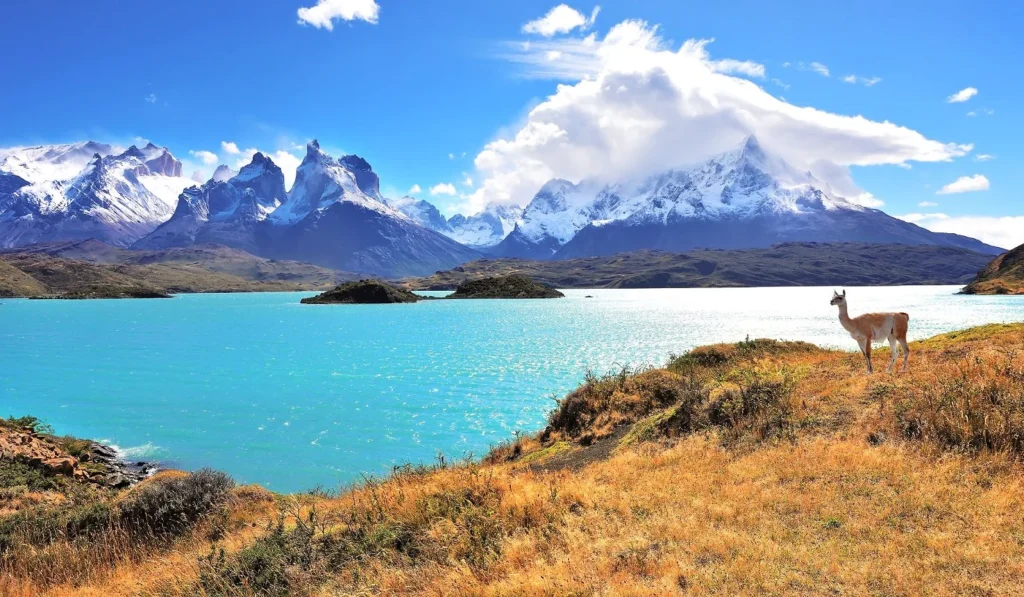
Although dominated by the seemingly endless pampas grasslands and the sparse windswept steppes of Patagonia, around the fringes the landscapes are wonderful and diverse.
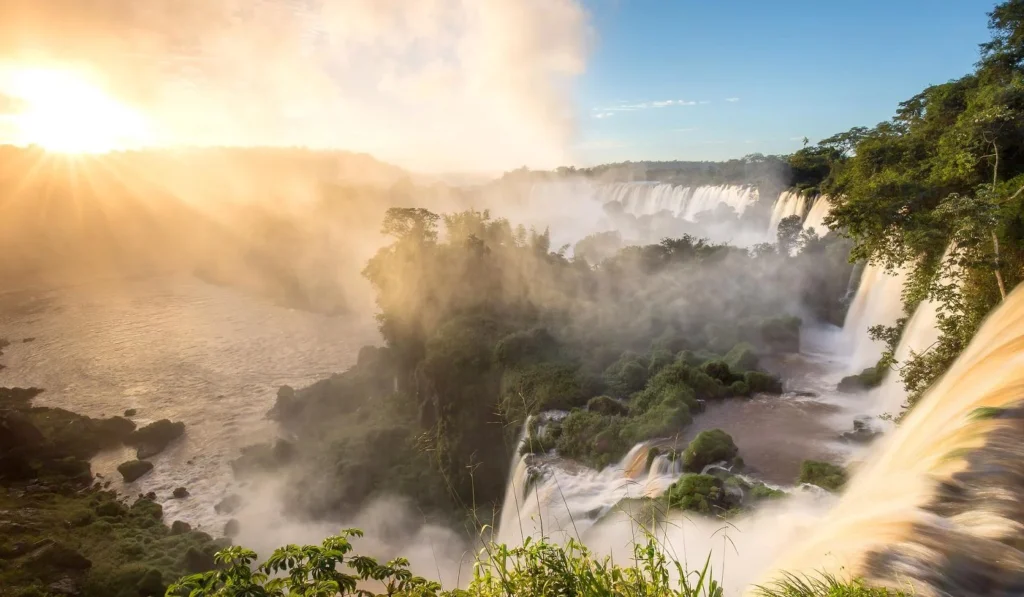
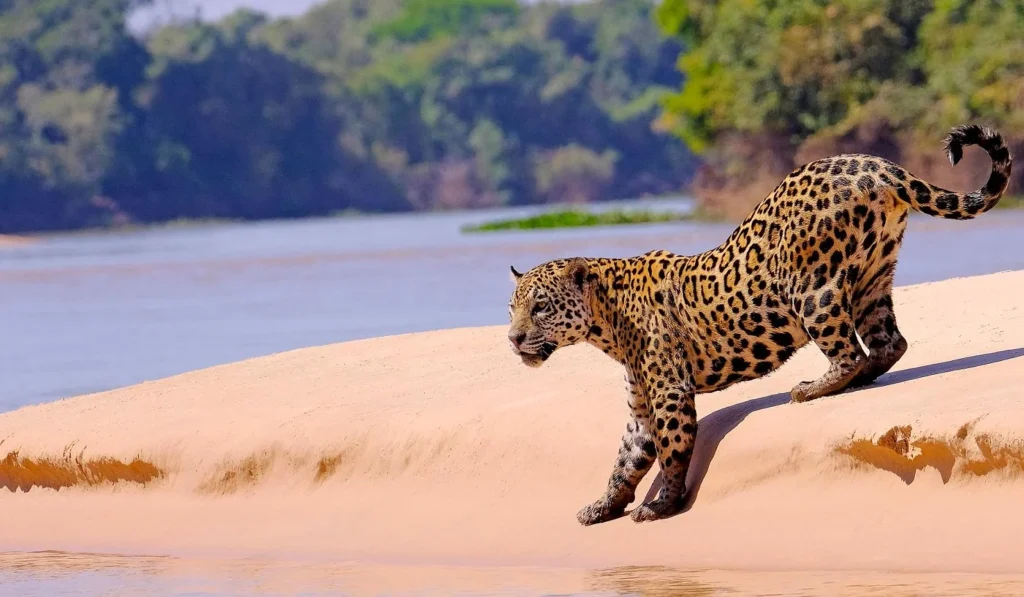
Starting in the sub-tropical northeast, the country shares the incredible Iguazú Falls with Brazil, surrounded by a rainforest inhabited by macaws, tapirs and jaguars.
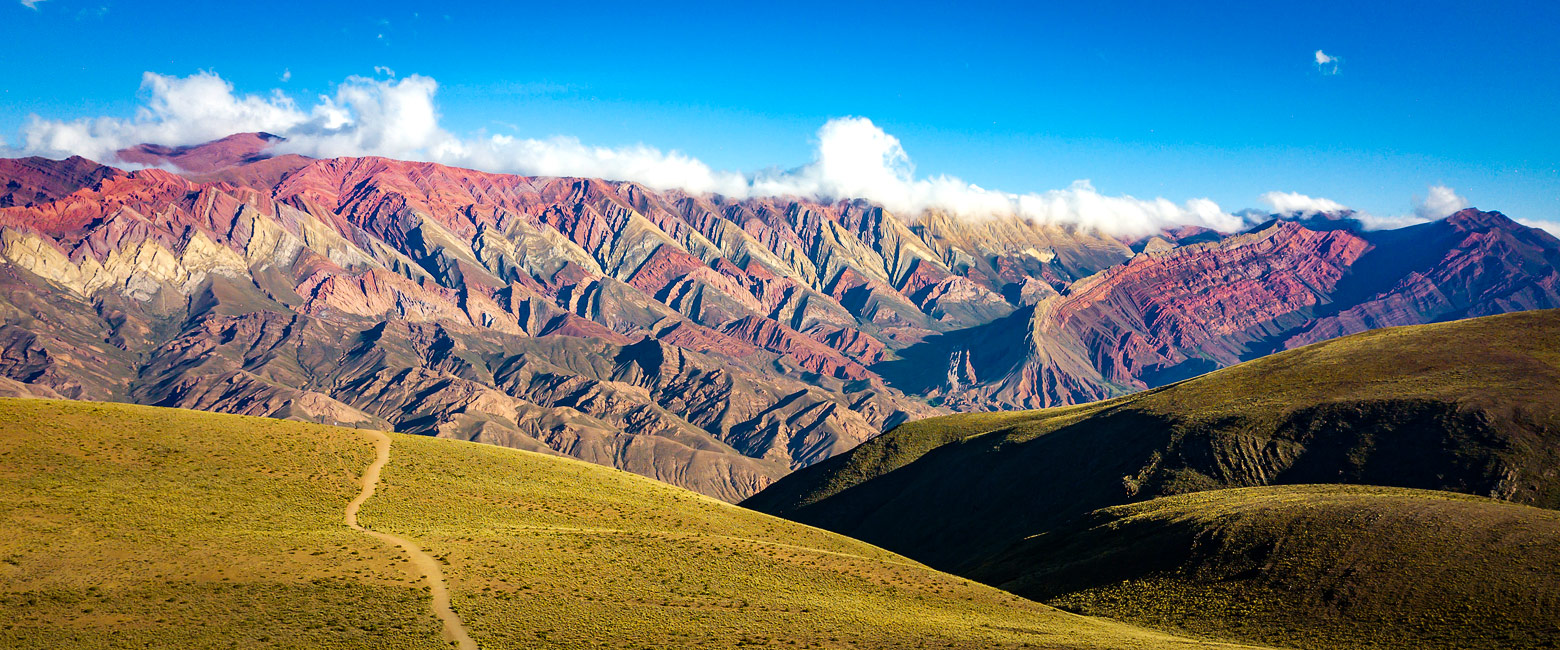
Over in the northeast corner, the Salta region contains an eclectic mix of scenic wineries, amazing geology, indigenous cultures and the extreme volcanic scenery of the high Andes.
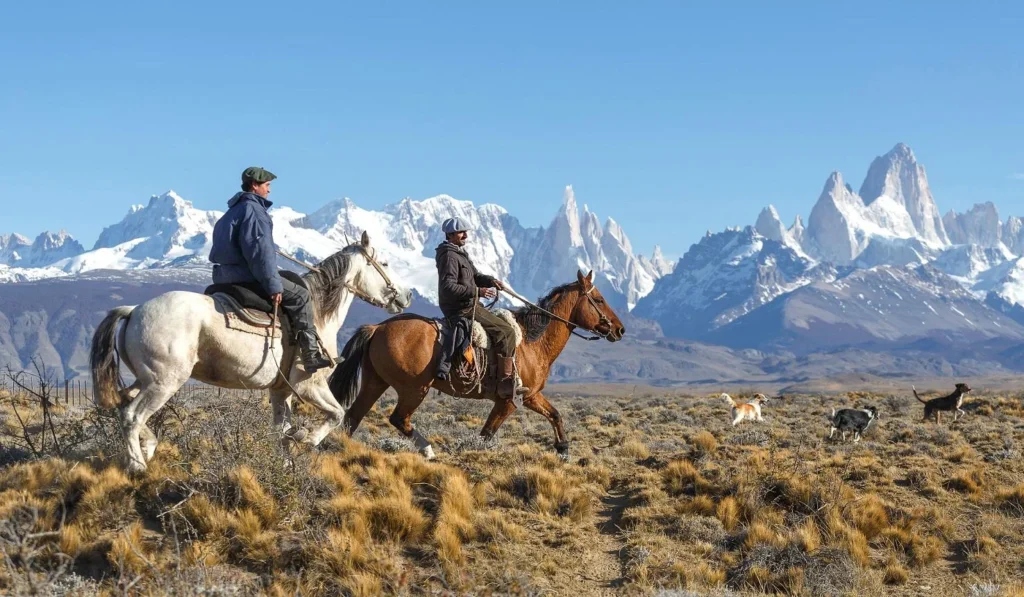
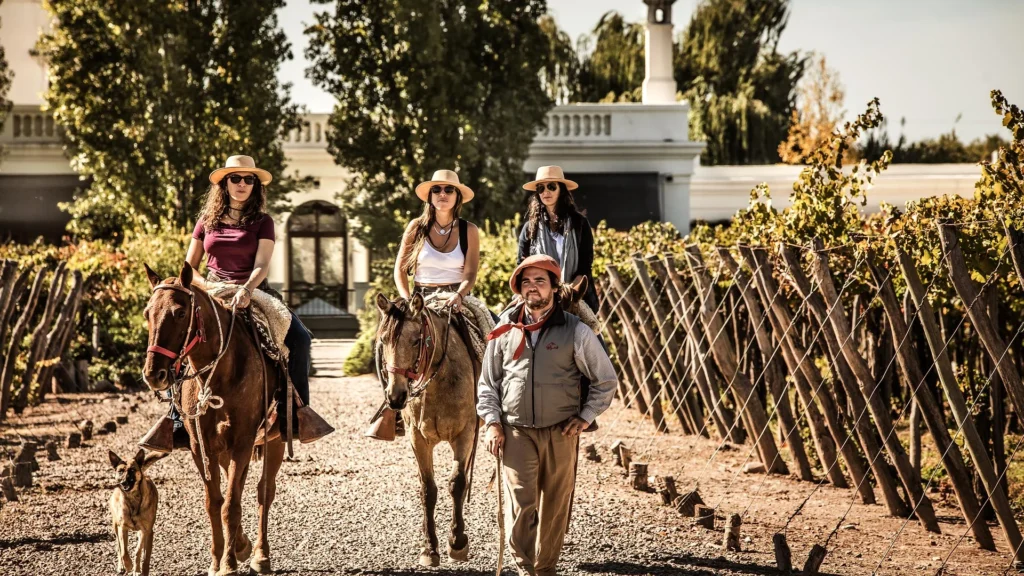
Moving south down the Andes, the cities of Cordoba and Mendoza are home to rural estancias, offering classic gaucho horse-riding and winery experiences.
About half way down the country we hit Bariloche, the Switzerland of South America, with mountain hiking, skiing and more horse-riding options.
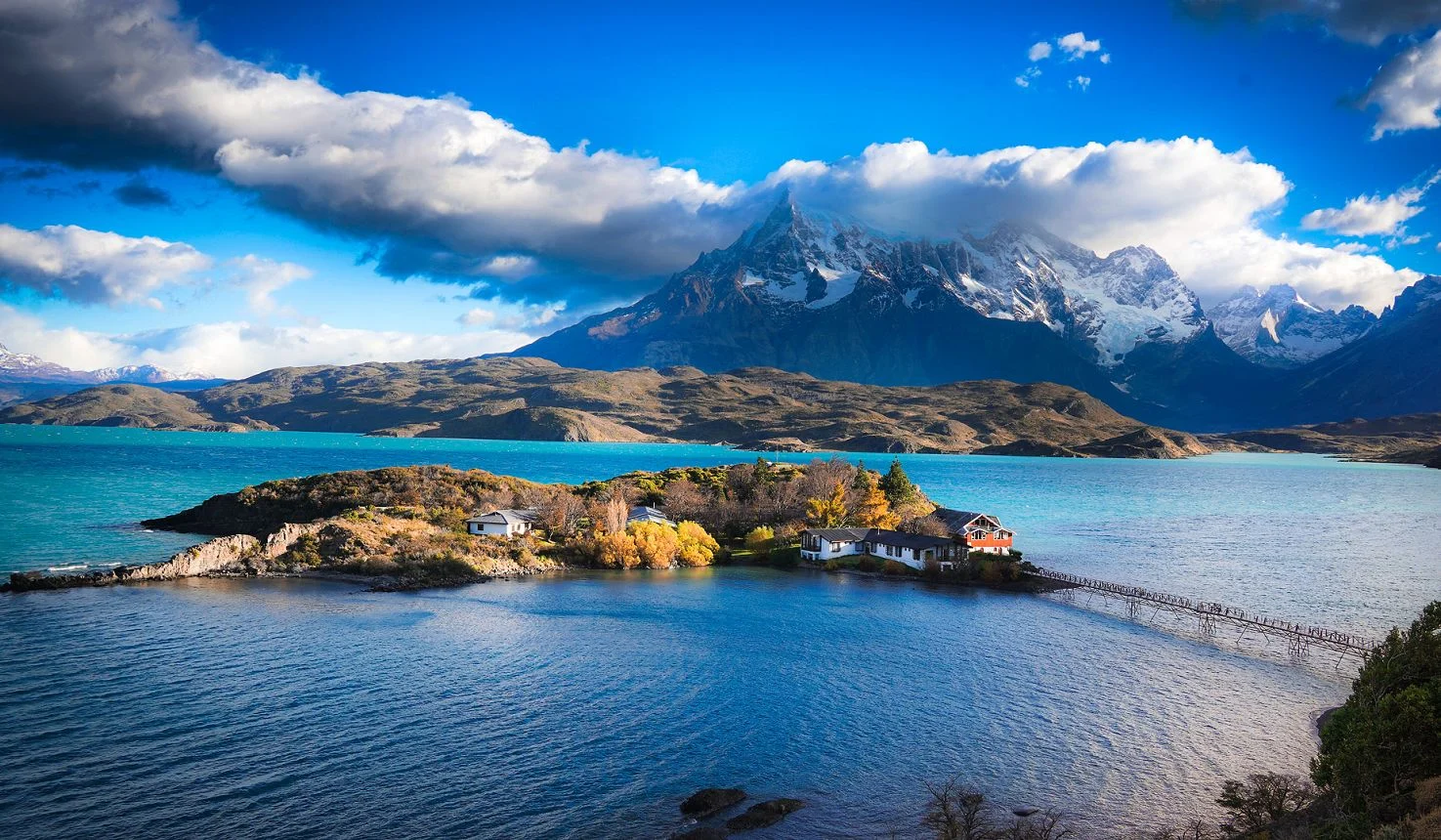
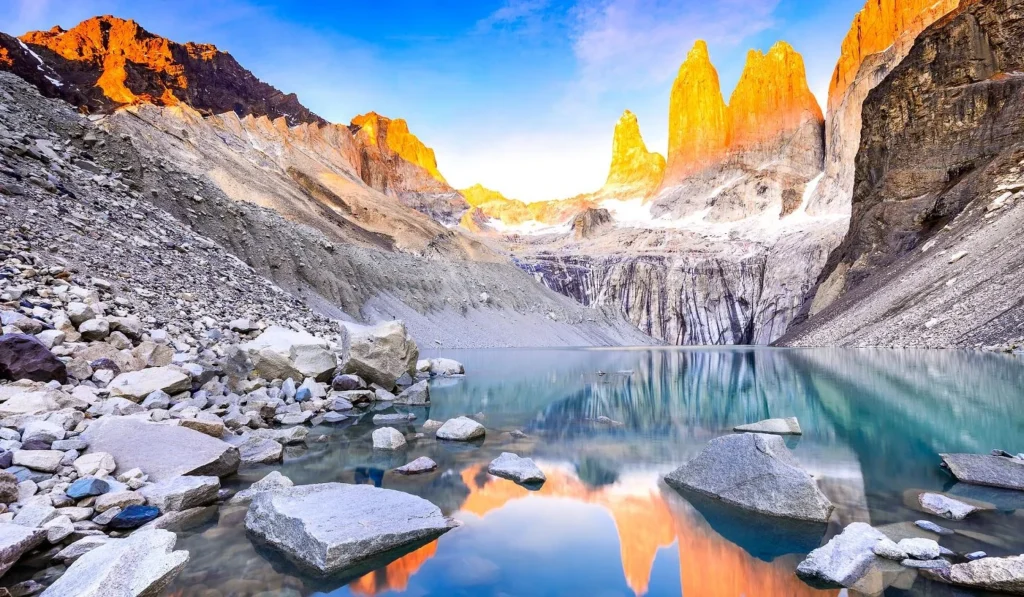
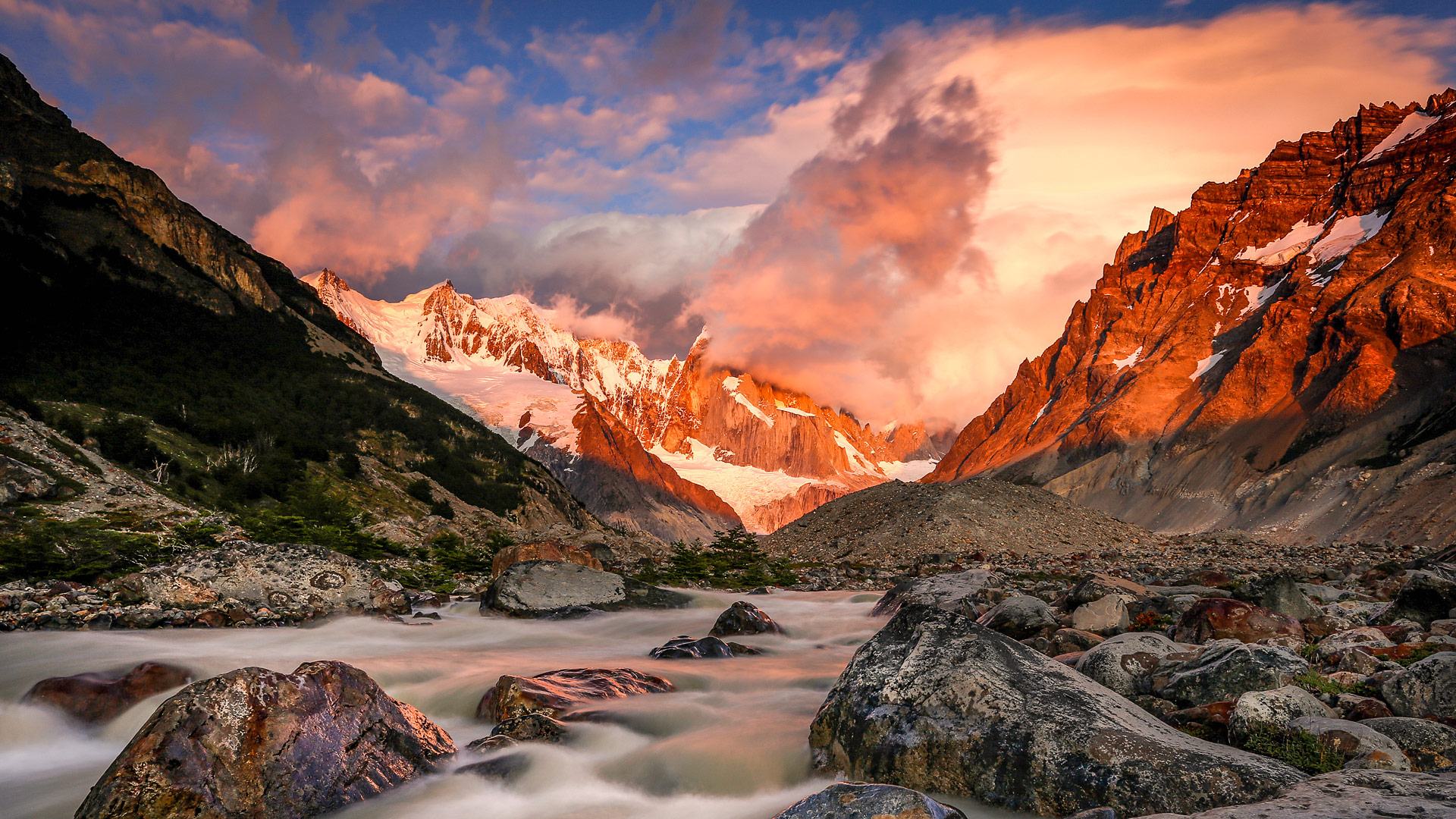
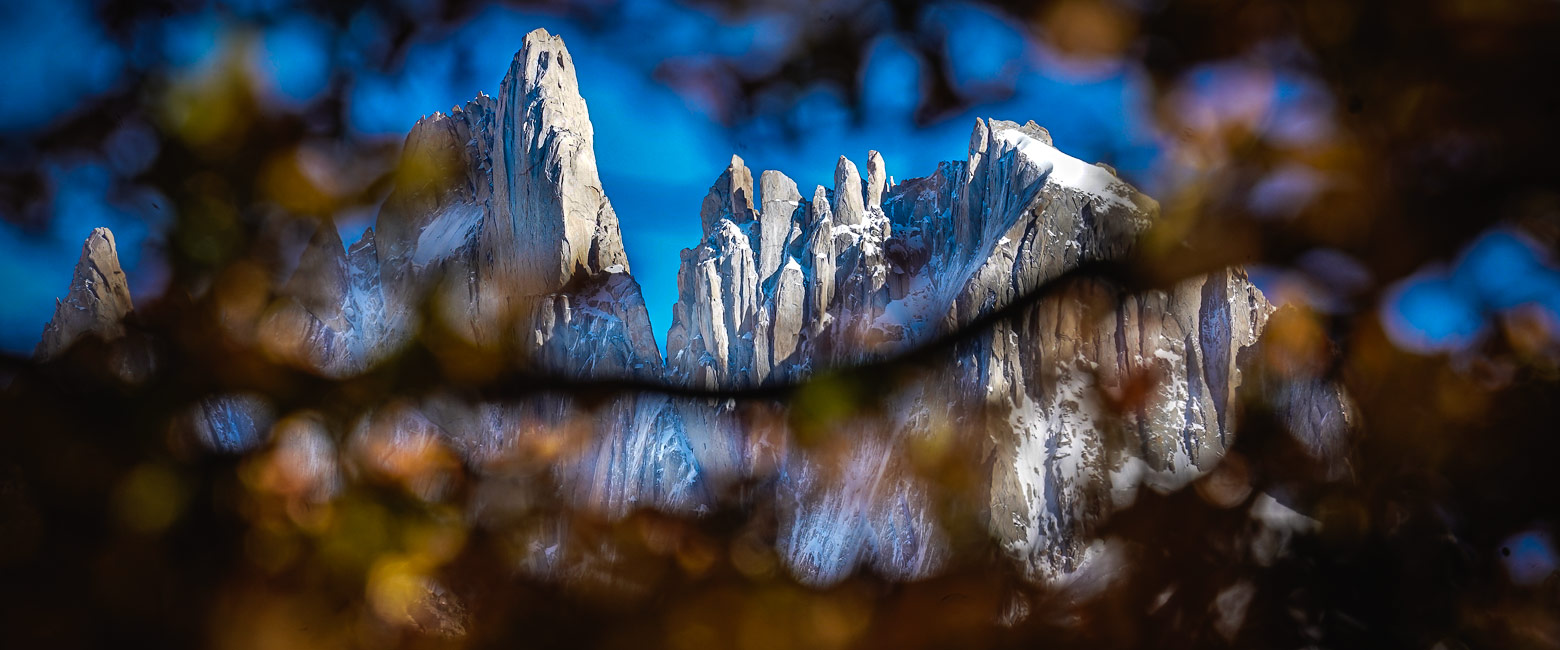
Then right down towards the bottom of the continent, we reach the vast, dramatic and Patagonian scenery of Los Glaciares, followed by the remote port of Ushuaia, start point for cruises around Cape Horn and down to Antarctica.
Finally we work our way back up the Patagonian coast to reach Península Valdés, a famous location for marine mammals, where orcas famously swim up onto the beaches to catch seal pups.
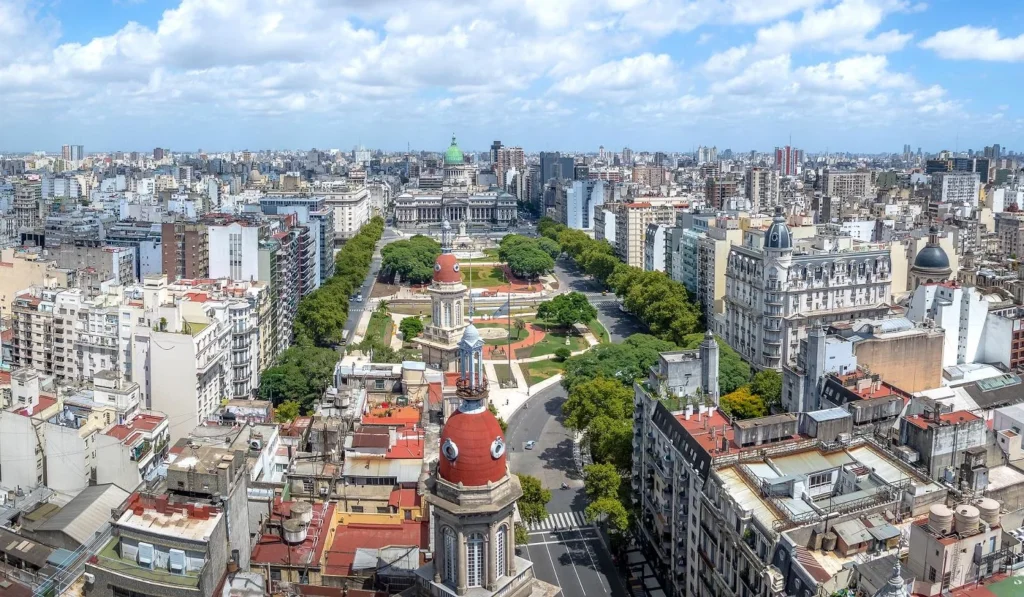
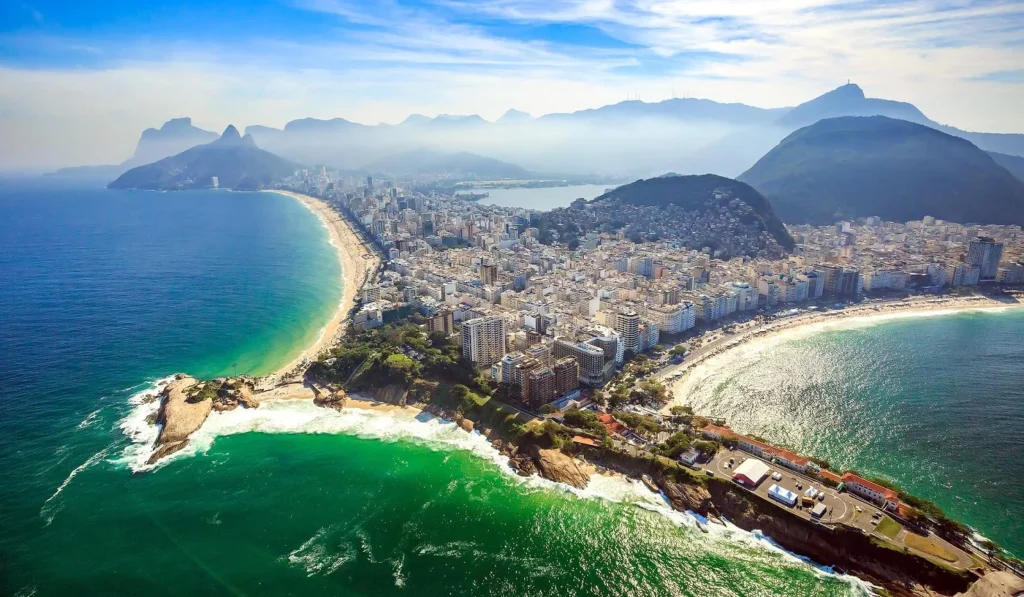
All of this is centred on the vibrant capital of Buenos Aires, famously renowned for passionate football, intense tango dancing and succulent beef.
One particular theme that’s worth highlighting is the preponderance of authentic estancias (working farms) that are open to guests and provide a wonderful window on the ongoing pioneer spirit and intense rural pride that makes this country tick.
To visit all the best locations at a reasonable pace would take around 30-40 nights, so there’s some difficult decisions to make when trimming that down to a more manageable duration. Our advice is usually to stick to two or three regions, to give yourself enough time to get off the beaten track and really experience the place properly.
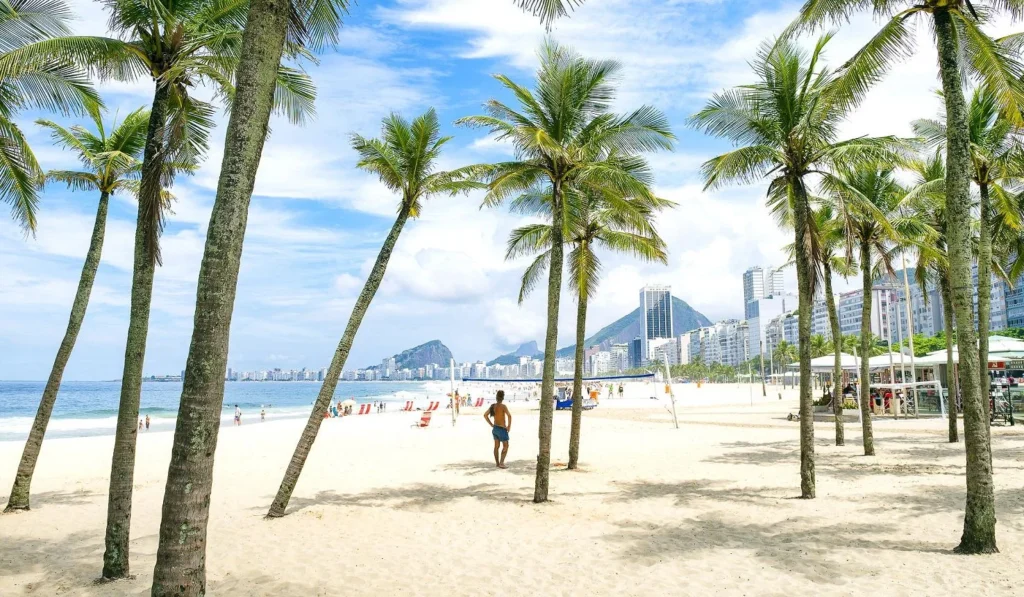
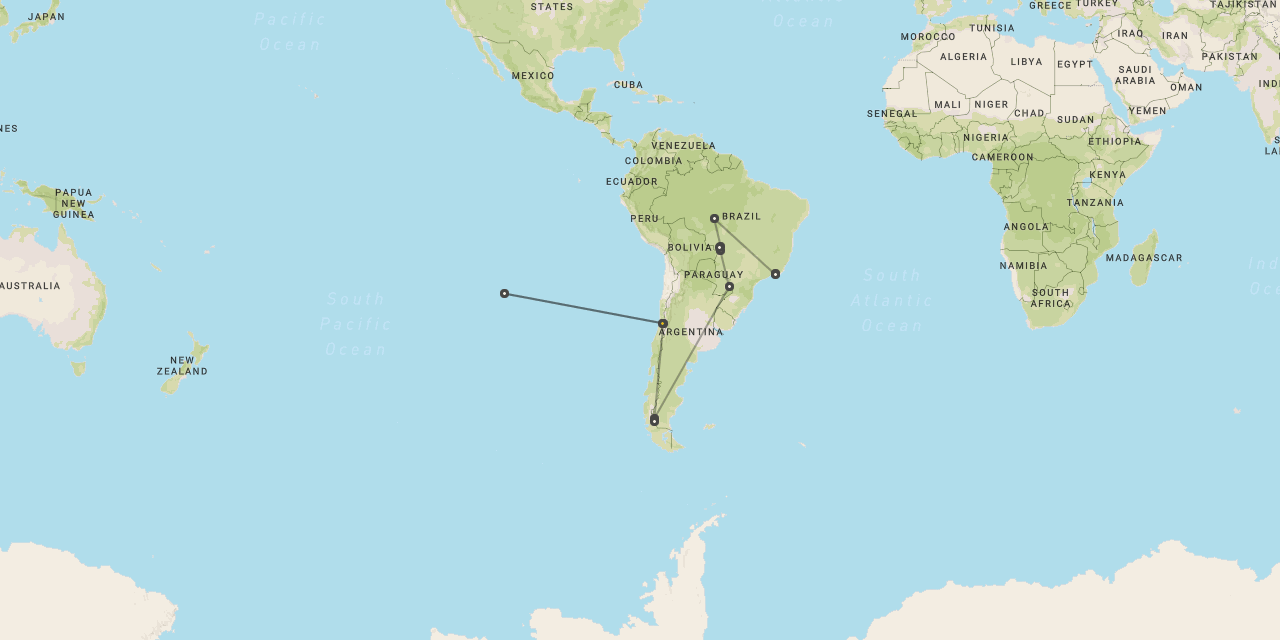
Of course there’s also the temptation to combine with other countries. If you’re focused on Patagonia in the deep south, then there are very strong reasons to combine with Chile. If you are in the northwest, then there is the possibility to combine with the Atacama Desert areas of Chile and Bolivia. If you’re visiting the Iguazú Falls then it’s tempting to go looking for jaguars in the Pantanal and maybe visit the beaches of Rio de Janeiro. That’s before we even consider Peru and the Galapagos.
There’s a whole lot to see in South America and, whilst we can see the validity of a quick trip around the main highlights to get you started, the bottom line is that you probably need to think in terms of three, four or more trips to explore the continent properly. At least one of those trips should probably be focused mainly on Argentina.
/


Gallery
Map
When to travel to Argentina?
Argentina is a land of remarkable climatic diversity, stretching from subtropical jungle in the far north to glacial wilderness in the far south. Because of this span of latitudes and elevations, the best time to visit depends on what you want to experience.
Dec-Feb : Summer
The December to February period is the peak summer in southern Argentina.
Patagonia’s trails are fully accessible, with long daylight hours, warmer temperatures, and generally reliable conditions for trekking in Los Glaciares and Torres del Paine. Wildlife is active, including nesting birds and sea mammals in southern regions.
In the northwest, the high Andes are hot, with occasional afternoon thunderstorms.
Iguazú Falls is at its highest water flow, creating dramatic mist clouds and a spectacular, immersive experience.
Peninsula Valdés offers good wildlife viewing, with southern right whales starting to appear offshore.
Mar-May : Fall
The March to May period represents fall in Argentina, with milder weather and lower visitor numbers.
In Patagonia trails are starting to close down.
The high Andes around Salta are ideal, with clear skies, dry conditions, and pleasant daytime temperatures.
Iguazú Falls has moderate water flow and the walkways are less crowded, providing excellent photographic opportunities.
Peninsula Valdés remains active, with elephant seals and sea lion breeding visible and orca beach-hunting occasionally observed.
Jun-Aug : Winter
The June to August period represents the winter in Argentina.
Patagonia is effectively closed.
Northern regions are at their driest and clearest, making the high Andes perfect for exploration.
Iguazú Falls experiences lower water levels, reducing spray but still offering spectacular views.
Peninsula Valdés is at its peak for southern right whale peak, and elephant seals are abundant on the beaches. Orca hunting is less frequent during this period, but wildlife activity remains rewarding.
Sep-Nov : Spring
The September to November period represents the spring in Argentina.
Patagonia is starting to reopen for trekking, though early spring can be windy and some higher trails remain snow-covered. Wildlife is active, birds are nesting, and the forests and valleys begin to green.
The high Andes enjoy dry, crisp weather ideal for exploration.
At Iguazú Falls, the water flow increases again with spray obstructing views, but creating dramatic photo opportunities.
Peninsula Valdés features active elephant seal fights, and orca beach-hunting becomes more predictable in Oct-Nov, making it a spectacular time for marine wildlife observation.
Getting there
Argentina has one main port of entry for international flights, namely the capital Buenos Aires, which is situated on the coast, in the northeast corner of the country.
Most visitors tend to simply transit through Buenos Aires to properly start their trip somewhere else around the county, with Iguazú Falls being a very popular first stop.
It’s actually often more convenient to reach Iguazú Falls via Sao Paulo in Brazil, connecting to the airport on the north side of the falls and crossing the border to start an Argentina trip from there.
When combining Argentina and Chile in trips, there are international flights across the border between Mendoza and Santiago, but otherwise this connection is usually done by road.
When combining with Peru there are flights from Buenos Aires, Cordoba and Iguazú Sur to Lima, but (frustratingly) usually no direct flights to Cusco.
Internal flights
All of the key regions within Argentina can be accessed by frequent, reliable and cheap internal flights from Buenos Aires.
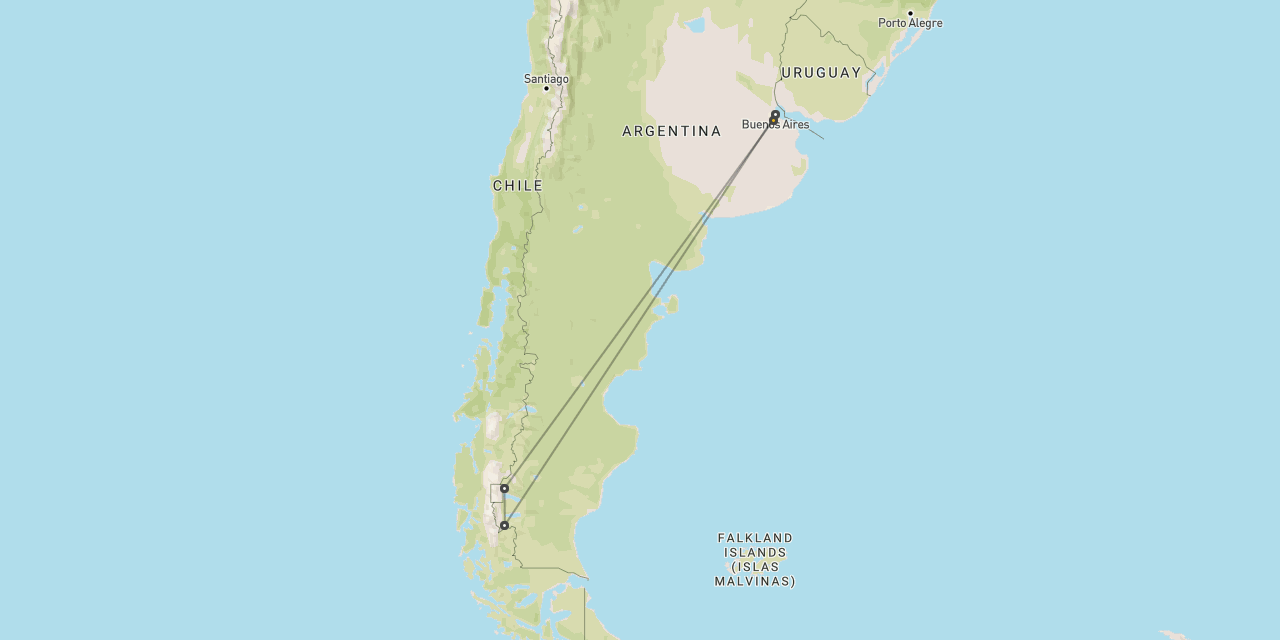
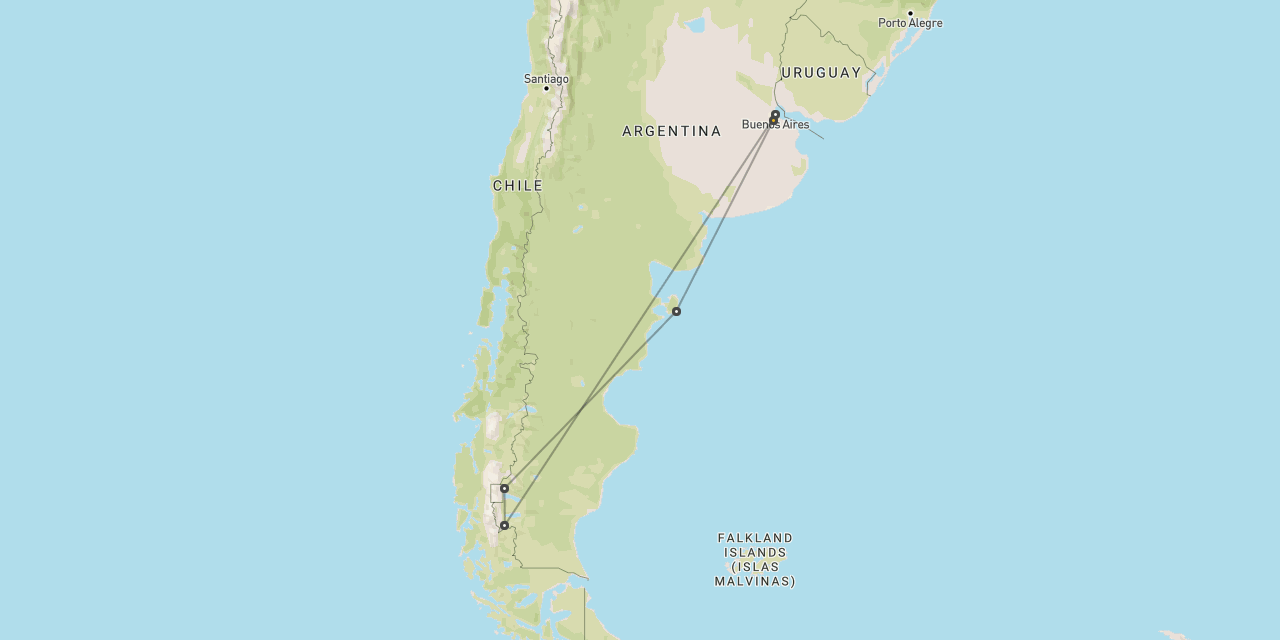
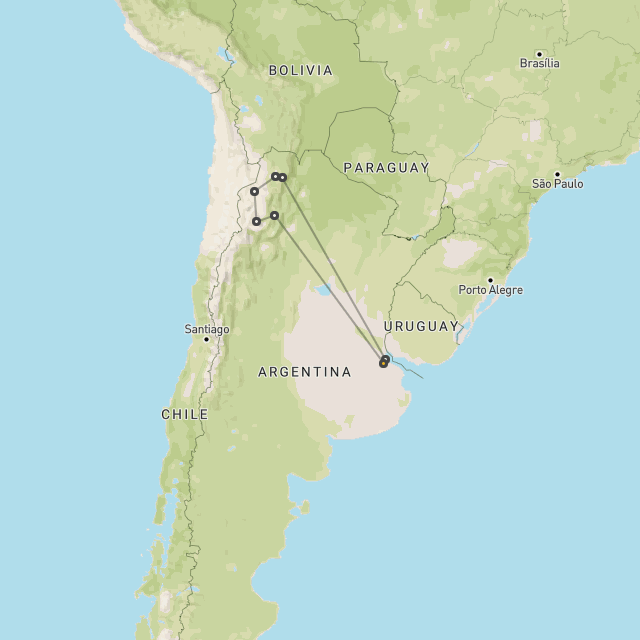
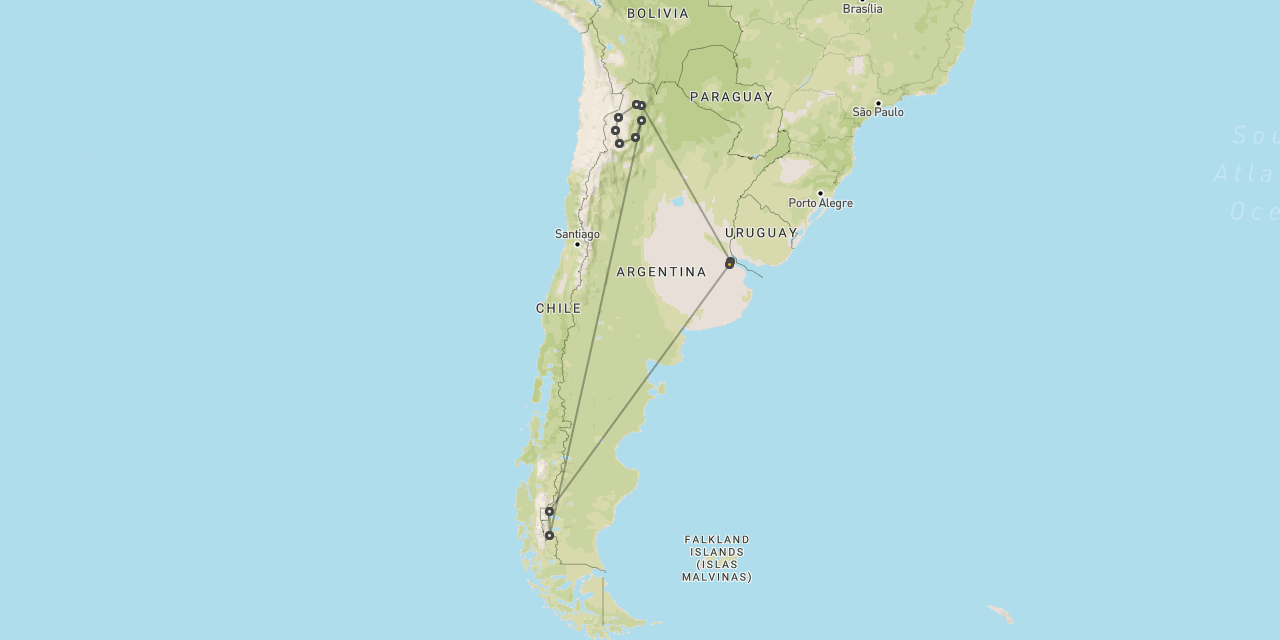
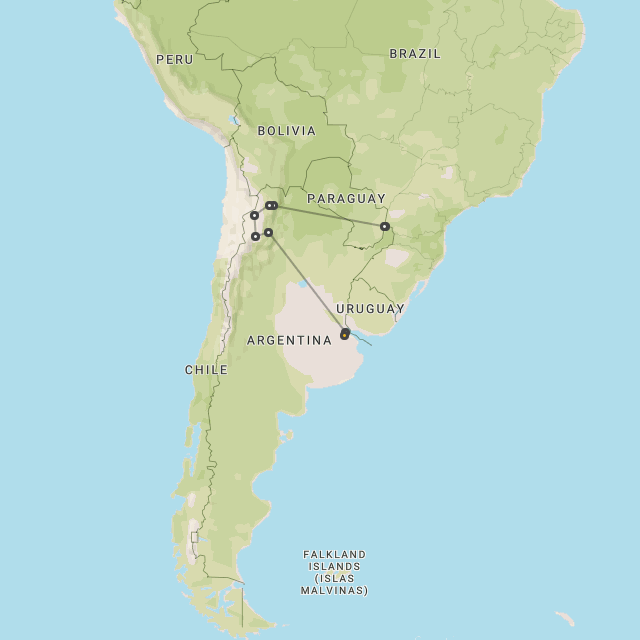
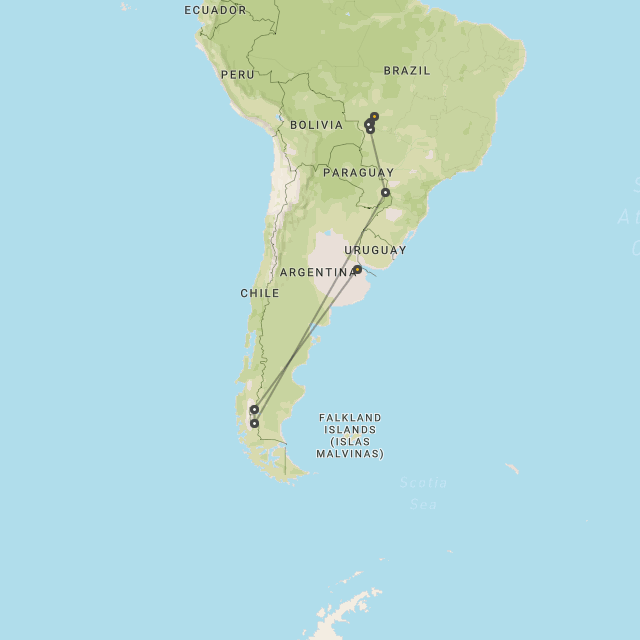
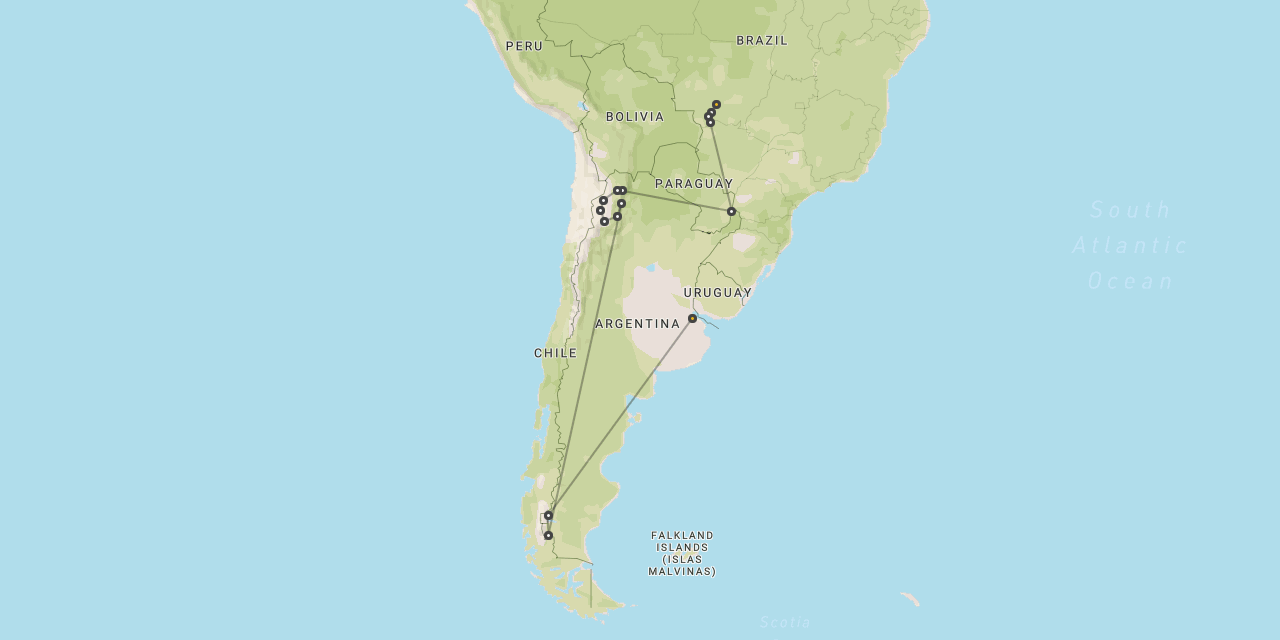
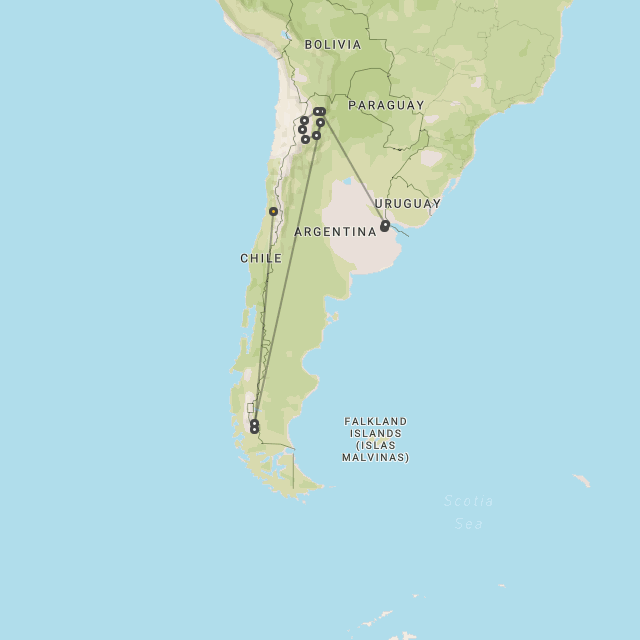
It’s also reasonably easy to connect places around the country without having to route back through Buenos Aires. There’s a very useful connection across the north of the country between Iguazú Sur and Salta. It’s also usually possible to route up and down the Andes between Salta, Cordoba, Bariloche, Los Glaciares and Ushuaia. There are even occasional direct connections between the latter two and the Península Valdés.
Road connections
Within each region the majority of connections are made by private road transfers.
In a few locations, these overland routes extend over multiple days to become private guided overland safaris, most notably in the Salta region to the northwest.
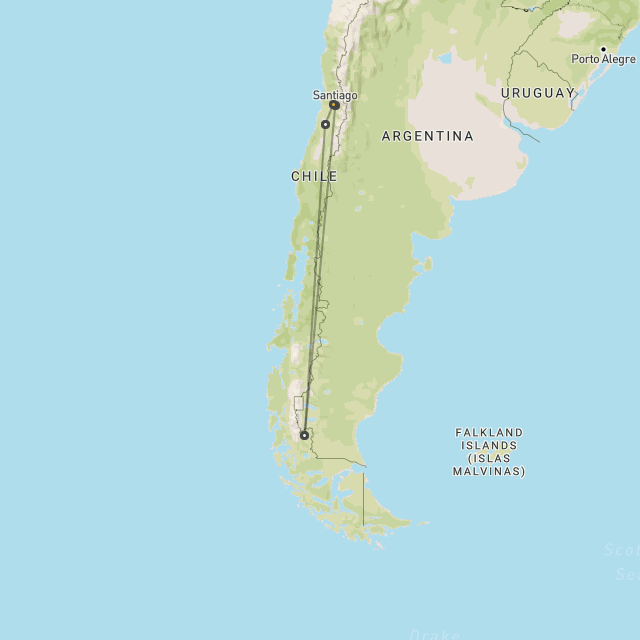
We also regularly connect by road across the border into Chile, from Los Glaciares to Torres del Paine, Mendoza to Santiago and Salta to both San Pedro de Atacama and up into Salar de Uyuni in Bolivia.
We do not recommend the use of any public road transport such as buses, coaches or taxis.
Boat connections
We occasionally use ferry boat services to cross the Andes between Bariloche and the Los Lagos area of Chile.
Boat cruises
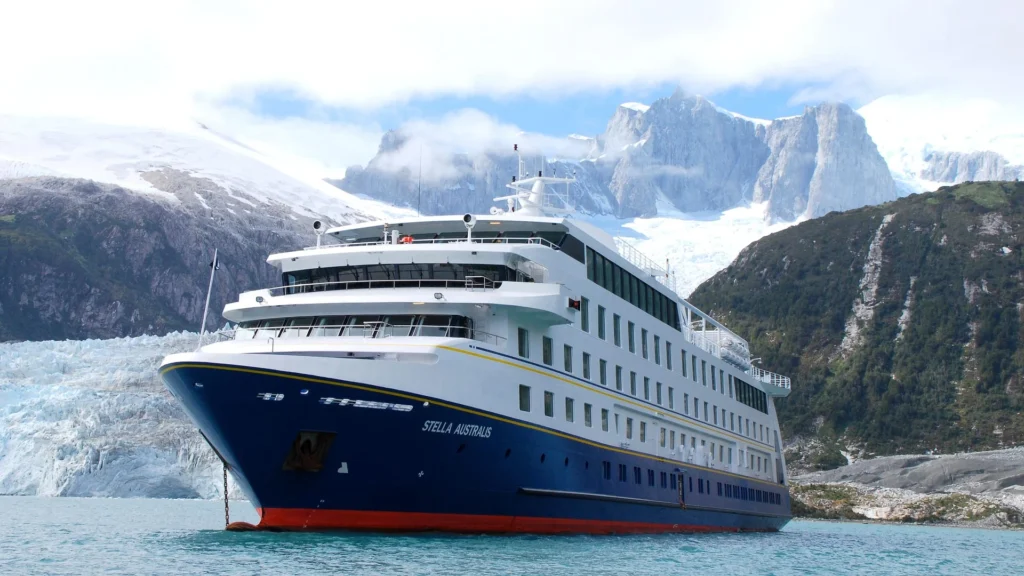
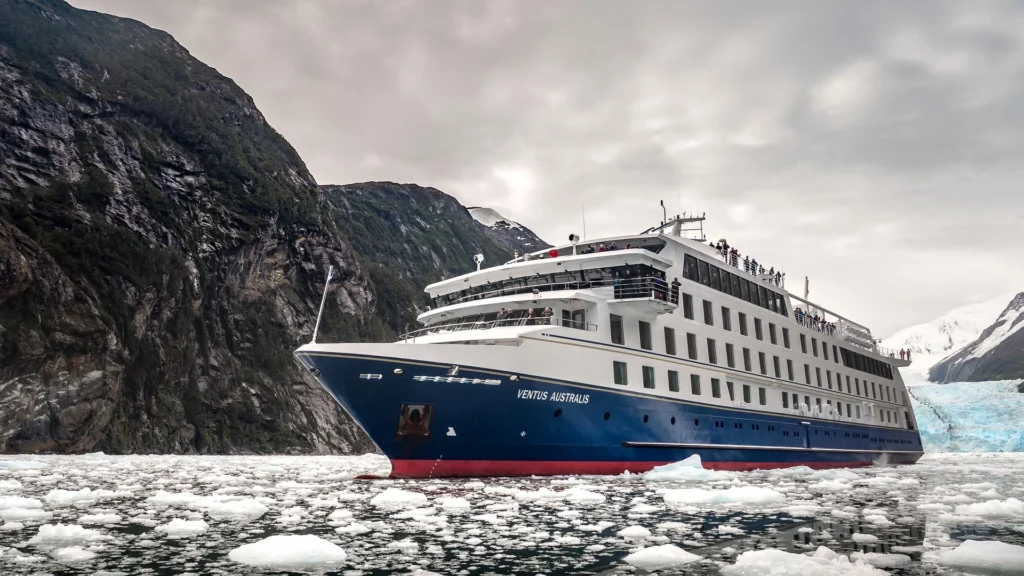
The very southernmost part of Patagonia, around Tierra del Fuego and Cape Horn, are best explored by means of short 3-5 night cruises. There’s a number of excellent boats working these routes, offering the chance to explore remote fjords, glaciers, islands and forests, all of which are described in the Ushuaia section.
There is also a wide range of cruises heading south from Ushuaia to Antarctica.
interesting options year-round, but Nov-Mar in Patagonia
let us know your thoughts about Argentina
and we will help you create the perfect safari
Extraordinary tailor-made adventures,
from earthy and edgy to easy and extravagant
From around USD 2500 per person, you set the ceiling
Sample Trips
Here are some of our popular trip shapes

Get started on your trip
It’s never too soon to get in touch, we are here to help with every stage of your planning.
Best Lodges
We regularly inspect and photograph all of the the best lodges, to ensure that we always recommend the most suitable options



Key Locations
Take a look around related locations. Click ‘View more’ to explore locations further afield.