What is gorilla tracking?
What is gorilla tracking?
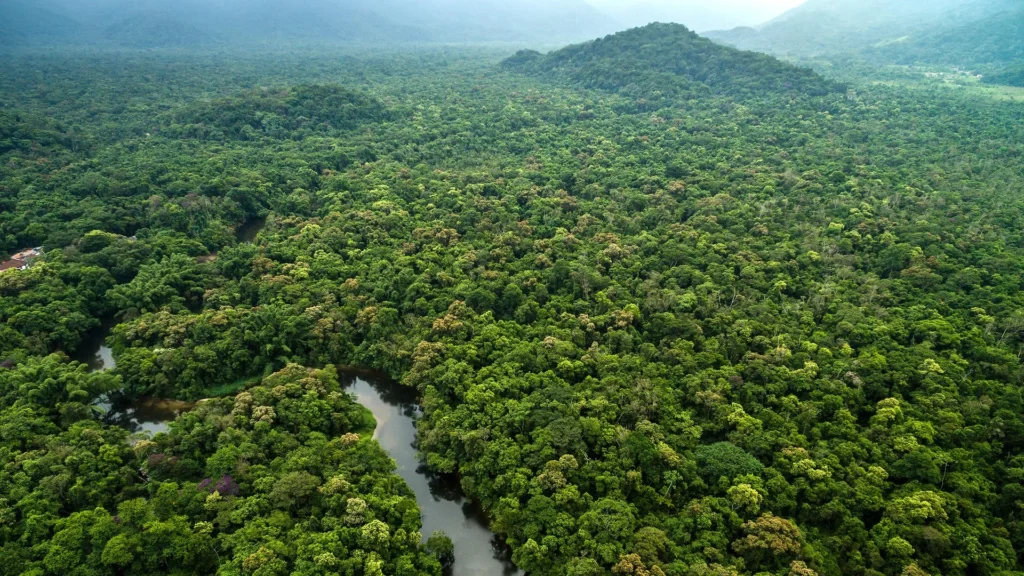
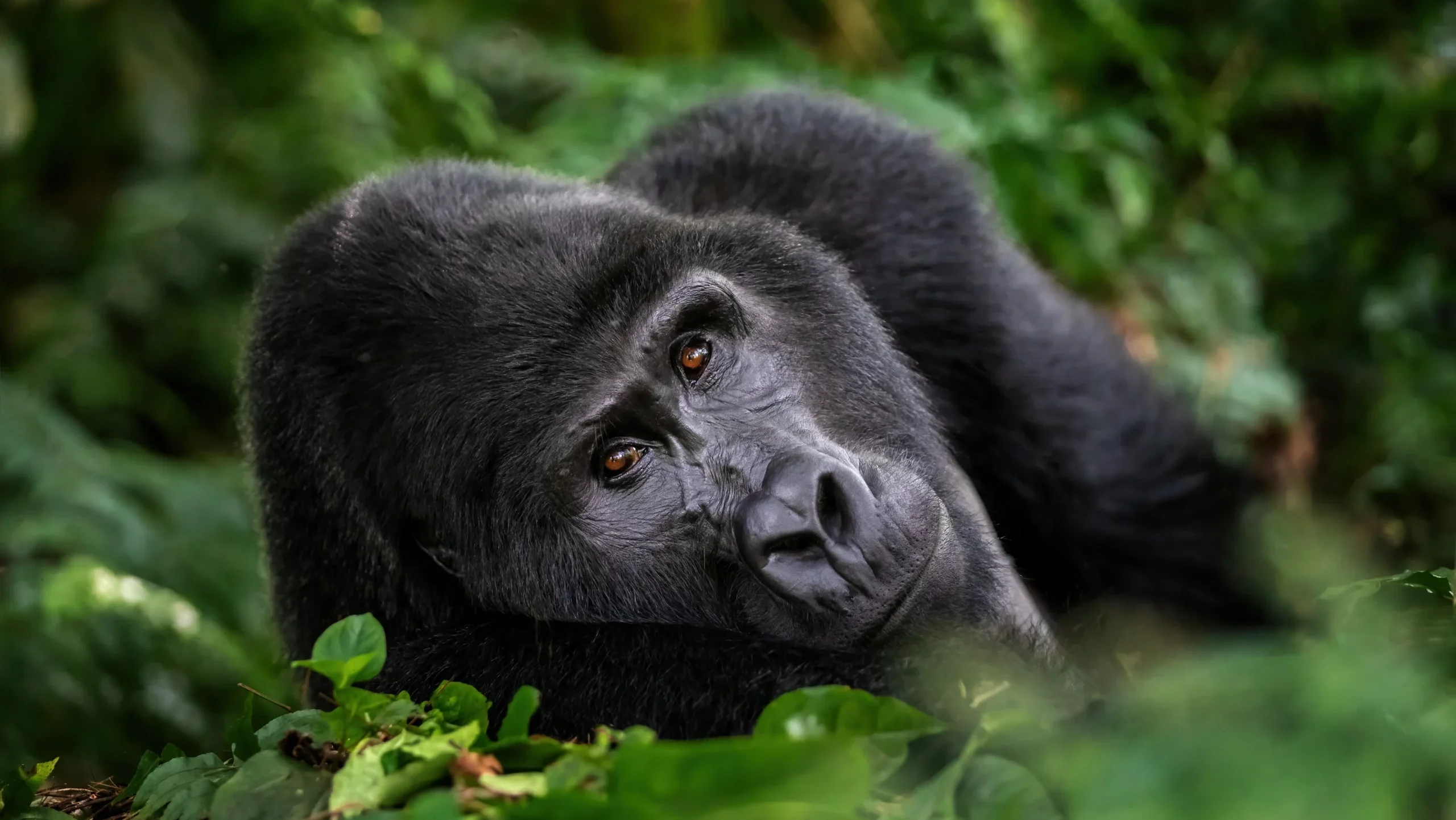
Gorilla tracking is one of the most profound wildlife experiences in the world. With just over 1,000 mountain gorillas (Gorilla beringei beringei) remaining in the wild in places like Bwindi and Virunga, every encounter is a rare opportunity. In Odzala, tracking focuses on western lowland gorillas (Gorilla gorilla gorilla), a different subspecies living deep within the Congo Basin forests, but one that faces equally serious conservation pressures. Sustainable tourism and conservation funding are essential to their survival, the more people visit responsibly, the more gorillas stand a chance to thrive.
Gorillas are the largest living primates, ground-dwelling, primarily herbivorous, and inhabit the forests of central Africa. Their DNA is roughly 98% identical to humans, making them our closest relatives after chimpanzees. Whether encountered on steep volcanic slopes, in dense Ugandan rainforest or in lowland Congo forest clearings, observing a gorilla family interact quietly in the wild reveals behaviour that feels surprisingly familiar and profoundly moving.
Tourism is not just a privilege; it is a meaningful contribution to the survival of this endangered species. Without conservation funding through responsible visitation, mountain gorillas would likely already exist only in captivity, and western lowland gorillas would be even more vulnerable to poaching and habitat loss. Instead, their numbers are slowly recovering thanks to careful management, research and ecotourism.
What is a gorilla tracking experience?
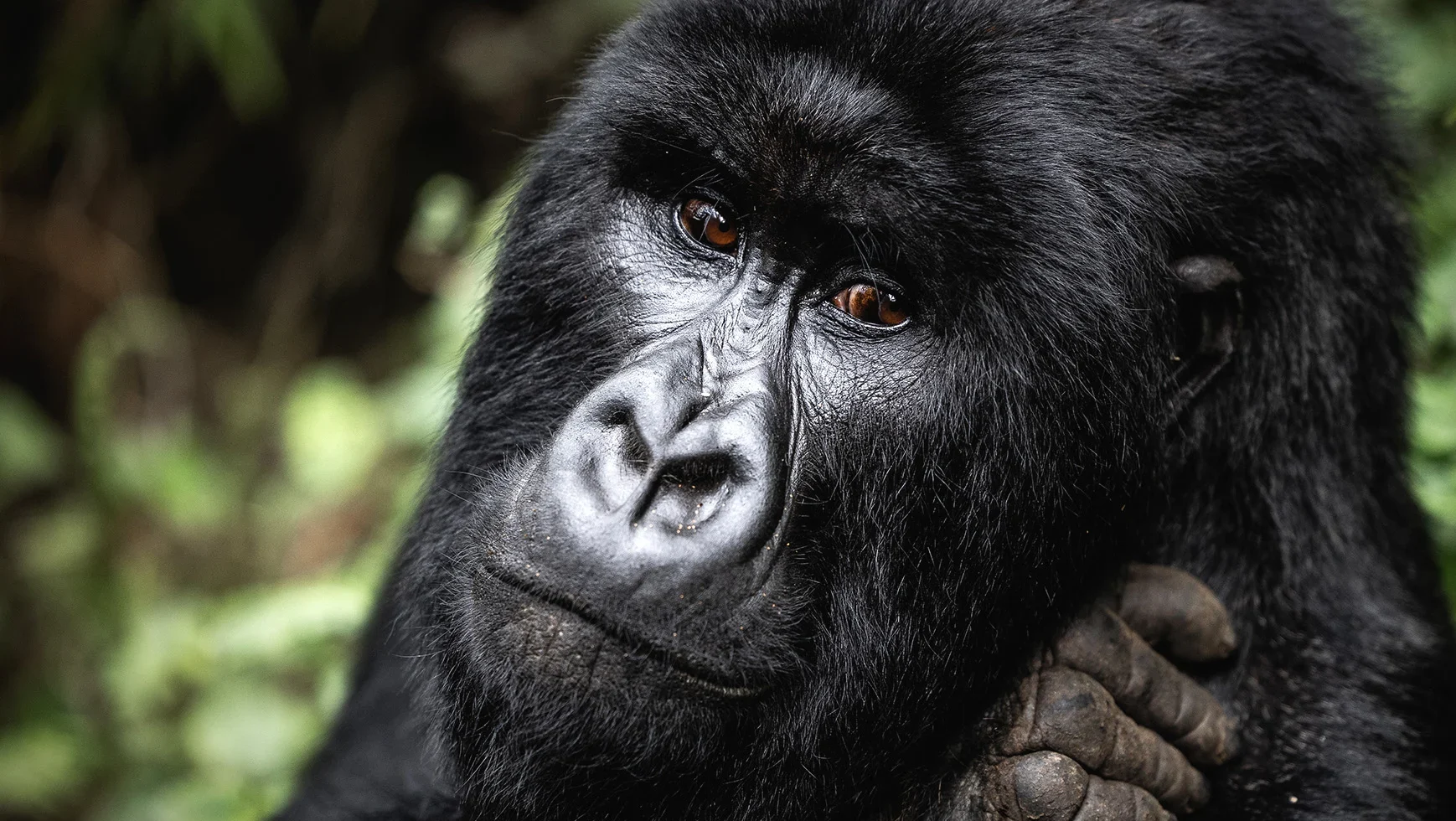
Meeting gorillas in the wild is unlike any other animal encounter. It is not dramatic in the traditional safari sense. There is no artificial spectacle, no chase, nothing fake. Instead, there is quiet observation, shared space and a powerful awareness that you are a guest in their world.
Only around 20% of the global gorilla population lives in family groups that have been habituated to the presence of humans. Habituation is a slow and careful process that can take several years, with researchers spending day after day near the gorillas until they accept human presence as non-threatening. Habituated gorillas are not tame, but they are tolerant, usually allowing people to observe them at a distance of around 7–10 metres.
Gorillas are generally gentle and thoughtful animals, but attention inevitably centres on the silverback males. These huge figures command their families with absolute authority. Chest-beating displays, mock charges and intense staring contests are common. The knowledge that a silverback could overpower you in seconds is sobering, but serious aggression toward visitors is extraordinarily rare.
Types of gorilla experience
There are two types of gorilla tracking experiences; a classic gorilla tracking encounter, which is the one most travellers choose and a more immersive habituation experience.
In a classic gorilla tracking experience, you spend up to one hour with a wild gorilla family in their natural habitat. The hike itself is a major part of the experience. Gorilla families live in dense forest or mountainous terrain that can only be accessed on foot. Depending on where the gorillas moved overnight, the trek can take anywhere from one to eight hours. The pace is slow, with regular breaks, and the emphasis is always on safety and minimising stress to the animals.
Once the gorillas are located, you have one hour in their presence. This limit is strictly enforced to reduce disturbance, lower the risk of disease transmission and prevent the gorillas becoming overly accustomed to humans. Despite the time limit, the encounter rarely feels rushed. An hour is more than enough to feel a genuine connection.
A gorilla habituation experience is far more immersive and considerably rarer. Rather than visiting a fully habituated family, you join researchers who are in the final stages of the habituation process. These treks allow you to spend up to four hours with a gorilla family, observing behaviour, movement and interactions in much greater depth. Because only one family is usually at this stage at any given time, access is extremely limited and logistically demanding.
Habituation treks are emotionally intense and deeply educational. You are witnessing conservation in action and playing a direct role in securing the future of that gorilla family.
In certain locations and under specific circumstances, private treks or photographer-oriented experiences may be possible. These offer quieter conditions and more flexibility, but always operate within the same strict conservation framework and ethical guidelines.
What does a typical day gorilla tracking look like?
The day begins early, timed around forest conditions rather than urgency. After a light breakfast, you head to the park headquarters or trailhead for permit checks and group allocation. Guides run through safety rules, expected behaviour around the gorillas, and an outline of the trek. Gorilla families are assigned based on where they were last tracked, with scouts already out in the forest relaying information by radio.
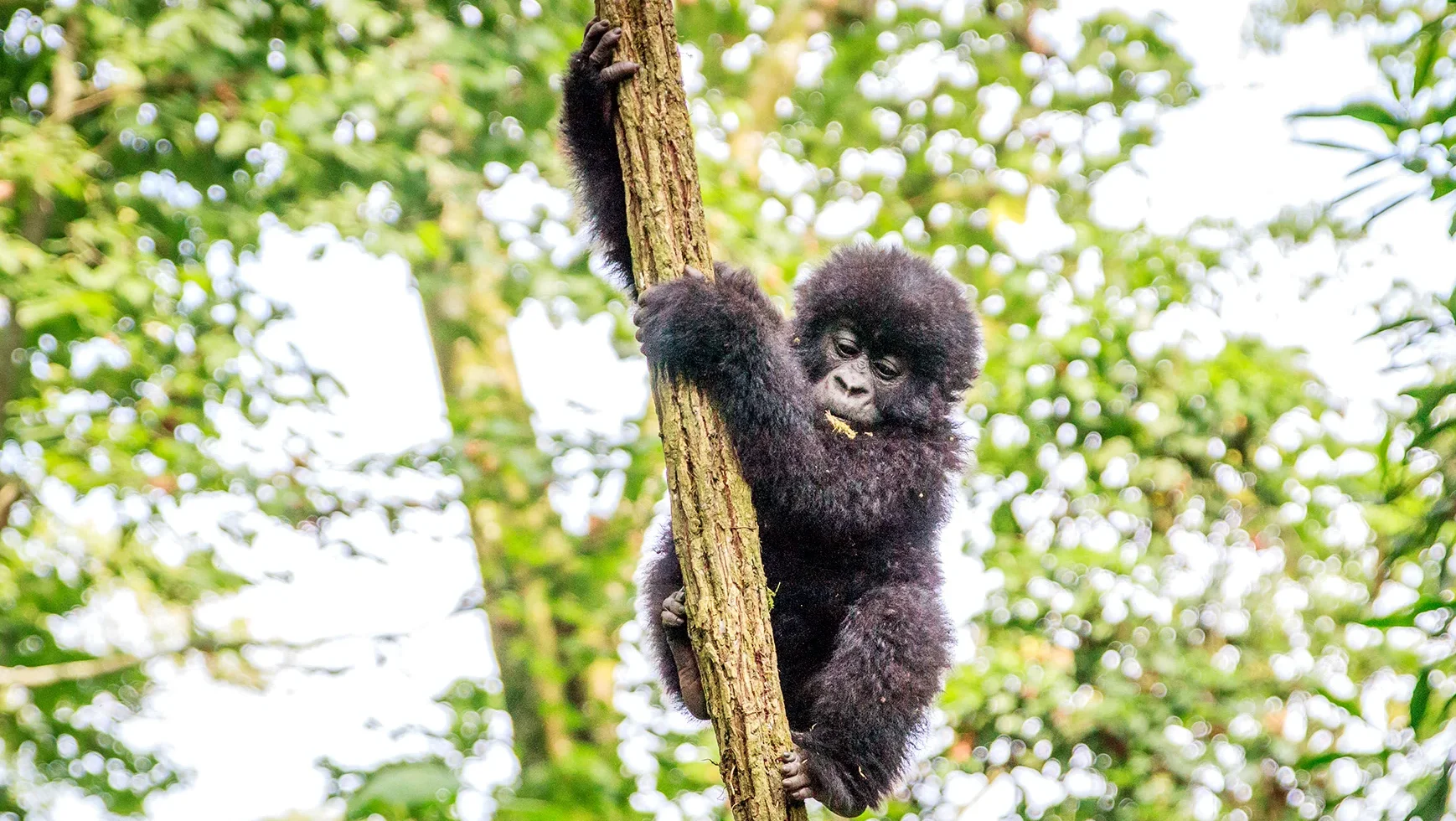
The hike can take anything from one to several hours. Some days the gorillas are close to the trail, other days they may have moved deeper into the forest overnight. Terrain varies from gentle paths to steep, muddy slopes with dense vegetation. The pace is steady, with frequent breaks for water and rest.
The final approach is quiet and controlled. Movement in the undergrowth often comes before the first clear view. Bags are left behind, voices drop, and the guide positions the group carefully.
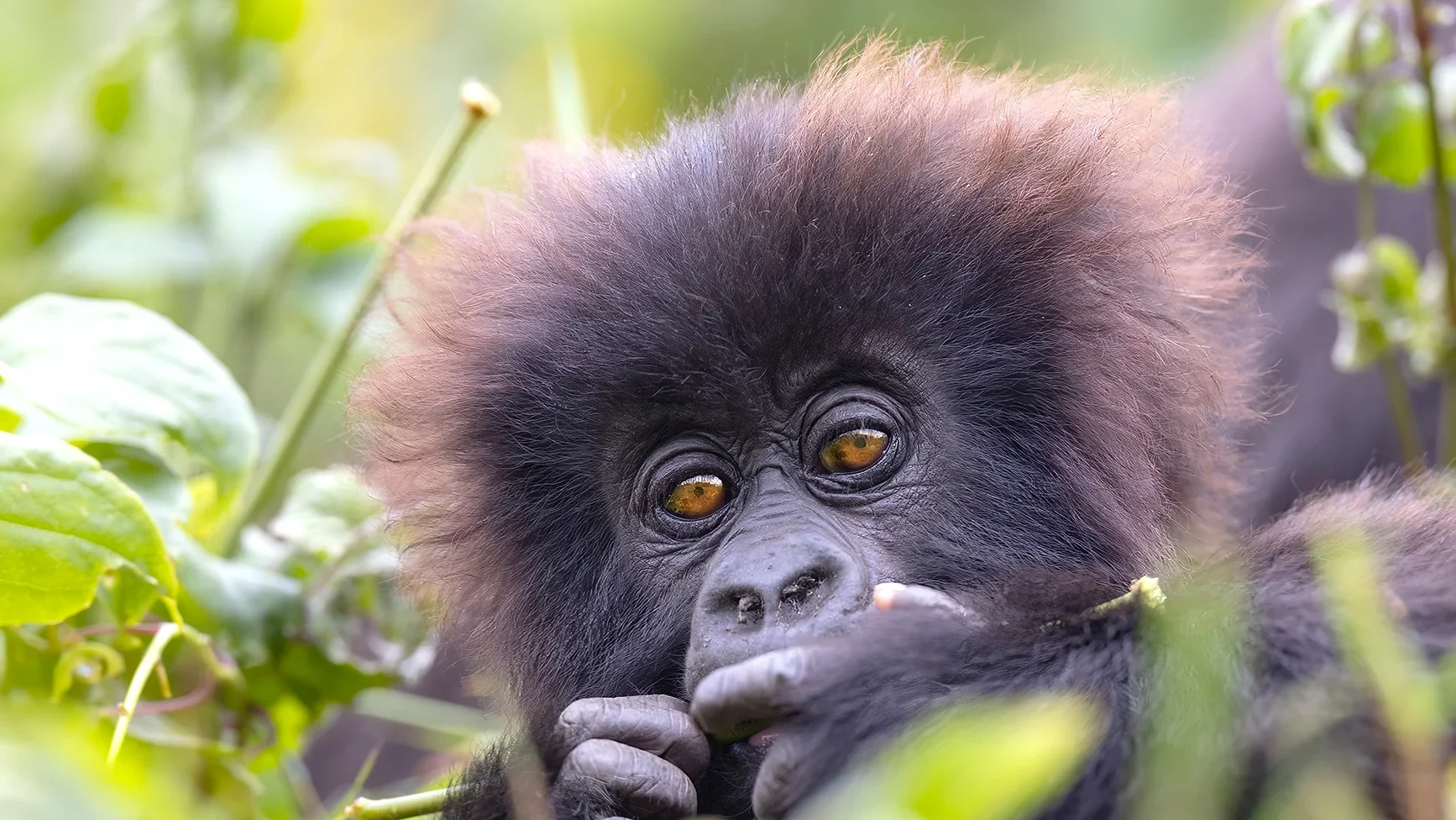
You are allowed one hour with the family. Gorillas continue their normal behaviour, feeding, grooming, resting, and playing. Juveniles move around freely while the silverback keeps a close watch. Guides manage distance and safety throughout the encounter.
After the hour is complete, your group will withdraw slowly and calmly. The walk back out is often reflective, with the intensity of the experience settling in.
The rest of the day is usually unstructured. Most guests return to camp to relax, enjoy the forest surroundings, and quietly absorb what is often one of the most powerful wildlife encounters of their lives.
How hard is gorilla tracking
Gorilla tracking is moderately challenging but achievable for anyone with a reasonable level of fitness. You do not need to be an athlete, but you do need stamina and a willingness to get muddy.
Terrain plays a big role. Rwanda’s gorillas live on steep volcanic slopes, while Uganda’s Bwindi Forest is generally less steep but still physically demanding. Trails are not manicured and conditions can be slippery, especially after rain.
Altitude also matters. Mountain gorillas live between two thousand and three thousand metres above sea level, and thinner air can make exertion feel harder.
Weather adds another variable, with rain, humidity and mud always possible.
What is it like being with a gorilla family
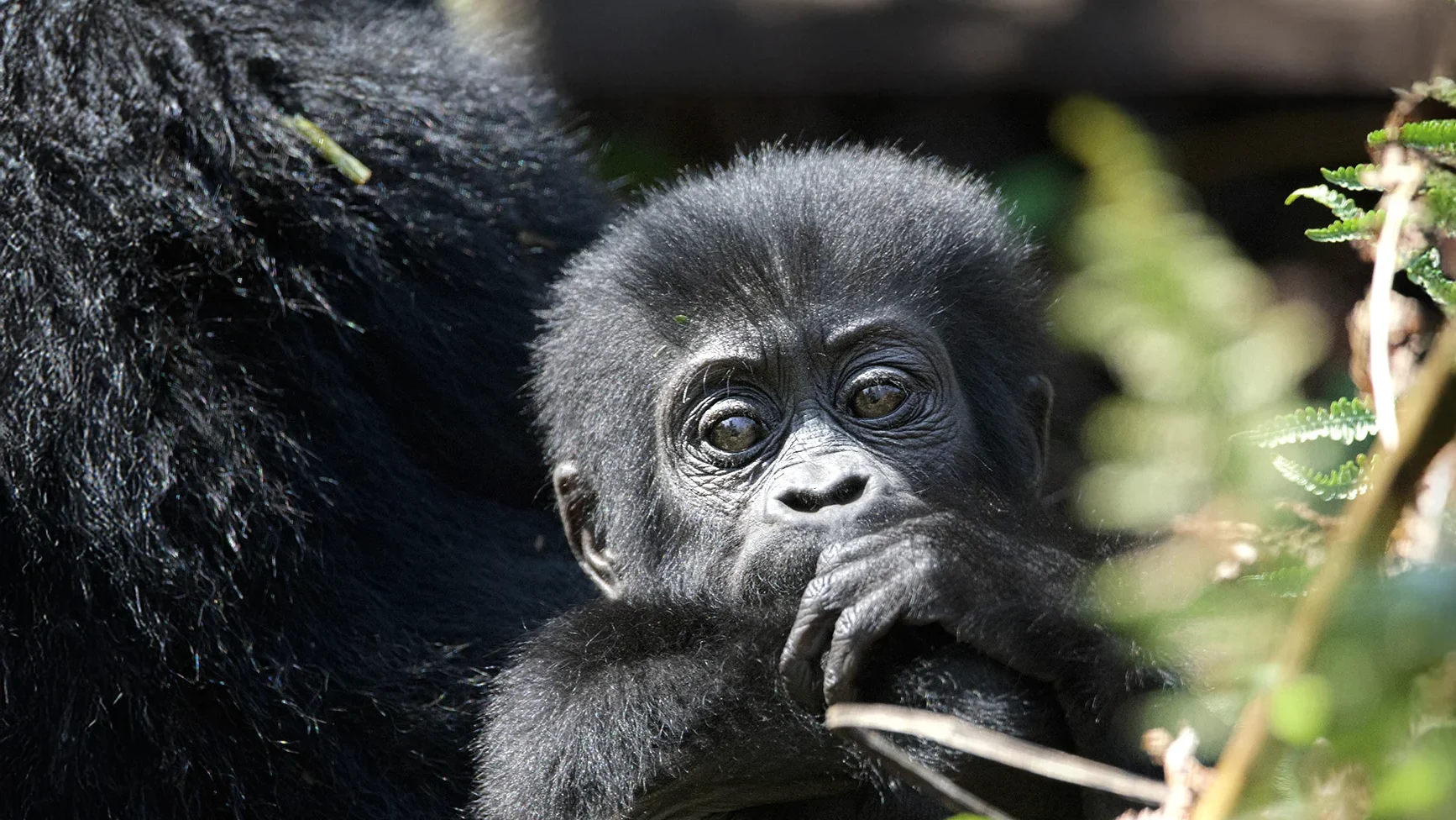
Being with a gorilla family is calm, absorbing and surprisingly emotional. Gorillas spend much of their time feeding, resting and grooming. Juveniles play and tumble through the vegetation while adults keep a watchful eye on both their family and their human visitors.
You will usually remain at least seven metres away, but gorillas do not always respect this boundary. Young gorillas are particularly curious and may wander closer. When this happens, guides manage the situation quietly and carefully.
Every encounter is different. Some are serene and contemplative, others are full of movement and drama. What remains constant is the feeling of sharing space with a species that is intelligent, social and deeply aware.
Further Reading
- Where is the best place to go gorilla tracking
- When is the best time to go gorilla tracking
- How much time do I need for tracking gorillas
- How much does it cost to track gorillas
- Where to stay when tracking gorillas in Africa
- What practicalities should I consider when gorilla tracking
- Why are gorillas endangered and what is being done to protect them
Extraordinary tailor-made adventures,
from earthy and edgy to easy and extravagant
From around USD 2500 per person, you set the ceiling
Sample Trips
Here are some of our popular trip shapes
Get started on your trip
It’s never too soon to get in touch, we are here to help with every stage of your planning.
Best Lodges
We regularly inspect and photograph all of the the best lodges, to ensure that we always recommend the most suitable options

Key Locations
Take a look around related locations. Click ‘View more’ to explore locations further afield.