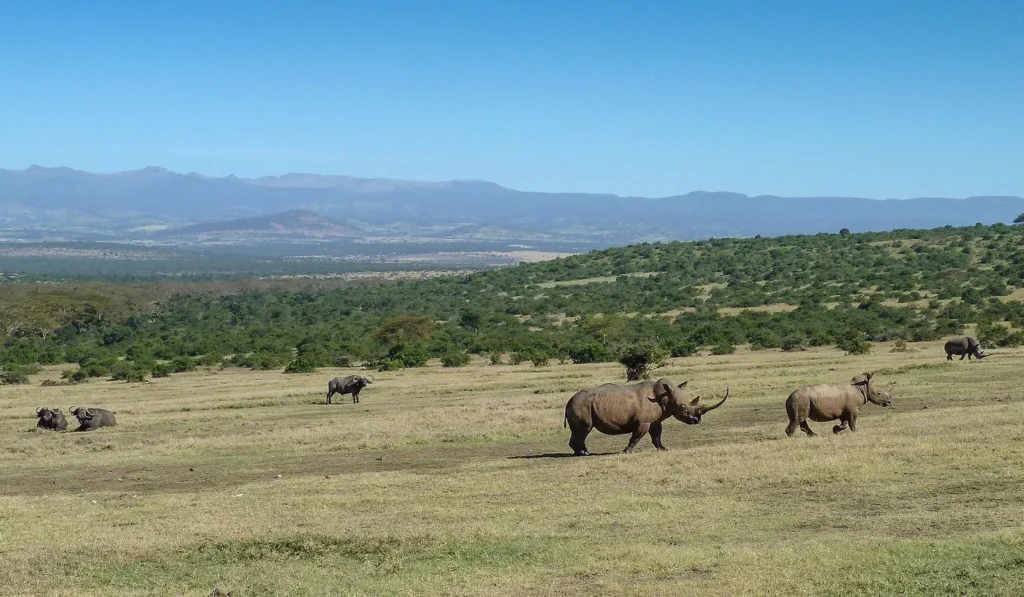

What practicalities should I consider when gorilla tracking
Gorilla tracking : before you travel
Gorilla tracking takes place in one of three key regions: Bwindi (Uganda), Virunga (Rwanda), and Odzala Kokoua (Congo). Visitors must base themselves at a specialist lodge, usually for a minimum of three to four nights. Allowing yourself time in location is important as it provides enough of a buffer for a trek or two, rest between hikes and the flexibility to switch permits if anything unexpected arises.
You will need to pre-purchase at least one gorilla permit. This is your entry ticket into the forest and the key that allows you to join an official guided trek to a habituated family. A trek typically lasts three to seven hours depending on where the gorillas have moved overnight. Some hikes are surprisingly gentle and others can be steep, muddy and long, so guests should be reasonably fit and comfortable with outdoor adventure.
Permit availability is tight and the best families usually get booked first. We always recommend planning six months ahead and ideally a year ahead for the December to January and July to September high seasons.

Understanding gorilla permits
A gorilla permit is expensive and often hard to obtain, but it is absolutely central to primate conservation. The chance of seeing gorillas is well above ninety percent, but the intimacy and quality of the sighting can vary. Getting incredibly close to a relaxed family sits more realistically around sixty to seventy percent. For this reason, many of our guests choose to buy two permits. This doubles the chance of a superb sighting, allows visits to different families and gives you a second opportunity if your first trek was obscured by rain or foliage. If you miss out entirely, park authorities will generally try to place you with a reliably accessible group next time.
Booking early is everything. Permits run out long before beds and the better families tend to go first.
Minimum age for gorilla tracking
It is critical to note that the minimum age for joining a trek is fifteen years old. This is a park regulation and there are no exceptions. You will be required to show your passports.
We should also point out that we would not normally recommend that children under 12 travel to remote tropical areas, the health risks are too great, regardless of whether or not you take anti-malarials. Tropical fevers can be very dangerous for youngsters.

Conduct around gorillas
Remember you are standing near one of the world’s rarest populations. A single transmittable illness could be catastrophic. Treat the rules as non-negotiable.
Visitors must keep a minimum distance of seven metres. Juveniles sometimes ignore the rules and will wander close, in which case you should slowly ease back or follow your guide’s instructions to remain still. Excitement sometimes tempts people to edge closer for photos, but please resist. The guides may remove you from the sighting if they feel you’re compromising safety.
Behaviour matters. Keep your group together. Sit or crouch where possible. Don’t raise your arms, point, clear vegetation, or stare in a way that mimics aggression. If a silverback displays or charges, stay calm, stay low and look down. Running triggers danger, not safety. Never eat, drink or smoke within two hundred metres of the gorillas and keep your voice to a whisper at all times. Even if safari ants bite or a nettle catches you, keep quiet and move gently. Everything in the forest responds to calm energy.

Clothing and equipment when gorilla tracking
Treks can involve long hours in steep, muddy, wet terrain. Proper preparation makes an enormous difference.
Wear sturdy shoes, preferably high-ankle boots. Long socks or gaiters help with mud, insects, and nettles, and thick trousers protect your legs, and a long-sleeved shirt helps with the chill and scratches. Many trekkers pack lightweight gardening gloves, useful for gripping vegetation on climbs.
Bring a poncho or small waterproof jacket, sunscreen, a hat and at least two litres of water. Protect your camera gear with waterproof covers. Binoculars are optional unless you’re a birder.
Cameras and photography
Flash photography is strictly forbidden. A camera with a decent zoom lens allows you to stay at the correct distance while still capturing expressive close-ups. Spare batteries and waterproof cases are essential. Tripods are usually impractical in the forest, so consider a small stabiliser if needed.
Health, safety and fitness when gorilla tracking
Gorilla tracking takes place in remote forest environments, often several hours from major towns and fully equipped hospitals. This remoteness is part of what makes the experience special, but it also means visitors should approach it with a practical and responsible mindset.
A yellow fever vaccination is often required depending on your country of entry, and malaria prophylaxis is strongly recommended. As with any tropical destination, travellers should also be mindful of other mosquito-borne or viral illnesses such as dengue, chikungunya or viral fevers, even though these are uncommon in gorilla tracking areas. Sensible precautions, insect repellent, long sleeves in the evenings, and basic hygiene, are usually sufficient.
Gorillas are highly susceptible to human respiratory illnesses. If you show signs of a cold, flu, cough, fever or diarrhoea, park authorities may refuse participation on the day to protect the gorillas. This is taken seriously and enforced without exception. If you are not feeling completely well, it is essential to be honest with your guide. Missing a trek is disappointing, but preventing disease transmission is critical to conservation.
From a medical perspective, gorilla tracking is well managed but far from urban healthcare. Rangers are trained in first aid, and evacuation procedures exist, but serious medical facilities are not immediately accessible. Comprehensive travel insurance that includes medical evacuation is essential. This is standard for responsible travel in remote areas of Africa and should not be seen as unusual or alarming.
Physically, expect mud, rain, humidity and uneven ground. Trails are not manicured, and conditions can change quickly with weather. The pace is steady and unhurried, with frequent stops, but treks can last several hours and may involve steep ascents or descents.
Leeches are not generally an issue for gorilla tracking in Uganda or Rwanda. While they can occur in some tropical forests elsewhere, most guests never encounter them on gorilla treks. Mud, wet vegetation and slippery slopes are far more common challenges than insects or parasites.
Guests should be reasonably fit, able to walk at a steady pace for several hours and manage uneven terrain. You do not need to be an athlete, but you do need stamina, balance and a willingness to get muddy. Porters are available in most locations and can make a significant difference, particularly on longer or steeper treks.
With sensible preparation, honest communication and a realistic understanding of the environment, gorilla tracking is safe, well regulated and deeply rewarding.
Further reading
- What is gorilla tracking
- Where is the best place for gorilla tracking
- When is the best time to go gorilla tracking
- How much time do I need for tracking gorillas
- How much does it cost to track gorillas
- Where to stay when tracking gorillas in Africa
- Why are gorillas endangered and what is being done to protect them
Extraordinary tailor-made adventures,
from earthy and edgy to easy and extravagant
From around USD 2500 per person, you set the ceiling
Sample Trips
Here are some of our popular trip shapes

Get started on your trip
It’s never too soon to get in touch, we are here to help with every stage of your planning.
Best Lodges
We regularly inspect and photograph all of the the best lodges, to ensure that we always recommend the most suitable options
Key Locations
Take a look around related locations. Click ‘View more’ to explore locations further afield.