How much time do I need for tracking gorillas
How long do you need for gorilla tracking?
When it comes to tracking gorillas, the hike itself may only take a morning, but the logistics, the terrain and the nature of gorilla behaviour all demand time on the ground. The ideal length of stay depends on where you’re going, how many treks you want to undertake and how much breathing room you want in your itinerary.
Gorilla tracking happens in three very different regions: Uganda, Rwanda and the Republic of Congo. Uganda’s Bwindi Forest is home to the largest population of mountain gorillas anywhere. Rwanda’s Virunga Mountains offer the most streamlined, high-end version of the experience with reliably close sightings. Congo’s Odzala Kokoua gives you western lowland gorillas in deep equatorial rainforest, a totally separate subspecies that behaves and moves differently. Because each country runs on its own rhythm, the time you need depends heavily on where you’re going, how active you want to be and whether you want one sighting or several.
While each region has its own pace, certain patterns hold true. You’ll need enough nights for at least one trek, ideally two, enough rest in between and the flexibility to adapt if weather or the gorillas’ movements change. Below is an overview of how much time you realistically need in Bwindi, the Virunga Mountains and Odzala Kokoua.
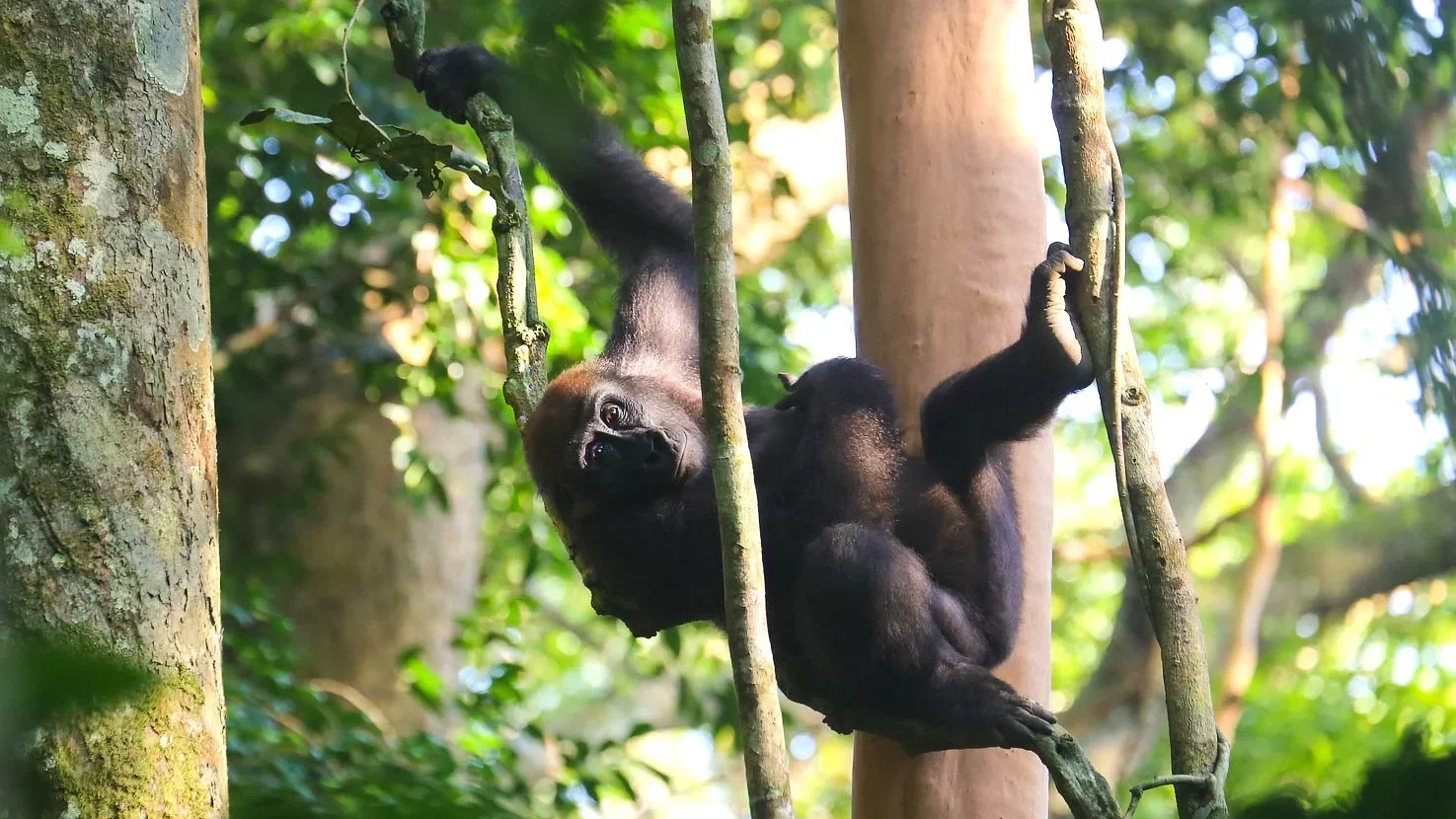
Tracking gorillas in Bwindi : 3–5 nights
Bwindi offers the widest range of tracking routes and some of the most rewarding mountain gorilla sightings. The hikes vary from gentle and flat to steep and muddy, so time helps you pace yourself.
Most travellers spend three to four nights, usually flying into Kihihi or Kisoro and basing themselves in Buhoma, Nkuringo or a combination of both.
Two treks are ideal here. Bwindi has many habituated families, often scattered across different trailheads, and a second permit gives you better odds of a close, relaxed encounter. The forest is atmospheric but physically demanding, and that extra night or two lets you rest, reset and experience more than one part of the park.
If you’re short on time, three nights is workable, but the area has more to offer for a longer stay, notably including interaction with the local Batwa pygmy tribe and other local life. If you can stretch to a week, Bwindi will fill every day of it.
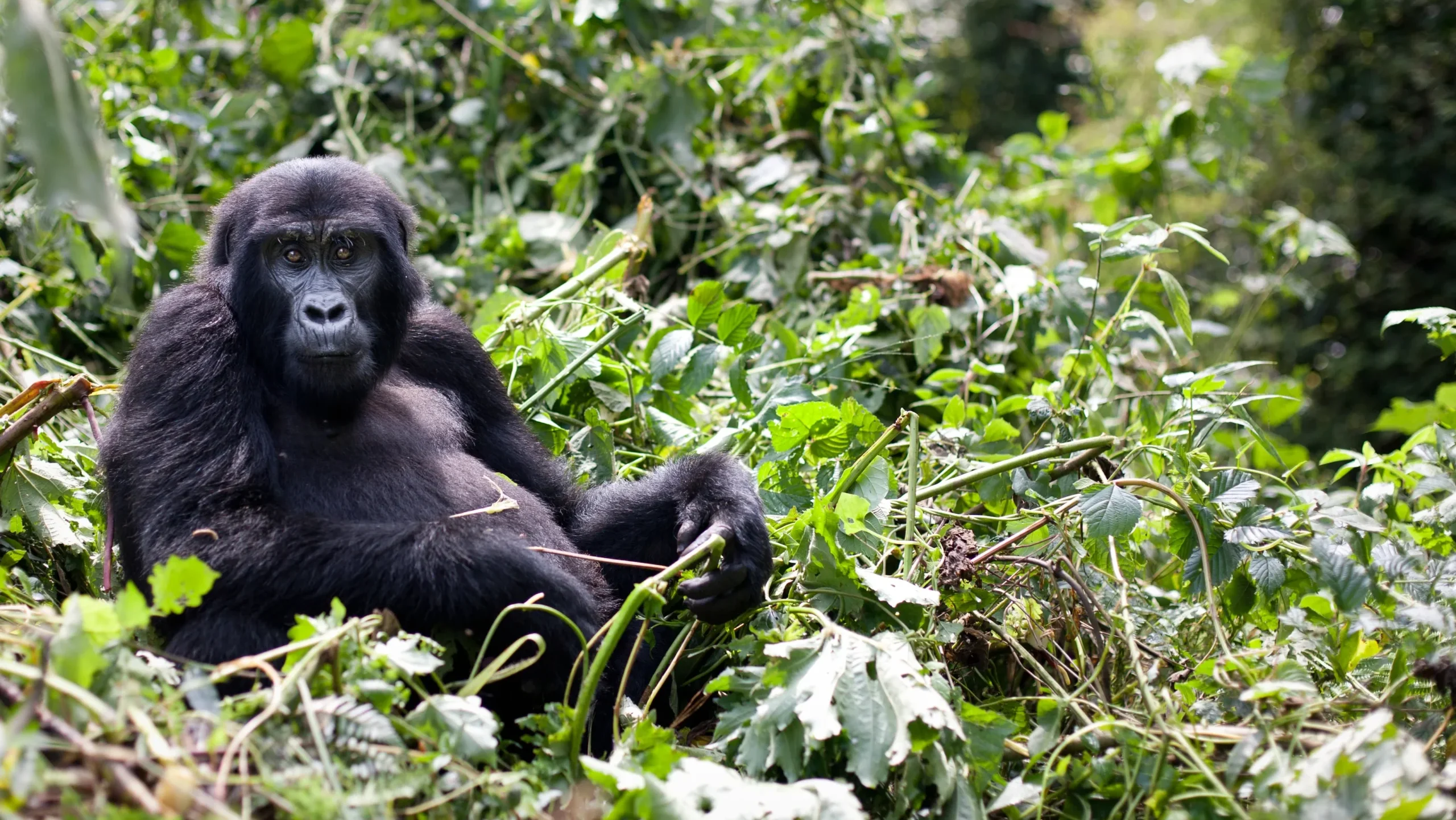
Tracking gorillas in Virunga : 2–3 nights
Rwanda’s gorilla experience is sleek, organised and efficient, which means you can do it in two to three nights without feeling rushed.
Most travellers fly into Kigali, drive up to the foothills around Volcanoes National Park and base themselves at a specialist lodge for a couple or three nights.
The tracking is usually well structured and sightings are consistently excellent. Many guests do a single trek and leave satisfied, but a second trek is common, especially if you want to visit a different family or increase your chances of a truly intimate encounter. Because Rwanda’s system runs smoothly and trailheads are close to the lodges, everything takes less time than in Bwindi.
Two nights with one trek is the minimum. Three nights with two treks is the polished version. However, there are lots of other things to do in the area, including other wildlife and a wide range of cultural experiences, so you can easily stay 4-5 nights for a more relaxed approach.
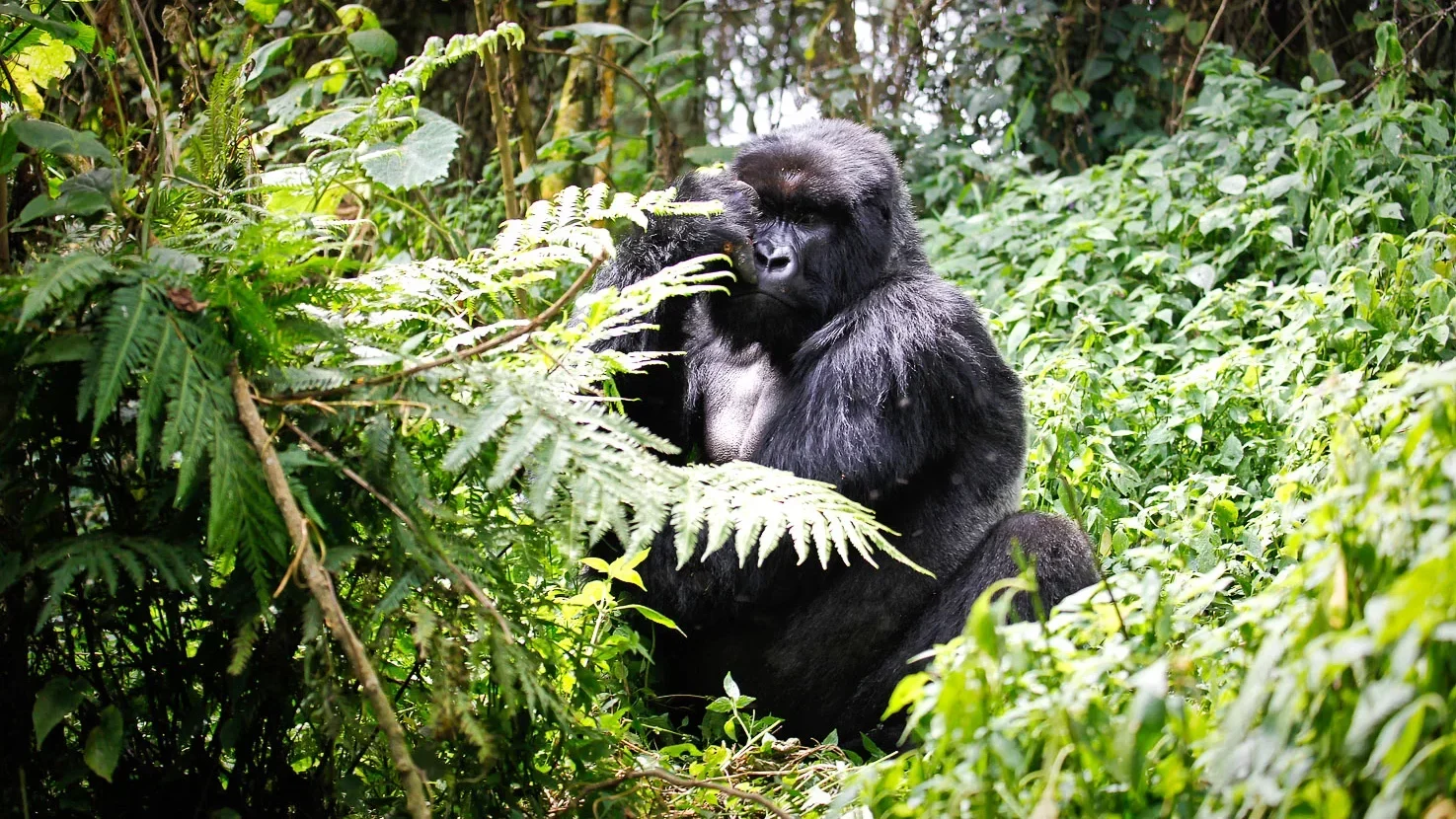
Tracking gorillas in Odzala Kokoua : 6–9 nights
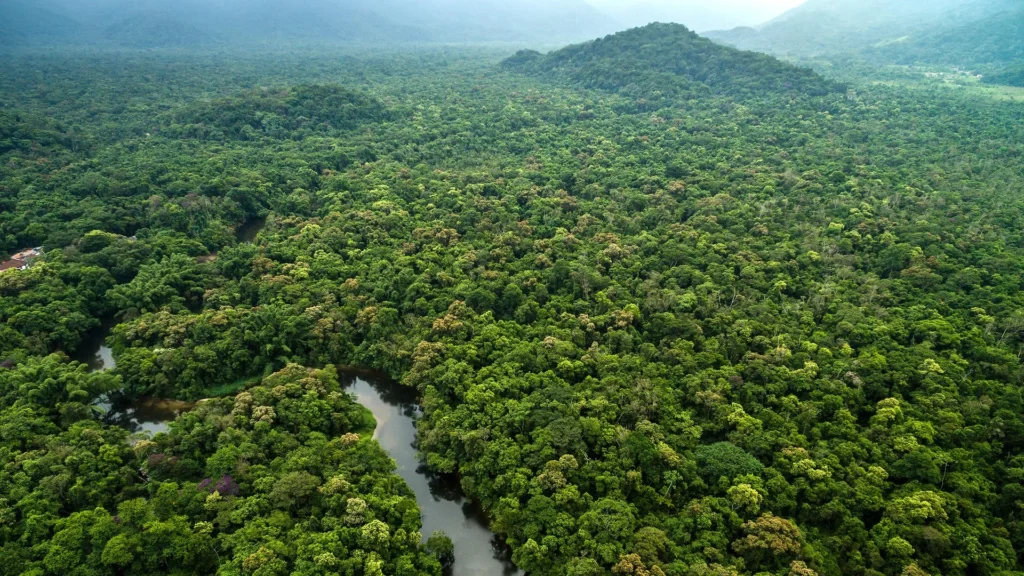
Odzala Kokoua is a completely different world. Here you’re tracking western lowland gorillas in thick equatorial rainforest rather than mountain forest. The gorillas move more, the vegetation is denser and the entire experience unfolds at a slower, more immersive pace.
Because Odzala is remote and built around a three-camp circuit, most travellers spend six to nine nights across Ngaga (for gorillas), Lango (for baïs and wetlands) and Mboko (for river and savanna edges). You need at least two gorilla treks to get a genuinely rounded sighting, and the wider forest experience is a huge part of the trip.
A four night quick version is occasionally offered but rarely recommended. Odzala works best when you give it time.
Why choosing your trip length is important when tracking gorillas
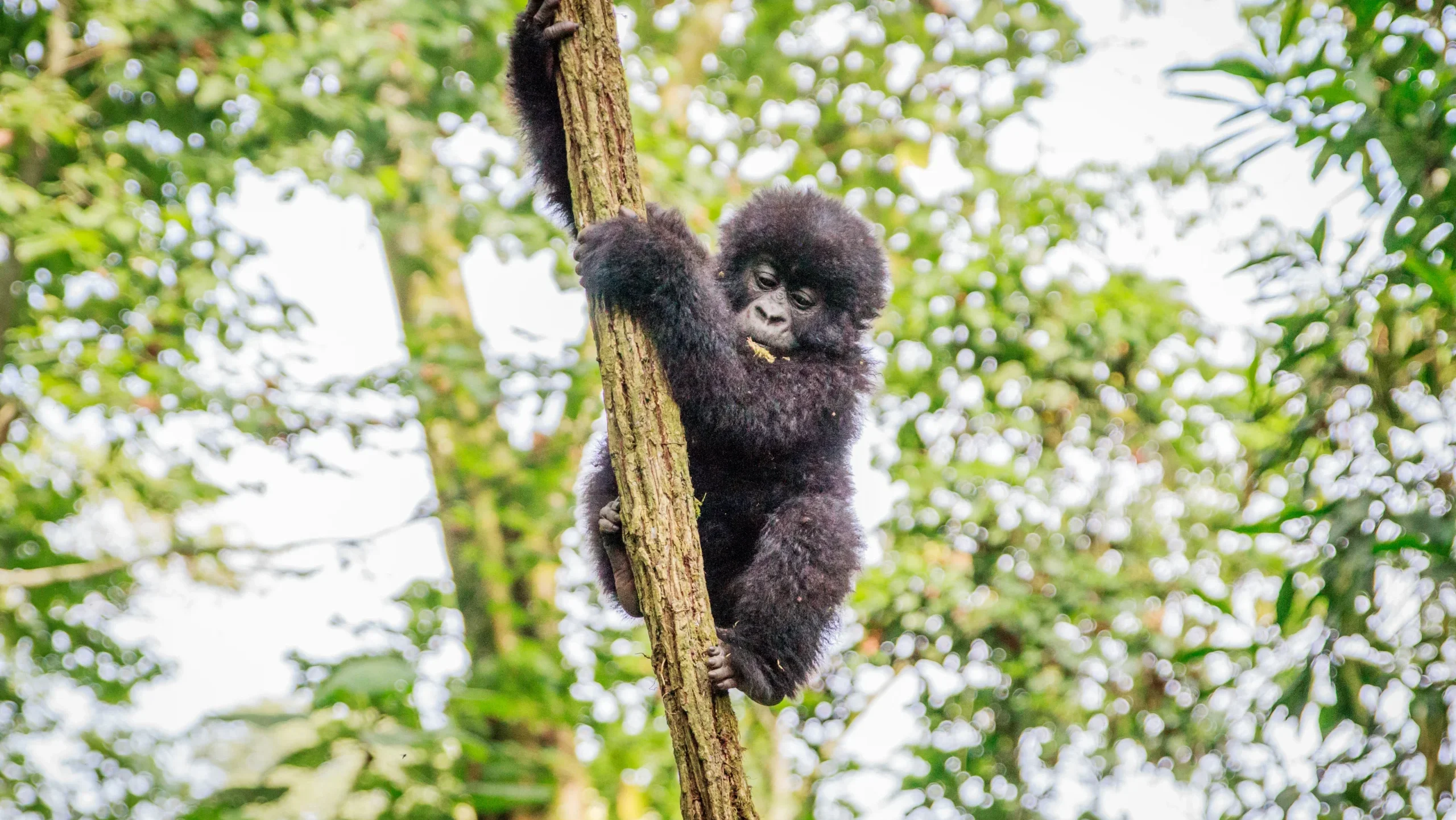
Wherever you go, two rules hold true. First, one trek is never the whole story, a single hour with gorillas is powerful, but sightings vary. Sometimes the family is feeding in thick cover. Sometimes the silverback positions himself awkwardly. Sometimes rain and mist reduce visibility. A second trek often delivers the clearer, more relaxed encounter travellers remember for life.
Second, forests don’t run on timetables. Gorillas move. Terrain changes. Weather shifts. Giving yourself at least one extra day creates a buffer that makes the whole journey feel effortless rather than rushed.
You can technically see gorillas in two to three nights in Rwanda or three to four in Uganda, but the best gorilla trips are the ones that allow space. These are once-in-a-lifetime encounters and the forests they live in are some of the richest ecosystems on the continent. Whether you choose Bwindi, the Virungas or the deep rainforest of Odzala, giving yourself the right amount of time makes the difference between a successful trip and an unforgettable one.
Further reading
- What is gorilla tracking like
- Where is the best place for gorilla tracking
- When is the best time of year for gorilla tracking
- How much does gorilla tracking cost
- Where to stay when tracking gorillas in Africa
- What practicalities should I consider when gorilla tracking
- Why are gorillas endangered and what is being done to protect them
Extraordinary tailor-made adventures,
from earthy and edgy to easy and extravagant
From around USD 2500 per person, you set the ceiling
Sample Trips
Here are some of our popular trip shapes
Get started on your trip
It’s never too soon to get in touch, we are here to help with every stage of your planning.
Best Lodges
We regularly inspect and photograph all of the the best lodges, to ensure that we always recommend the most suitable options
Key Locations
Take a look around related locations. Click ‘View more’ to explore locations further afield.