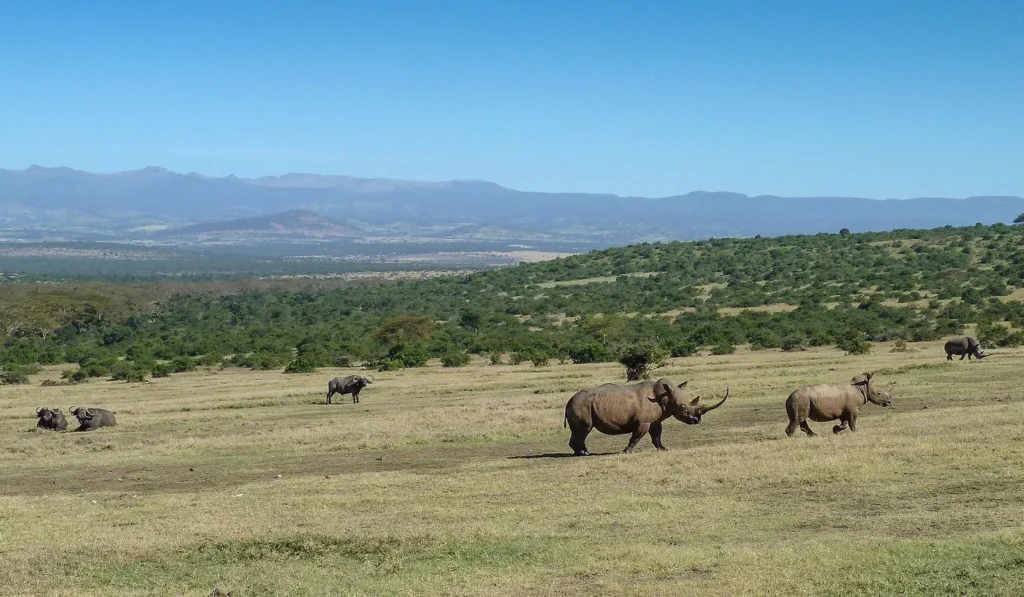

Why are gorillas endangered and what is being done to protect them
Gorilla conservation in Africa
Gorillas are among our closest living relatives, sharing around 98 percent of their DNA with humans. Yet despite this biological connection, they remain one of the most endangered great apes on Earth. Across Africa, gorilla populations are fragmented, vulnerable, and heavily dependent on active protection to survive.
Today, the strongest remaining gorilla populations are concentrated in three key regions: Bwindi Impenetrable Forest in Uganda, the Virunga Mountains spanning Rwanda, Uganda, and the Democratic Republic of Congo, and Odzala-Kokoua National Park in the Republic of Congo. Together, these landscapes represent both the greatest hope for gorilla survival and a clear illustration of how fragile that future remains.
Understanding why gorillas are endangered, and how conservation works across these regions, reveals why responsible tourism is not just compatible with protection, but essential to it.
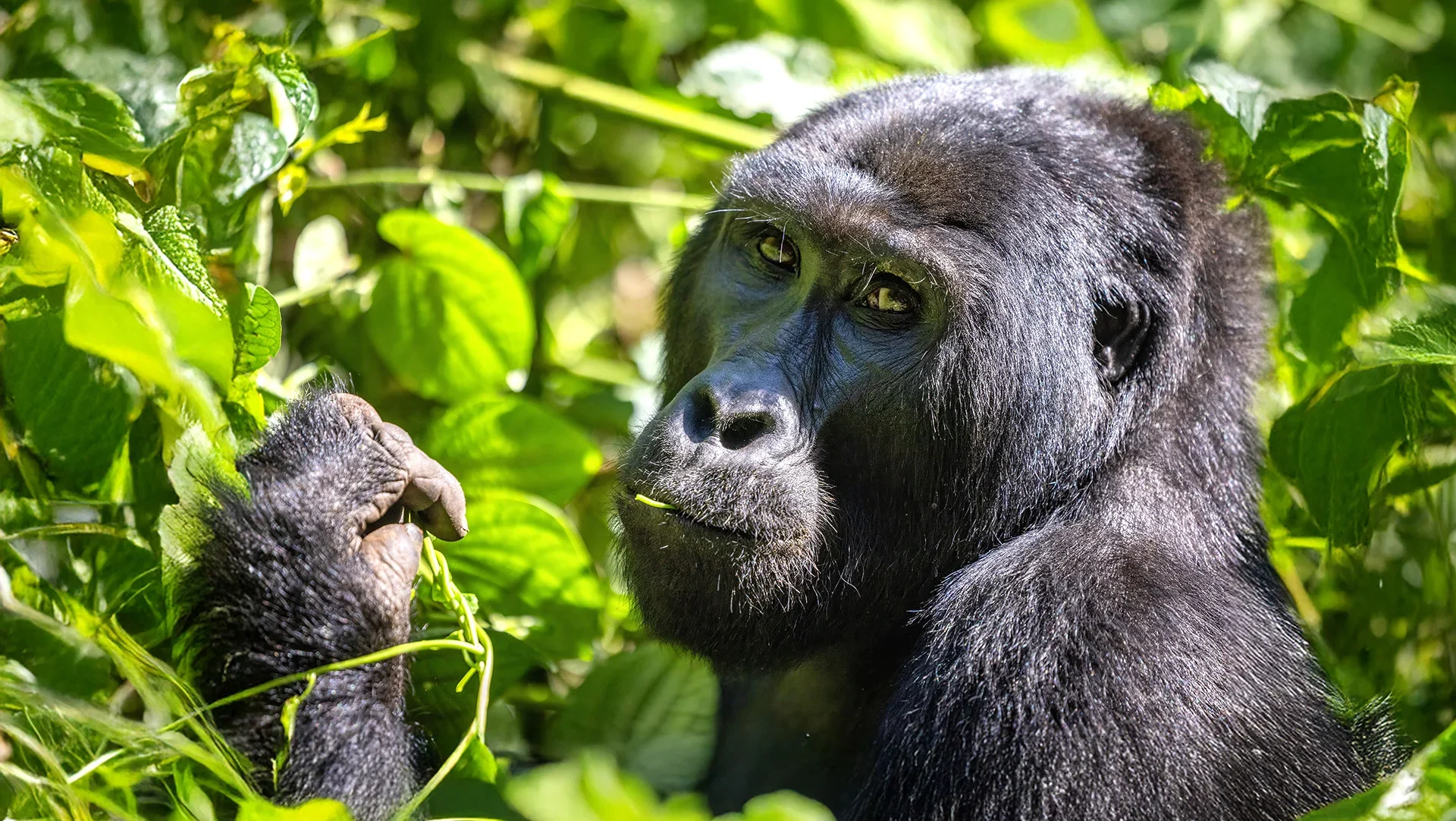
Global gorilla populations
Africa is home to four types of gorillas, each with its own range and story. The mountain gorilla thrives in Bwindi and the Virunga Mountains, while the eastern lowland gorilla lives in the forests of eastern DRC. On the western side of the continent, the western lowland gorilla roams vast tropical forests, and the rare Cross River gorilla clings to survival along the Cameroon-Nigeria border. Each type faces unique challenges, making conservation across their habitats vital for their survival.
Visitors can experience gorillas in the wild, but only certain populations are accessible. Mountain gorillas, found in Bwindi Forest and the Virunga Mountains, are relatively few, just over 1,000 remain, but are habituated to humans, making tracking experiences possible and safe.
Western lowland gorillas inhabit the dense rainforests of Central Africa. They are much more numerous, with around 350,000 individuals in the wild. Their population has declined dramatically but despite being classified as critically endangered, gorilla tracking is possible.
Unlike mountain or western lowland gorillas, eastern lowland and Cross River gorillas are largely off-limits to visitors. Eastern lowland gorillas inhabit remote forests in eastern DRC, where political instability and challenging terrain make tracking unsafe and logistically difficult. Cross River gorillas, meanwhile, survive in tiny, fragmented pockets along the Cameroon–Nigeria border and are so rare that tourism could threaten their fragile populations. Protecting these gorillas means prioritizing conservation over visitation, ensuring these elusive species have a chance to survive.
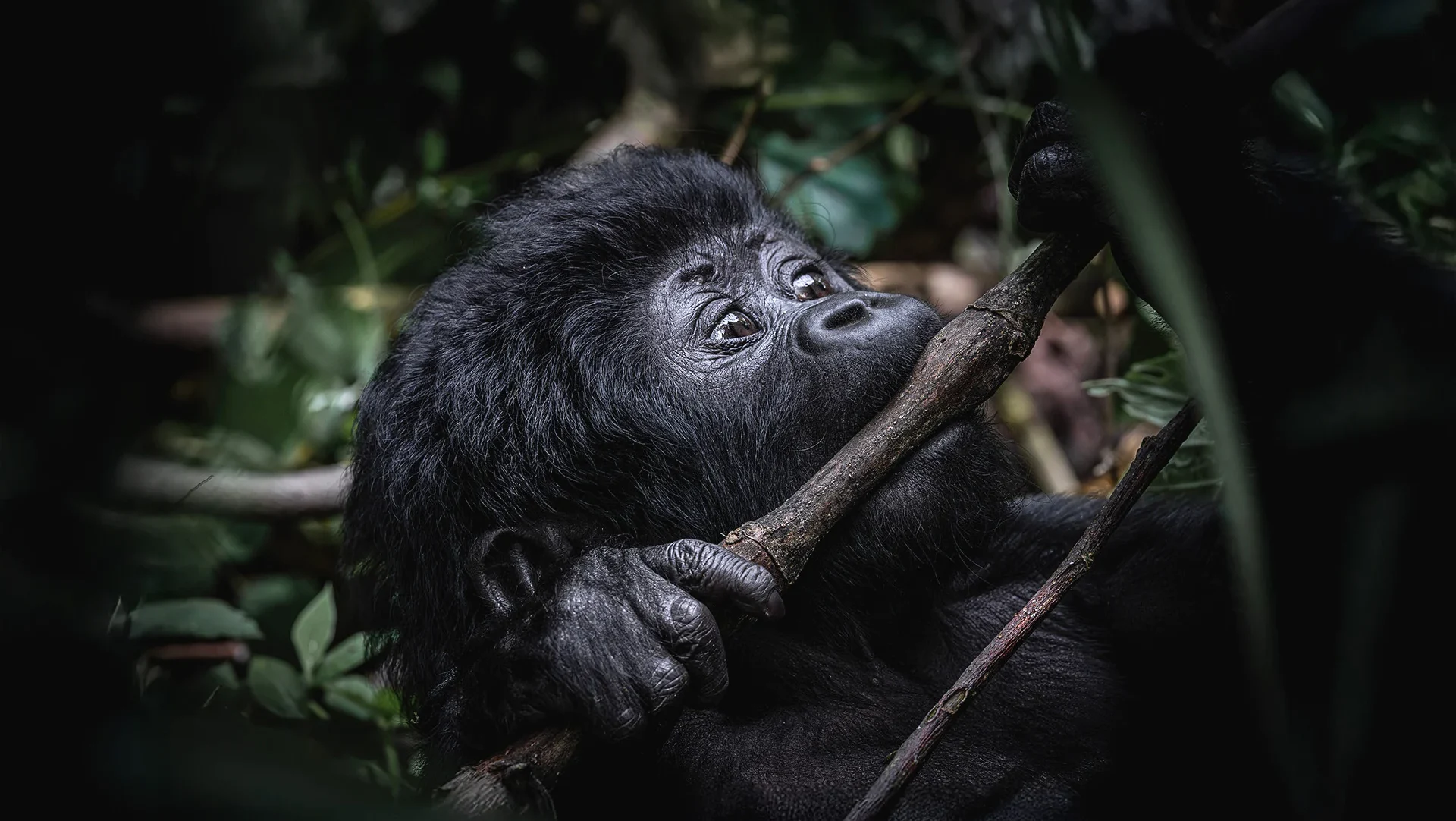
Why are gorillas endangered?
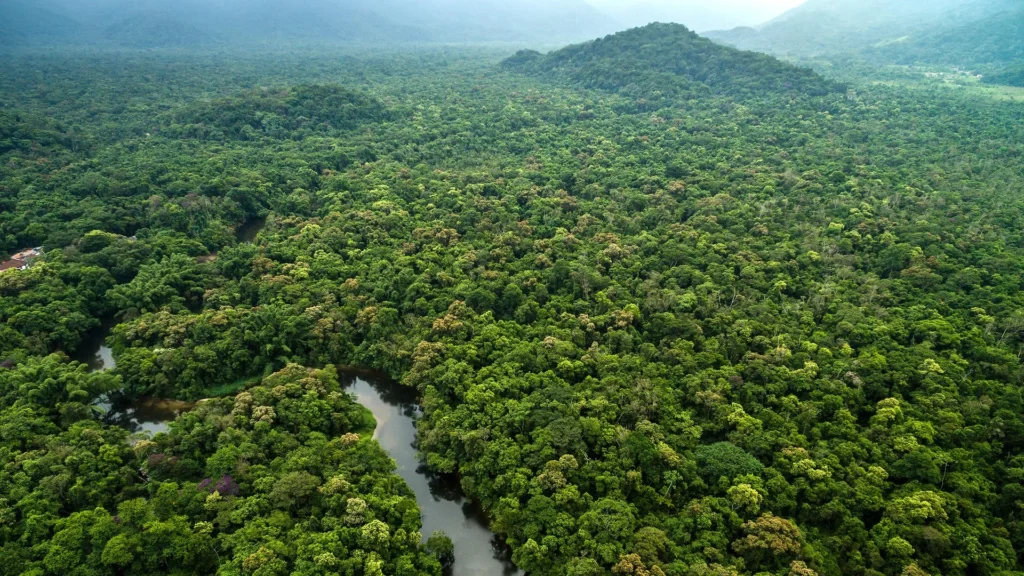
All gorilla species reproduce slowly, live in close family groups and depend on large, intact forest ecosystems, which makes them especially vulnerable to human pressure. While each region has its own challenges, the main threats to gorillas are consistent across Africa. Habitat loss and fragmentation are widespread, driven by agriculture, logging, mining and infrastructure development. Bwindi is surrounded by dense human settlement, Virunga lies in a region of intense land pressure and political instability, and large areas of Central African rainforest have been opened up by logging roads, isolating populations and reducing access to food.
In Bwindi, Virunga and Odzala, poaching remains a major threat to gorillas, even though they are rarely targeted directly. Most injuries and deaths occur when gorillas are caught in wire snares set for other animals such as antelope and small forest mammals. These snares are cheap, easy to conceal and widely used, making them difficult to eliminate completely. When a gorilla becomes trapped, the resulting injuries can be severe, often leading to infection, loss of limbs or death if veterinary intervention is not possible. This threat affects mountain gorillas in Bwindi and Virunga as well as western lowland gorillas in Odzala, underscoring how indirect poaching continues to endanger gorilla populations across very different landscapes.
Disease transmission poses a serious risk to gorillas because of their close genetic similarity to humans, which makes them highly susceptible to many human illnesses. Respiratory infections are of particular concern, as even minor viruses can be fatal to gorillas with no natural immunity. This risk increases in areas where humans and gorillas live in close proximity, including regions with tourism, research activity or dense surrounding communities.
In the Virunga Mountains, conservation also takes place against a backdrop of conflict, where rangers regularly risk their lives to protect gorillas, making it one of the most dangerous conservation landscapes in the world. Climate change adds further pressure, with shifting rainfall patterns and vegetation zones affecting food availability in high-altitude environments such as Bwindi and Virunga and in fragile lowland ecosystems like Odzala.
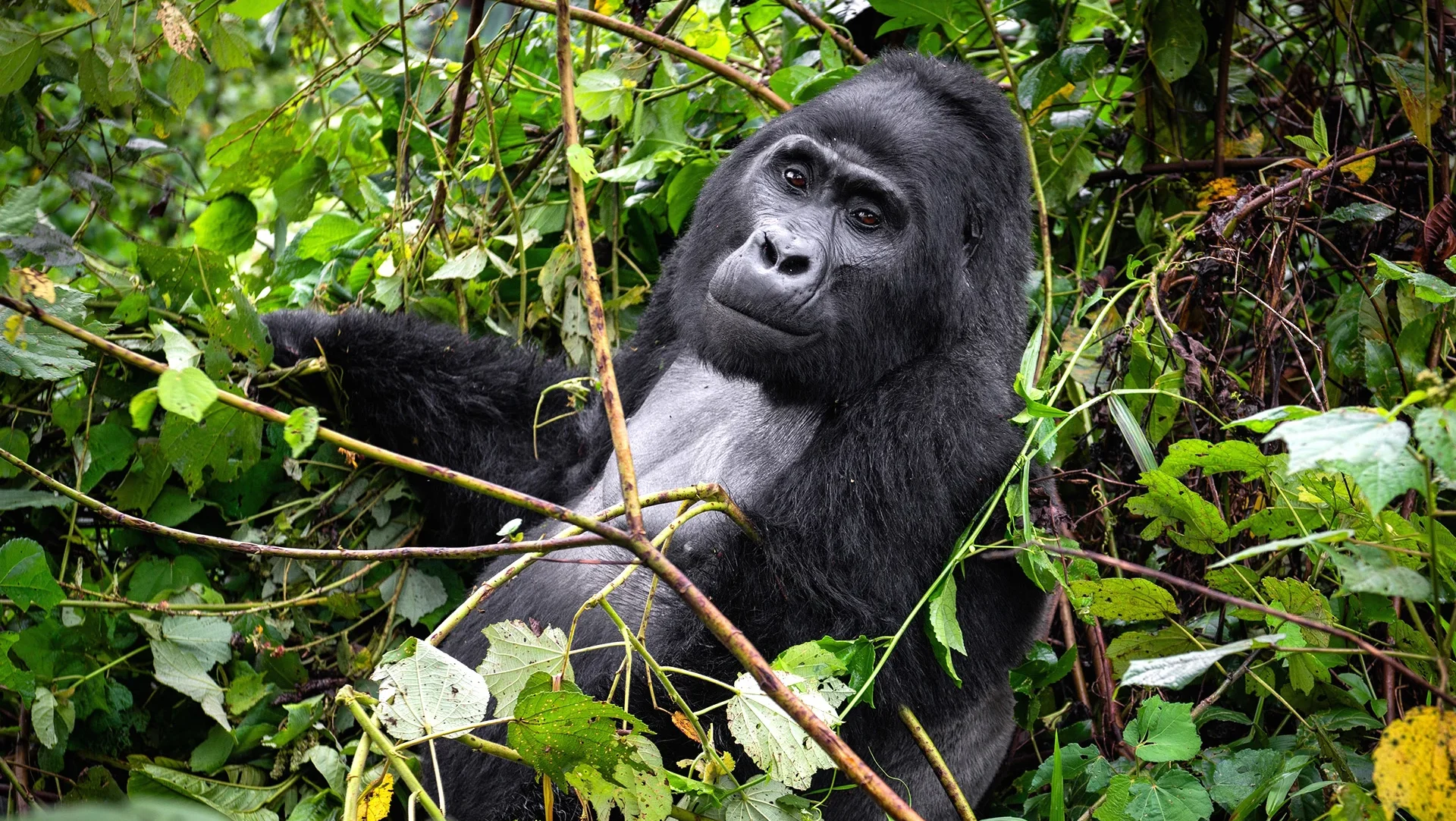
Gorilla conservation in action
Despite the challenges gorillas face across Africa, conservation in places like Bwindi, Virunga and Odzala has delivered real results. In several areas, gorilla populations are increasing. This has not happened by accident. It is the result of long-term, hands-on conservation that combines protection, science and carefully controlled tourism.
Strict tourism management is a big part of the story. Visitor numbers are tightly limited, time with gorillas is short and minimum viewing distances are non-negotiable. Health checks and protocols are mandatory, whether you like it or not. These rules exist for one reason: to keep gorillas safe. The upside is that tourism still generates serious conservation revenue, funding protection on the ground and supporting local communities.
Protection matters most where it happens daily. Bwindi Impenetrable National Park, Virunga National Park, Volcanoes National Park and Odzala-Kokoua National Park are all strictly protected landscapes, patrolled every day by rangers. Their work includes removing wire snares, deterring poaching and tracking gorilla movements. In Virunga, this often happens against a backdrop of instability, making ranger protection one of the toughest and most essential jobs in conservation.
Veterinary teams provide another critical safety net. Specialist gorilla vets monitor health and step in when animals are injured or seriously ill. This work has been especially important in Bwindi and the Virunga region, where close observation of habituated groups allows problems to be spotted early, before they become fatal.
Research and habituation sit quietly behind the scenes. Only around 20 percent of gorillas are habituated to human presence, following a slow and deliberate process that can take years. This allows researchers to collect vital data on behaviour, reproduction and population trends, while enabling tightly managed tourism that helps pay for long-term protection.
None of this works without local communities. Across Bwindi, Virunga and Odzala, tourism revenue supports schools, healthcare, jobs and alternative livelihoods. When conservation delivers real benefits, pressure on forests drops and local people become the strongest allies gorillas could ask for.
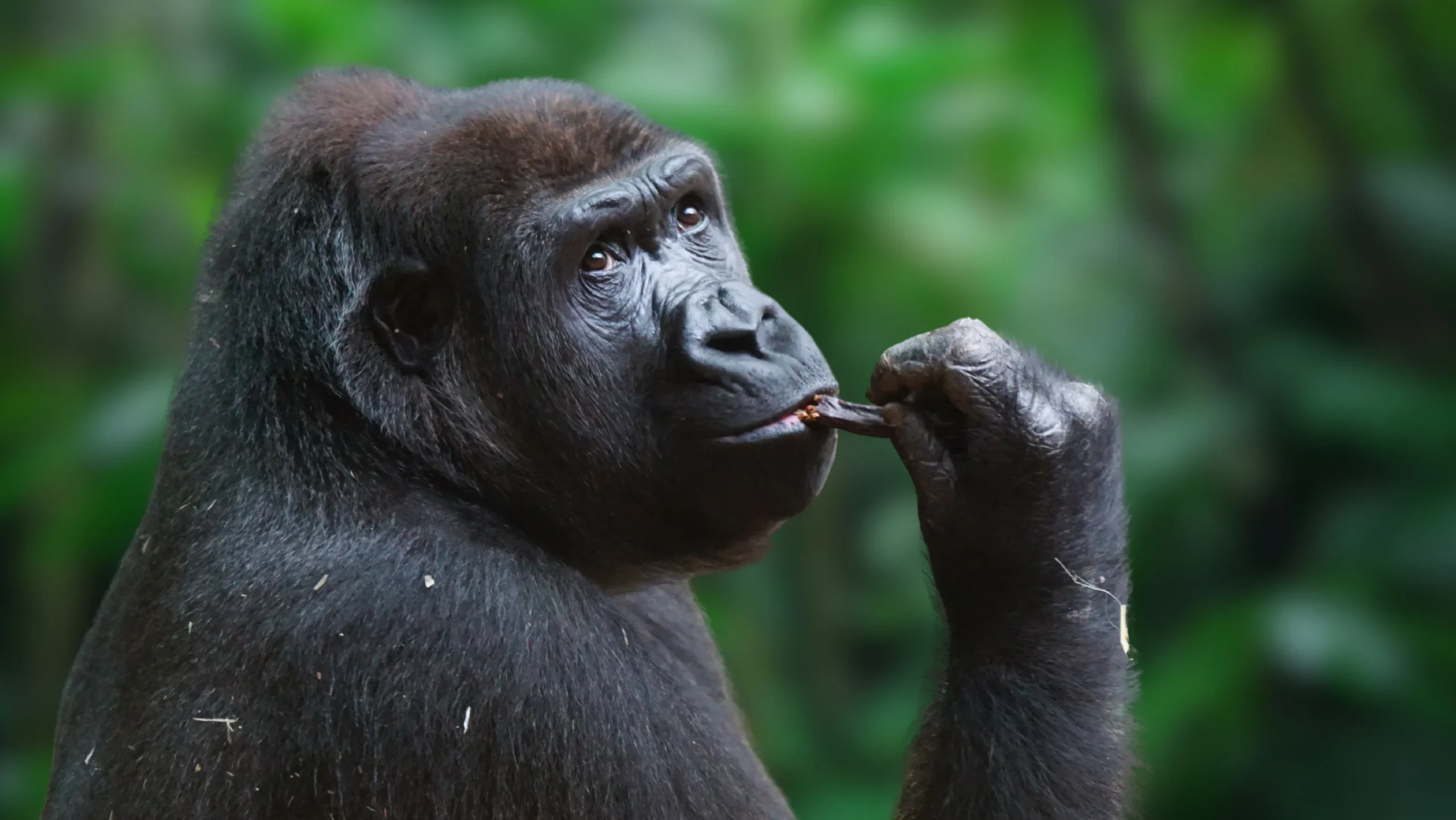
Tourism supports gorilla conservation
Gorilla tourism is one of the clearest examples of wildlife tourism directly funding protection. Permit fees, lodge contributions, and visitor spending support ranger salaries, veterinary programmes, research, and community development.
In all three regions, gorillas are worth more alive than exploited. Tourism provides a powerful economic argument for keeping forests intact and wildlife protected, even in areas facing immense external pressure.
Thanks to decades of sustained effort, gorillas are no longer on the brink of immediate extinction. But they remain entirely dependent on continued protection. Their survival hinges on intact habitat, vigilant management, community support, and responsible tourism.
Bwindi, Virunga, and Odzala represent three very different landscapes, but one shared truth. Without conservation, gorillas disappear. With it, they can recover. Every visit, every permit, and every protected forest edge contributes to one of the most important conservation stories of our time.
Further reading
- What is gorilla tracking
- Where is the best place for gorilla tracking
- When is the best time to go gorilla tracking
- How much time do I need for tracking gorillas
- How much does it cost to track gorillas
- Where to stay when tracking gorillas in Africa
- What practicalities should I consider when gorilla tracking
Extraordinary tailor-made adventures,
from earthy and edgy to easy and extravagant
From around USD 2500 per person, you set the ceiling
Sample Trips
Here are some of our popular trip shapes
Get started on your trip
It’s never too soon to get in touch, we are here to help with every stage of your planning.
Best Lodges
We regularly inspect and photograph all of the the best lodges, to ensure that we always recommend the most suitable options



Key Locations
Take a look around related locations. Click ‘View more’ to explore locations further afield.