
Logistics and practicalities when visiting the Okavango Delta
Before you travel to the Okavango Delta
Getting to the Okavango Delta requires a bit more planning than a standard safari destination, but it’s entirely straightforward once you understand the practicalities. This isn’t remote in the sense of being chaotic or uncertain. It’s remote in the sense of being genuinely protected and carefully managed. That means there are specific flight protocols, baggage rules, health considerations and activity guidelines worth understanding before you arrive.
This guide covers everything you need to know: how you’ll get there, what you’ll need to bring, health precautions, packing essentials and the rules that keep both you and the ecosystem safe. Most of it is common sense. Some of it is specific to small aircraft and malarial regions. All of it will make your trip smoother and safer.
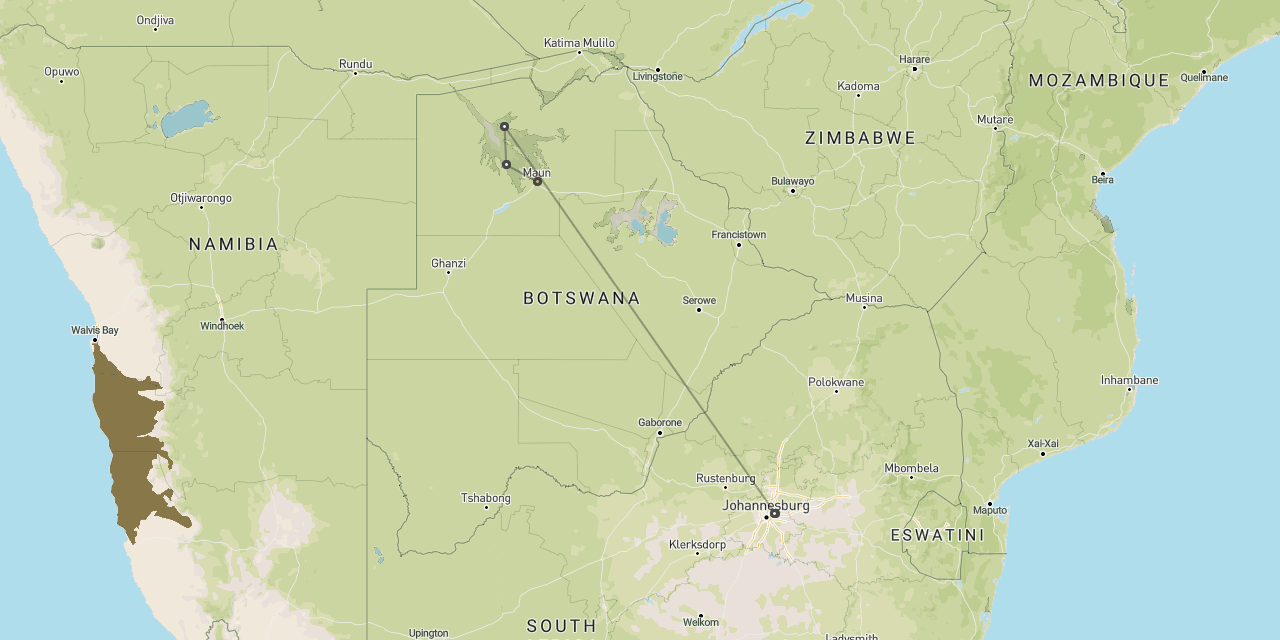
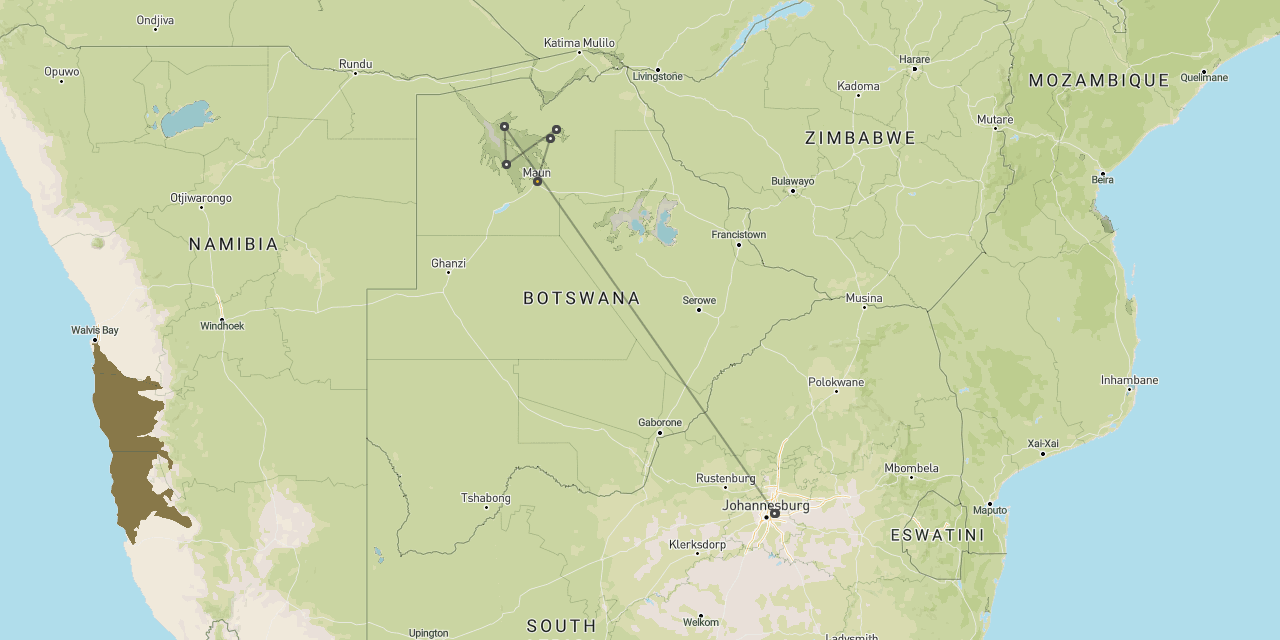
Your trip typically starts with scheduled flights into Maun International Airport, from where you’ll hop on small charter planes into the Delta itself.
Passports & Visas : Botswana is pretty chilled about tourism, many nationalities can enter visa-free for up to 90 days, but your passport must have at least six months validity and a handful of blank pages. Always double-check with your embassy before booking.
Confirm your flights : When you’re connecting from international flights to charter operators, reconfirm everything at least 72 hours before departure, and then do it again. These tiny aircraft run on tight schedules and tighter margins.
Internal Flights & Baggage Limits : Here’s where safari packing meets small plane reality. Those little Cessna hops into the Delta come with very strict luggage limits, and pilots have seen every creative packing attempt imaginable. If you arrive with a hard shell wheelie bag that looks like it’s been doubling as gym equipment, it probably isn’t getting on the plane. Soft sided bags only, because rigid suitcases simply don’t fit into the tiny cargo pods under the aircraft.
The total luggage allowance is usually 20 kg per person, and that includes everything from camera gear to toiletries to whatever you insist on carrying onto the plane. If you’re travelling heavier than that, you may be able to book an extra seat for the luggage or leave a bag in storage in Maun.

Health considerations when visiting the Okavango Delta
Botswana’s Delta is gorgeous, but it’s a malarial country, especially from November to May, which is the hot, humid rainy season, a happy time for mosquitoes. Talk to your doctor about anti-malarial meds before you travel. There is no vaccine for malaria. Make sure to wear long sleeves, mosquito repellents and use those mosquito nets at night. Other vaccinations (typhoid, hepatitis A / B) might be recommended depending on your personal health situation. Check with a travel clinic well ahead of time.
What to pack when visiting the Okavango Delta
Here’s the truth about safari packing: if it’s bright enough to signal aircraft, the wildlife will spot you long before you spot them. Stick to neutral, earthy colours that blend into the bush and don’t shout at wildlife or attract the ever-enthusiastic tsetse flies. Pack a warm jacket or fleece too, because early morning game drives can feel surprisingly chilly even when it’s technically summer. If you’re travelling during the green season, lightweight waterproofs are a smart addition. Comfortable walking shoes are essential for time out in the bush, while open toed sandals are perfect around camp, though less ideal when brushing past thorny bushes. And of course bring the basics: a hat, sunglasses and sunscreen, because the African sun does not believe in half measures

Photography
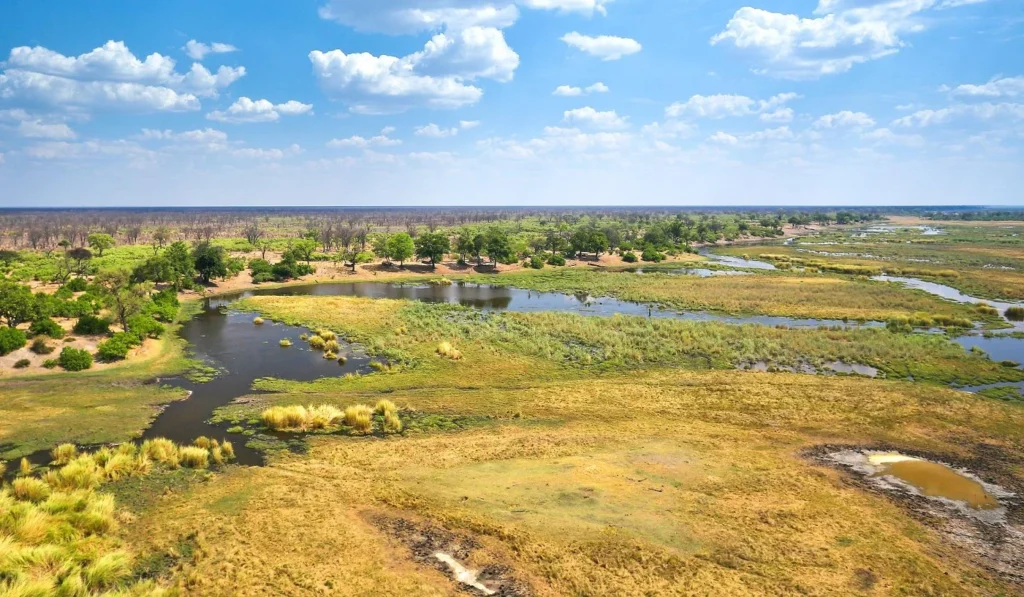
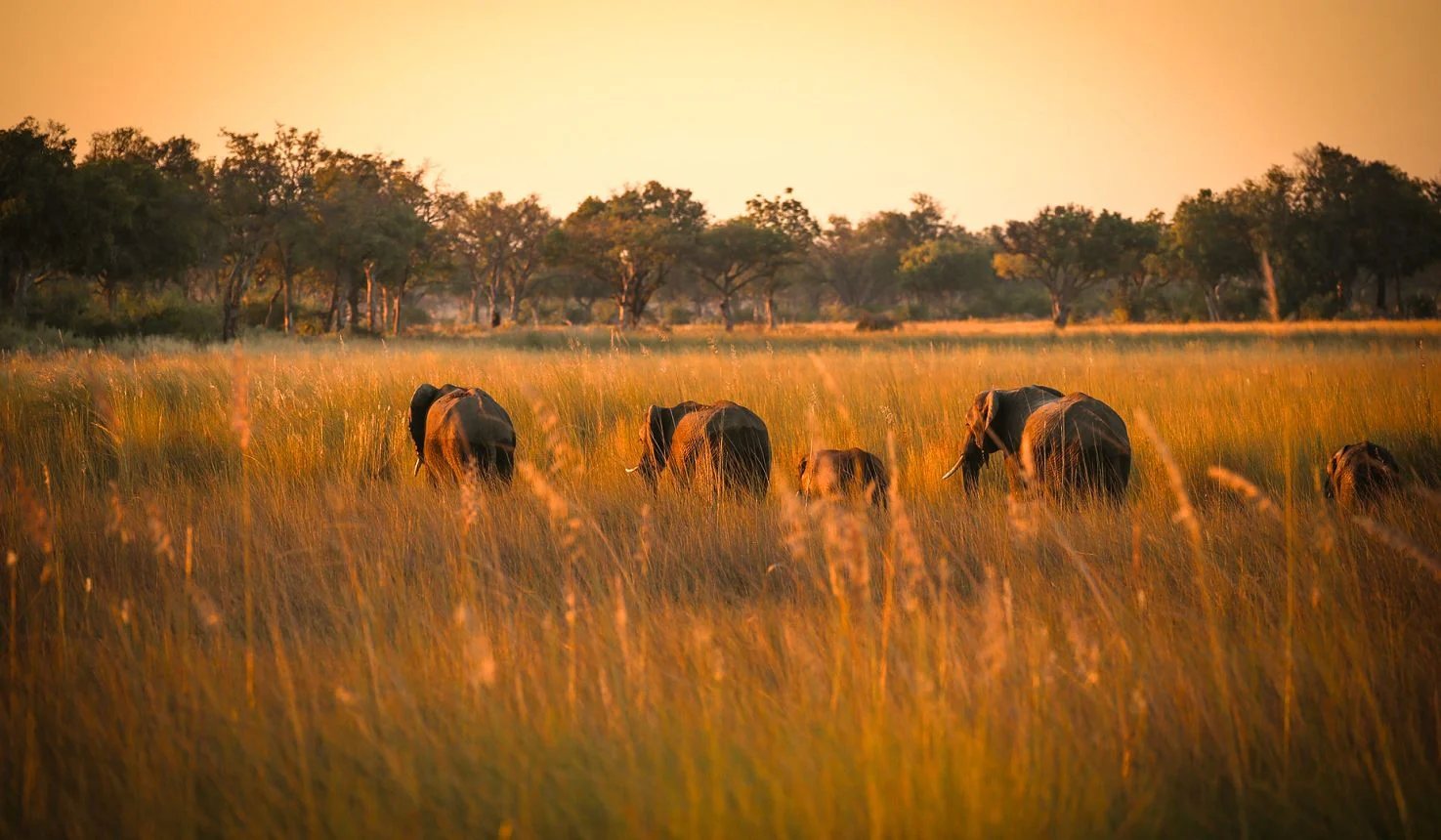
In the Okavango Delta, your camera will probably work harder than you do. The place is a playground of light and wildlife wonders. Early mornings and late afternoons bring the best light, when big cats start to stir, elephants carve quiet paths through the channels and the floodplains glow in that soft golden haze photographers dream about. Always pack extra batteries and plenty of memory cards too, because between the wildlife, the landscapes and the endless reflections on the water, you’ll go through them faster than you think.
Guides, vehicles & activity rules
The Okavango Delta may feel wonderfully wild, but it’s not DIY safari territory. This is a place of licensed guides, strict vehicle protocols and a deep respect for the land. You’ll need to stay in your vehicle unless your guide explicitly says otherwise. That’s not a suggestion, it’s a life preserving rule. Off road driving and night drives are only permitted where the concession allows and always with an expert behind the wheel. Activities like walking safaris, mokoro canoe trips and motorboat safaris each come with their own set of rules, so listen carefully to your guide because they usually know which animals are resting nearby and which ones would rather not be disturbed. And remember, your guide is not just there to point out lions. They’re your wilderness translator, safety net and your best chance of spotting the small, remarkable moments that most people drive straight past
Further reading
- Okavango Delta
- When to visit the Okavango Delta
- How much does it cost to visit the Okavango Delta
- How long to spend in the Okavango Delta
- Where to stay in the Okavango Delta
- Logistics and practicalities
- Ecology of the Okavango Delta
- Conservation within the Okavango Delta
Extraordinary tailor-made adventures,
from earthy and edgy to easy and extravagant
From around USD 2500 per person, you set the ceiling
Sample Trips
Here are some of our popular trip shapes

Get started on your trip
It’s never too soon to get in touch, we are here to help with every stage of your planning.
Best Lodges
We regularly inspect and photograph all of the the best lodges, to ensure that we always recommend the most suitable options

Key Locations
Take a look around related locations. Click ‘View more’ to explore locations further afield.