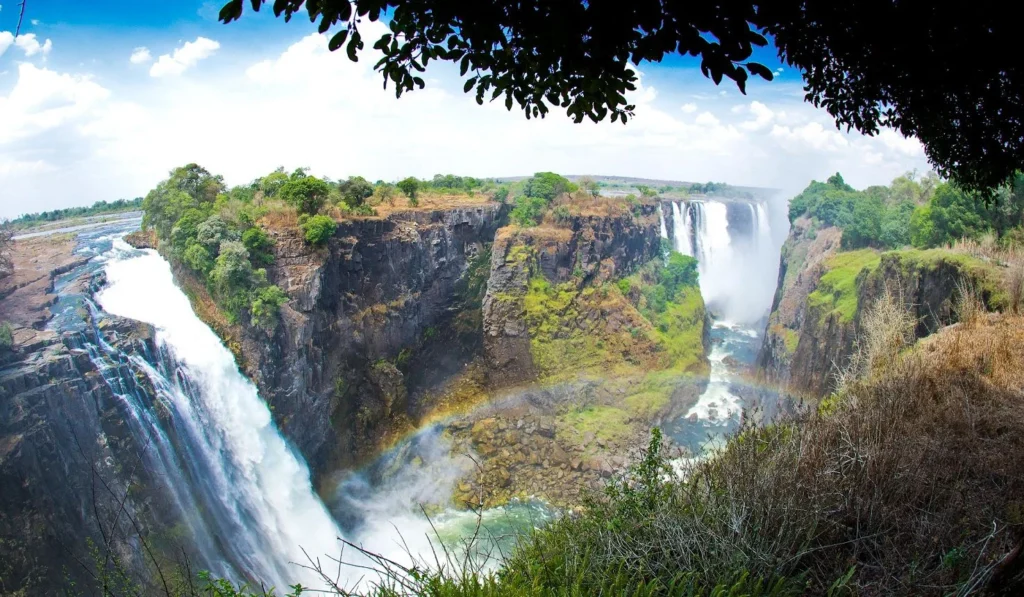

How much does it cost to visit the Okavango Delta
How much does it cost to safari in the Okavango Delta?
A safari in the Okavango Delta typically costs between USD 1,000 and 4,500 per person per night during peak season (June–October), dropping to around USD 500–750 during the green season (November–March). Rates are fully inclusive — accommodation, meals, guiding and activities are all covered.
Understanding costs in the Okavango Delta
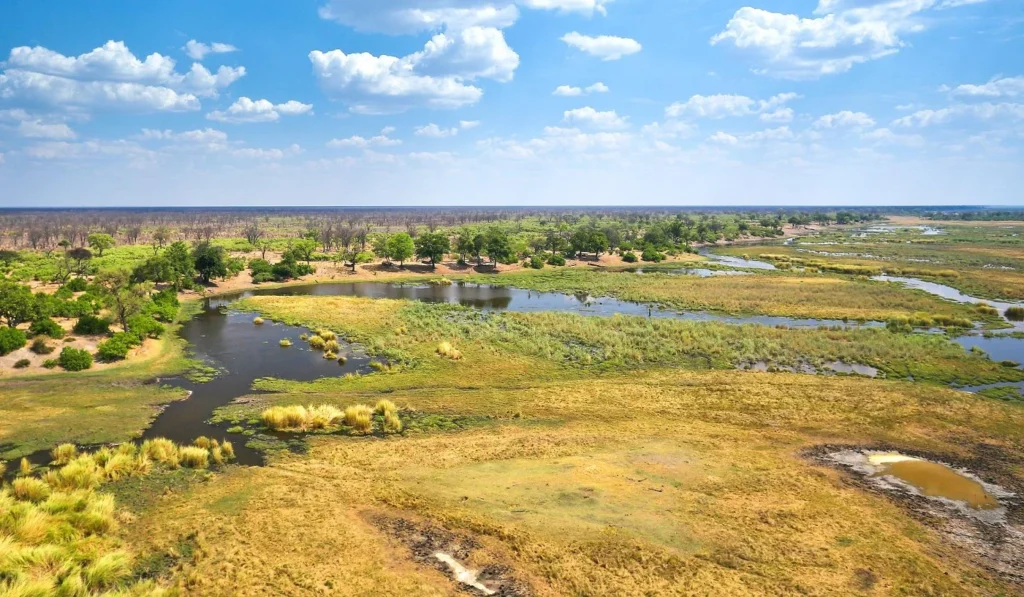
The magic of the Okavango is that it is constantly changing, flood levels rise and fall, wildlife moves with the water, and the landscape you see in June bears little resemblance to the one in November. That restlessness is precisely what makes it extraordinary. Understanding Okavango Delta safari costs starts with one simple truth. Prices here are higher than most of Africa because the Delta is harder to access, more protected, and more logistically complex. Unlike more accessible safari destinations, the Okavango Delta has no public roads, limited air access, and strict visitor limits. Almost every guest arrives by light aircraft, stays in a small camp, and explores the wilderness with private guides, boats, and vehicles operating under conservation-focused concessions.
Additionally, The Delta is one of the most carefully managed ecosystems in Africa. Significant portions of every safari fee go directly toward park management, anti-poaching efforts, wildlife monitoring, and local community programs. These conservation investments help preserve the fragile wilderness you are there to experience and are a key reason why safaris here are more expensive than elsewhere in Africa.
The final cost of a safari is shaped by several key factors: where you stay, the time of year you travel, what is included in your rate, how you fly into and around the Delta, and the conservation fees that support this unique ecosystem. The sections below break these elements down in detail so you can clearly understand what you are paying for, where your money goes, and how to identify the best value Okavango safari for your travel style and budget.

Accommodation and camp rates in the Okavango Delta
Accommodation is the single biggest expense on an Okavango safari. Prices reflect the level of luxury, the exclusivity of small, intimate camps, and their location deep within the Okavango Delta, where access is limited and logistics are complex.
Most safaris operate on a fully inclusive model, covering accommodation, all meals and drinks, game drives, mokoro trips, park fees, and professional guiding. This structure makes the upfront cost higher, but it delivers exceptional value. Everything you need is included, and guests can focus entirely on wildlife, scenery, and the delta experience.
High end
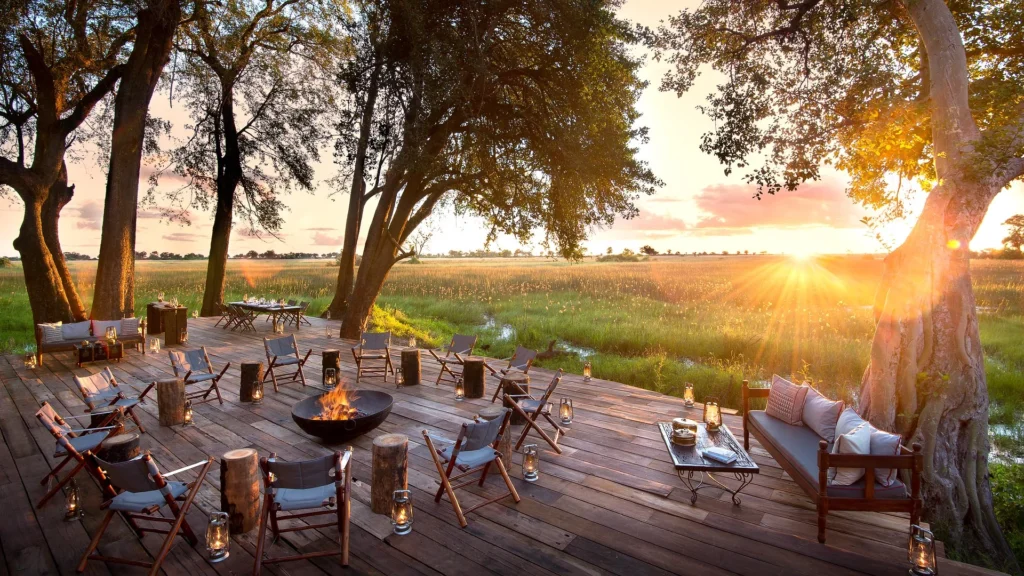
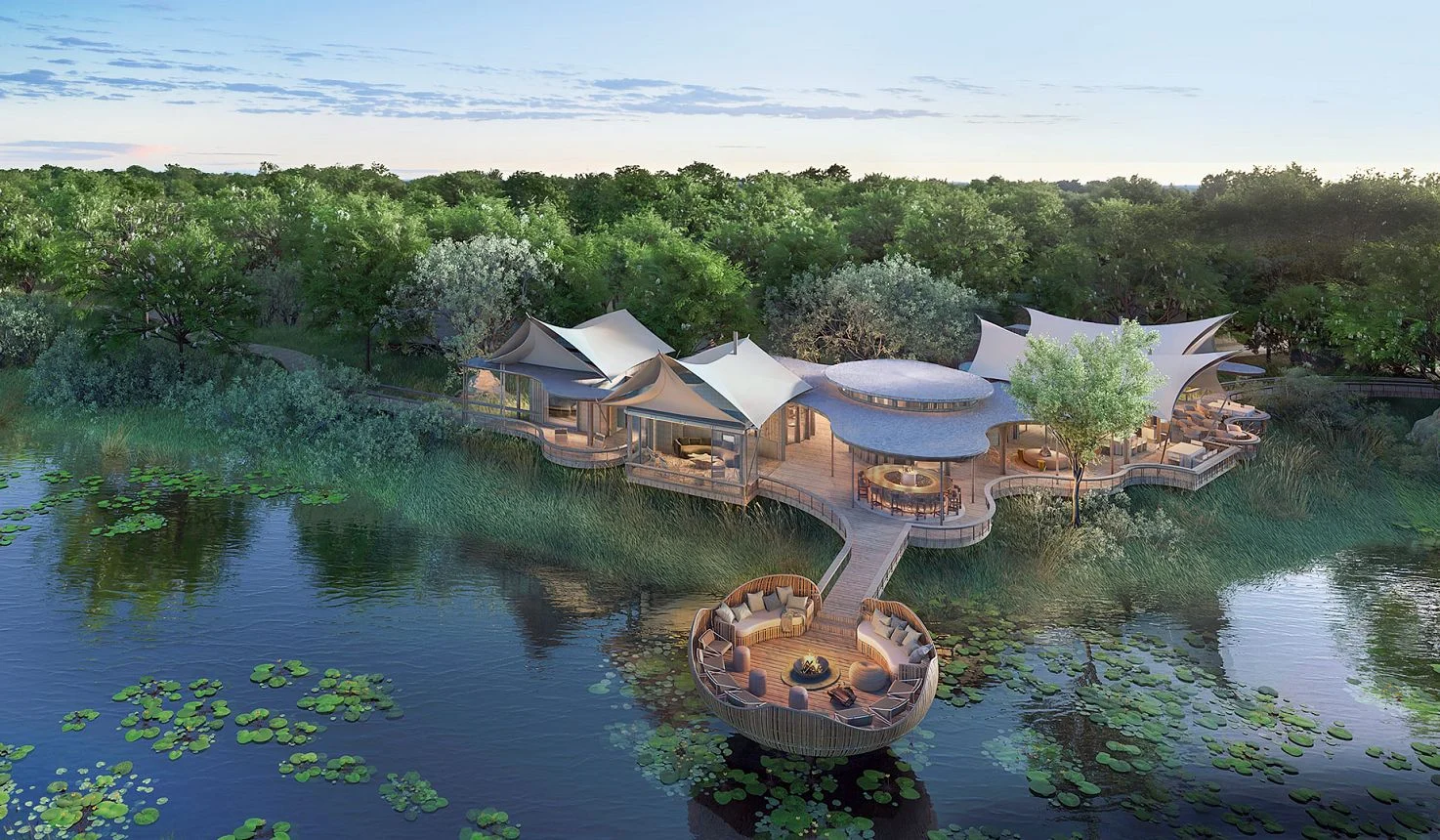
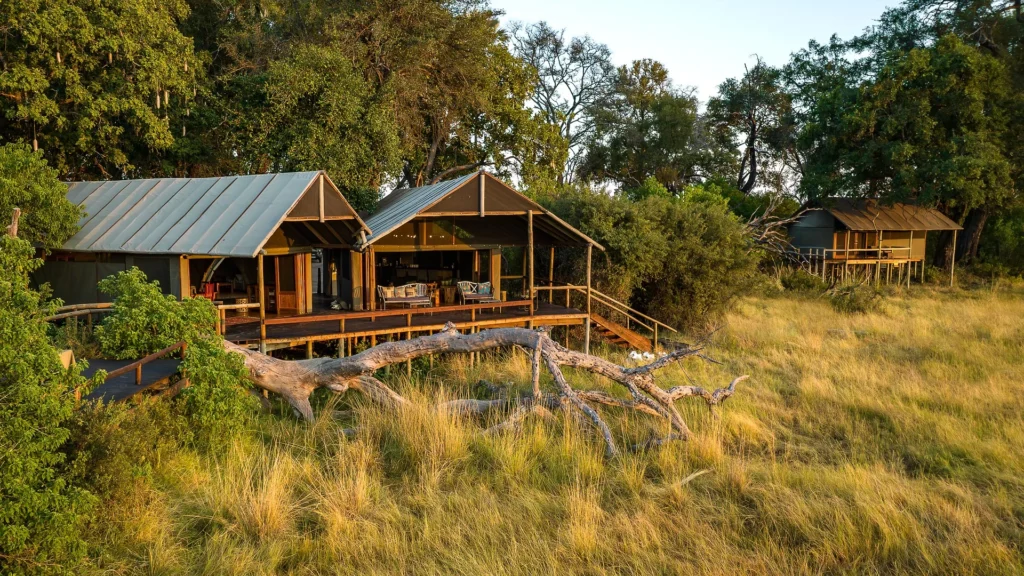
High end lodges typically range from USD 2,500 to 4,500 per person per night. At this level, rates are driven as much by guiding as by design and comfort. While guests stay in spacious suites with private plunge pools overlooking floodplains or lagoons, elegant communal areas and fine dining that rivals top restaurants, the guiding is exceptional. Led by some of the most experienced professionals in Botswana, often with decades spent in the same concessions. Private guides or very low guest to guide ratios allow for flexible game drives, extended time at sightings and access to remote corners of the delta. The result is a seamless, curated safari where expert guiding elevates every moment.
Mid range
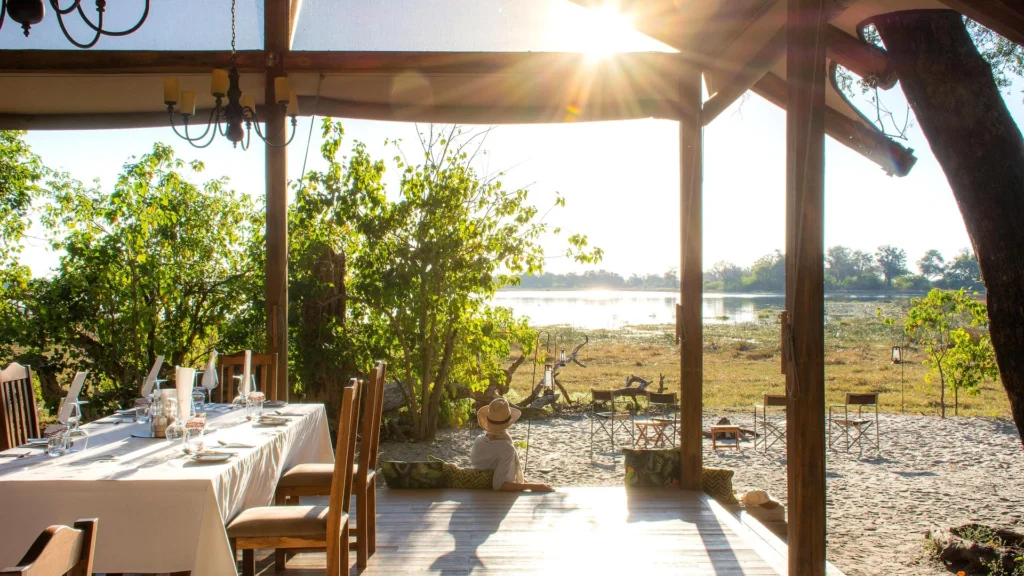
Mid range camps generally cost USD 1,000 to 2,500 per person per night. Accommodation is comfortable and well designed, with stylish tents or chalets, inviting lounge areas and consistently good cuisine. Guides are knowledgeable and professional, delivering excellent wildlife encounters and clear interpretation of animal behaviour. Group sizes are slightly larger and schedules more structured, but the focus remains on wildlife, atmosphere and a relaxed safari rhythm.
Budget conscious
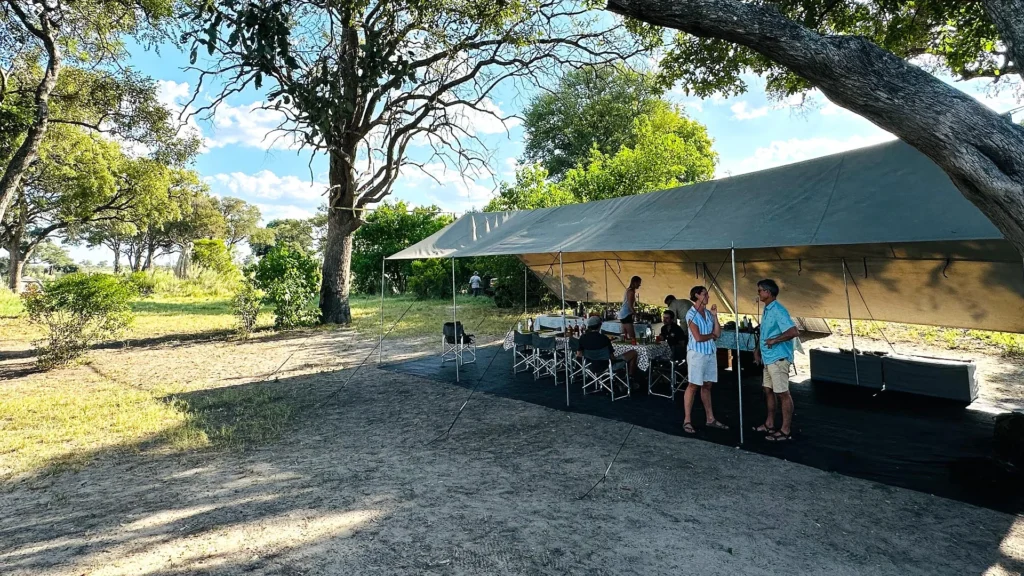
Budget conscious camps, most commonly available during the green season, range from USD 500 to 1,000 per person per night. Accommodation and dining are simpler but comfortable, with shared spaces and a sociable feel. Guided activities are led by qualified guides and follow set schedules, with larger group sizes and fewer personalised elements. Wildlife viewing remains rewarding, particularly when seasonal conditions are favourable.

How seasonal variation affects cost
Safari rates in the Okavango change with the seasons, reflecting wildlife behaviour, vegetation and overall safari conditions.
Peak Dry and Flood Season (June–October)
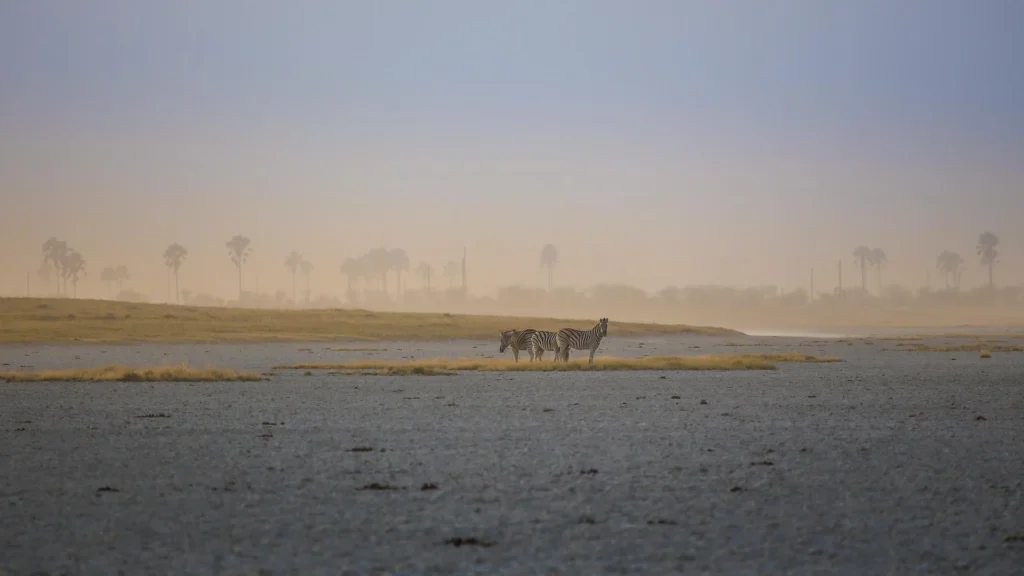
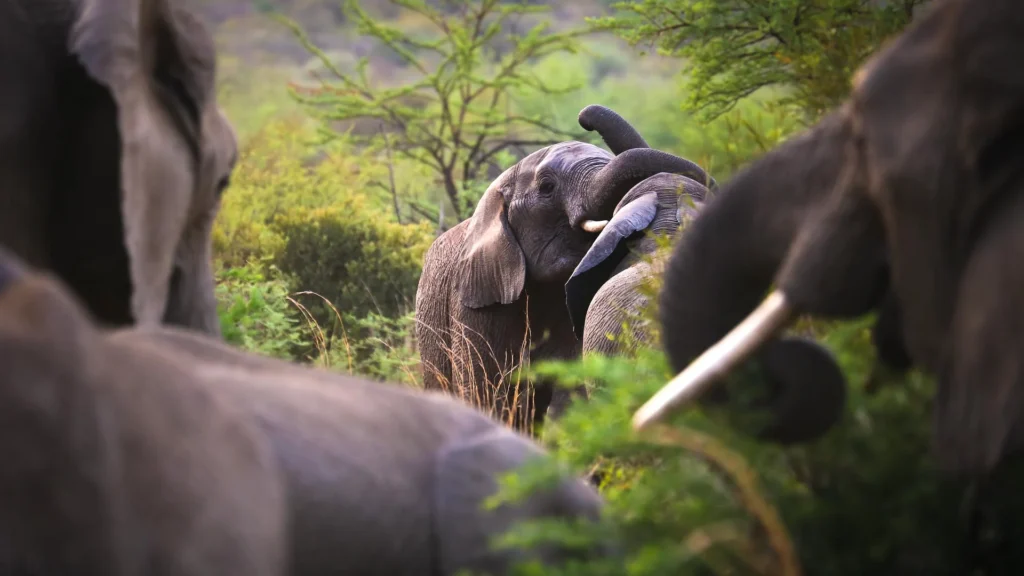
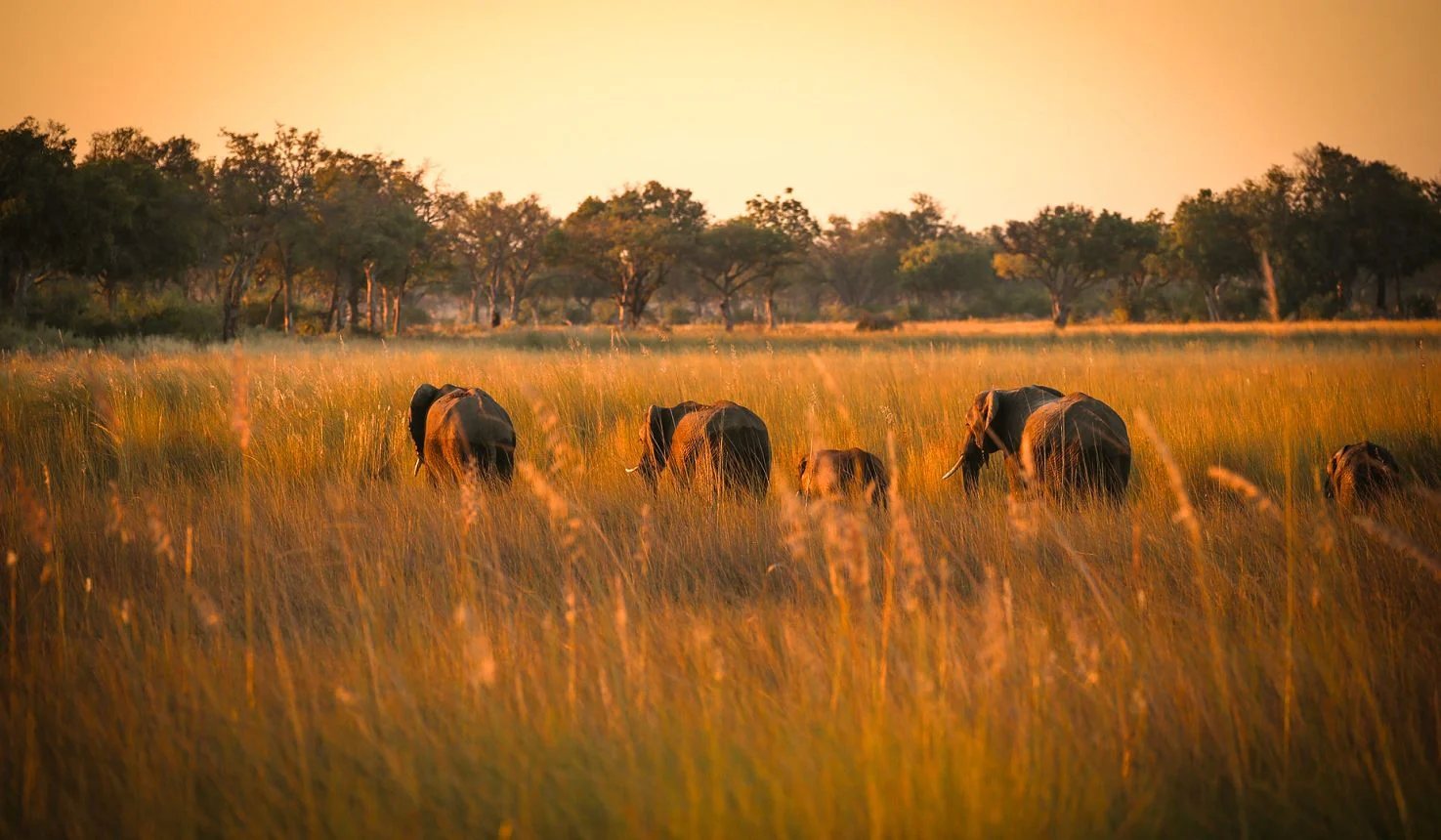
This is the Okavango at its most dramatic, and rates reflect it: USD 1,000 to 4,500 per person per night depending on camp style and location. Seasonal floods from Angola fill channels, marshes, and pans, concentrating wildlife around water sources. Herds of elephants, buffalo, and antelope gather where predators follow, creating some of Africa’s most predictable and thrilling sightings.
Clear tracks, low vegetation, and golden morning light make photography a dream. Mokoro trips, boat safaris, and guided water excursions let you explore areas inaccessible at other times. Guides can spoil you with highly personalised tracking, storytelling, and wildlife interpretation, it’s a season that rewards those who want the classic Okavango experience.
High demand and limited camp capacity push rates to the top end of the spectrum, roughly 30–50 percent higher than similar safaris elsewhere in Africa. Early planning is essential to secure the best lodges, guides, and itineraries.
Green Season (November–March)
The rains transform the delta into a lush, water-rich wonderland. Rates drop by 50 percent or more, usually USD 500 to 750 per person per night. Wildlife is more dispersed, and thick vegetation can make spotting game trickier, but the rewards are unique: vibrant landscapes, abundant birds, and newborn animals everywhere.
Guides pivot their approach to focus on birding, small mammals, and seasonal highlights, creating a more intimate experience. Quieter camps and fewer crowds make the Okavango feel like your own private wilderness. Photographers love the soft light after rain, dramatic skies, and green scenery.
March is a particular favorite for ATR travelers. By this point, wildlife is more consistently visible, the bush remains lush and vibrant, and camps are still quiet, making it a perfect combination of value, comfort, and memorable wildlife encounters.
Shoulder Season (April–May)
Shoulder Season (April–May) Rates sit toward the upper end of the range, typically USD 750 to 1,500 per person per night, reflecting excellent bush conditions, strong wildlife activity, and fewer crowds than peak.
April and May bring thinning vegetation, excellent visibility, and predator activity. May is particularly special for wild dog denning, offering rare and unforgettable viewing. Camps are quieter, guides have more flexibility, and the experience feels relaxed yet richly rewarding.
October sits at the tail end of the dry season and carries peak-season pricing (USD 1,000–4,500). Wildlife density is exceptional as animals cluster around the last remaining water sources, but temperatures are extreme — this is the hottest month of the year and not for everyone. If the heat doesn’t put you off, the game viewing can be extraordinary.
Shoulder months offer a balance of fewer crowds, excellent sightings, and seasonal highlights without the full peak-season rush. For travelers who value space, flexibility, and unique seasonal experiences, this window can deliver some of the most rewarding Okavango safaris.

Flights and transfers
Commercial flights to Maun
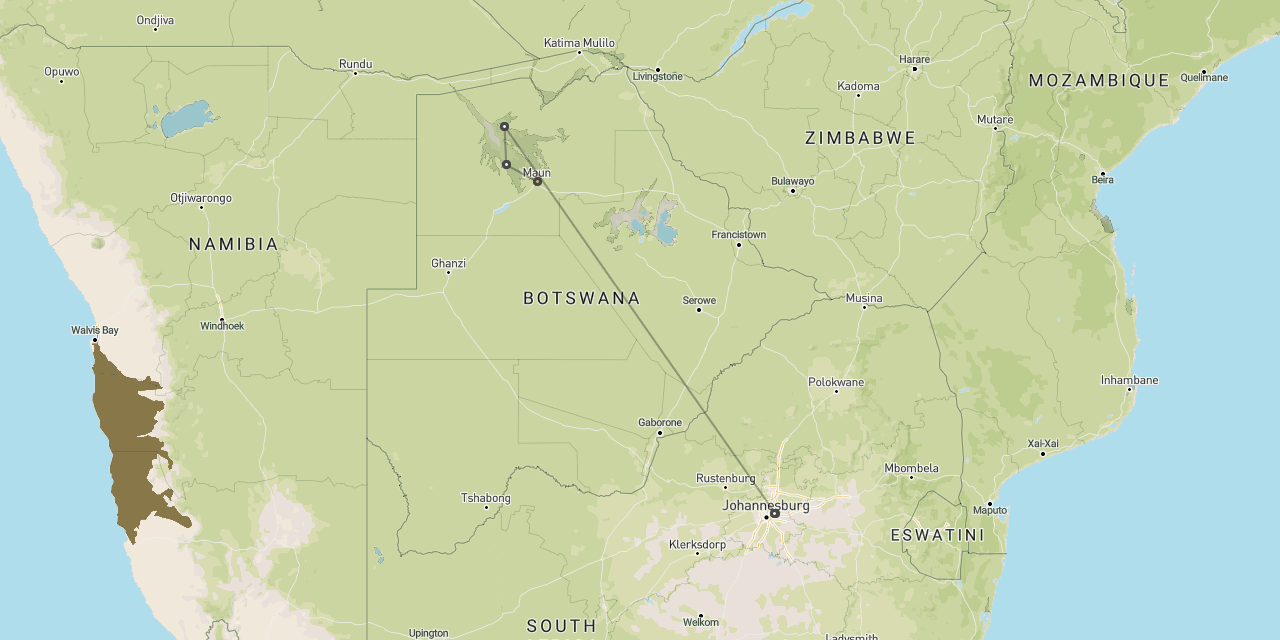
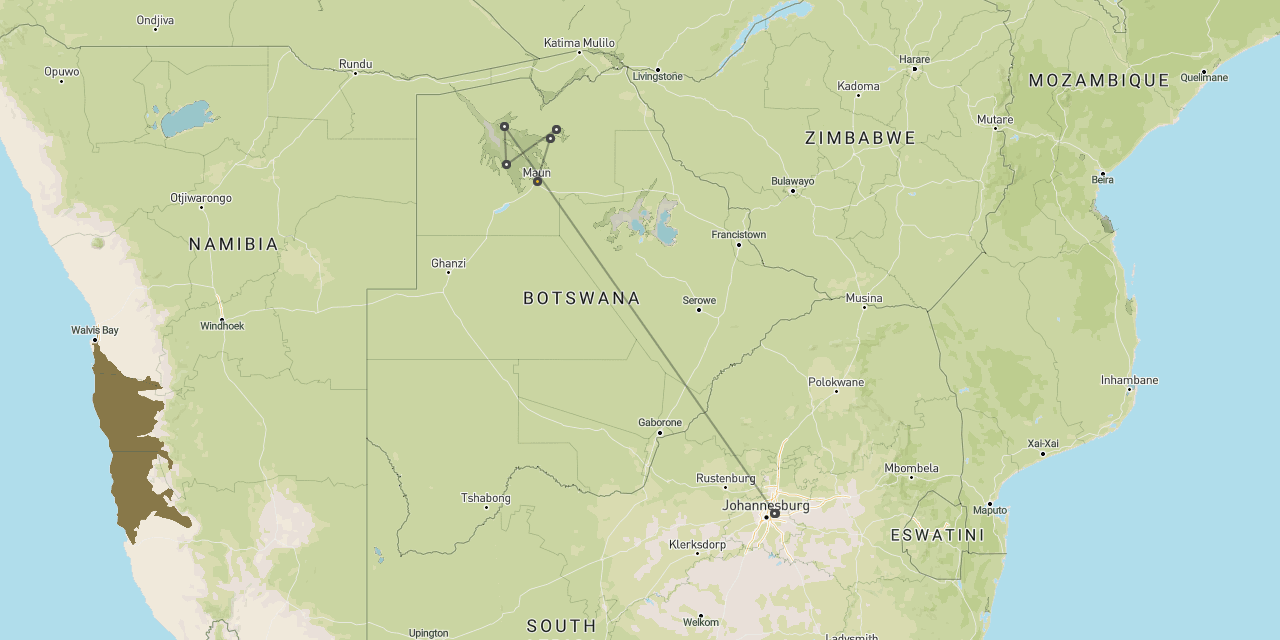
Most visitors fly into Maun, the primary gateway to the delta. One-way fares typically range from USD 300 to 800 per person, depending on airline, route, and season. Flight times from Johannesburg are around 2 hours, and from Windhoek approximately 1 hour 40 minutes. From the air, Botswana’s vast, open landscapes stretch out below, dry plains dotted with waterholes hint at the wildlife to come. Arrival in Maun usually requires connecting flights from major international hubs.
Chartered light aircraft to camps
From Maun, guests transfer to camps via small charter planes carrying 4–12 passengers. Flight durations vary by distance: nearby camps take 20–30 minutes, while remote concessions can require 45–60 minutes in the air. Costs are typically USD 150 to 400 per person per leg. These flights are essential because most camps are not accessible by road, and they offer a unique perspective of the delta’s mosaic of channels, lagoons, and islands. Travelers should consider weather conditions, luggage restrictions, and potential multiple stopovers when planning itineraries.
Boat and mokoro transfers
Some lodges include water transfers in the daily rate; otherwise, expect USD 50 to 150 per person. Transfers may be short but are essential for reaching camps or exploring the delta’s intricate waterways. Gliding silently through papyrus-lined channels or atop calm lagoons gives a sense of the delta’s rhythm that cannot be experienced from land. Mokoro trips may be affected by seasonal water levels, and some waterways are only navigable during the flood season.
Luggage and other considerations
Light aircraft generally have strict luggage limits of 15–20 kilograms per person. Excess baggage incurs additional charges. Travelers should pack carefully, considering clothing, photographic gear, and essentials for remote locations. Flight schedules may be influenced by weather, particularly during the rainy season, so flexible planning is recommended.

Park fees and conservation levies
Every safari in the Okavango Delta directly helps keep it wild. Park fees usually sit between USD 25–50 per person per day, and conservation or community levies add another USD 10–30—often included in your lodge rate. These aren’t abstract charges; they fund anti-poaching units, wildlife monitoring, and local projects, making sure elephants, lions, hippos, and birds keep roaming freely while communities benefit too.
Further reading
- Okavango Delta
- The Okavango Delta experience
- When to visit the Okavango Delta
- How long to spend in the Okavango Delta
- Where to stay in the Okavango Delta
- Logistics and practicalities
- Ecology of the Okavango Delta
- Conservation in the Okavango Delta
Extraordinary tailor-made adventures,
from earthy and edgy to easy and extravagant
From around USD 2500 per person, you set the ceiling
Sample Trips
Here are some of our popular trip shapes

Get started on your trip
It’s never too soon to get in touch, we are here to help with every stage of your planning.
Best Lodges
We regularly inspect and photograph all of the the best lodges, to ensure that we always recommend the most suitable options

Key Locations
Take a look around related locations. Click ‘View more’ to explore locations further afield.