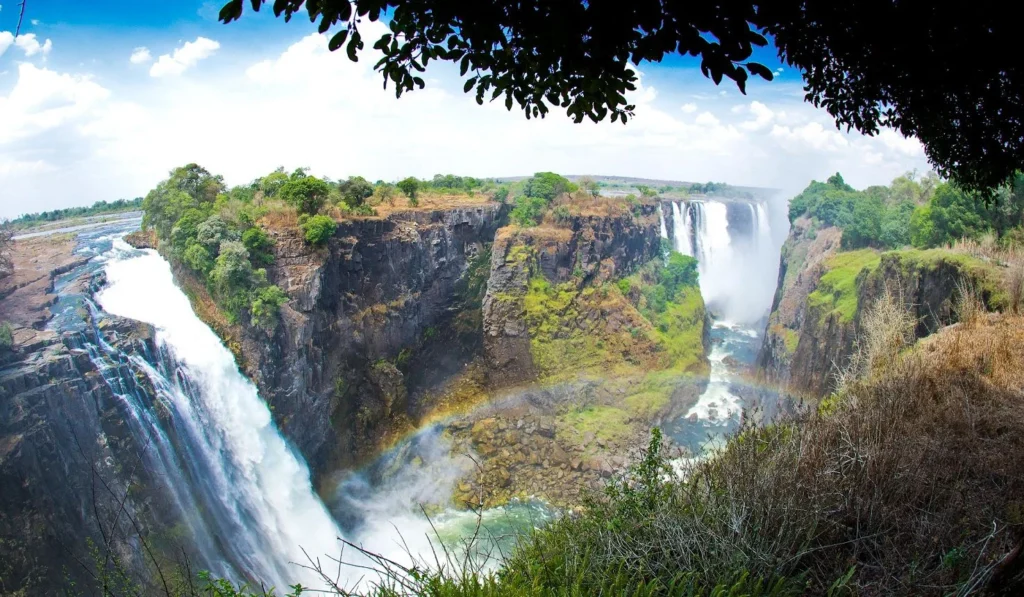

Okavango Delta
What is the Okavango Delta?
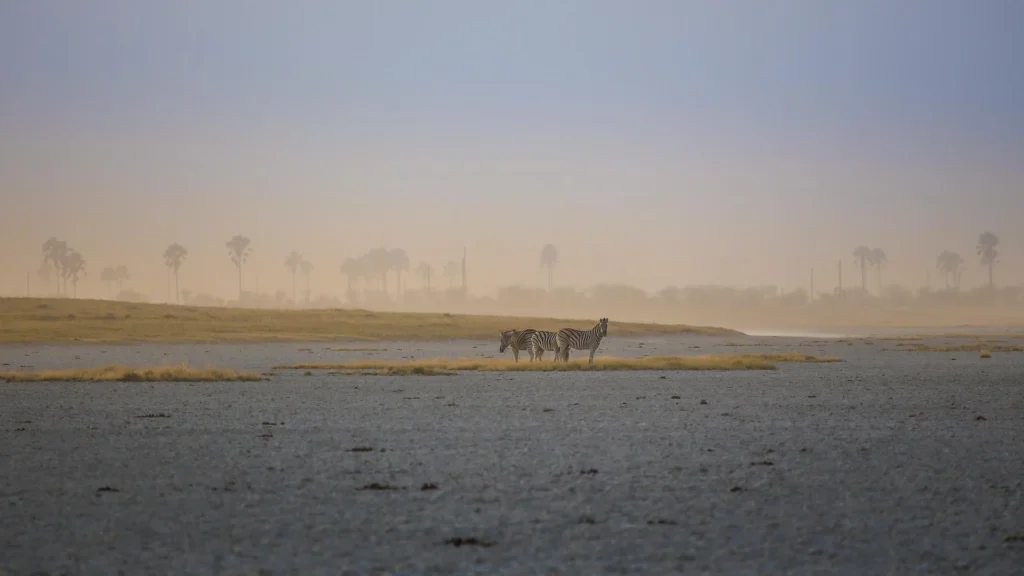
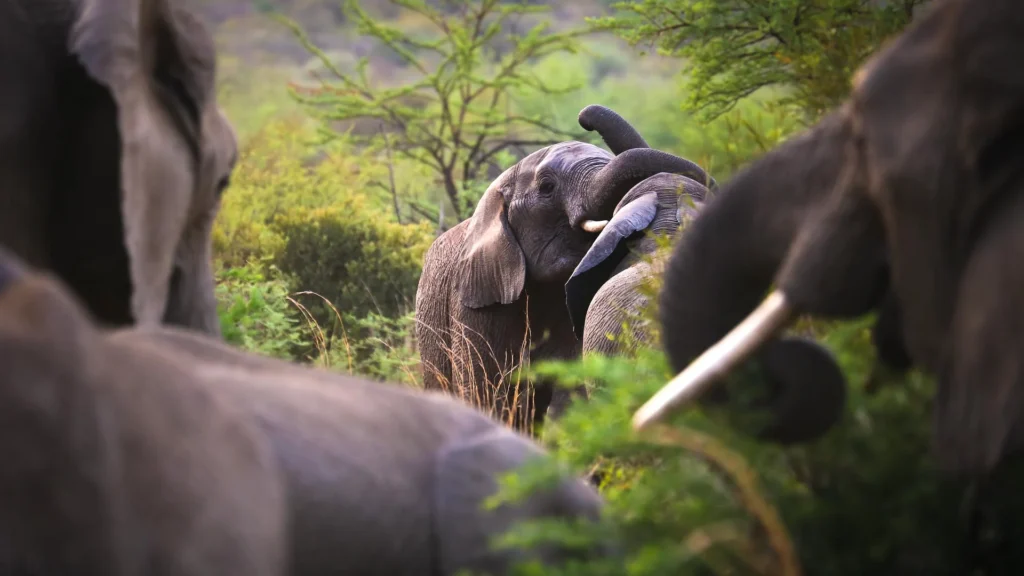
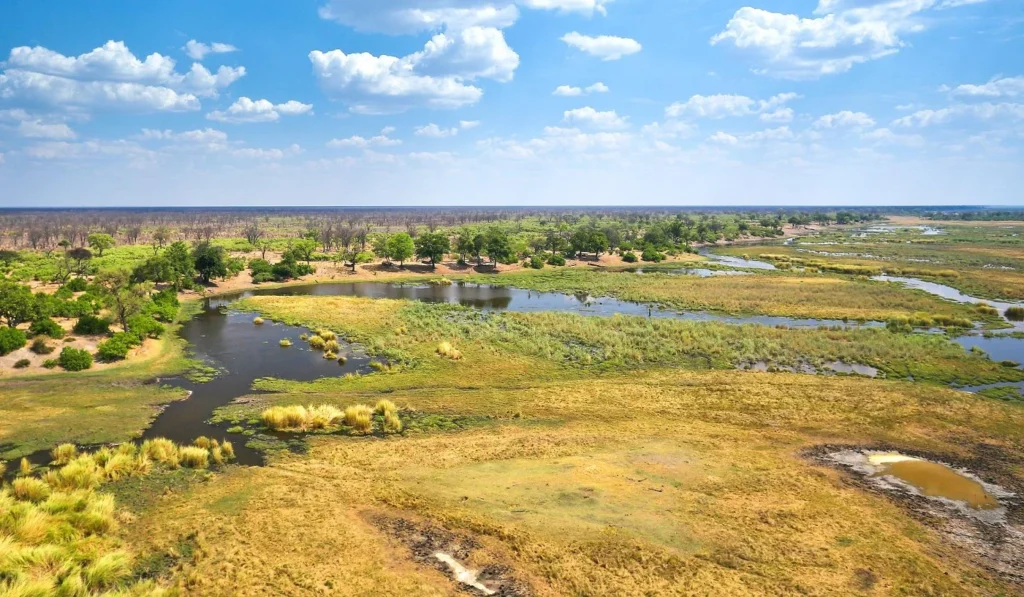
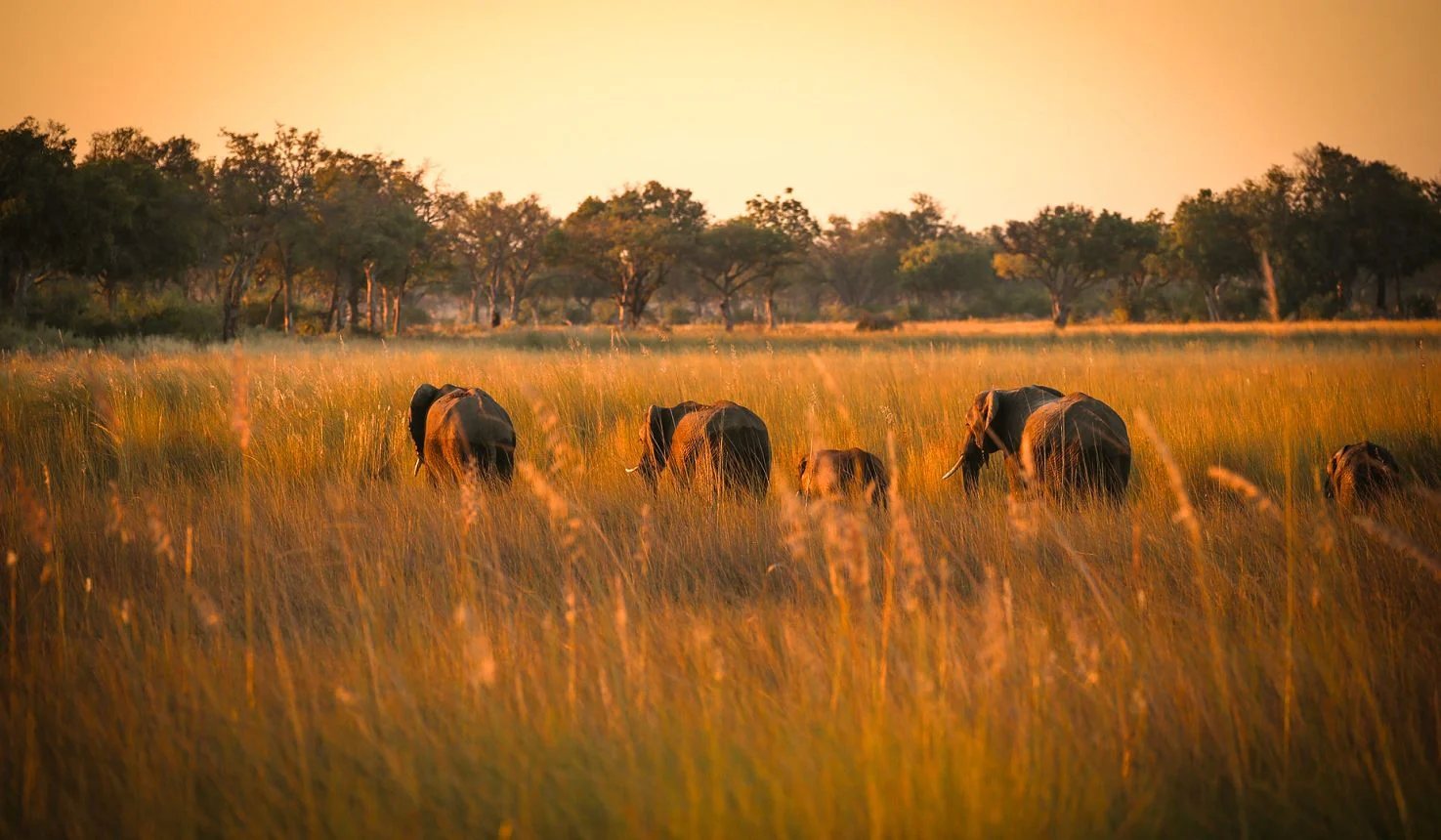
The Okavango Delta is an inland river system in northern Botswana that never reaches the sea. Instead, the Okavango River fans out across the Kalahari Desert, spreading into a vast network of channels, floodplains and islands that expand and contract with the seasons. Every year, floodwaters from Angola arrive during Botswana’s dry months, turning semi-arid scrubland into one of the most productive wildlife ecosystems in Africa. Elephants, lions, leopards, wild dogs, hippos and hundreds of bird species move freely across a landscape that is constantly shifting. There is no single best spot. There is no main road. There is just wilderness, managed with extraordinary care, and accessed by light aircraft.

The Okavango Delta safari experience
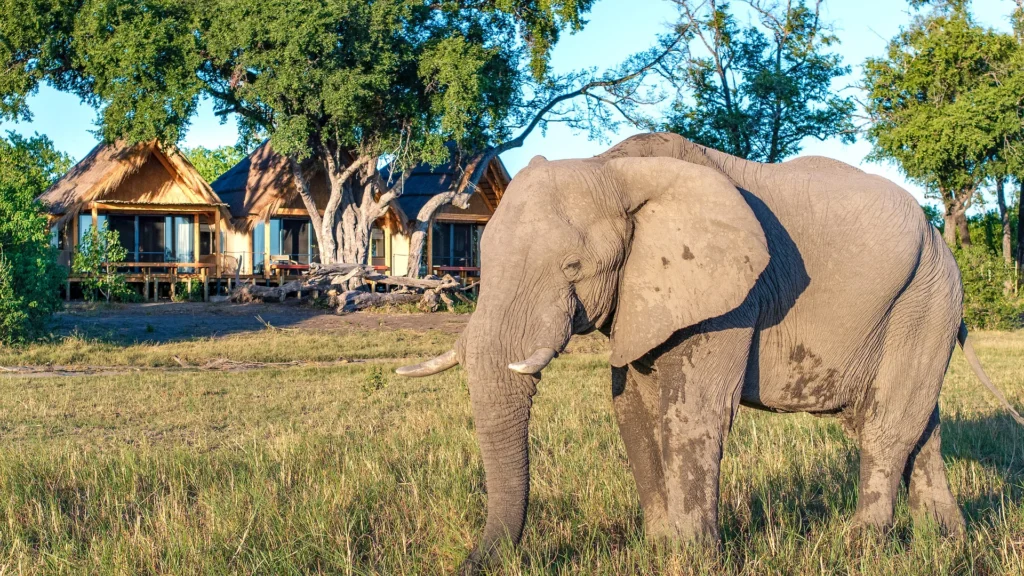
A safari in the Okavango Delta is all about water, space, and a glorious lack of humans to get in the way. In the prime private concessions, wildlife densities are staggering, especially in the dry season when animals crowd the permanent channels like it’s happy hour at the watering hole. No public roads, no day-trippers, no distractions… just you, the guides, and whatever decides to wander past your camp.
How you spend your days depends on the flood and where you’re pitched. Think classic game drives with tracks kicking up dust, mokoro canoe trips that sneak you through hidden channels, seasonal boat rides where hippos grunt just out of reach, and proper walking safaris led by guides who know every paw print and bird call. It’s not the cheapest or easiest safari in Africa, but it’s unlike anywhere else on earth.

When to go to the Okavango Delta
The Okavango Delta runs on a back to front flood cycle. Rain falls in Angola in January and February, but the water only reaches the Delta from around May onwards. Its arrival peaks in July and August, which is right in the middle of Botswana’s dry season. As surface water elsewhere in Botswana dries up, the Delta fills, and wildlife concentrates hard along the permanent channels and islands.
This dynamic drives everything. From June to October, you get exceptional game viewing, clear skies and the highest prices of the year. Camps are in demand and availability is tight but the sightings can be outstanding. From November through March the rains arrive locally, landscapes turn green, birdlife explodes and rates drop sharply. It is hotter, wildlife disperses and activities shift, but for those who understand the trade offs, the green season offers strong value and a quieter, more intimate experience.
Discover the best time to visit the Okavango Delta

How much does it cost to visit the Okavango Delta
Safaris in the Okavango Delta are among the most expensive in Africa and there are solid reasons for that. Camps sit in genuinely remote concessions with no road access, so most supplies, staff and guests are flown in by light aircraft. Running small, high quality camps in flood prone wilderness, with boats, vehicles, guiding teams and year round maintenance, is simply costly.
On top of that, Botswana operates a deliberate low volume, high value tourism model. Concessions are private, bed numbers are tightly controlled and visitor density is kept low. You are paying for exclusivity, space and minimal vehicle pressure at sightings. It is not a budget destination, but for travellers who prioritise guiding, privacy and wildlife density, it often justifies the price tag.
Learn how much an Okavango Delta safari costs

How long should I spend in the Okavango Delta
Camps in the Okavango Delta are genuinely isolated and set in wildlife rich private concessions. You are not driving between properties or bumping into other lodges. Each camp sits in its own patch of wilderness, often with a distinct mix of permanent water, seasonal floodplain and dry woodland.
There is also so much ecological variation within the Delta that staying put for two or three nights barely scratches the surface. Most travellers spend between six and twelve nights here, typically split across two or three camps. It makes the experience more rounded and makes the cost of getting into this remote region work harder for you.
See how long to spend in the Okavango Delta

Where to stay in the Okavango Delta
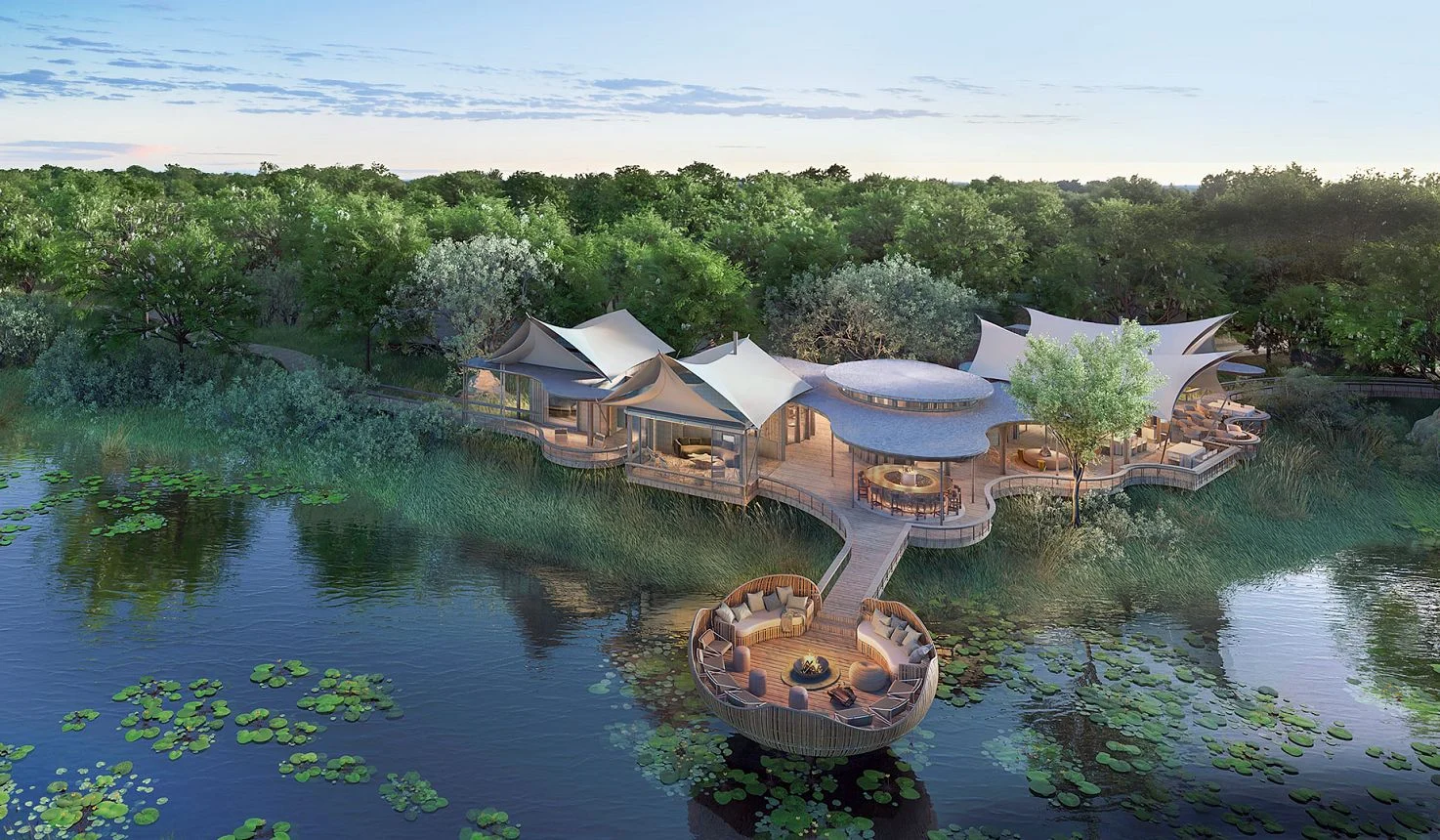
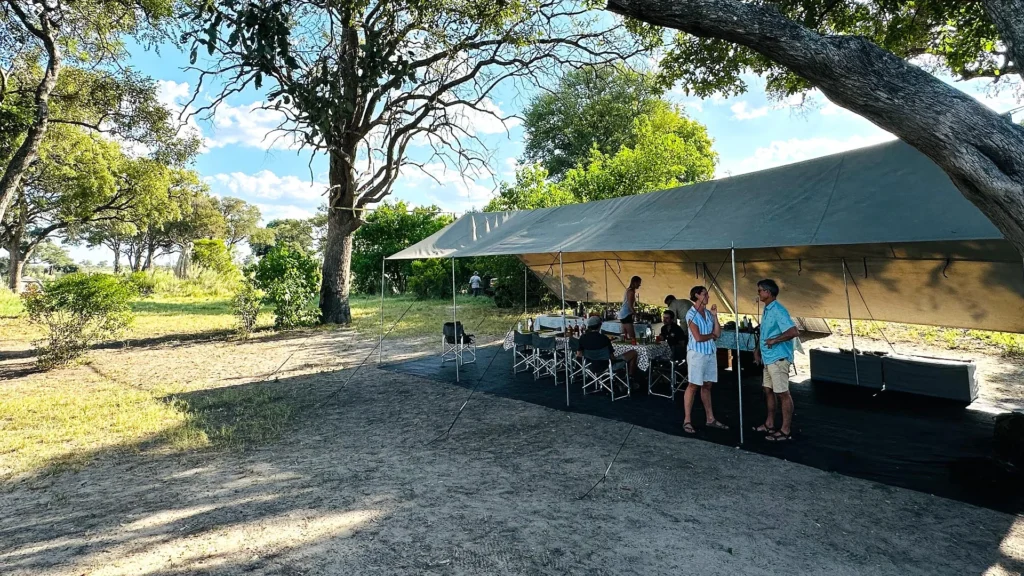
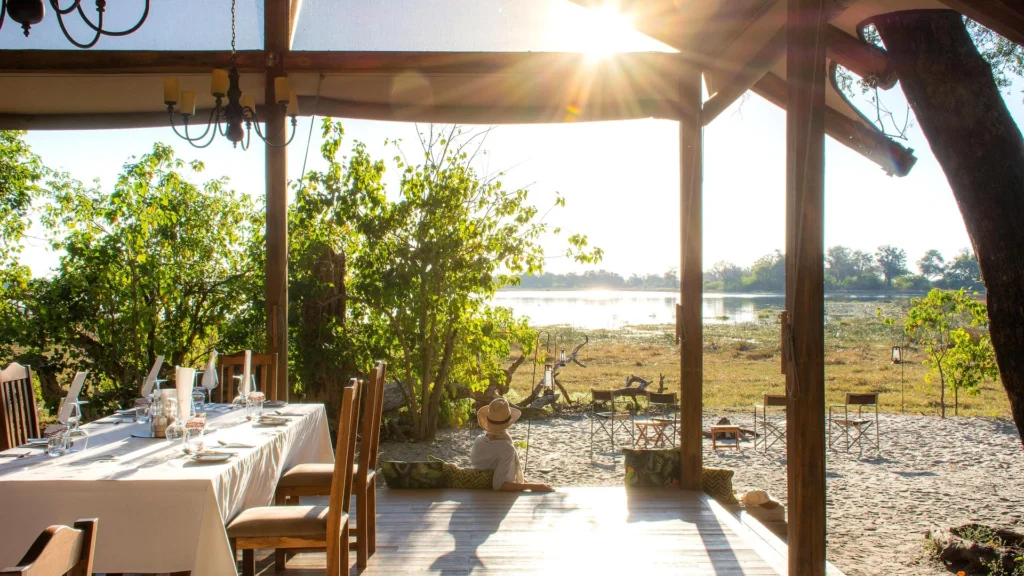
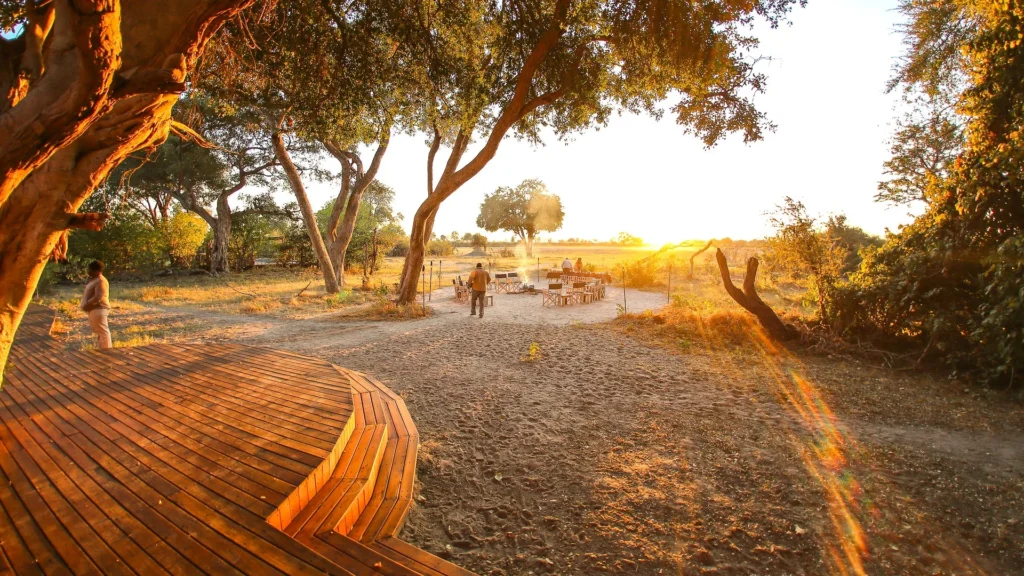
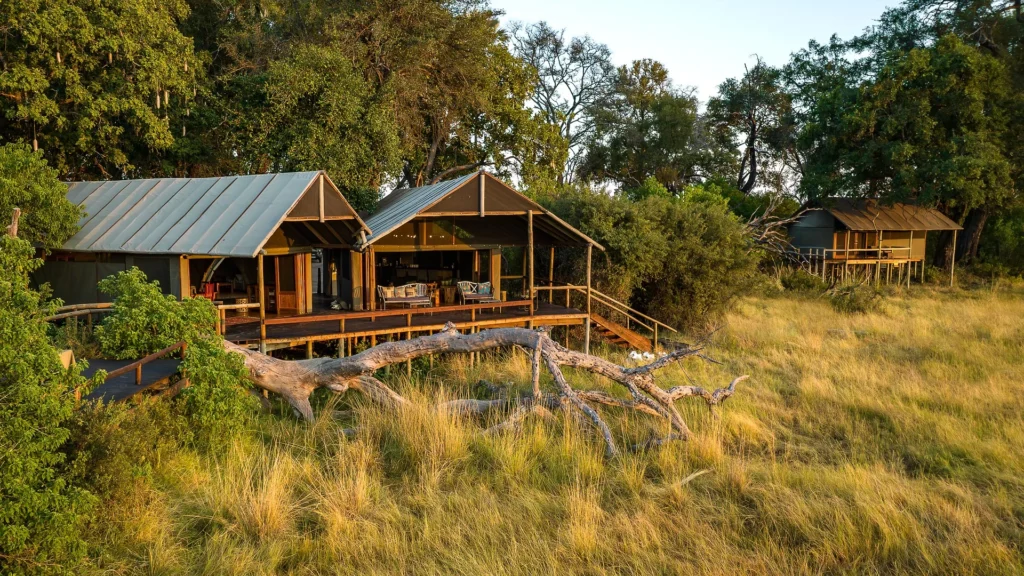
The Okavango Delta contains around sixty five high quality safari camps, ranging from genuinely opulent lodges to simple, well run tented bush camps. Each sits within a large private concession or protected area, often in a very specific habitat, permanent deep water, seasonal floodplain, mopane woodland or dry sandveld. That habitat dictates what you will see and how you explore, whether that is year round boating, strong predator game drives or proper walking country.
The quality of guiding and overall safari philosophy varies more than many people realise. Some operators focus heavily on luxury, others on serious wildlife tracking. Choosing the right combination of camps, in the right habitats, is critical if you want to get the best out of the Delta rather than just ticking off a famous name.
Explore where to stay in the Okavango Delta

Practicalities and logistics in the Okavango Delta
Before you jump on that plane headed to the Okavango Delta, it’s worth figuring out how logistics, health, safety and packing all come together in a remote safari environment. From light aircraft transfers to luggage limits and seasonal conditions, a little preparation goes a long way in keeping everything running smoothly.
What you need to know about practicalities and logisitics in the Okavango Delta

Ecology and conservation in the Okavango Delta
The Okavango is a finely balanced ecosystem, sustained by distant rainfall and protected by one of Africa’s most progressive conservation models. Private concessions, low visitor numbers and tourism revenue all play a central role in safeguarding its future. Every safari here supports that balance, and there’s plenty happening behind the scenes you won’t see.
Learn about Okavango Delta ecology
Understand Okavango Delta conservation
Extraordinary tailor-made adventures,
from earthy and edgy to easy and extravagant
From around USD 2500 per person, you set the ceiling
Sample Trips
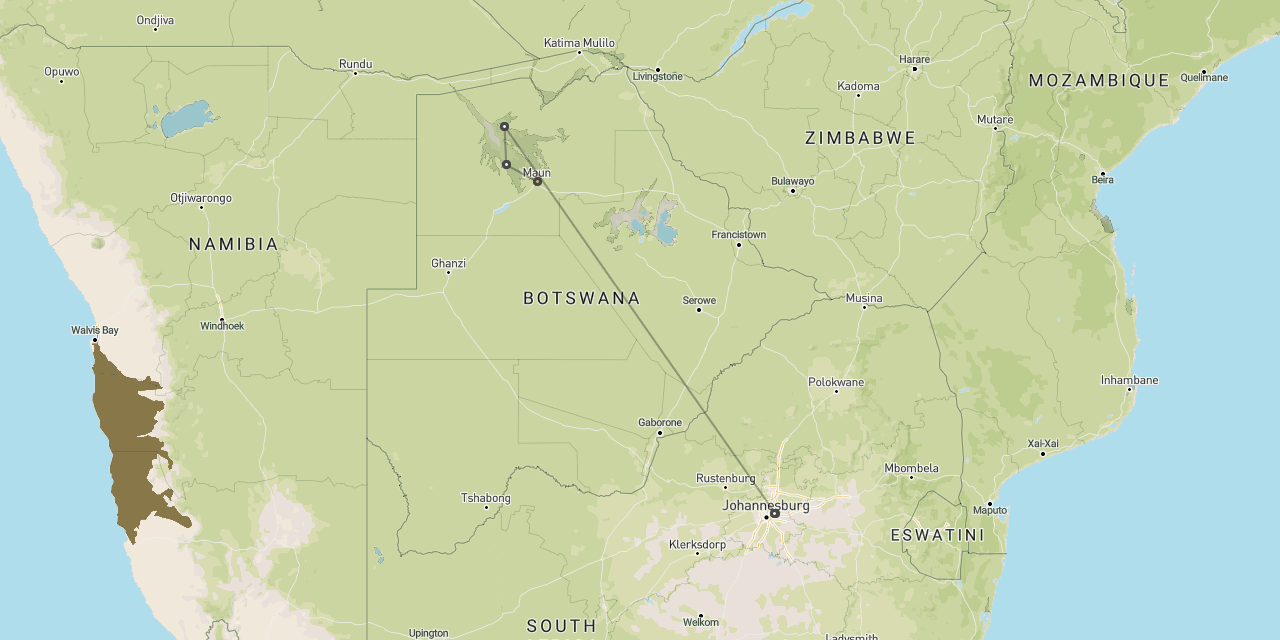
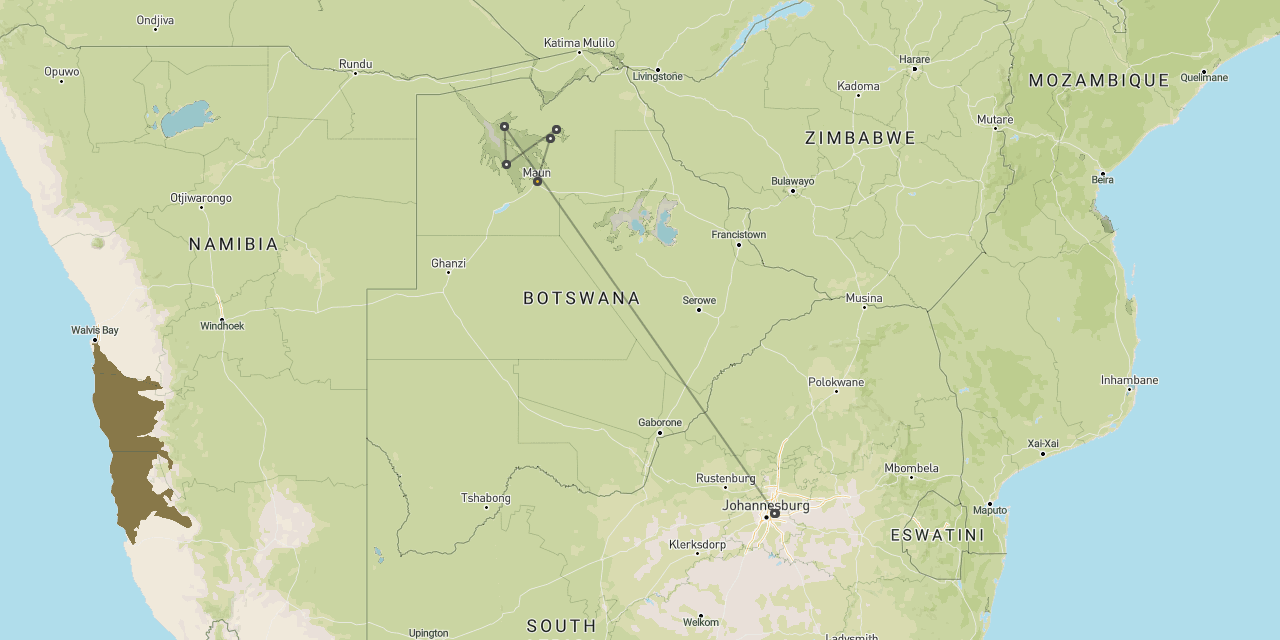
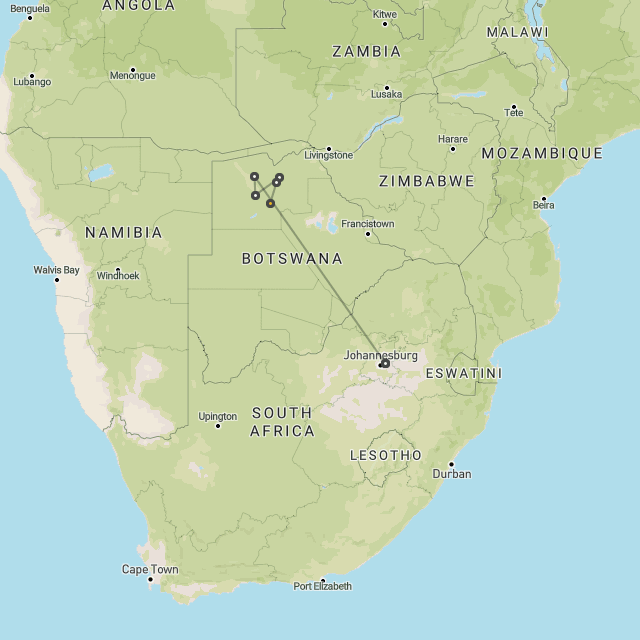
Here are some of our popular trip shapes
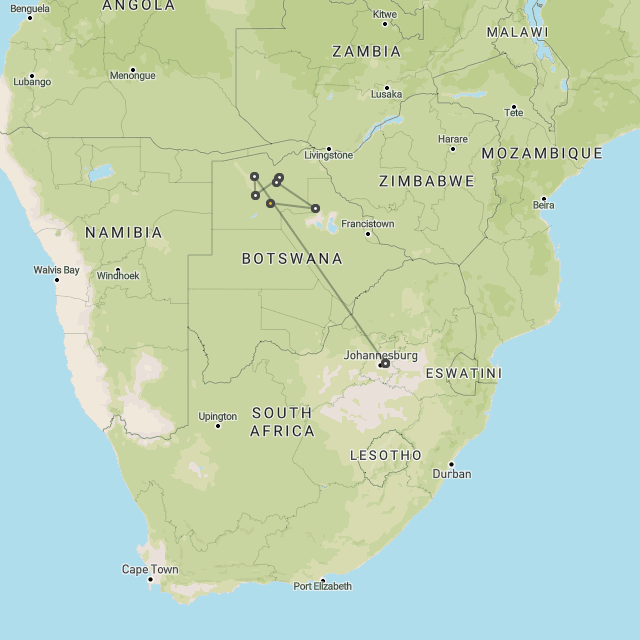
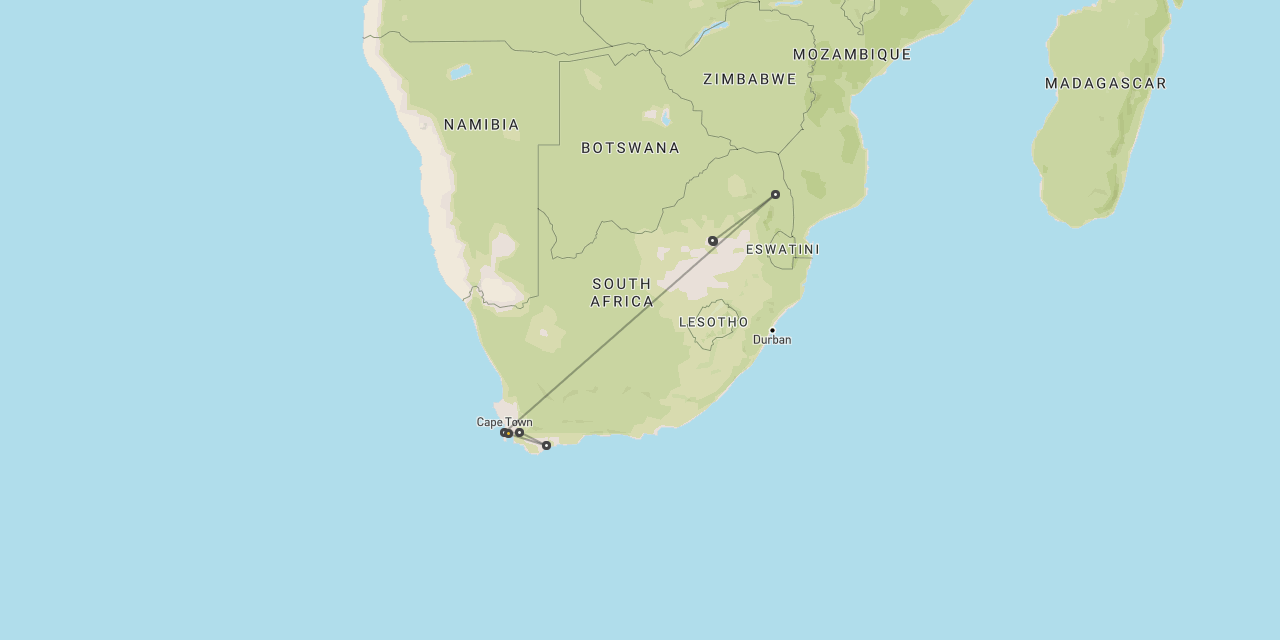
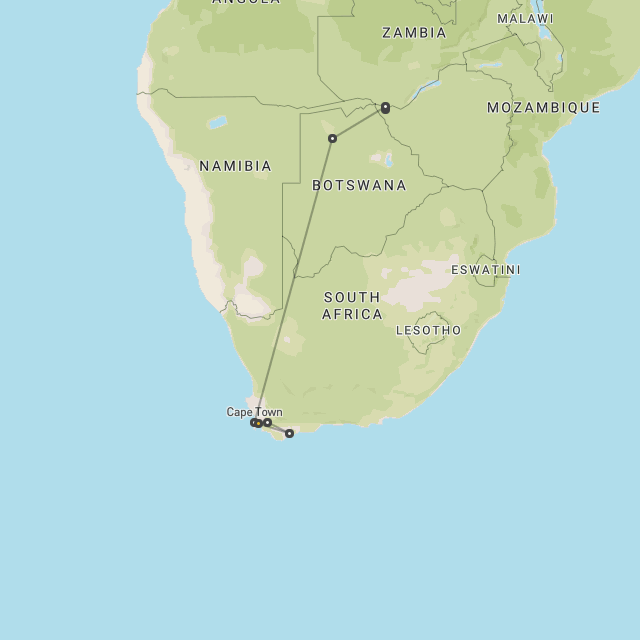
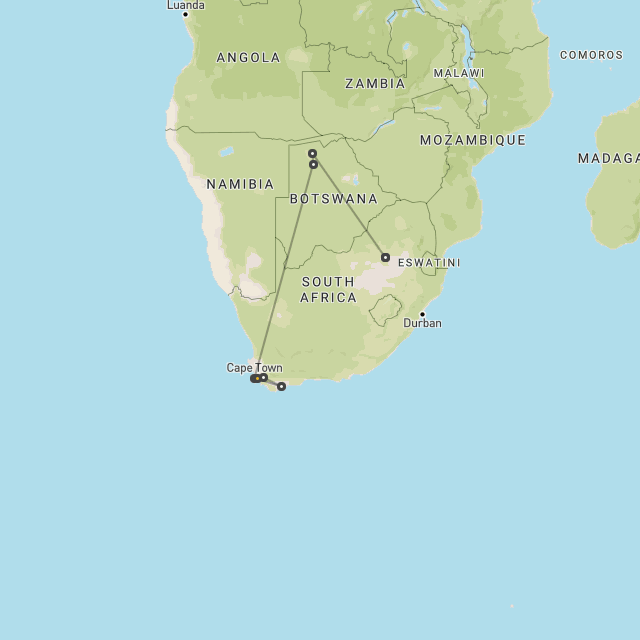
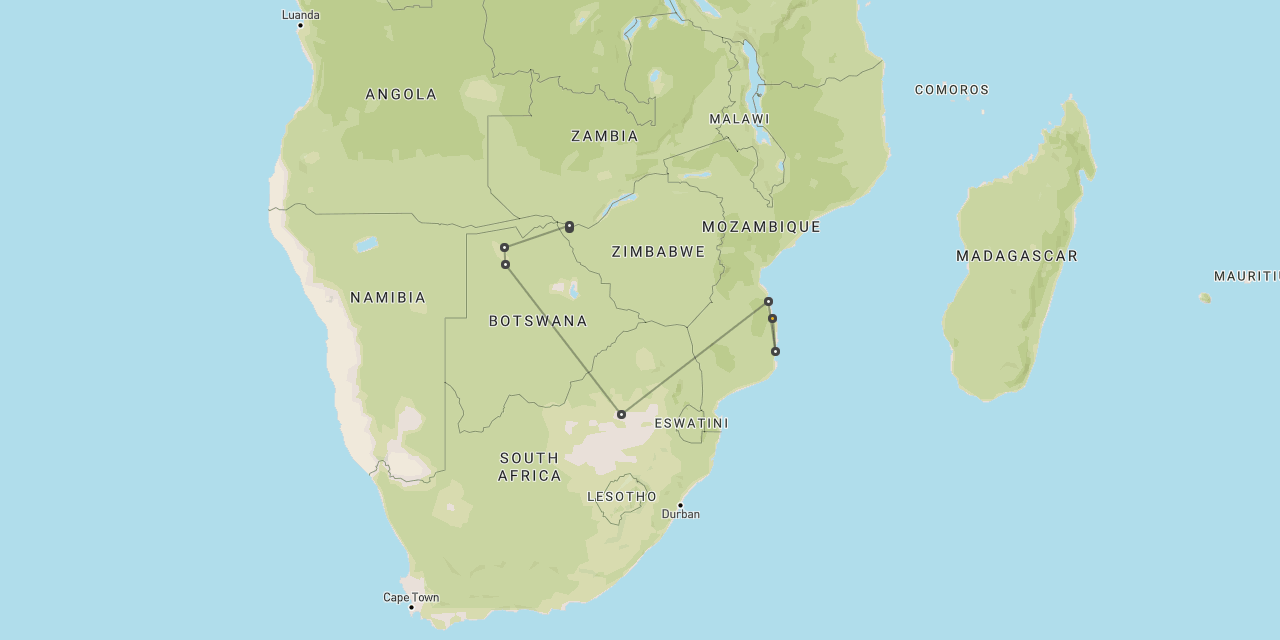
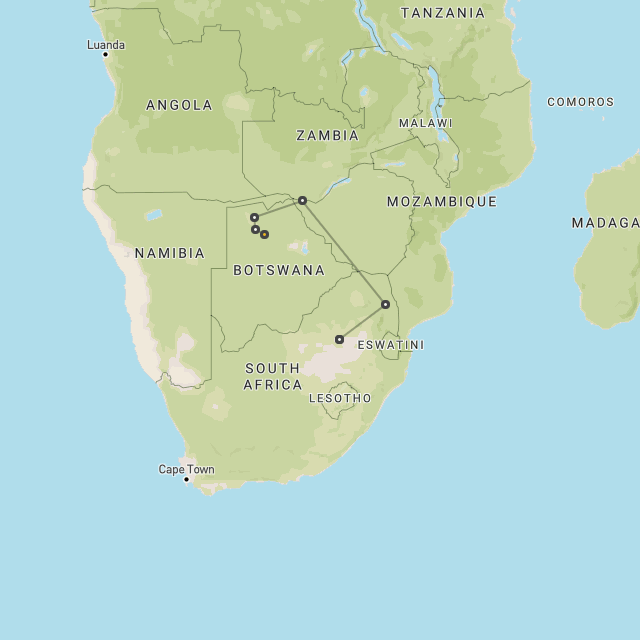
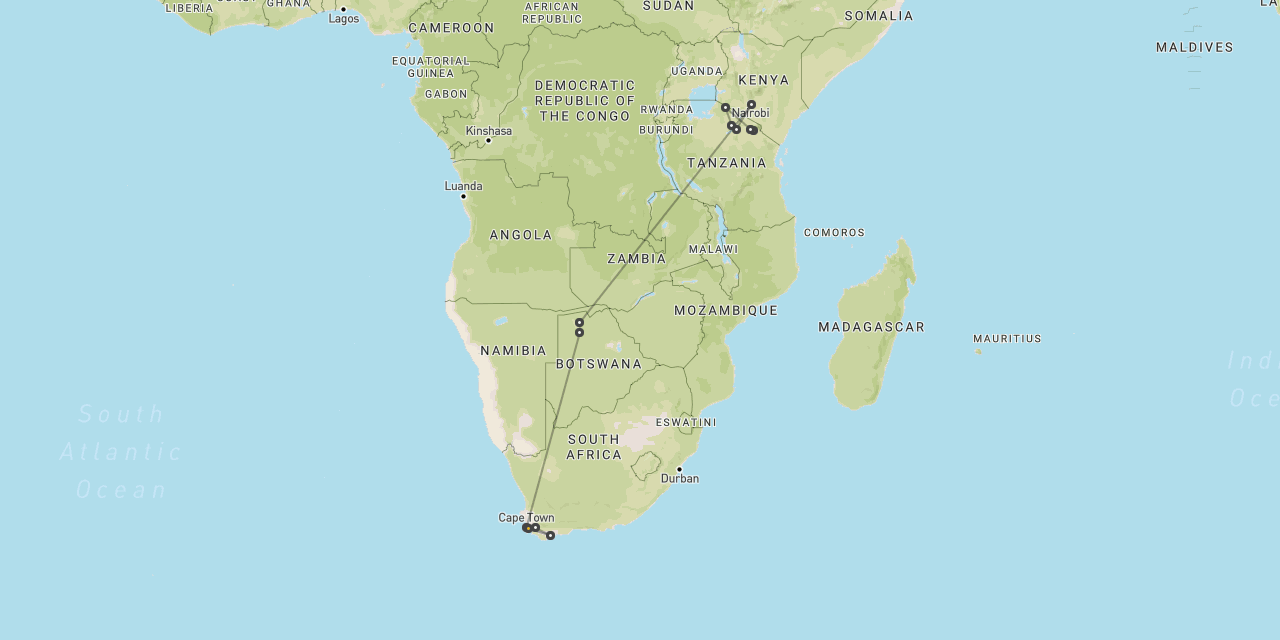

Get started on your trip
It’s never too soon to get in touch, we are here to help with every stage of your planning.
Best Lodges
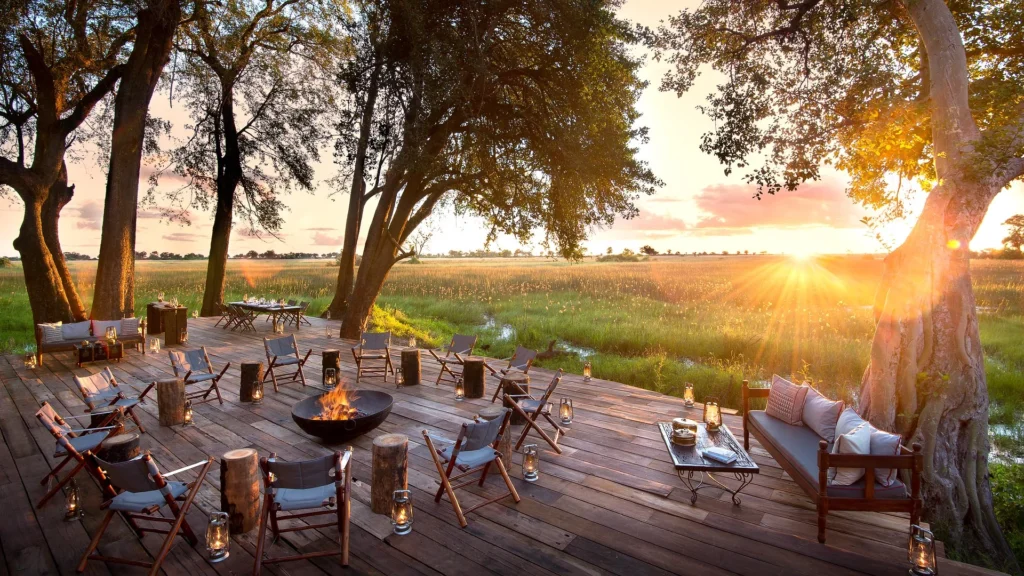
We regularly inspect and photograph all of the the best lodges, to ensure that we always recommend the most suitable options

Key Locations
Take a look around related locations. Click ‘View more’ to explore locations further afield.