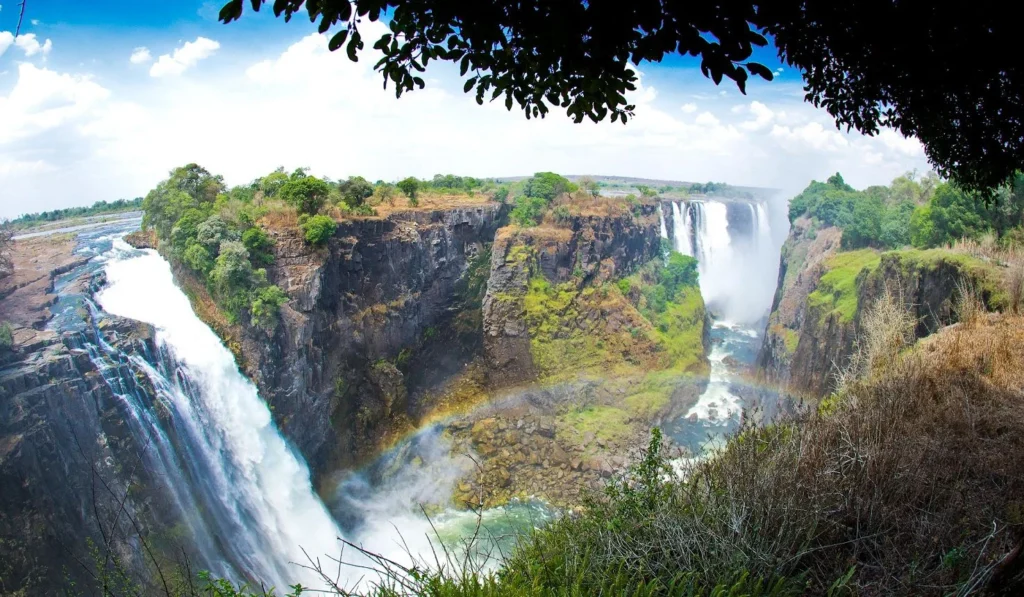
The Okavango Delta
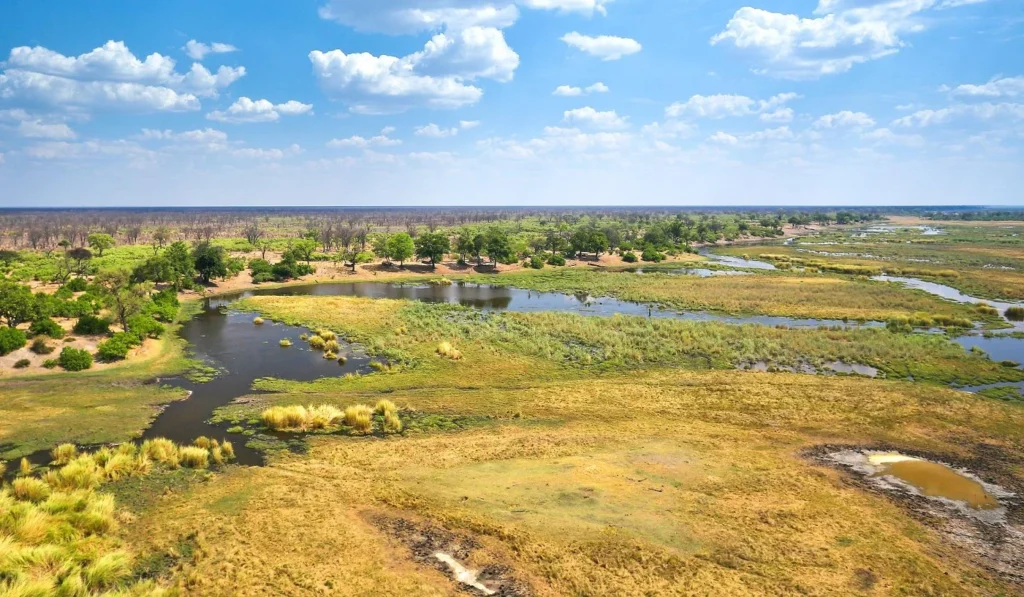
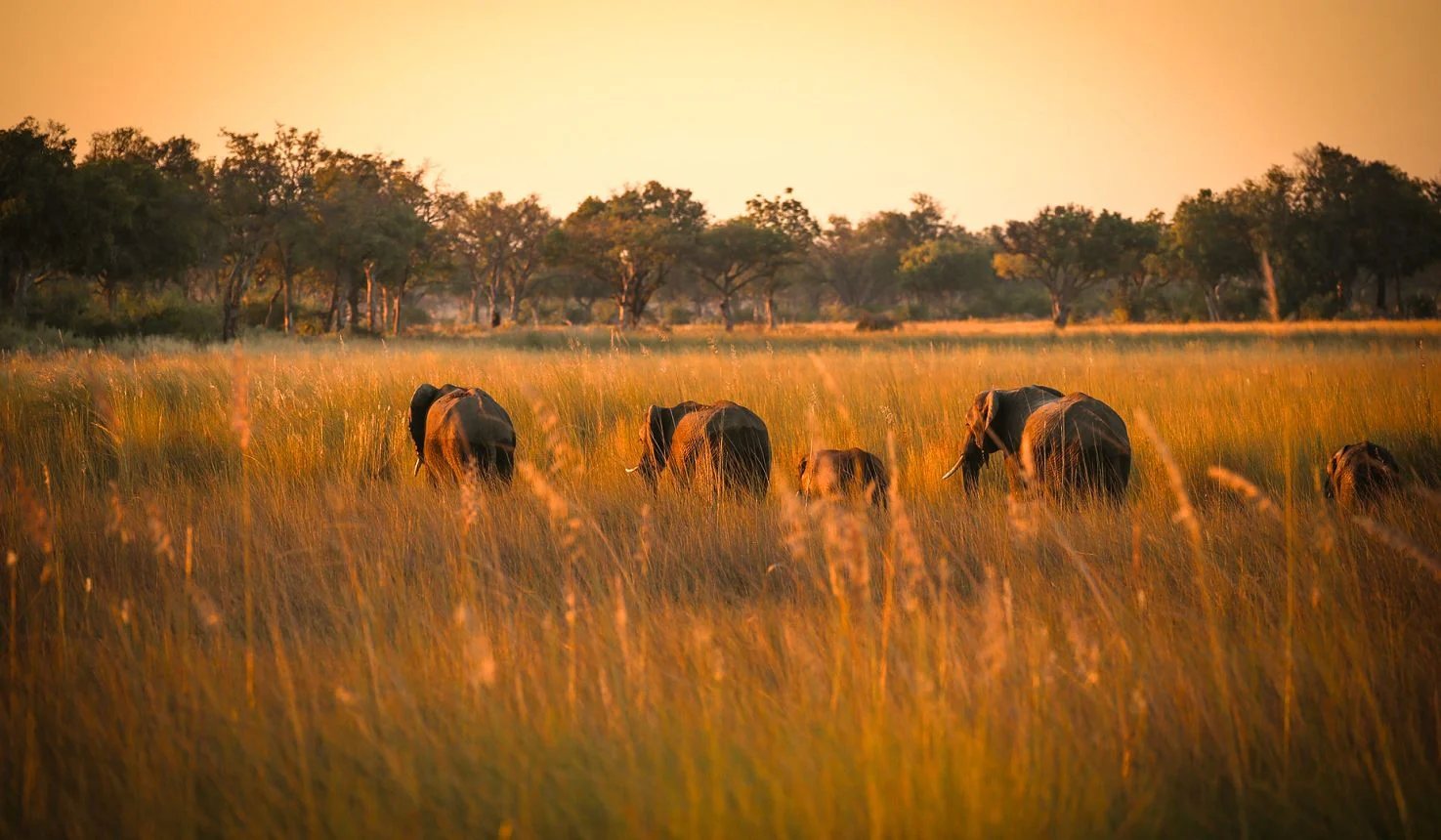
The Okavango Delta is an inland wilderness in northern Botswana, accessible only by light aircraft and covering a landscape so vast and varied that no two safaris here are the same. Water defines the experience. Depending on where you are and when you visit, you may spend your days on a mokoro gliding silently through papyrus channels, out on game drives across open floodplains, tracking on foot through dry woodland, or watching elephant herds cross a lagoon from the deck of your camp at dusk. The scale is enormous, the infrastructure deliberately minimal, and the sense of remoteness, from roads, from other people, from the noise of ordinary life, is one of the things guests remember most.

What is a safari experience in the Okavango Delta
A safari in the Okavango Delta is built around quiet immersion in a remote and largely untouched wilderness. There are no towns and very little infrastructure. Wildlife moves without disruption and the experience follows natural rhythms rather than fixed schedules.
Each day is shaped by conditions on the ground. Activities respond to water levels and animal movement, allowing more time at sightings and a deeper focus on behaviour. With low vehicle densities, encounters feel calm and personal, even with high demand species.
The Delta combines several complementary safari activities, each offering a different perspective:
Game drives explore wide private concessions where wildlife densities are high and movement is constant. Guides track animals across large areas, focusing on behaviour as much as sightings. Predators, elephants and buffalo are seen regularly, often in open and accessible terrain.
Walking safaris slow the pace and shift the focus. On foot, attention moves to detail, tracks in the sand, birdlife along the water, subtle changes in vegetation. Guides interpret the environment, building a clearer understanding of how animals move and interact within it.
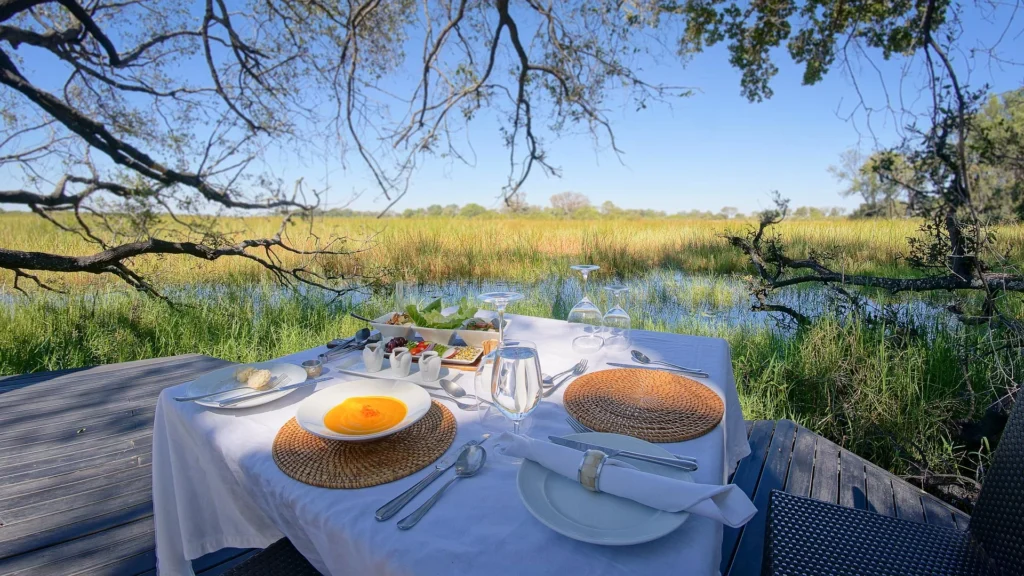
Water based safaris are central to the Delta. Mokoro trips and boat excursions reach areas that are inaccessible by land. Moving quietly through channels and floodplains, the experience becomes more observational and reflective. Species such as sitatunga, hippo and crocodile are seen from a different perspective, and birdlife is exceptional.
The balance between land and water depends on the flood cycle. Higher water levels favour mokoro and boating, while drier periods focus more on drives and walking. Camp style also plays a role, with some specialising in one approach and others combining several.
Compared with other safari regions, the Okavango feels more remote and more controlled. There are no crowds, guiding standards are consistently high, and the scale of the wilderness shapes a safari that is both focused and unhurried.

What does a typical day on safari look like
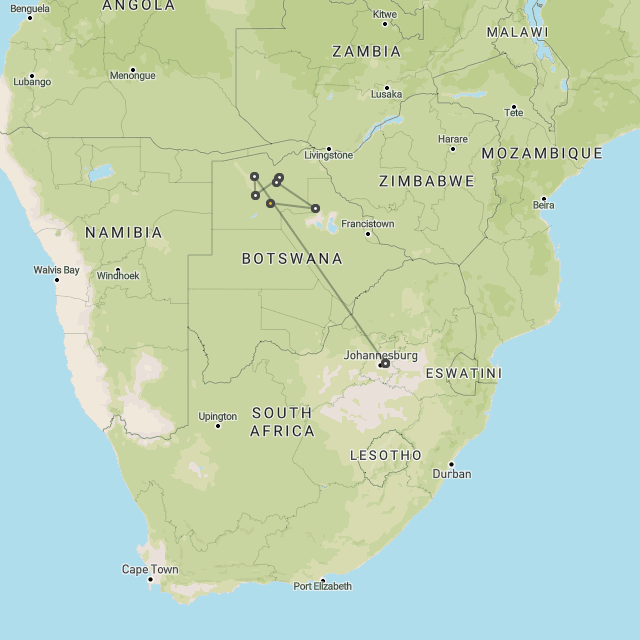
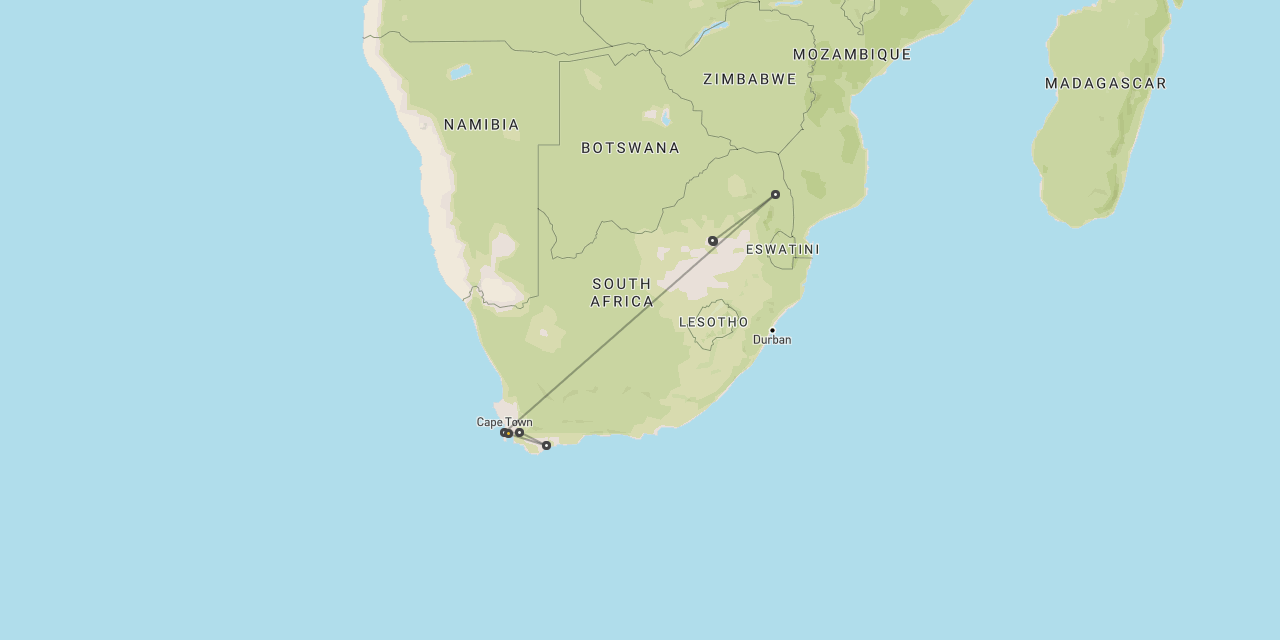
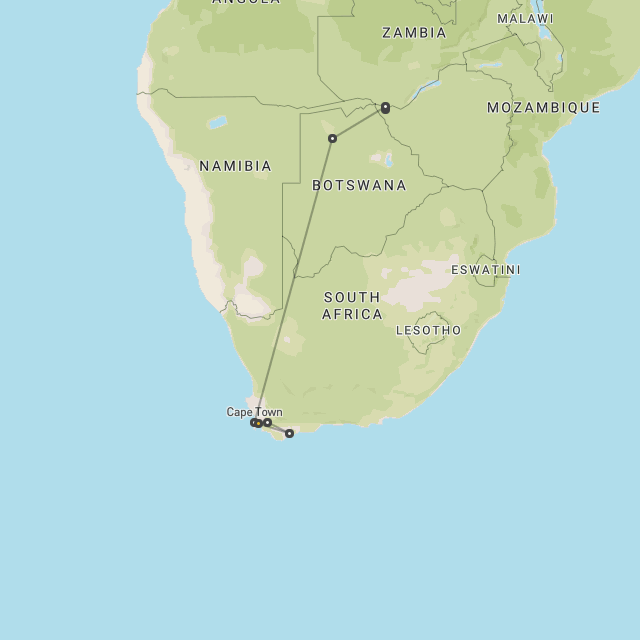
Six to seven nights allows you to split time between two different areas. This is the most efficient Delta format. One region may focus on permanent water and mokoro activity. The other may prioritise dry land game drives and predator tracking.
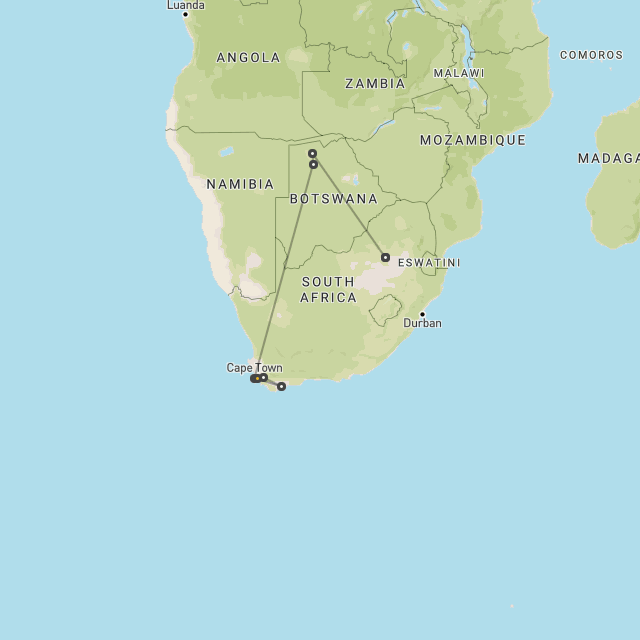
Nine to twelve nights allows for three distinct concessions. This creates genuine habitat contrast and noticeably improves species diversity. It is particularly effective for photographers or guests focused on specific predators

What makes the Okavango Delta special?
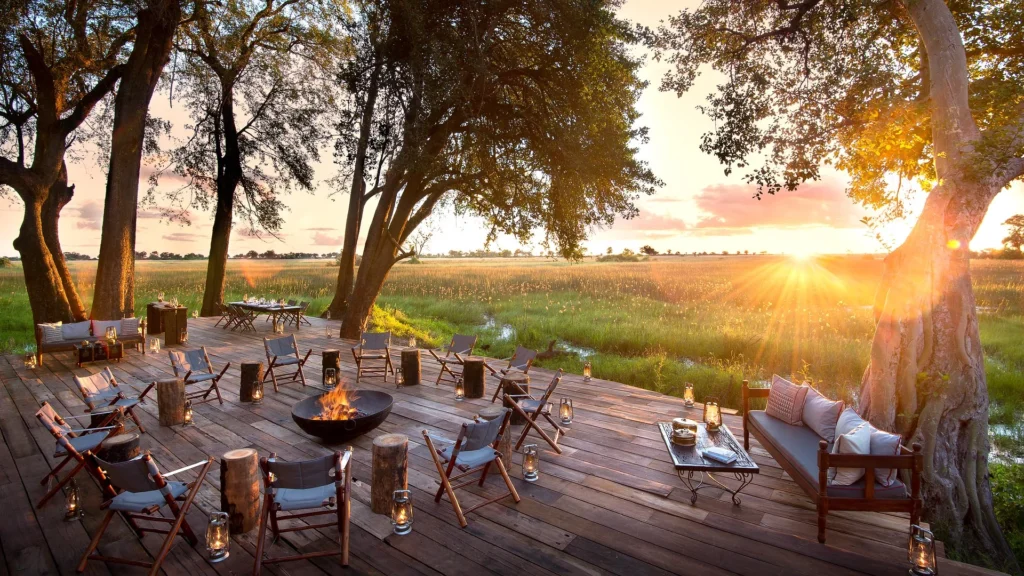
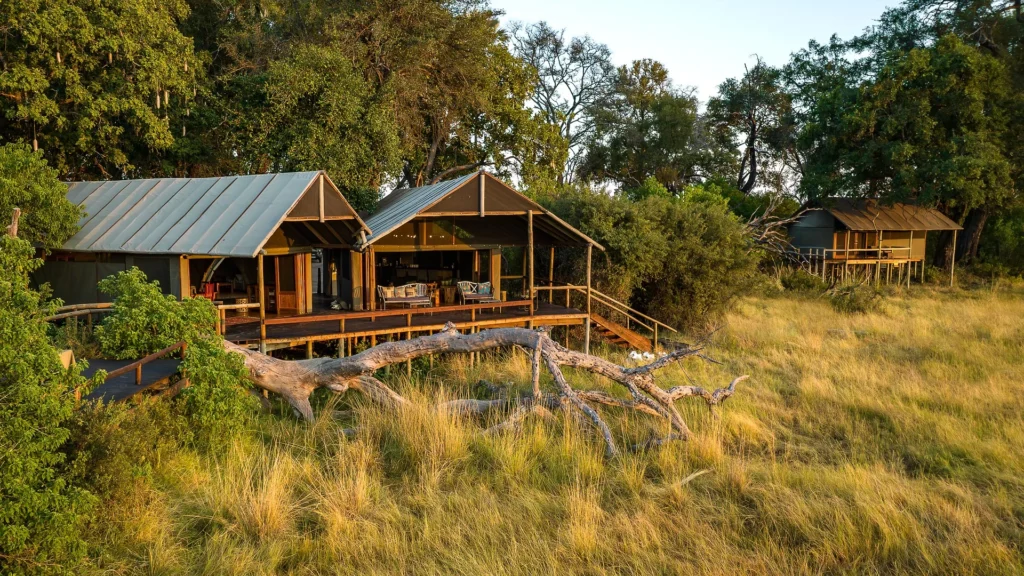
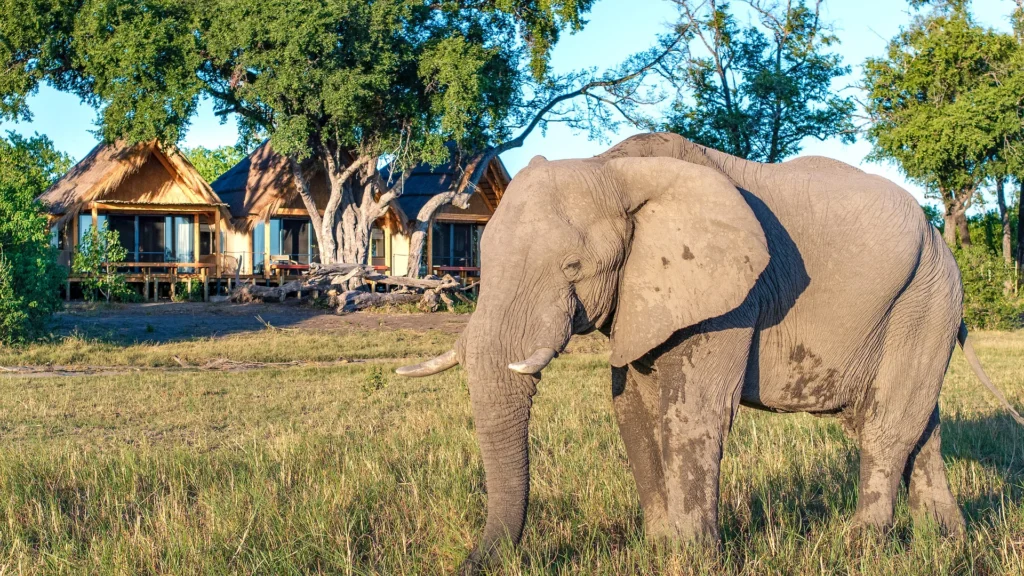
The Okavango Delta operates entirely on natural systems, shaped by water, wildlife and seasonal change. There are no towns within the ecosystem. Camps sit deep within private concessions, not on the edges, and access is deliberately limited. From the moment you arrive, the environment becomes constant. Wildlife moves through and around camp. The sounds of the bush define both day and night.
Visitor numbers are kept deliberately low. No day visitors. Only a small number of vehicles in each area. This keeps wildlife moving naturally, without pressure or the circus that defines safari elsewhere. You’re not competing for sightings or fighting for space.
The experience isn’t built around a checklist. It’s about time in the environment, understanding how it works, observing at a natural pace. The scale, the silence, the consistency of wildlife, they combine to create something that feels genuinely connected to its setting. You stop being a visitor and start being part of the landscape.
Further reading
- Okavango Delta
- When to visit the Okavango Delta
- How long to spend in the Okavango Delta
- How much does it cost to visit the Okavango Delta
- Where to stay in the Okavango Delta
- Logistics and practicalities
- Ecology of the Okavango Delta
- Conservation in the Okavango Delta

The Okavango Delta experience
Extraordinary tailor-made adventures,
from earthy and edgy to easy and extravagant
From around USD 2500 per person, you set the ceiling
Sample Trips
Here are some of our popular trip shapes
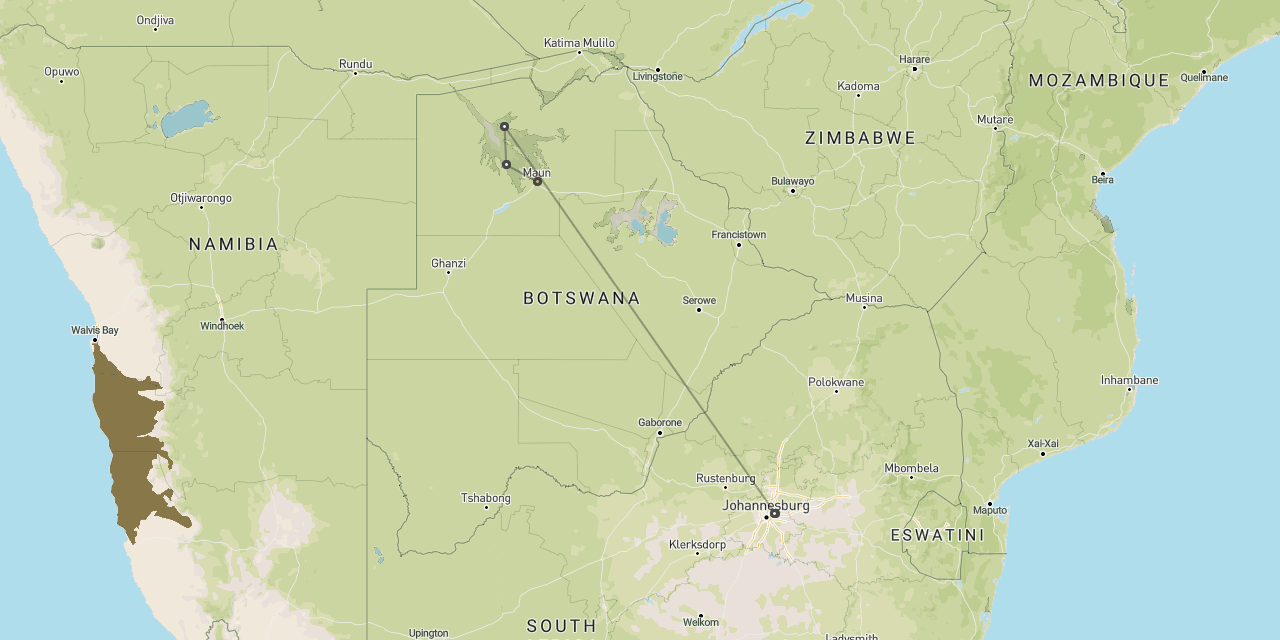
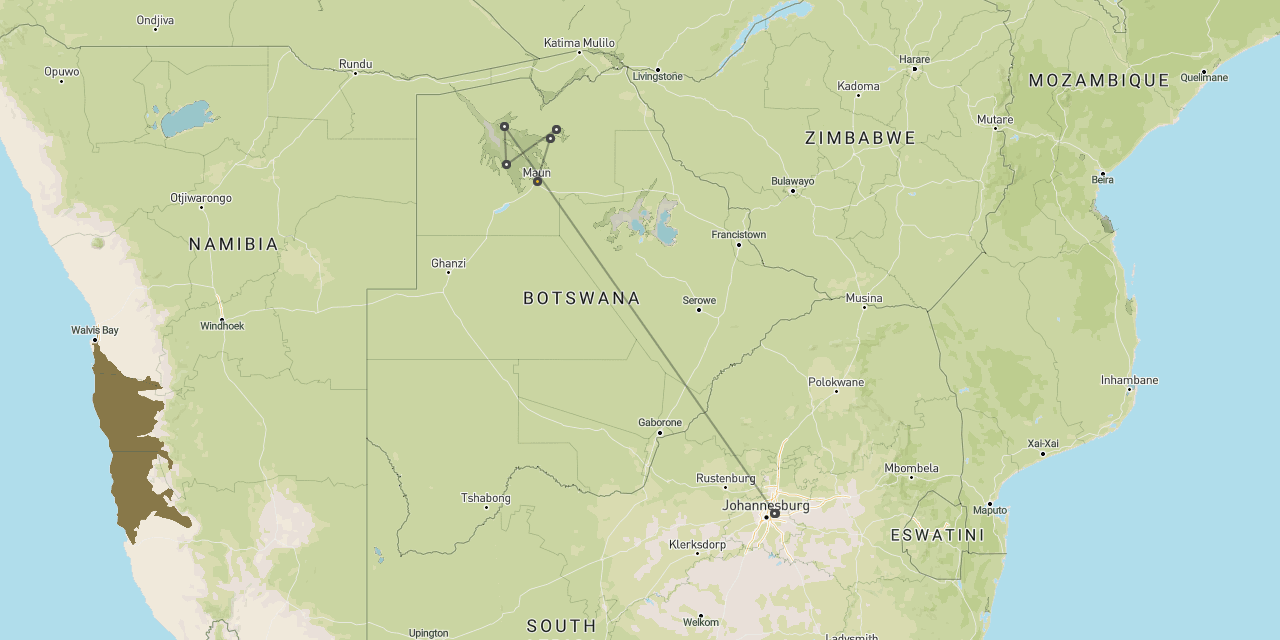
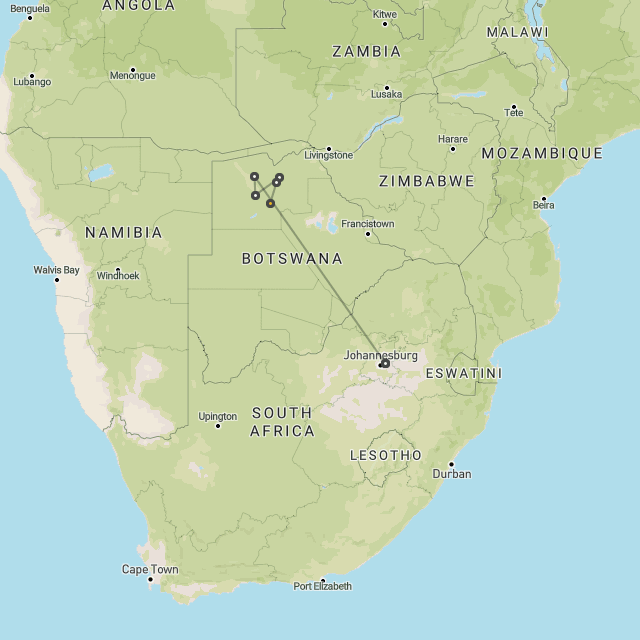

Get started on your trip
It’s never too soon to get in touch, we are here to help with every stage of your planning.
Best Lodges
We regularly inspect and photograph all of the the best lodges, to ensure that we always recommend the most suitable options

Key Locations
Take a look around related locations. Click ‘View more’ to explore locations further afield.