
How much time should I spend in the Okavango Delta
How long do I need in the Okavango Delta?
Most visitors should plan for a minimum of six to seven nights in the Okavango Delta, split across at least two camps in different concessions.
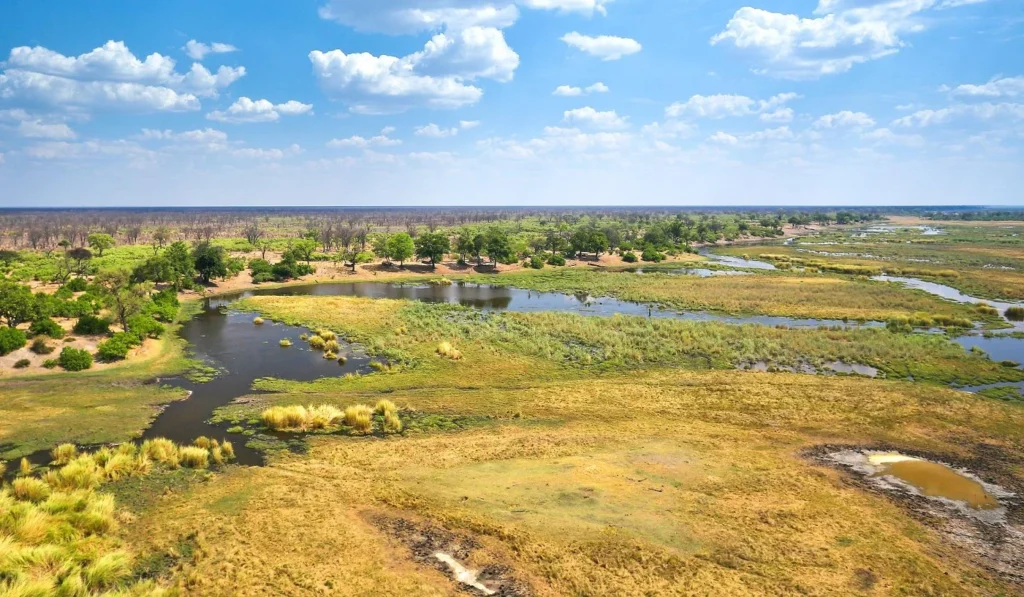
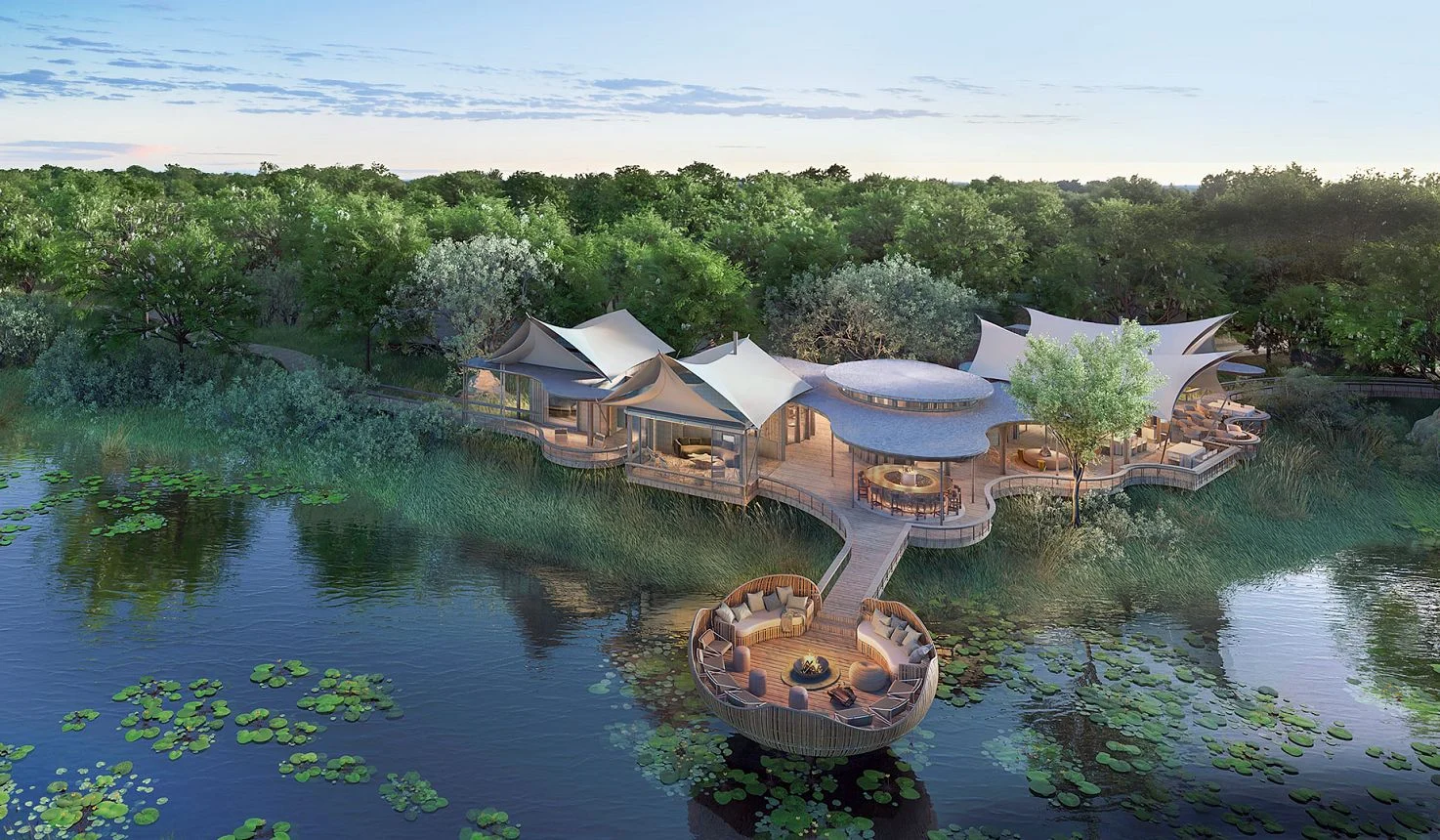
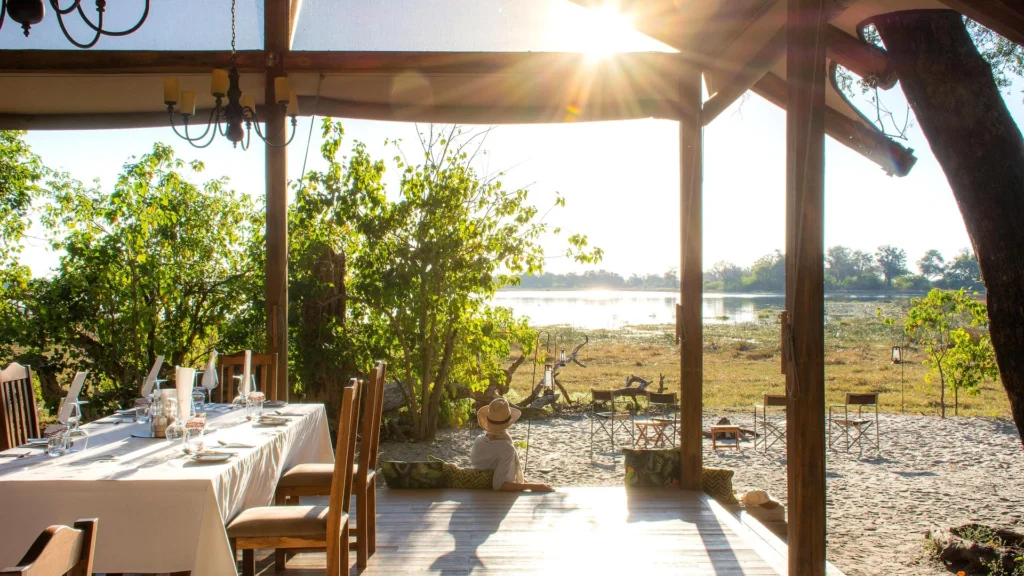
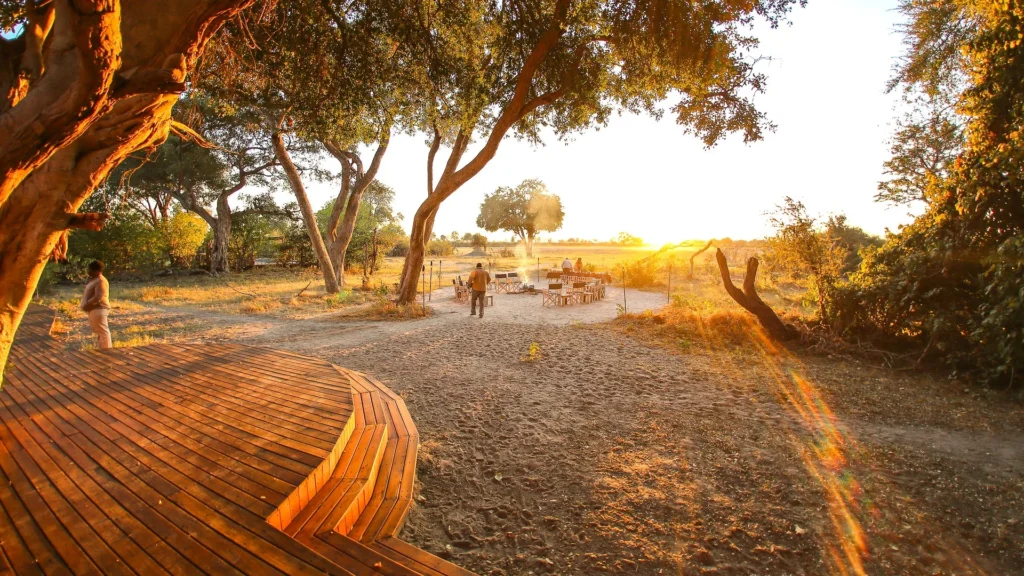
The Okavango is not a single place. It is a network of permanent channels, seasonal floodplains, dry woodland and shifting islands, each holding different wildlife, different activities and a completely different atmosphere. A single camp gives you one slice of a much larger picture. Two camps, in genuinely different habitats, gives you something closer to the full story.

The importance of a minimum stay in camp
We recommend a minimum of three to four nights in each camp. A longer viewing time gives you a better chance of multiple sightings and more meaningful wildlife interactions. Not just quick visual confirmation. It gives your guide time to understand what you are looking for, to track consistently and adapt to conditions. Predators move. Flood levels change. Wind affects animal behaviour. A single rushed night drive is not a strategy.
Two nights is entirely possible, but it is not optimal.
Typical Okavango trip lengths
Six to seven nights allows you to split time between two different areas. This is the most efficient Delta format. One region may focus on permanent water and mokoro activity. The other may prioritise dry land game drives and predator tracking.
Nine to twelve nights allows for three distinct concessions. This creates genuine habitat contrast and noticeably improves species diversity. It is particularly effective for photographers or guests focused on specific predators.

Why you should stay in more than one camp
Wildlife in the Okavango is habitat driven.
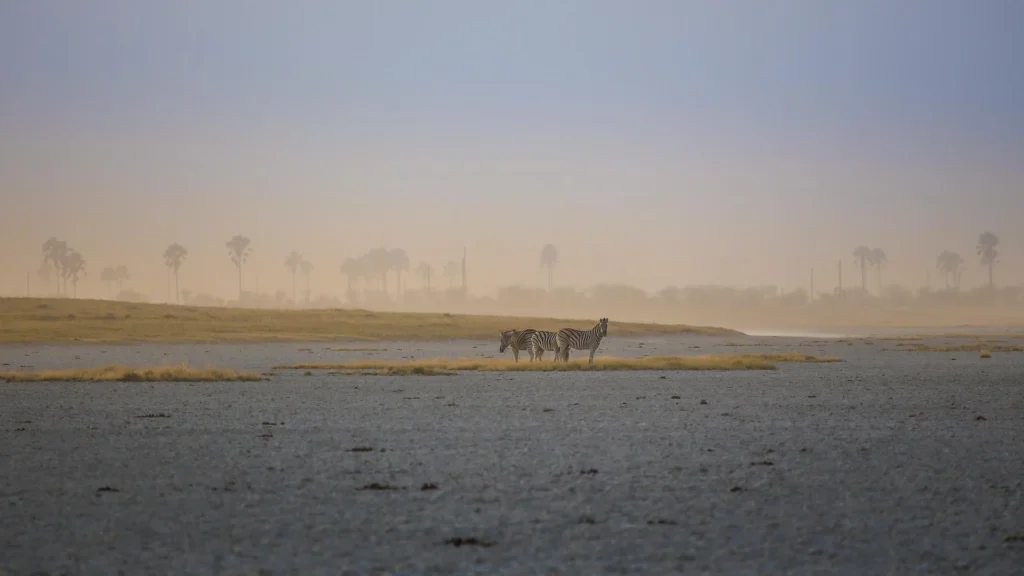
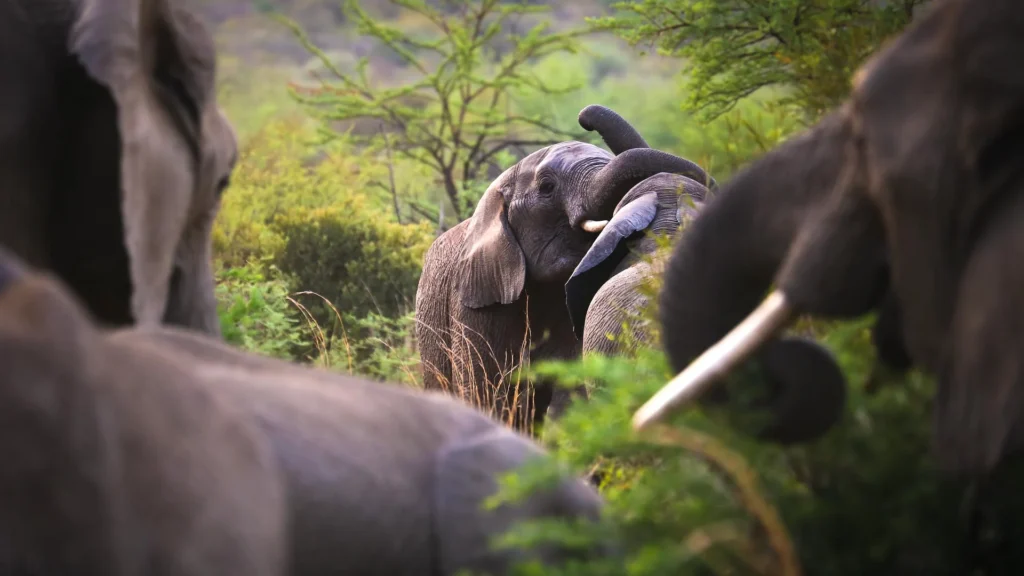
Permanent water areas hold different densities than seasonal floodplains. Woodland systems produce different predator dynamics than on open grassland. Lion territories differ between concessions. Wild dog packs operate across defined ranges.
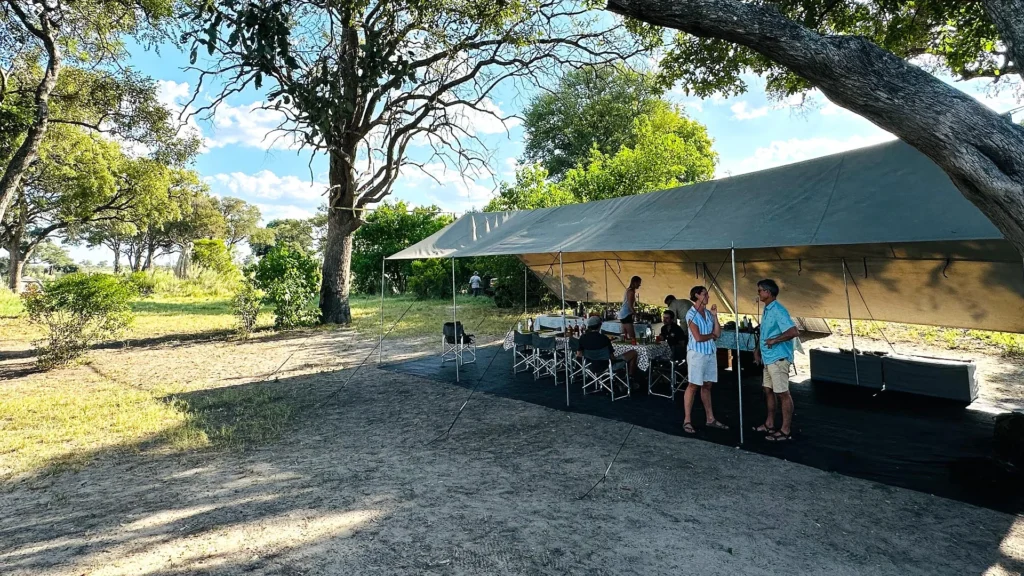
Changing camps changes your wildlife exposure. It also affects what activities you do. Some regions are strong for boating and mokoro, while others are vehicle focused. There are some excellent opportunities for bush walks, one of our favourite ways to really get the feel for the location and its wildlife. Staying in one location limits what you can do.
We build Okavango itineraries around habitat logic and predator territory, not lodge marketing. The goal is simple. Maximise wildlife density. Minimise wasted time. Ensure that each camp adds something different to the overall experience.
Further reading
- Okavango Delta
- The Okavango Delta experience
- When to visit the Okavango Delta
- How much does it cost to visit the Okavango Delta
- Where to stay in the Okavango Delta
- Logistics and practicalities
- Ecology of the Okavango Delta
- Conservation in the Okavango Delta
Extraordinary tailor-made adventures,
from earthy and edgy to easy and extravagant
From around USD 2500 per person, you set the ceiling
Sample Trips
Here are some of our popular trip shapes

Get started on your trip
It’s never too soon to get in touch, we are here to help with every stage of your planning.
Best Lodges
We regularly inspect and photograph all of the the best lodges, to ensure that we always recommend the most suitable options

Key Locations
Take a look around related locations. Click ‘View more’ to explore locations further afield.