
Malaysia
Malaysia
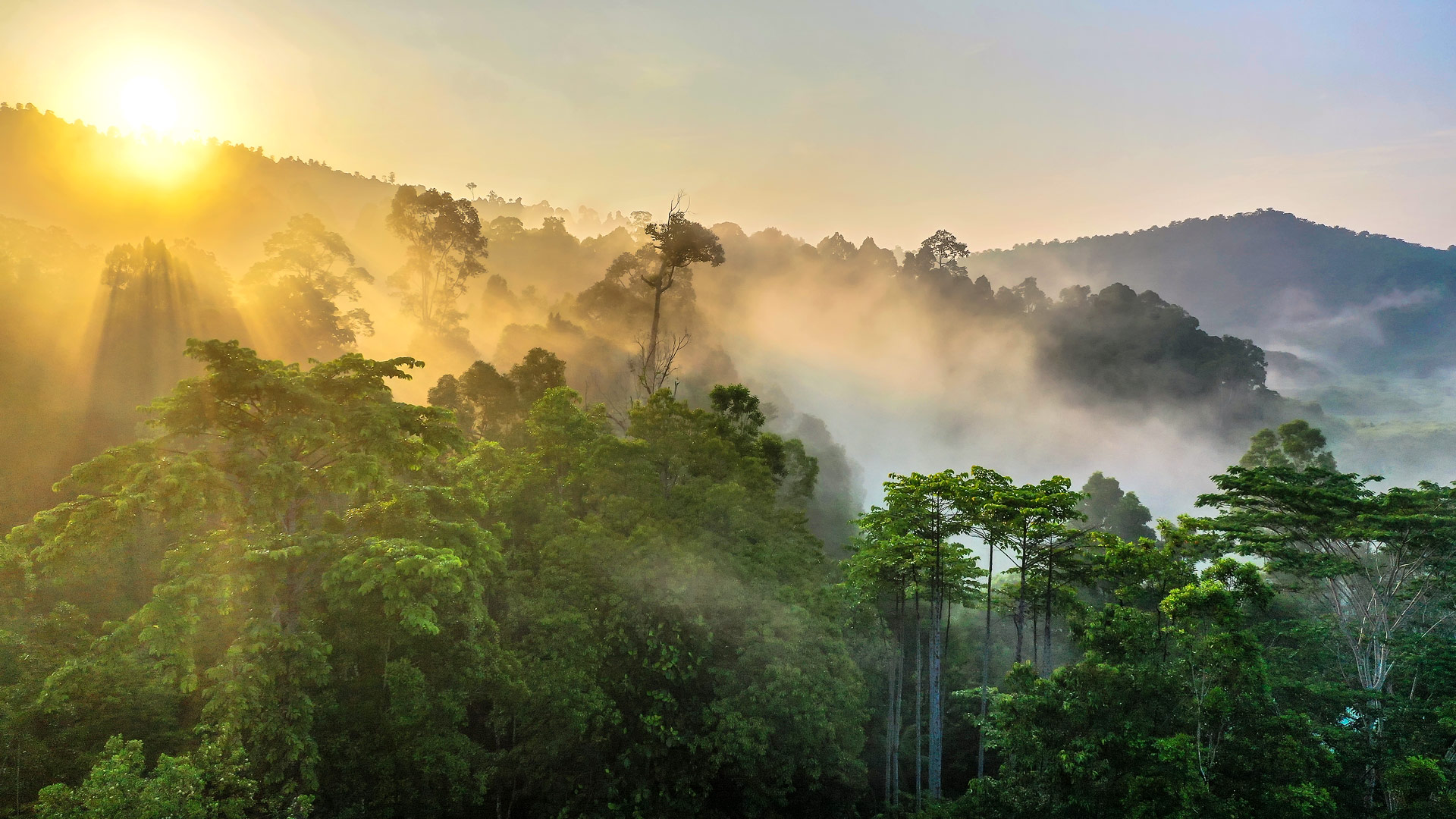
a country of rainforest,
islands, and modern cities.
Malaysia is one of the most varied countries in Southeast Asia, blending rainforest wilderness with modern cities and island coastlines. The country’s two regions differ in character but are well connected by frequent flights.
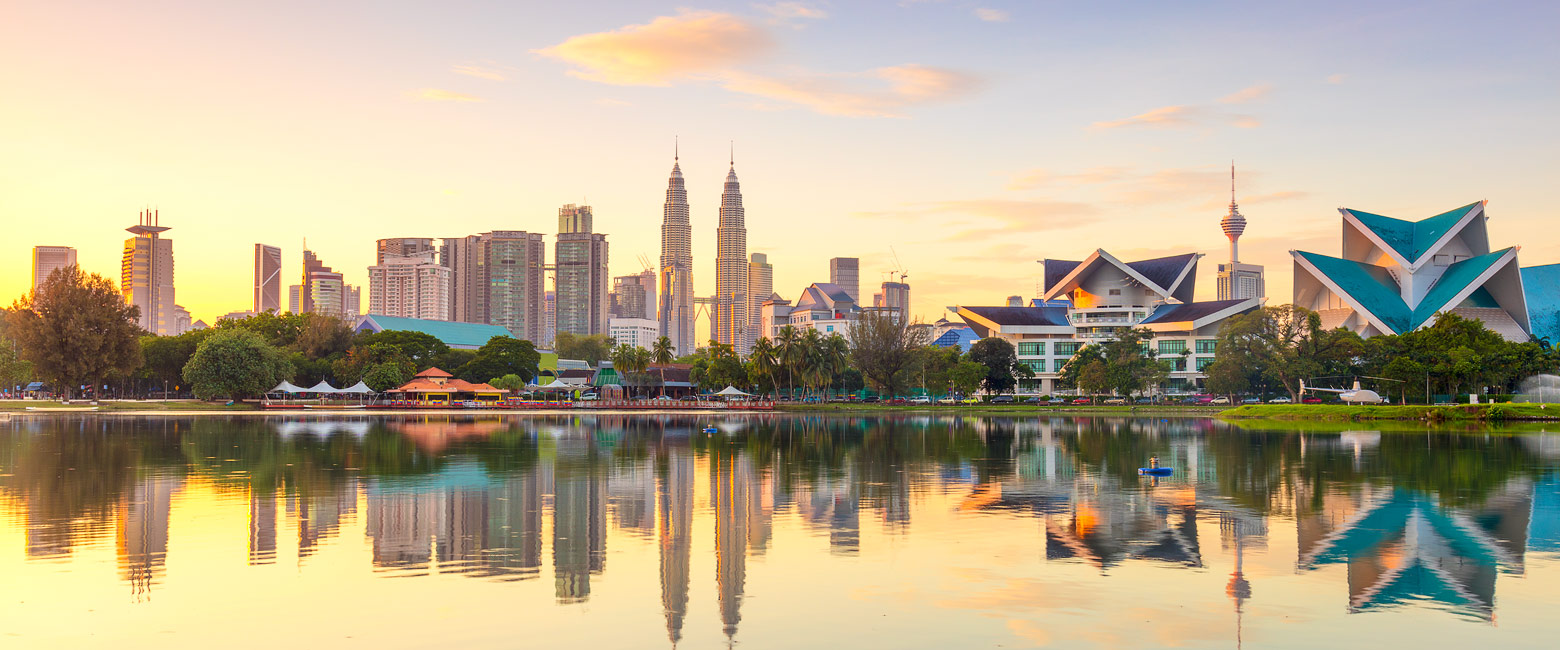
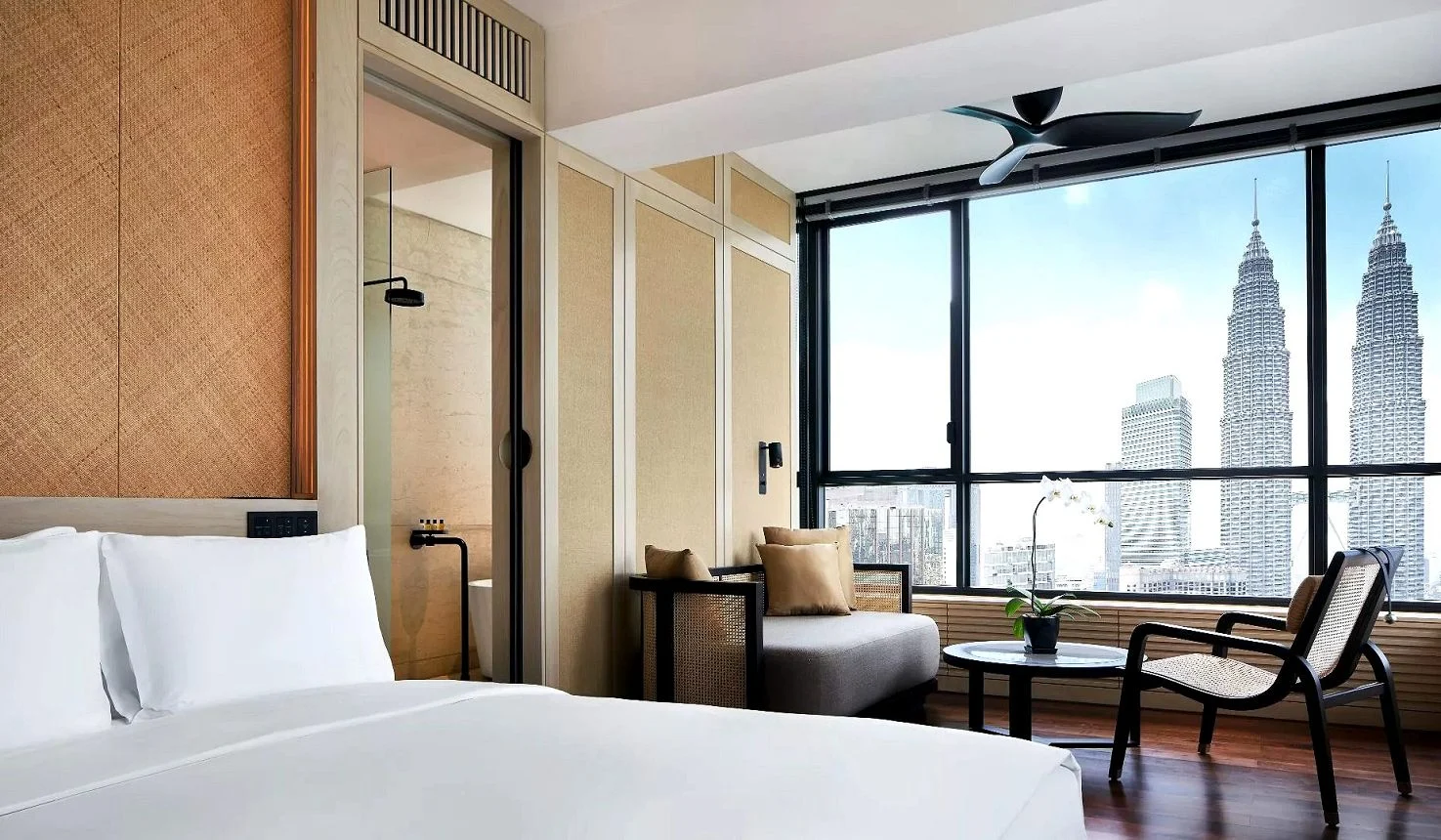
The Malay Peninsula is modern and developed, centred on Kuala Lumpur, a cosmopolitan capital that serves as the main international gateway. It provides a short and convenient stopover for visitors en route to Borneo and offers a mix of cultural sites, street markets, and urban green spaces such as the KL Forest Eco Park.
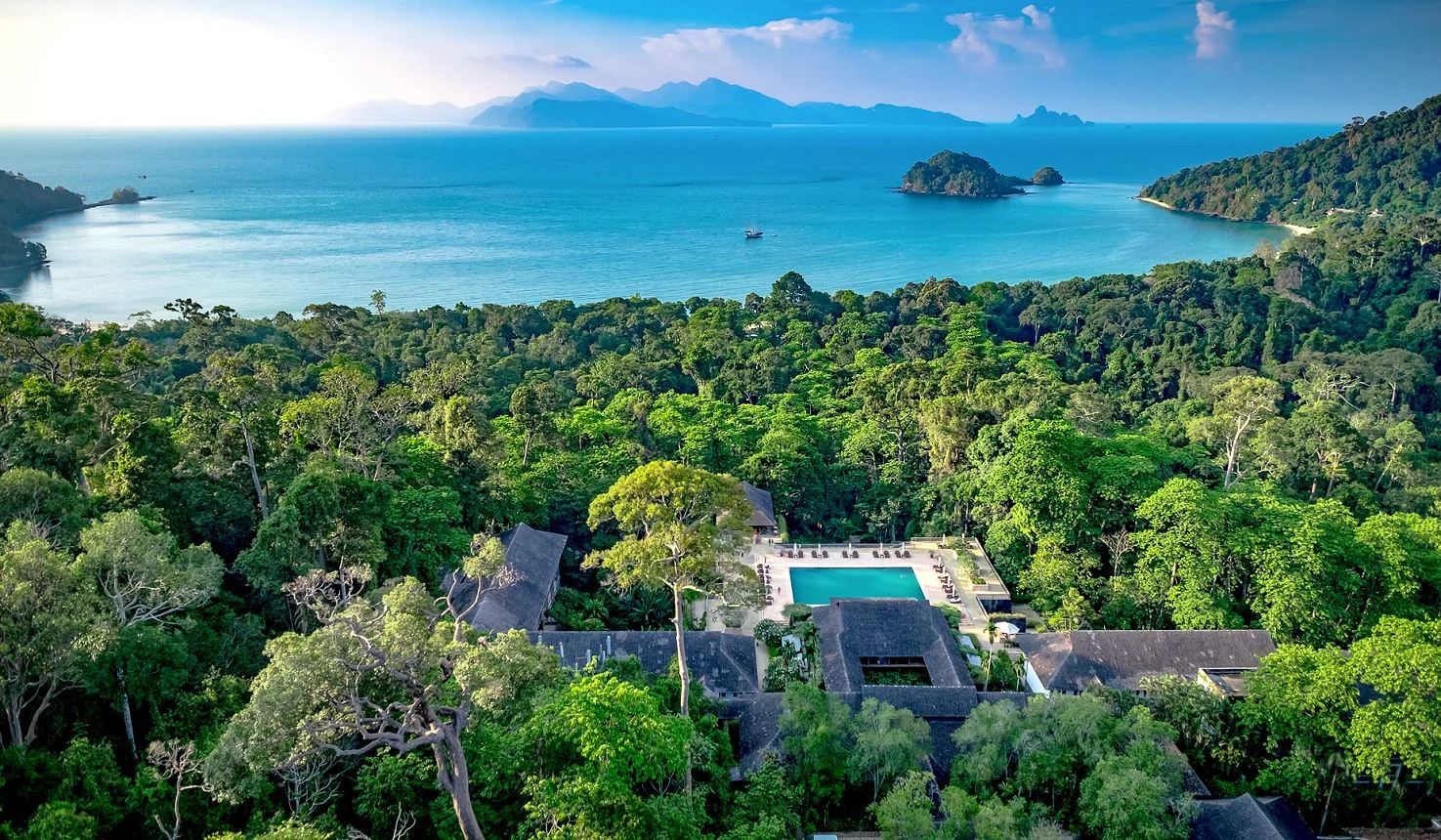
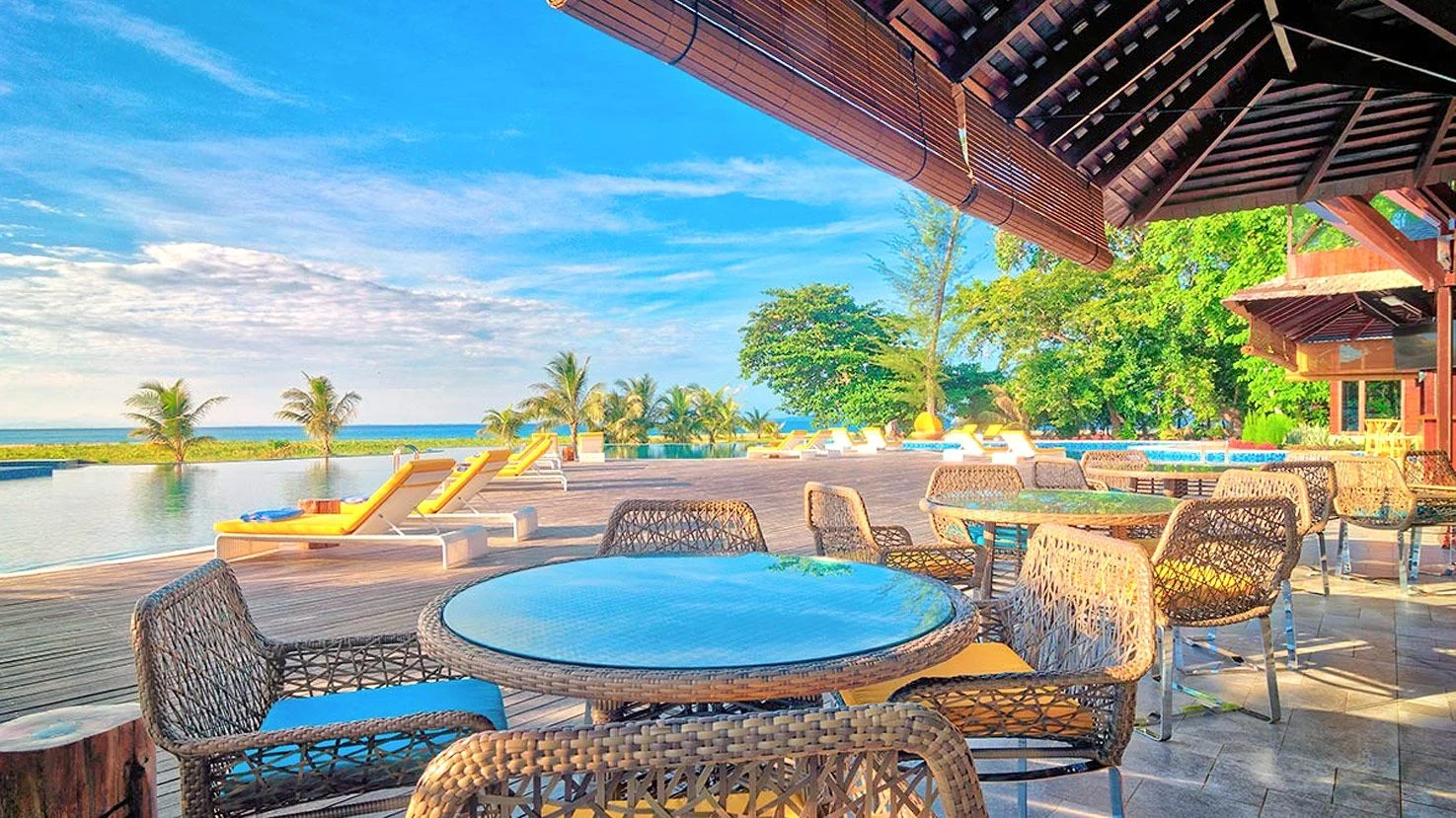
To the north, the island of Langkawi provides an easy coastal extension, with its beaches, mangroves, and rainforest hills.
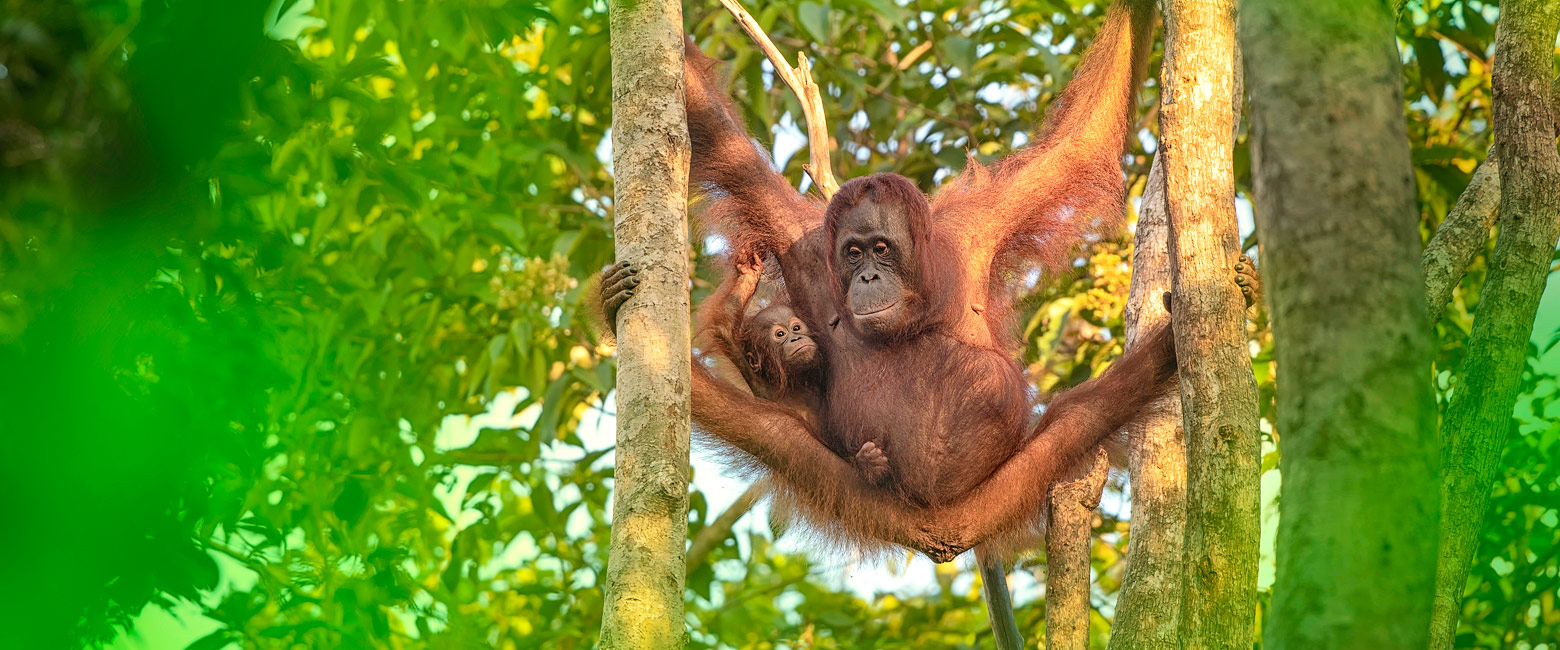
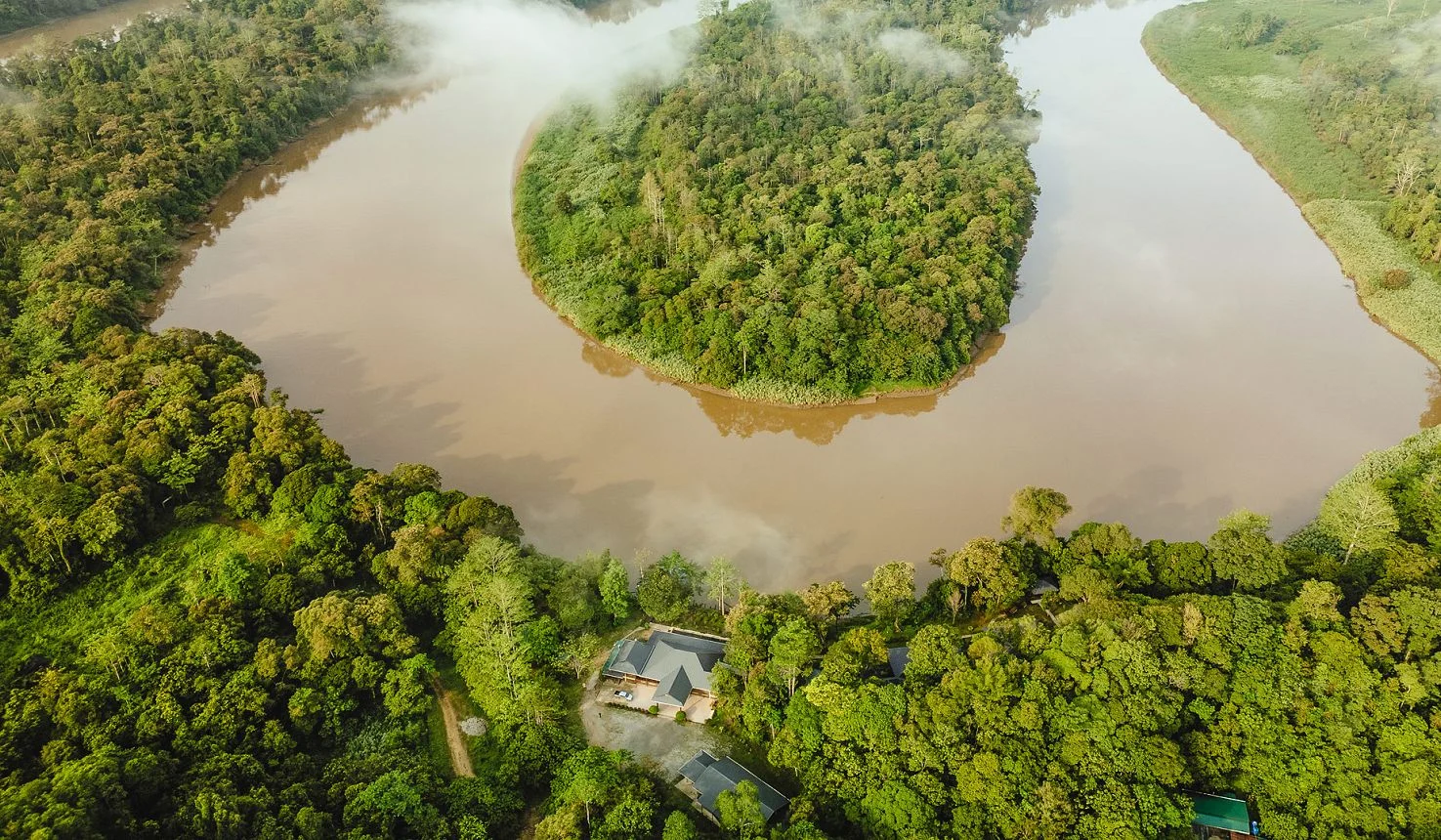
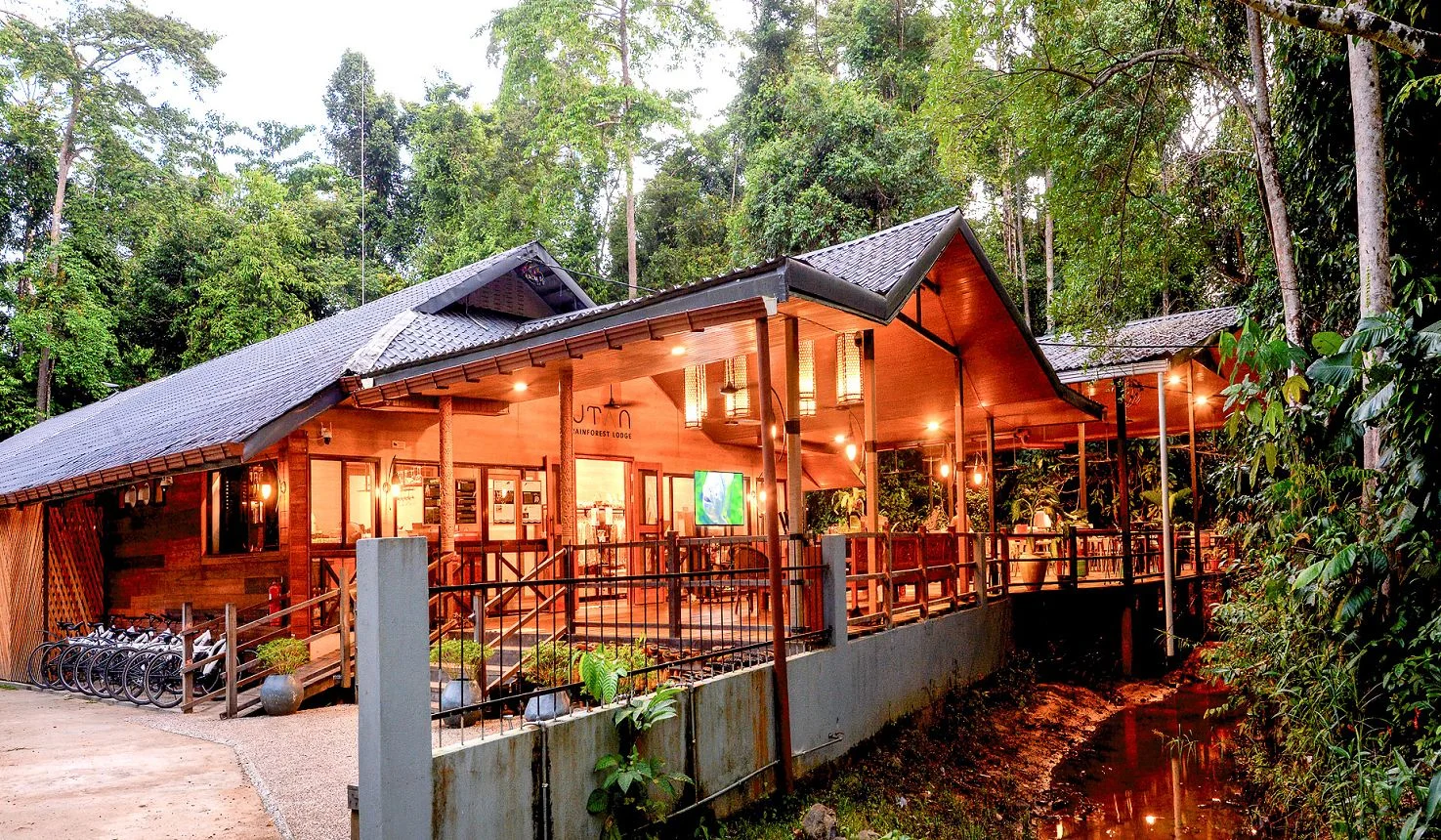
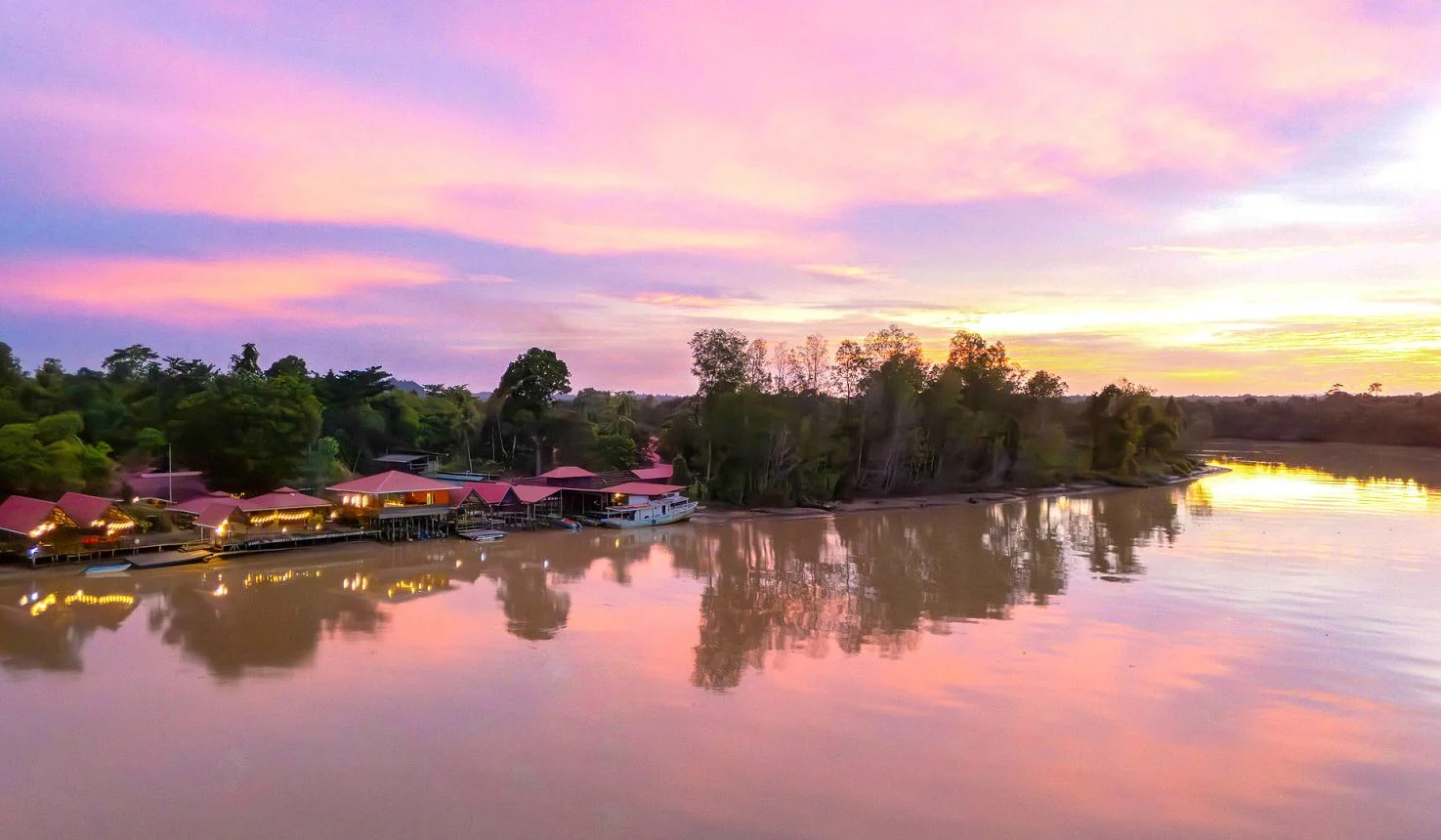
The focus for safari lies in Malaysian Borneo, where rainforest covers much of the land. The state of Sabah contains the most established network of reserves and lodges, including Sepilok Forest Reserve for orangutans and sun bears, the Kinabatangan River for dense concentrations of primates and birdlife, Tabin Wildlife Reserve for regenerating forest and elephants, and Danum Valley Conservation Area for untouched primary rainforest.
To the southwest, Sarawak combines national parks and cultural landscapes. Bako National Park near Kuching provides close encounters with proboscis monkeys and coastal forest, while Gunung Mulu National Park protects extensive cave systems and limestone formations. Further inland, the Kelabit Highlands remain remote and best suited to trekking and community based stays.
Map
Malaysia has a tropical climate that remains warm and humid throughout the year. Rainfall occurs in short bursts rather than prolonged periods, but two main monsoon systems affect the timing of drier and wetter months. Conditions differ slightly between Malaysian Borneo in the east and the Peninsular mainland to the west, allowing travel to some part of the country in any month of the year.
Malaysian Borneo – Sabah and Sarawak
The drier period runs from March to October, when rainfall is lower and forest access is easier. These months offer the best conditions for wildlife viewing, with regular sightings of orangutans, proboscis monkeys, and pygmy elephants. Trails and roads are firmer, and light conditions are better for photography.
The wetter season from November to February brings heavier showers, especially in eastern Sabah, but travel remains possible. The rainforest is greener and birdlife active, though humidity is higher and river levels fluctuate.
Peninsular Malaysia – Mainland and Islands
The west coast, including Kuala Lumpur, Penang, and Langkawi, is driest from December to March, when skies are clearer and sea conditions calm. Rain increases gradually from April through October, peaking in September. The east coast, including Tioman and Redang, experiences the opposite pattern, with a heavy monsoon from November to February and the driest weather between March and October.
This contrast makes it possible to combine Borneo or east coast travel with drier conditions on the west coast, or to enjoy a beach extension in Langkawi even during Borneo’s wetter months.
let us know your thoughts about Malaysia
and we will help you create the perfect safari
Extraordinary tailor-made adventures,
from earthy and edgy to easy and extravagant
From around USD 2500 per person, you set the ceiling
Sample Trips
Here are some of our popular trip shapes


Get started on your trip
It’s never too soon to get in touch, we are here to help with every stage of your planning.
Best Lodges
We regularly inspect and photograph all of the the best lodges, to ensure that we always recommend the most suitable options



Key Locations
Take a look around related locations. Click ‘View more’ to explore locations further afield.
Where Next?
Where Next?
We offer trips to dozens of fabulous countries.
Might one of these might be your next great adventure?

Get started on your trip
It’s never too soon to get in touch, we are here to help
with every stage of your planning.
ATR Safari
© 2026

Please rotate your screen.