
Conservation in the Okavango Delta
Conservation in the Okavango Delta
The Okavango is one of the few places on earth where the conservation model actually works, and where you feel it the moment you arrive. The silence, the space, the sense that this is genuinely untouched: none of that happens by accident.
Botswana made a deliberate decision decades ago. Rather than opening the Delta to mass travel, the government capped bed numbers, restricted concessions, and built an economic model where the wilderness pays for itself. The result is one of Africa’s most carefully protected ecosystems and one of its most rewarding safari experiences.

Why the Okavango Delta is so important
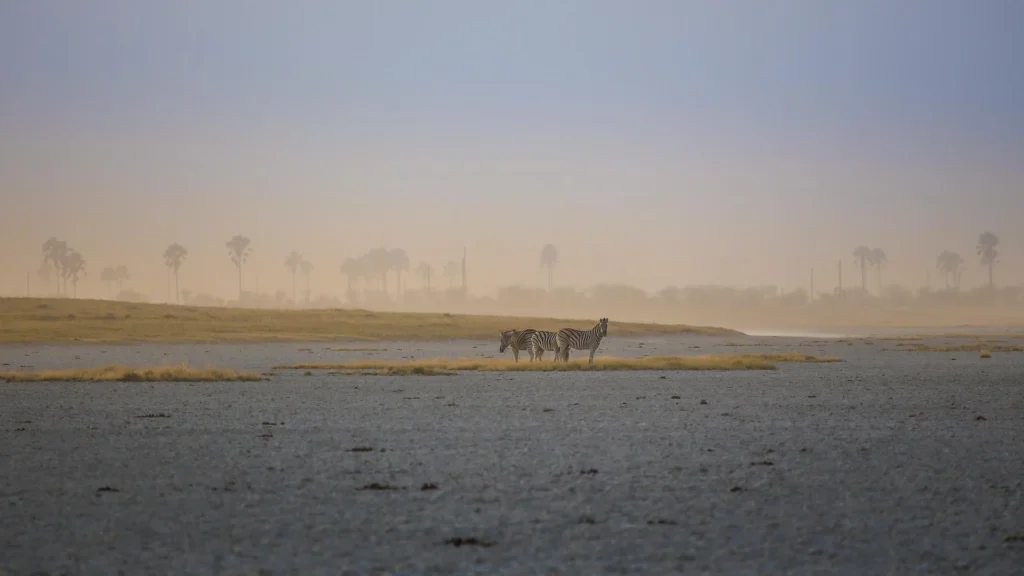
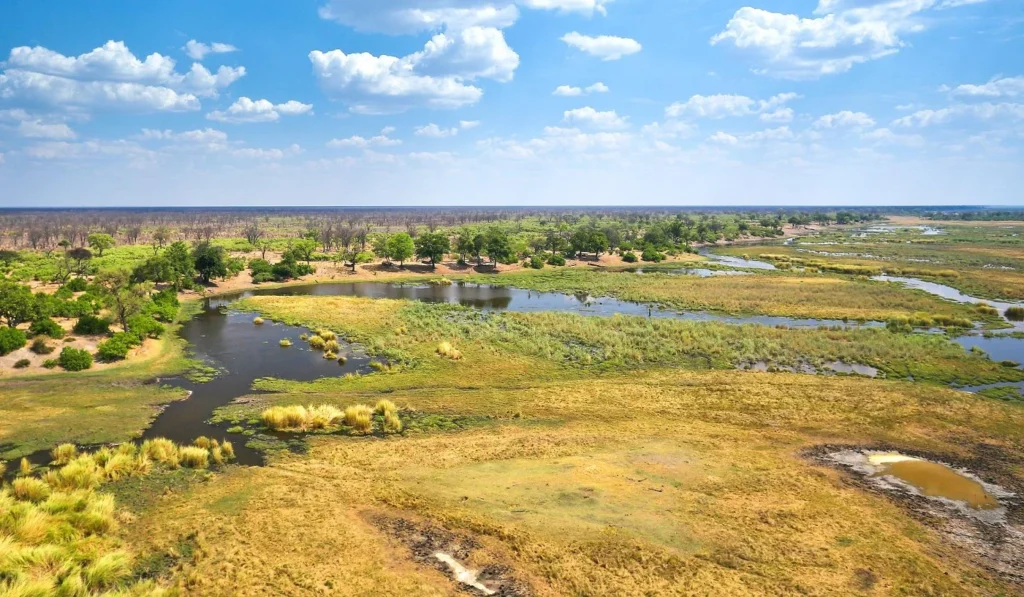
In the heart of the Kalahari Desert, water arrives in one of southern Africa’s driest places and turns it into one of the continent’s richest wildlife ecosystems. The Okavango supports enormous concentrations of animals, nourishes extraordinary biodiversity, and underpins local livelihoods.
In drought years the Delta becomes a lifeline. Fish, birds, elephants, and countless other species converge here, drawn to the one place that still holds water. When a system this vast remains strong, the entire region stays resilient. When it weakens, the damage extends well beyond its boundaries.
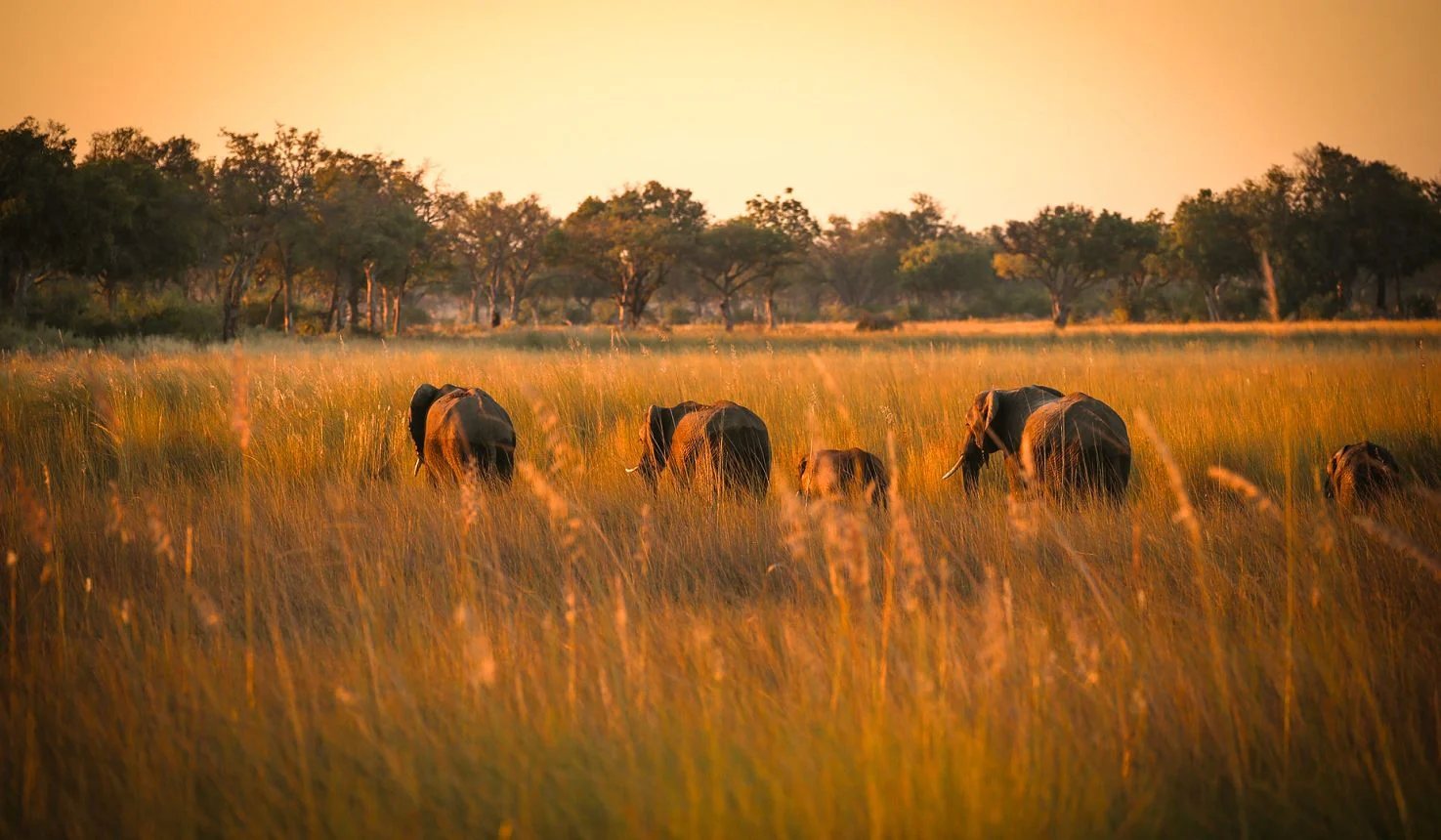
What makes the Okavango truly rare is not just what it does, but what it has never lost. It is one of the world’s largest intact inland wetlands. Floodwaters spread slowly across the landscape over months rather than weeks, keeping the plains alive long after rains have ended elsewhere. Animals still roam freely. Predators still hunt as they always have. Floodplains still flood naturally, untouched by dams or management plans.
In a world where nearly every wild place carries footnotes of human intervention, that untouched integrity makes the Okavango genuinely exceptional.

What threatens the Okavango Delta ecosystem
Despite it’s remoteness, there are considerable pressures upon the Okavango Delta, both environmental and from human encroachment:
Water upstream : The Okavango’s water originates in Angola and flows through Namibia before entering Botswana. Anything that happens upstream… dams, irrigation schemes, major water extraction, can disrupt the entire system.
Climate variability : Lower rainfall in Angola directly translates to smaller flood pulses. A system built on precise timing is sensitive to disruption. Smaller floods, faster dry-downs, hotter temperatures accelerating evaporation, all compress what the Delta can handle.
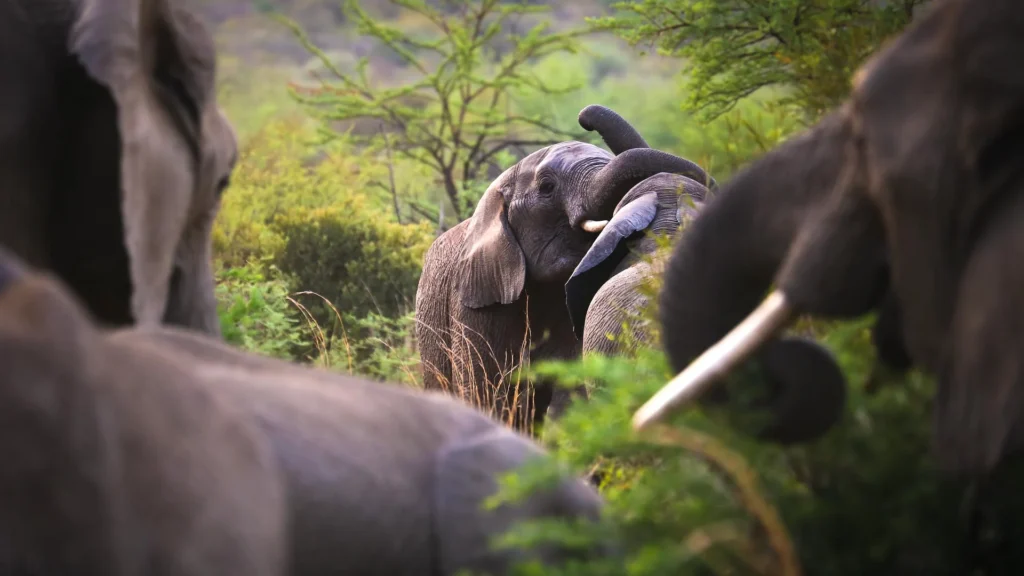
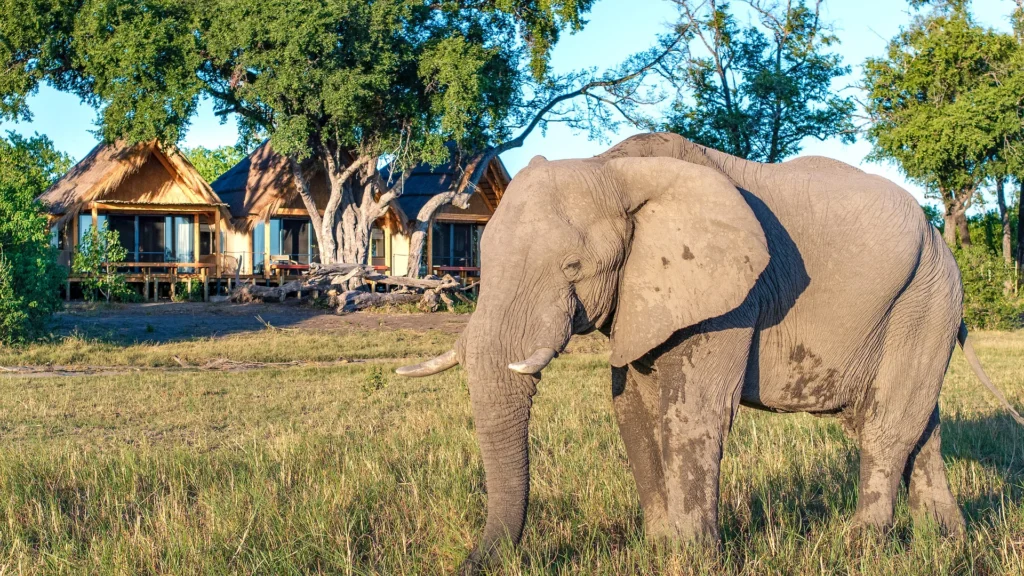
Human pressure at the margins : Farms, villages, roads, and livestock gradually encroach on the Delta’s edges. Elephants breach fences. Lions wander into settlements. Human-wildlife conflict becomes a daily reality for people living alongside the reserves.
Tourism, if unmanaged : Too many vehicles, poorly positioned camps, or disturbance during breeding seasons all leave marks on a sensitive system.
The Delta survives because these pressures are continuously monitored and managed through protected areas, concession controls, community involvement, and strict safari protocols.

Conservation in action
Protected areas and concessions : Large portions of the Delta fall within Moremi Game Reserve and other protected areas. Surrounding land operates as controlled wildlife management areas, creating layered protection that reduces habitat fragmentation and maintains ecological corridors.
The concession system is central to this approach. Private concessions lease land from the government under strict ecological guidelines. Camps are small. Vehicle numbers are limited. Guest numbers are controlled. This keeps wildlife encounters intimate rather than chaotic, and it means less soil compaction, less water extraction, and less waste accumulation.
Evidence-based management : Management isn’t static guesswork. Scientists continuously monitor wildlife populations, vegetation shifts, and flood levels. Anti-poaching patrols, fire management, and water research inform policy decisions. The system adapts as conditions change.
Community benefit : Local communities benefit directly, through employment in lodges, guiding, maintenance, and administration. In some areas, community trusts hold concession rights and receive revenue shares. When wildlife generates actual income, tolerance rises. An elephant becomes part of a system that funds schools, jobs, and infrastructure, not just a problem to solve.
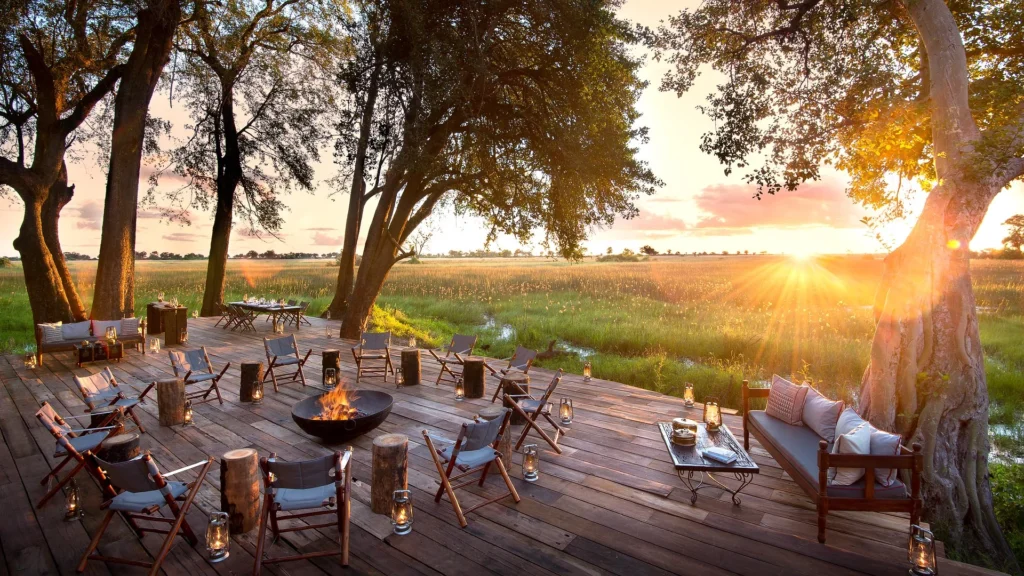
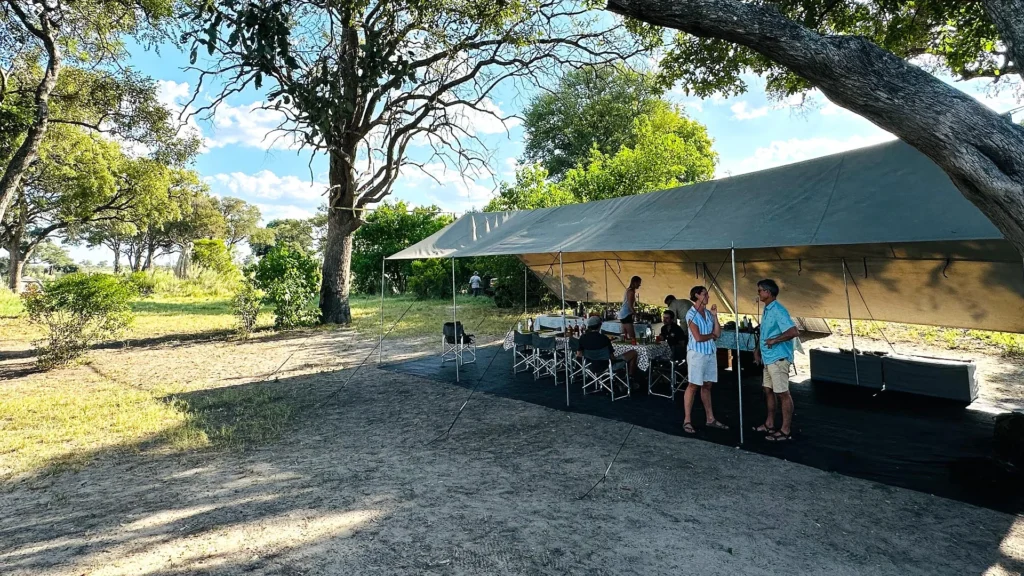
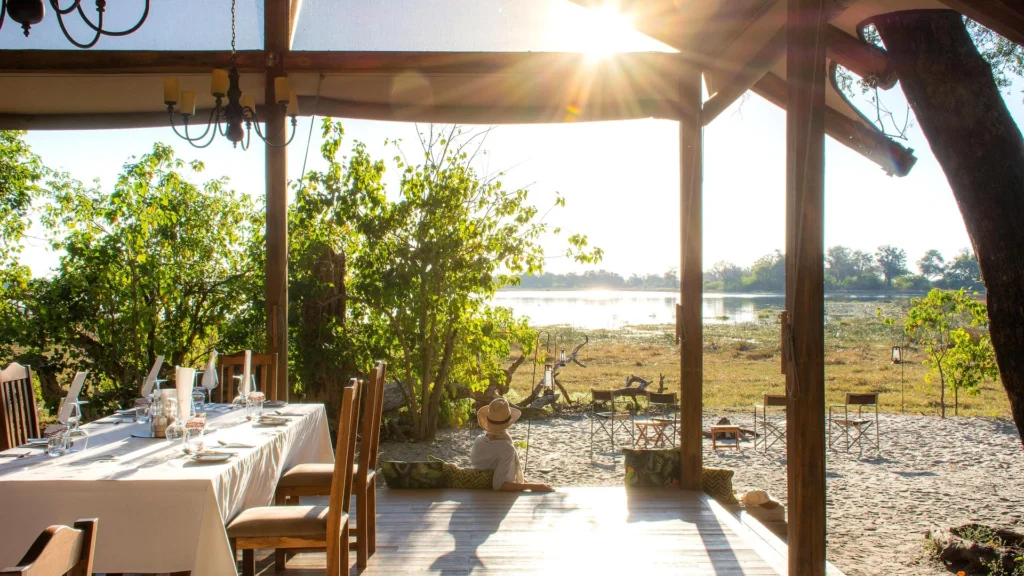
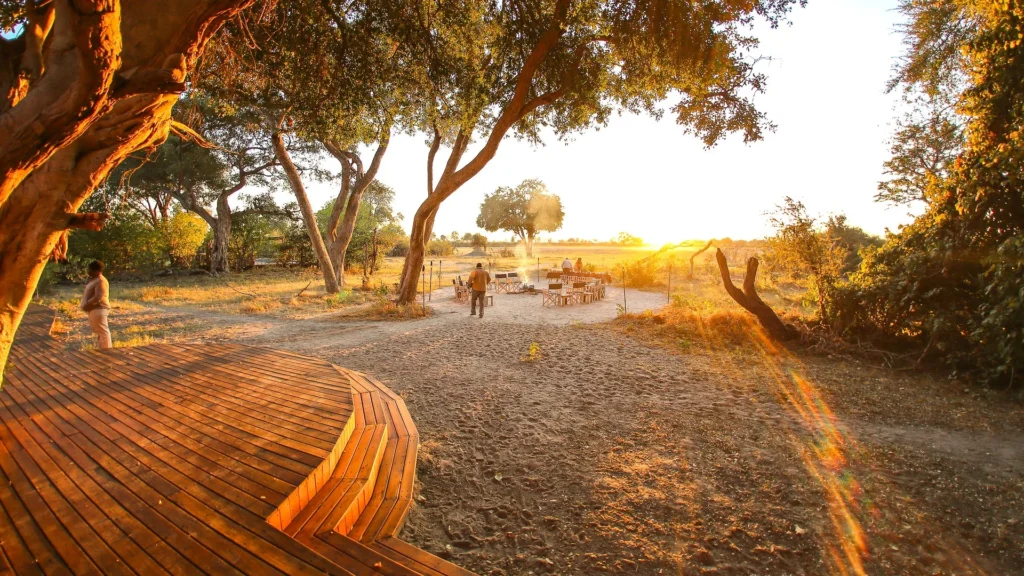
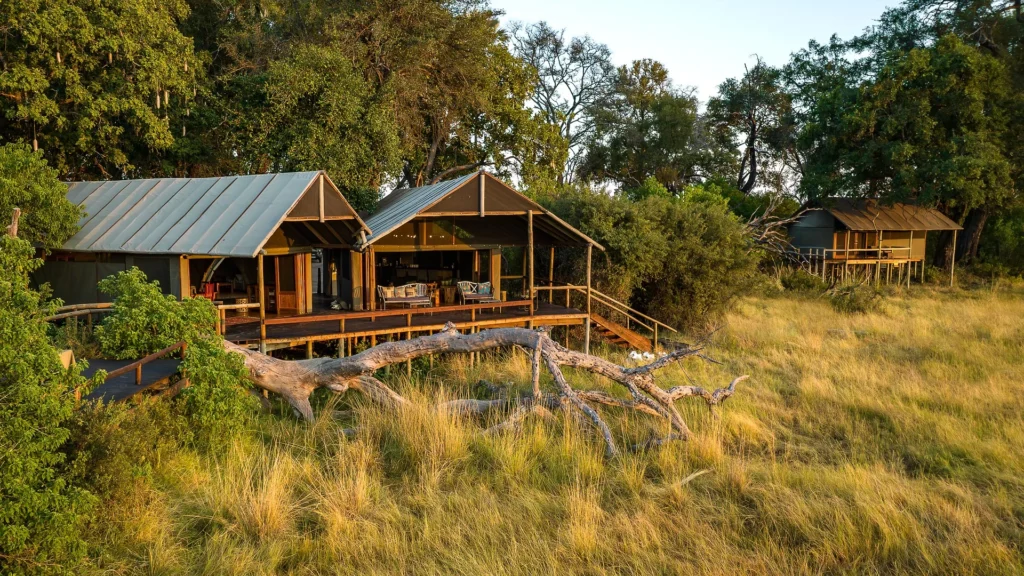
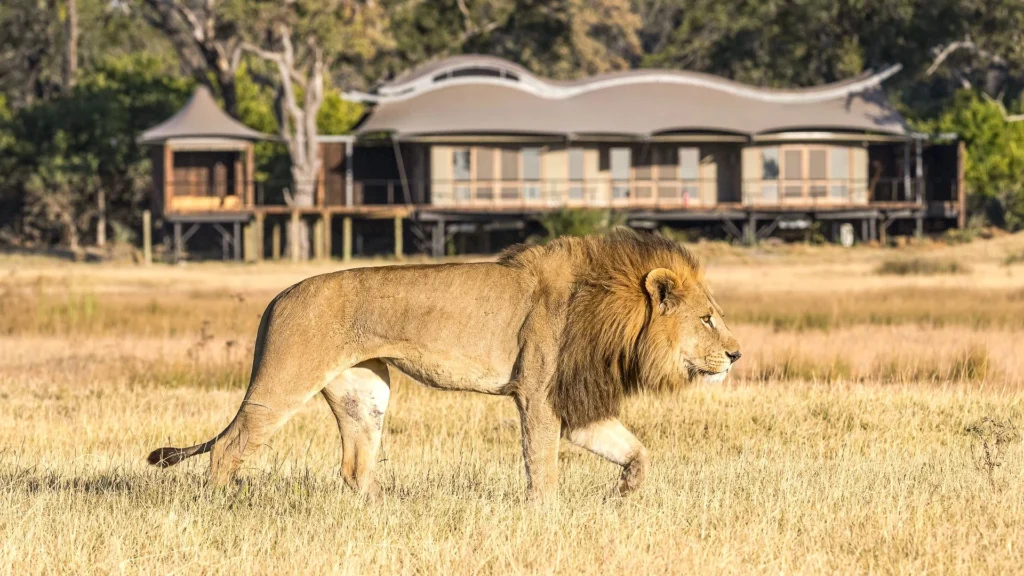
Low-impact operations : Camps operate on raised decks so seasonal floods pass beneath without disruption. Most run on solar power. Water use is monitored carefully. Waste is removed or treated properly. Safaris follow strict protocols. Walking routes avoid sensitive reed beds. The principle is simple: leave as little trace as possible.

Why safari tourism matters for conservation
Revenue from travel funds anti-poaching units, wildlife monitoring, and protected area management. It justifies keeping vast tracts of land under conservation rather than agriculture or livestock production. Without that economic incentive, the argument for protecting the Delta would weaken significantly.
Conservation here isn’t an accident. It’s a strategy. It ties the Delta’s survival to national policy, private investment, and community benefit.
In practice, low-volume conservation travel means fewer vehicles at sightings, more exclusive access, and guides with genuine relationships to the land they work on. It also means paying a premium, camps here are among the most expensive in Africa, and that’s partly by design.
We think it’s worth it. The Okavango is one of those places where the price and the experience are genuinely aligned. If you’d like to talk through which concessions and camps we’d recommend, we’re happy to help.

Further reading
Extraordinary tailor-made adventures,
from earthy and edgy to easy and extravagant
From around USD 2500 per person, you set the ceiling
Sample Trips
Here are some of our popular trip shapes

Get started on your trip
It’s never too soon to get in touch, we are here to help with every stage of your planning.
Best Lodges
We regularly inspect and photograph all of the the best lodges, to ensure that we always recommend the most suitable options

Key Locations
Take a look around related locations. Click ‘View more’ to explore locations further afield.