Mara Reserve
Mara Reserve
features migration river crossings
during Jul-Oct
a vast and highly productive ecosystem
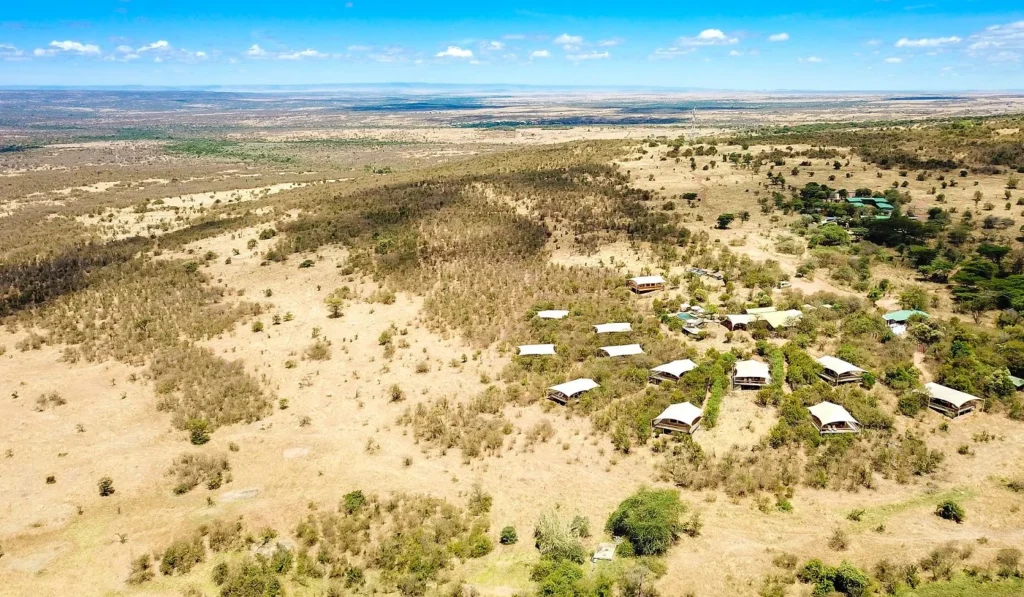
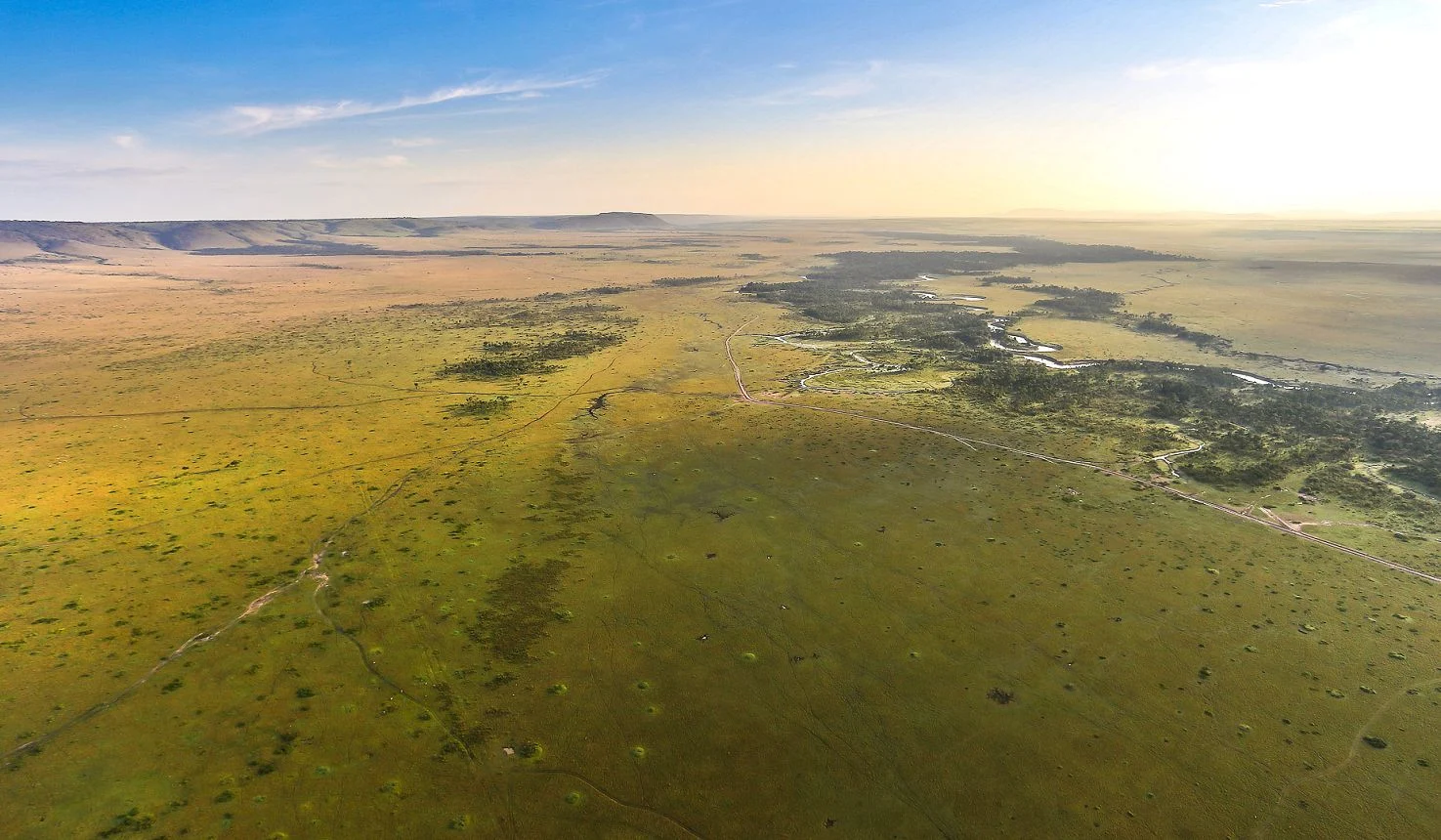
The Maasai Mara National Reserve forms a large part of the northern extension of the Serengeti-Mara ecosystem and is widely regarded as one of the most dependable wildlife destinations on the continent.
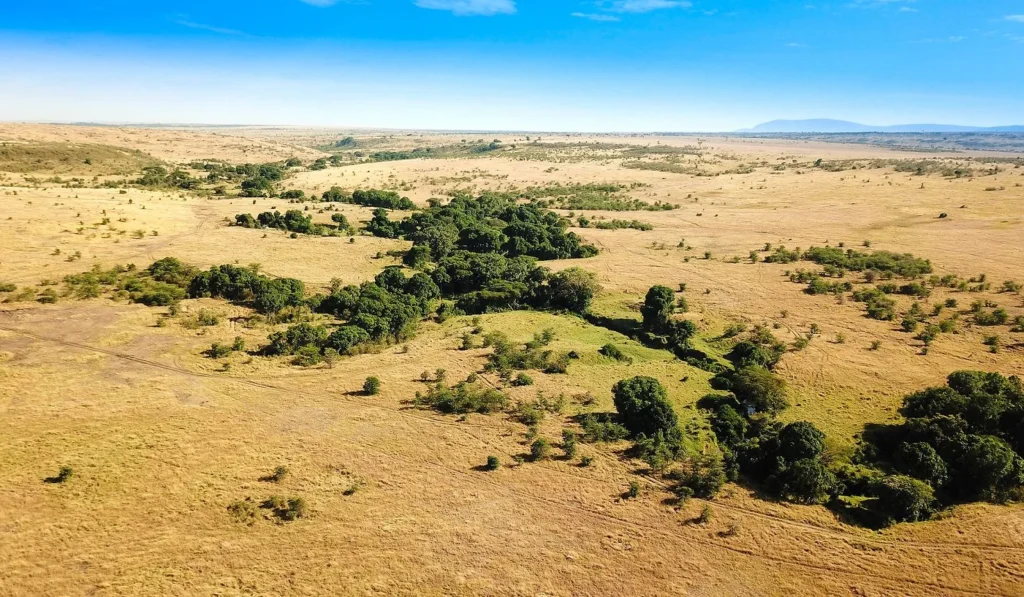
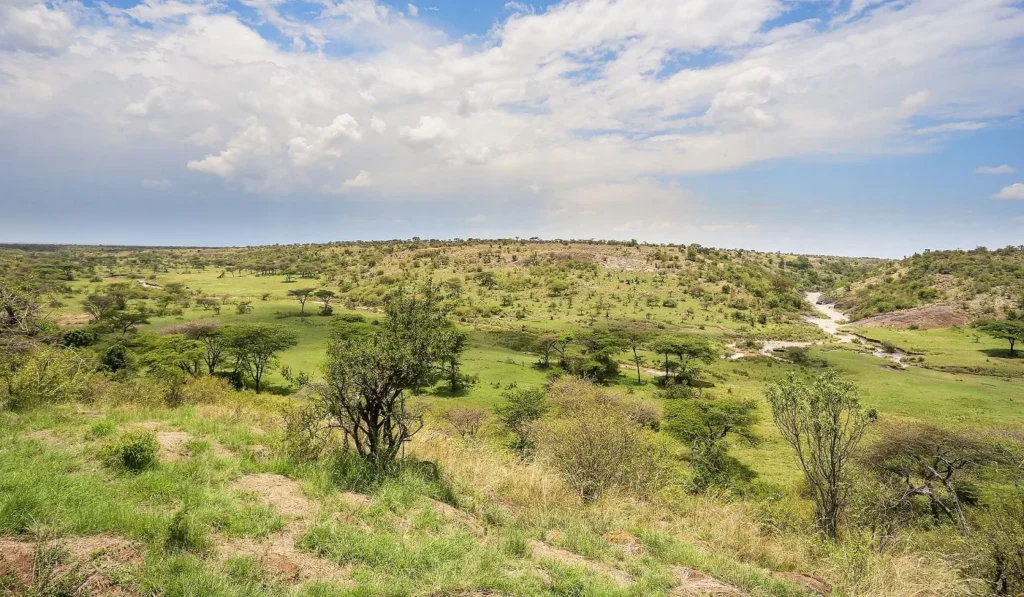
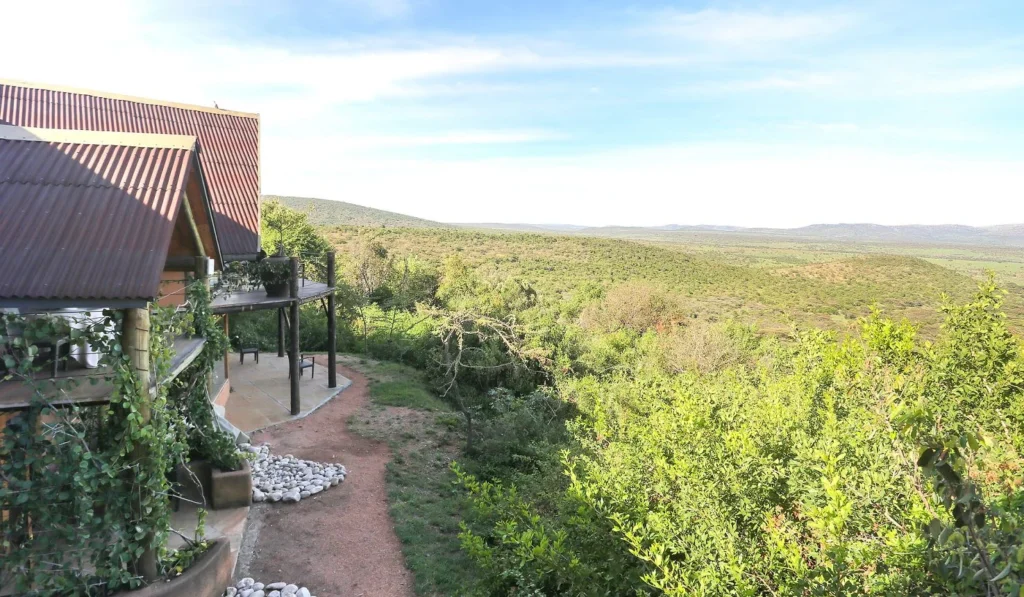
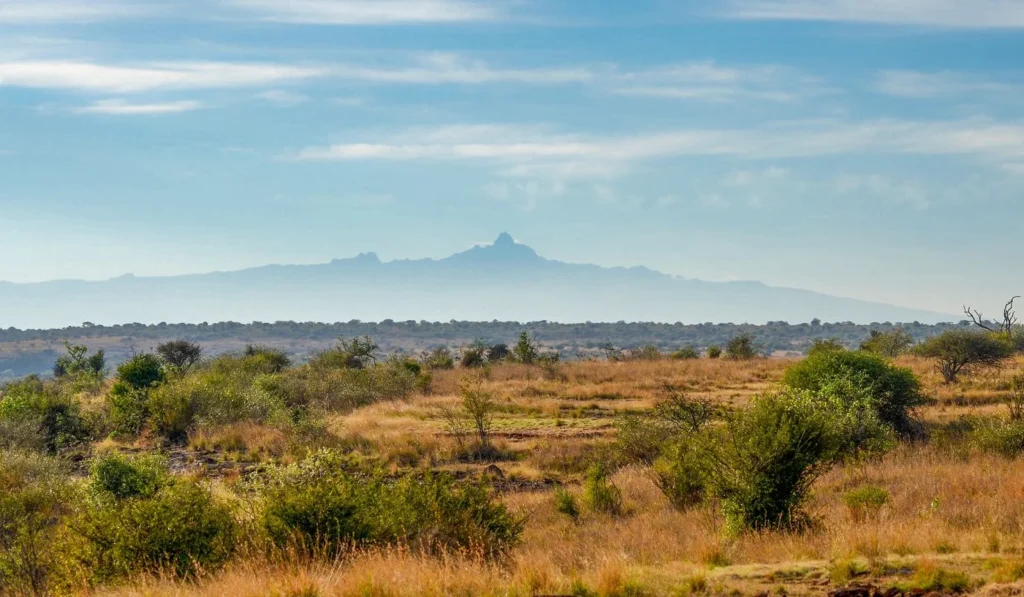
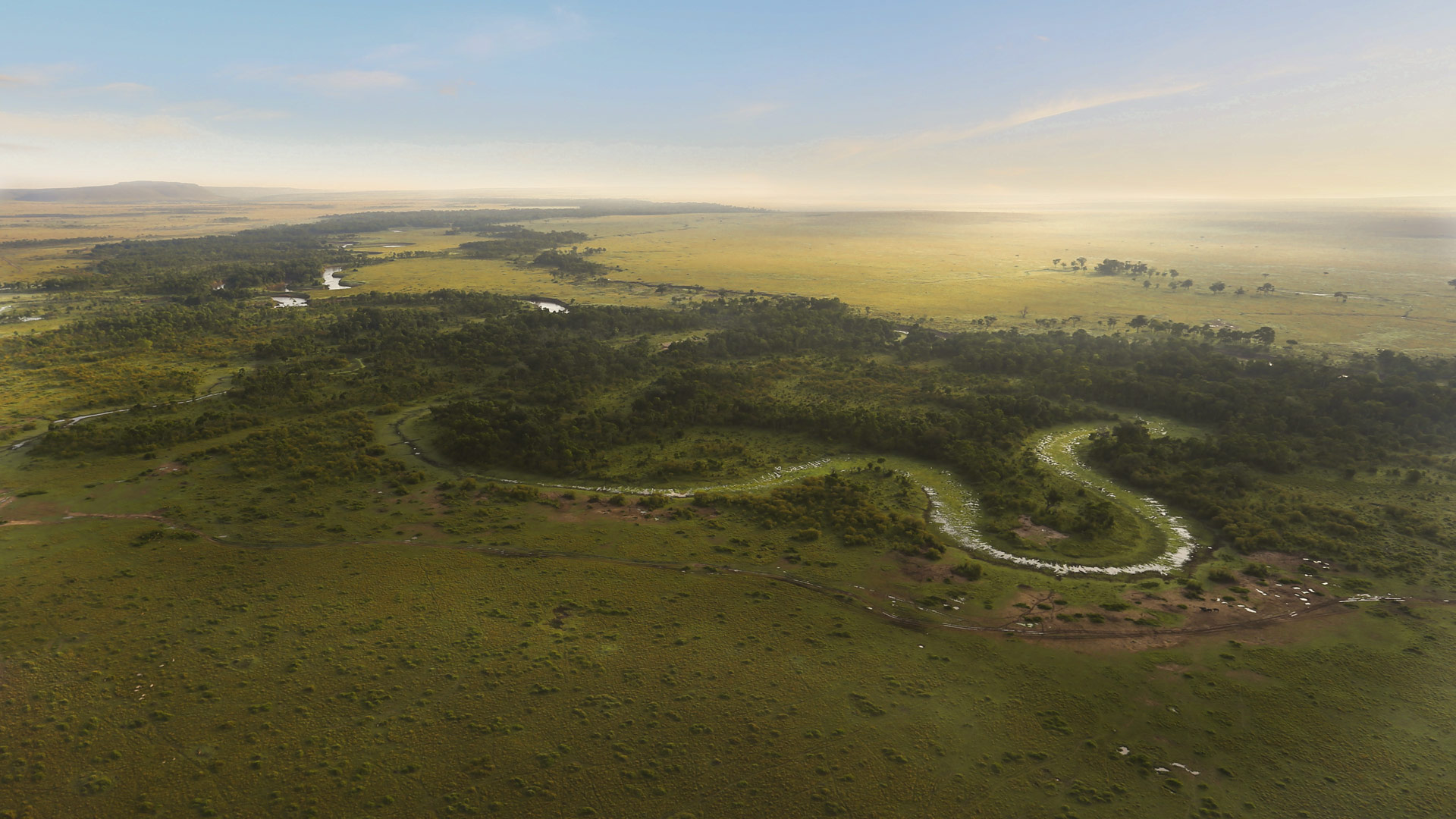
This is a classically beautiful landscape of open grasslands and undulating hills, dotted with acacia trees and cut through by permanent rivers, with distant views in places towards the Oloololo Escarpment.
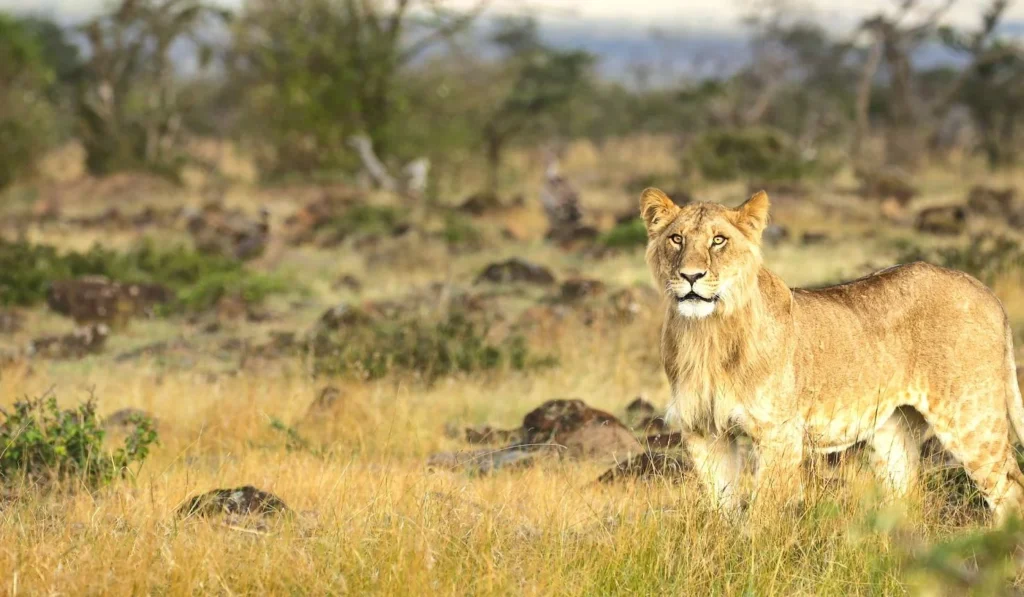
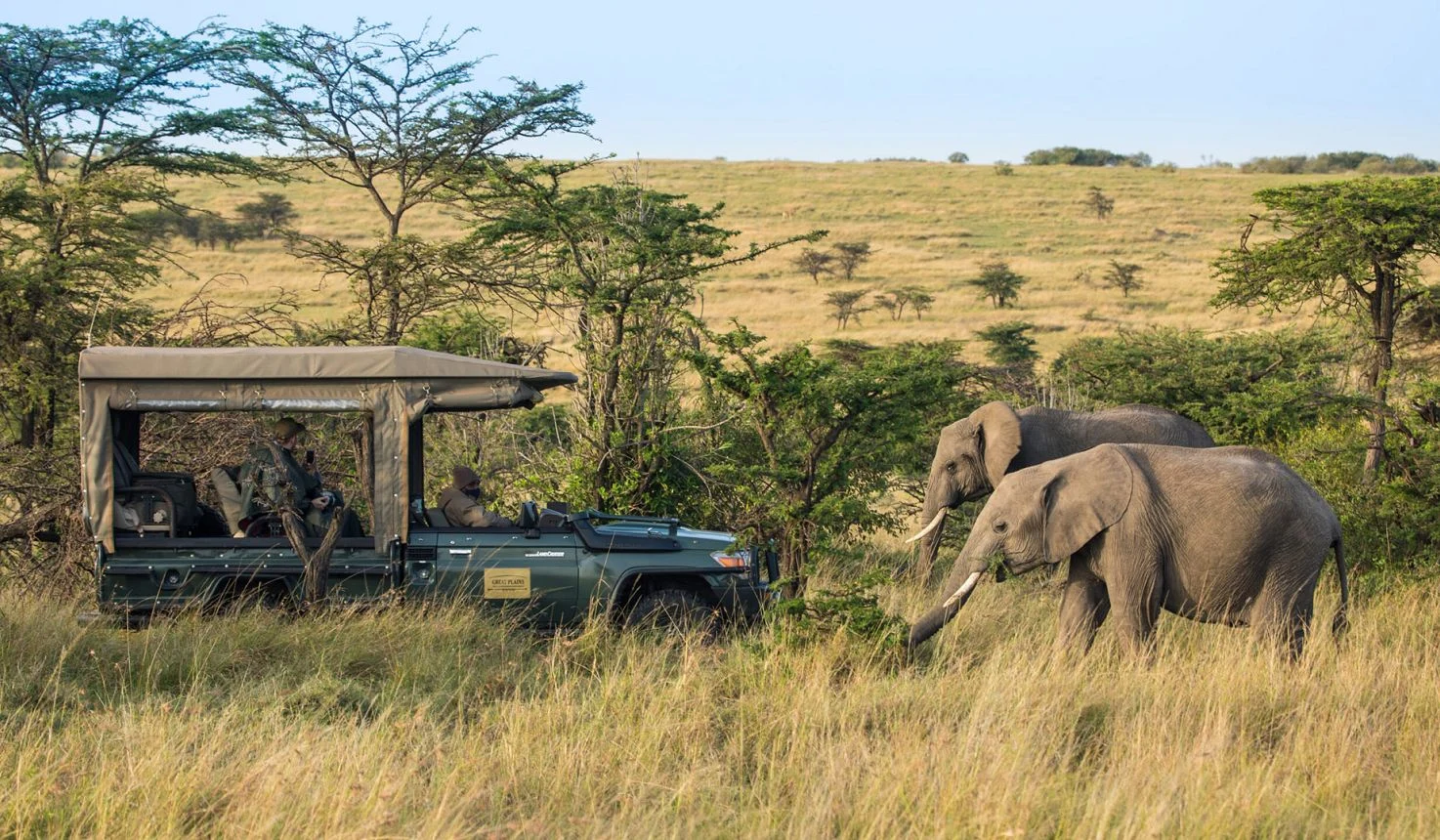
The plains support a rich and varied population of grazers throughout the year, including giraffes, zebras, hartebeests and warthogs. These herds are accompanied by notably high densities of predators, including lions, cheetahs, hyenas and jackals.
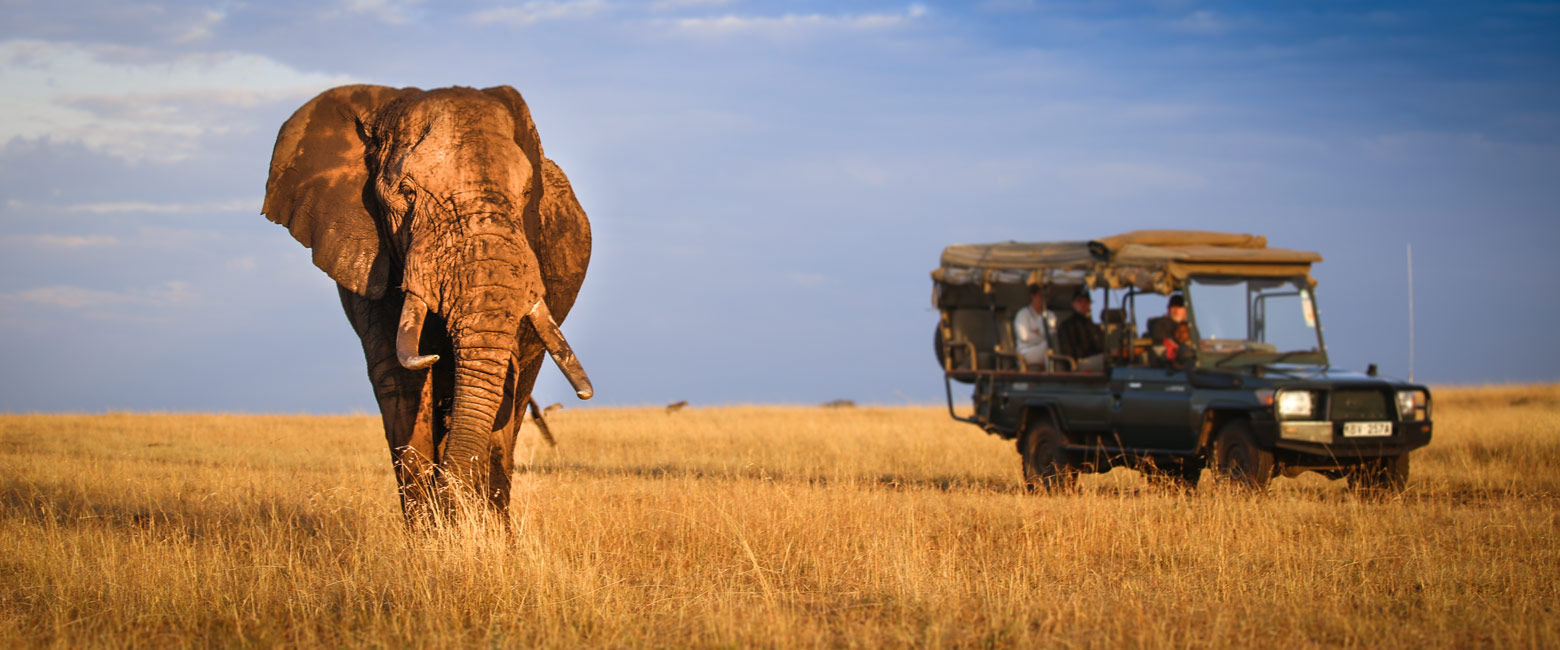
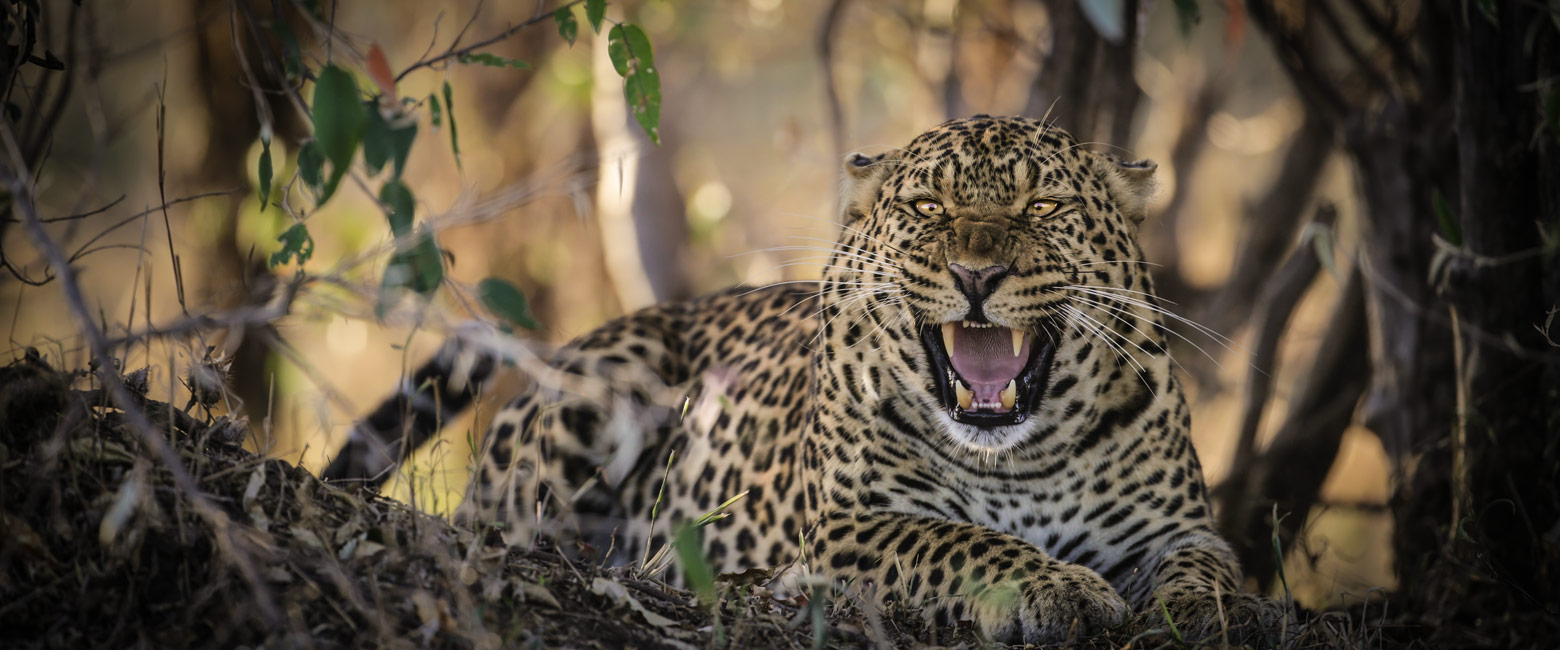
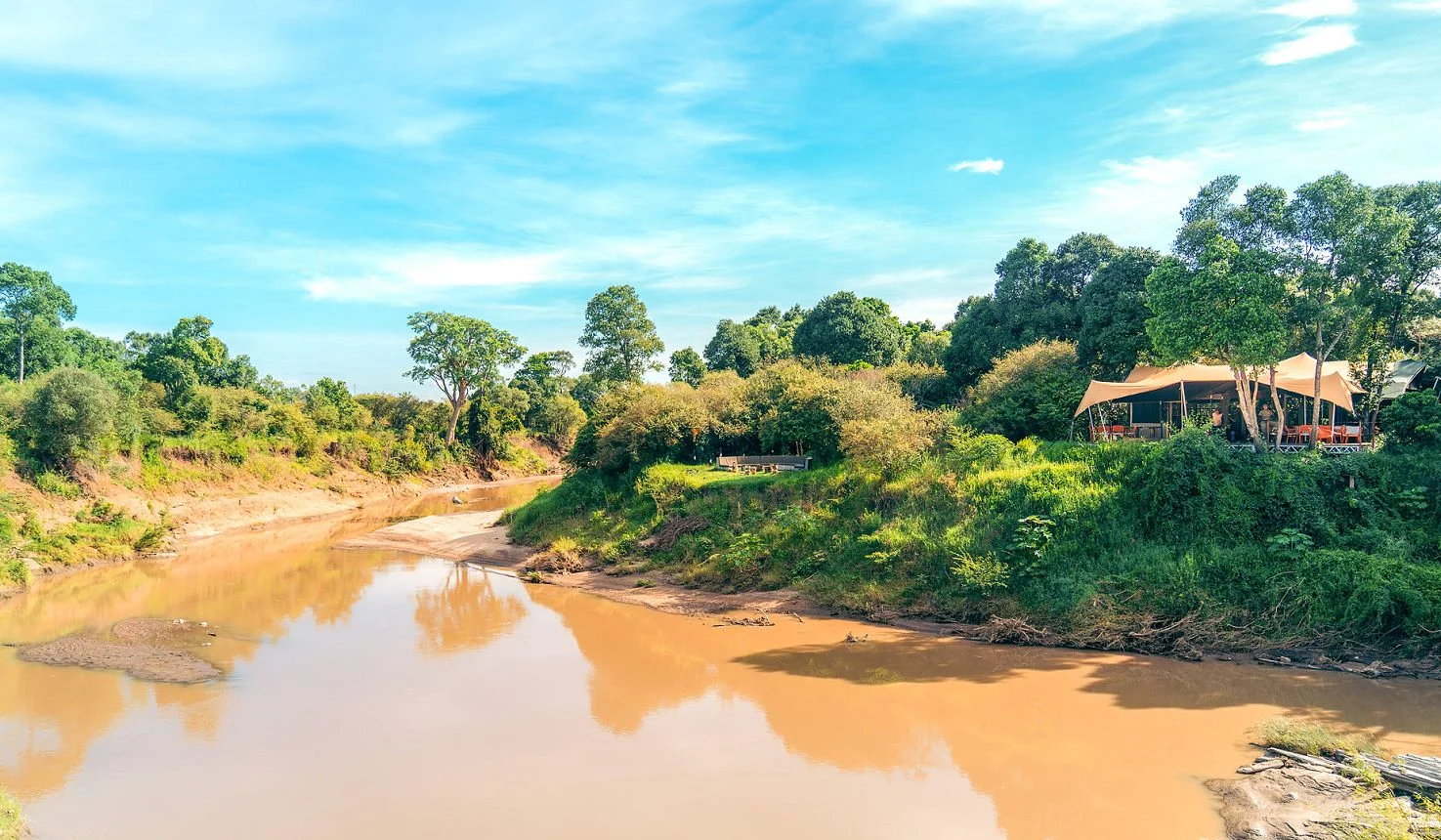
Riverine corridors and pockets of woodland with seasonal ‘luggas’ add an important layer of diversity, supporting elephants, buffaloes, hippos, crocodiles and leopards, along with prolific birdlife.
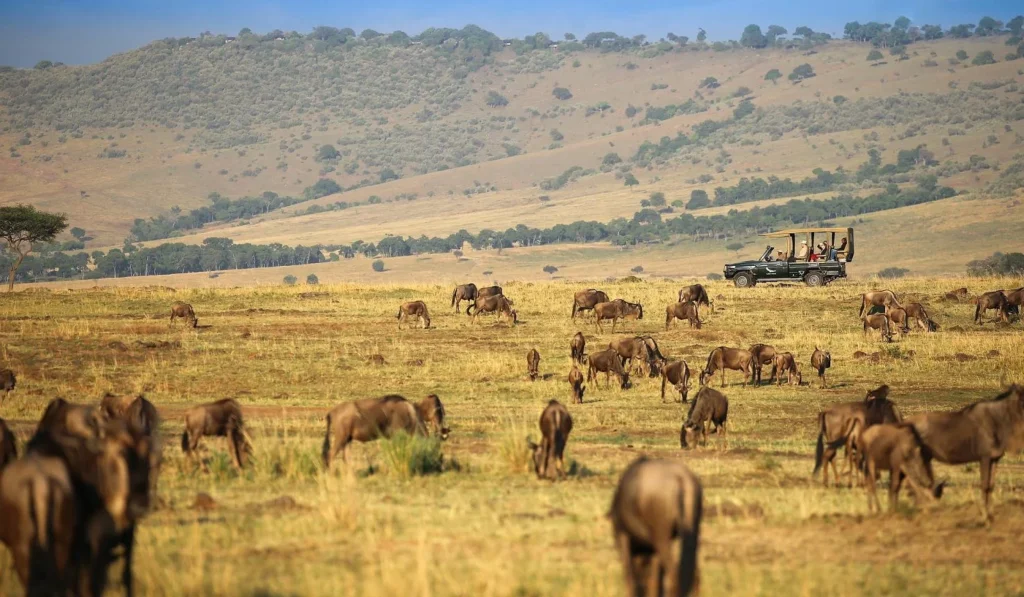
Between Jul–Oct, the reserve hosts the northern reaches of the migratory herds of wildebeest and zebra as they move through the area, during which time it is widely regarded as one of the two best locations for viewing river crossings (along with the Mara Triangle on the opposite bank).
Unusually for a national park, some of the top safari operators are permitted to break their safaris with lovely bush meals at suitably scenic spots, which really does add to the overall experience.
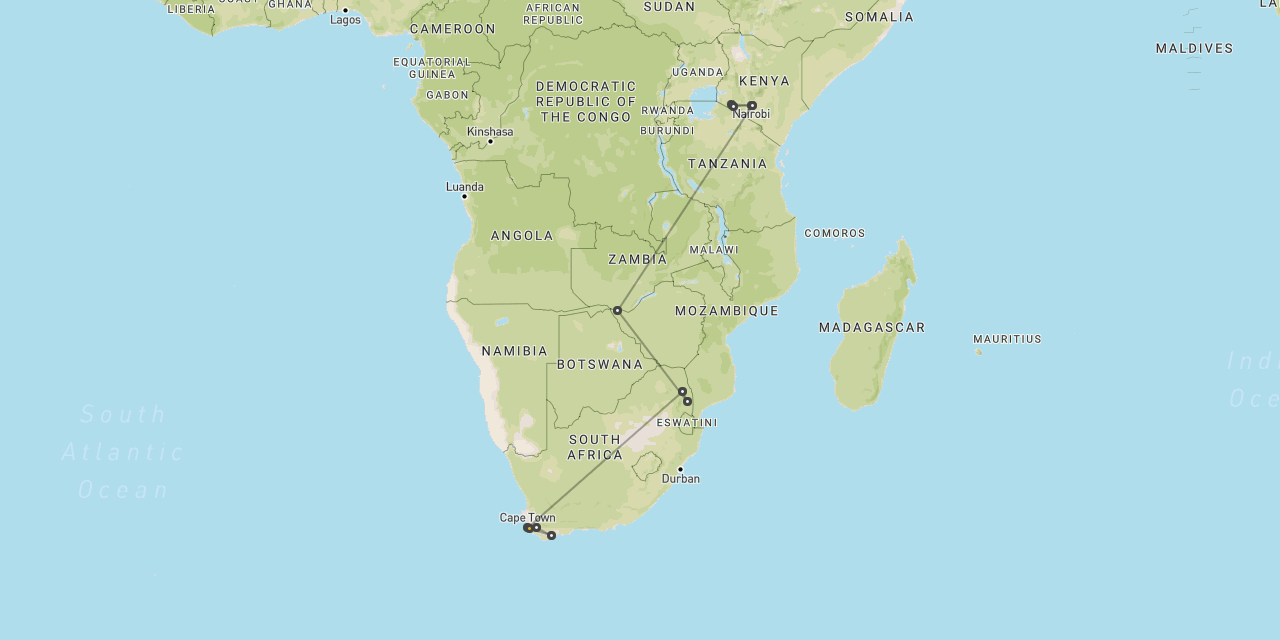
Map
The Maasai Mara tends to feature in almost all safari trips to Kenya. As well as being the best known reserve, it is also the most productive for wildlife.
The usual stay duration is 4-8 nights split between two camps, less frequently 3-4 nights in just one camp.
Traffic avoidance
Unfortunately the Mara Reserve area does suffer from considerable traffic flows, largely derived from lodges further afield and mainly chasing after river crossings.
The worst of this vehicle traffic can often be largely avoided by staying at one of the better camps in the heart of the area and making the most of the quieter early morning and late afternoon periods, although it’s rare to find yourself completely alone during high season.
Seasonality
The best time of year to visit the Mara Confluence area is generally considered to be the Jul-Oct dry season, when the weather should be reliably good and the migration herds are likely to be around.
The Nov-Jun green season may be much less dependable for weather, but remains really strong for wildlife viewing and benefits from dramatically lower visitor numbers (except for the busy Dec-Jan holiday fortnight of course).
Getting around
You’re most likely to arrive into the Maasai Mara area via the regular light aircraft services that operate from Nairobi, which means that you will travel around the area with a guide and vehicle from the camp in which you are staying.
It is also possible to travel down to the Maasai Mara by road, which is quite a long and tiresome journey, but not without interest. The trouble is that the better lodges in the Mara will offer you no discount for having your own guide and vehicle along, so you end up paying for both, which works out more expensive than flying down.
Where to stay
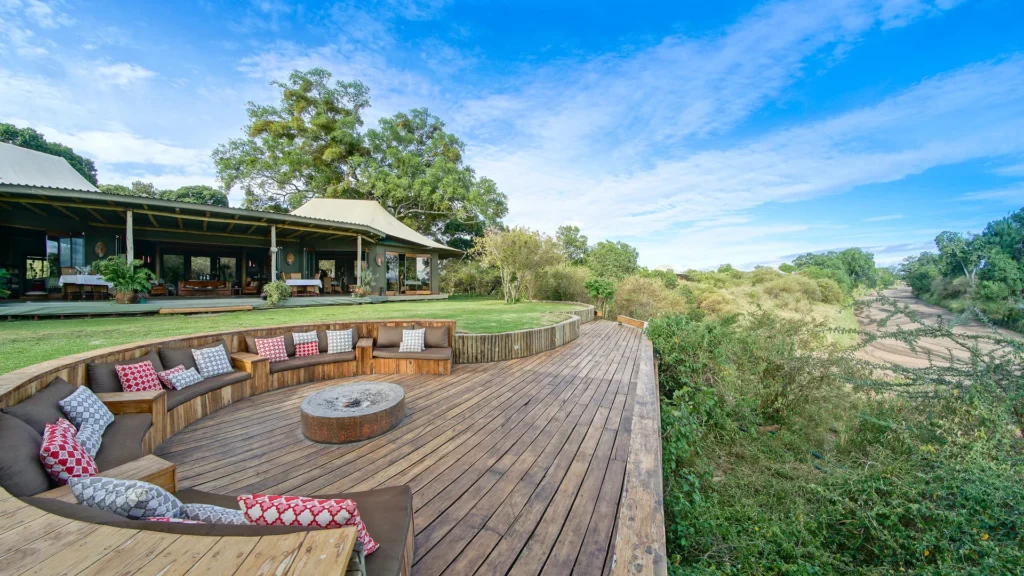
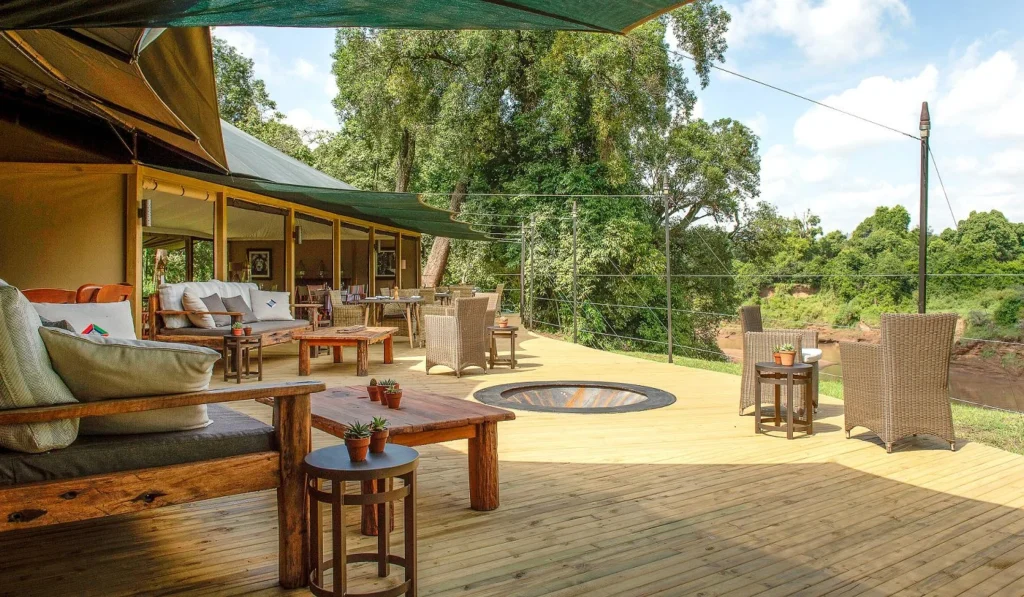
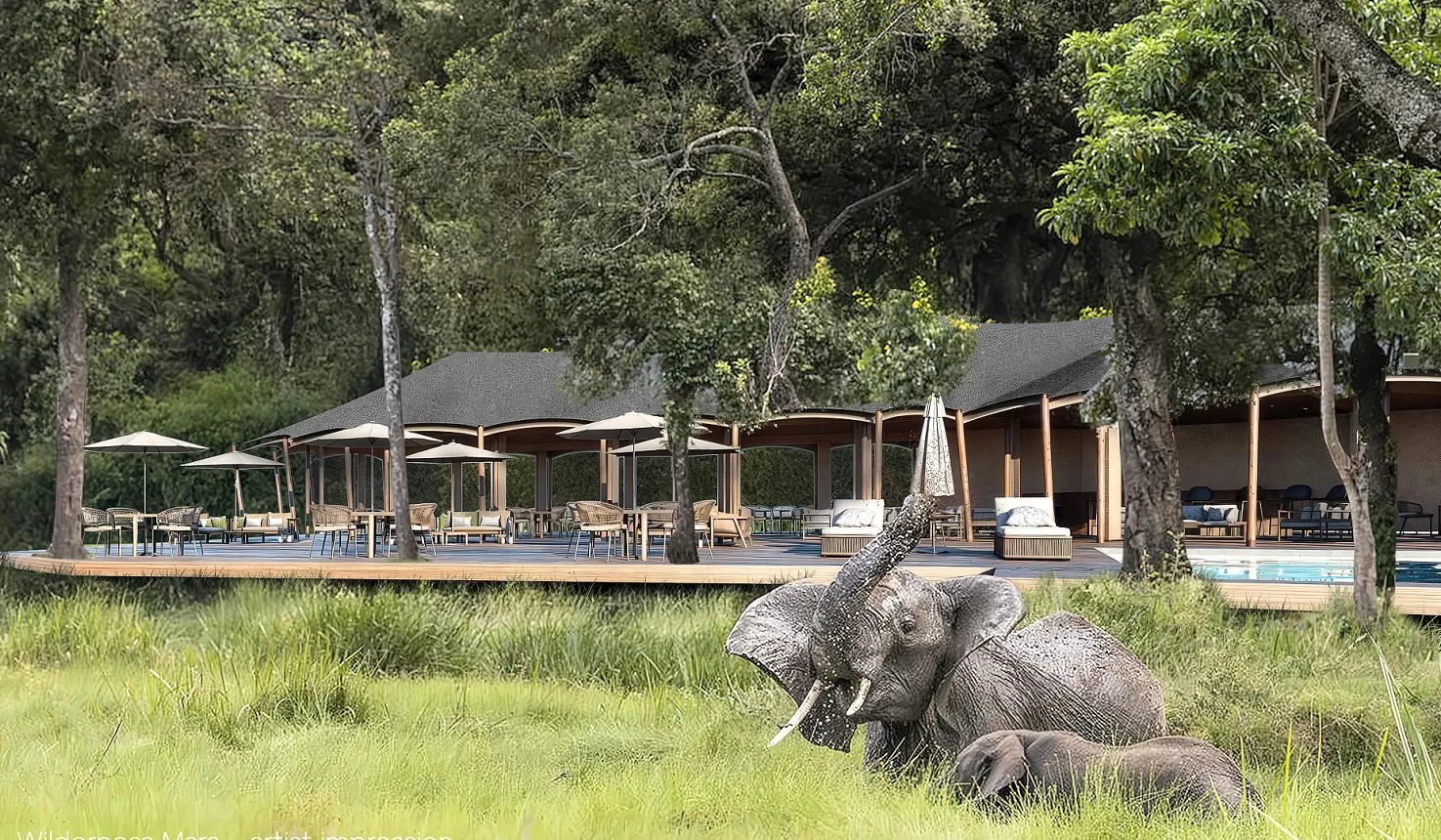
The amount of accommodation in the Mara Confluence area has exploded in recent years. As recently as 2014 we only had a handful of places listed, we now have around 25 properties of various descriptions.
However the top options remain pretty obvious, as you will see from the ratings.
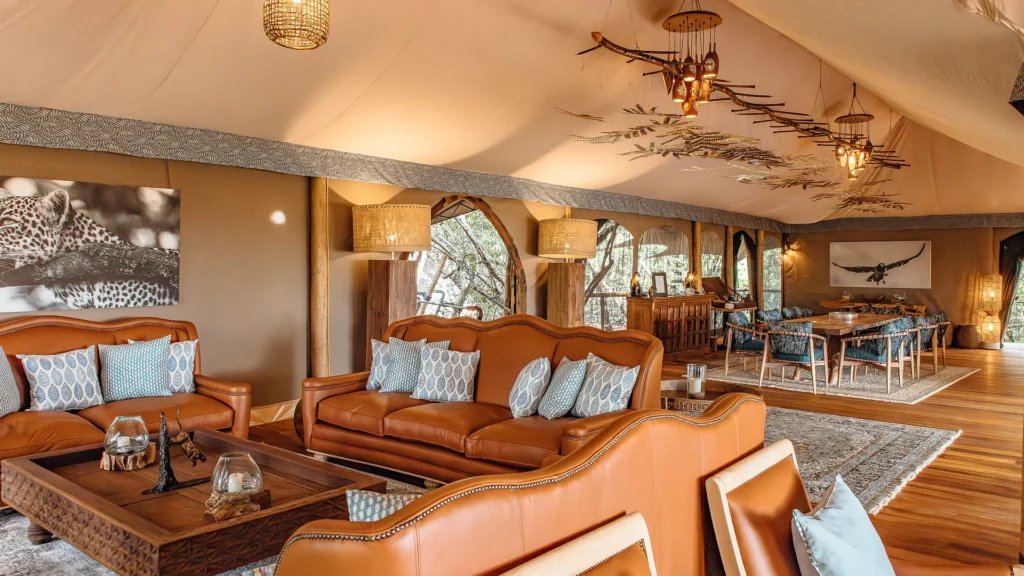
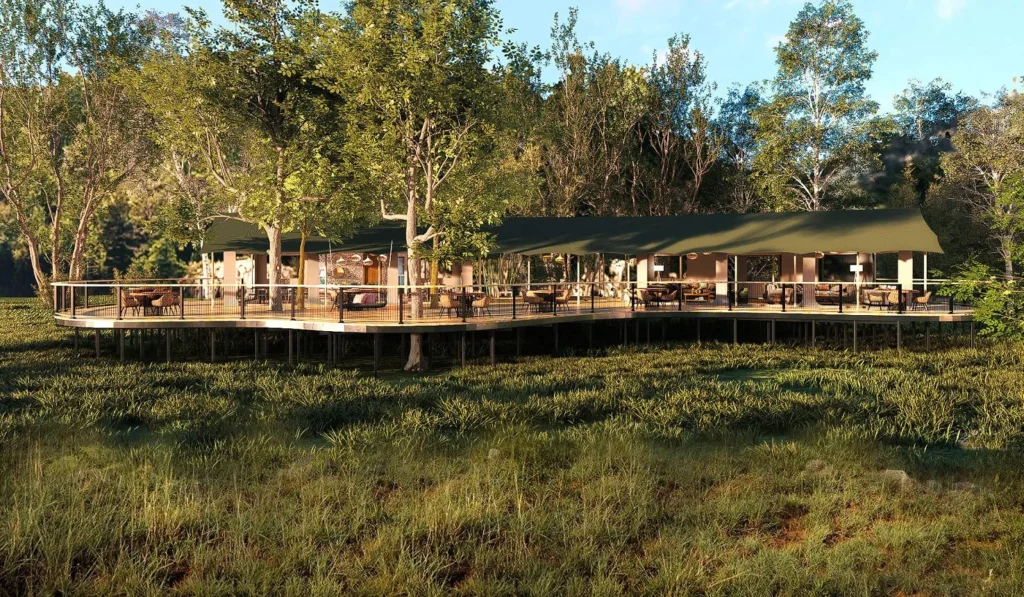
The most polished option is the deceptively high quality Mara Expedition, the most luxurious is definitely Sala’s Camp, the original experience is to be found at Rekero Camp and the most earthy and authentic option is Serian Nkorombo.
traffic issues demand careful planning
let us know your thoughts about Kenya
and we will help you create the perfect safari
Extraordinary tailor-made adventures,
from earthy and edgy to easy and extravagant
From around USD 2500 per person, you set the ceiling
Sample Trips
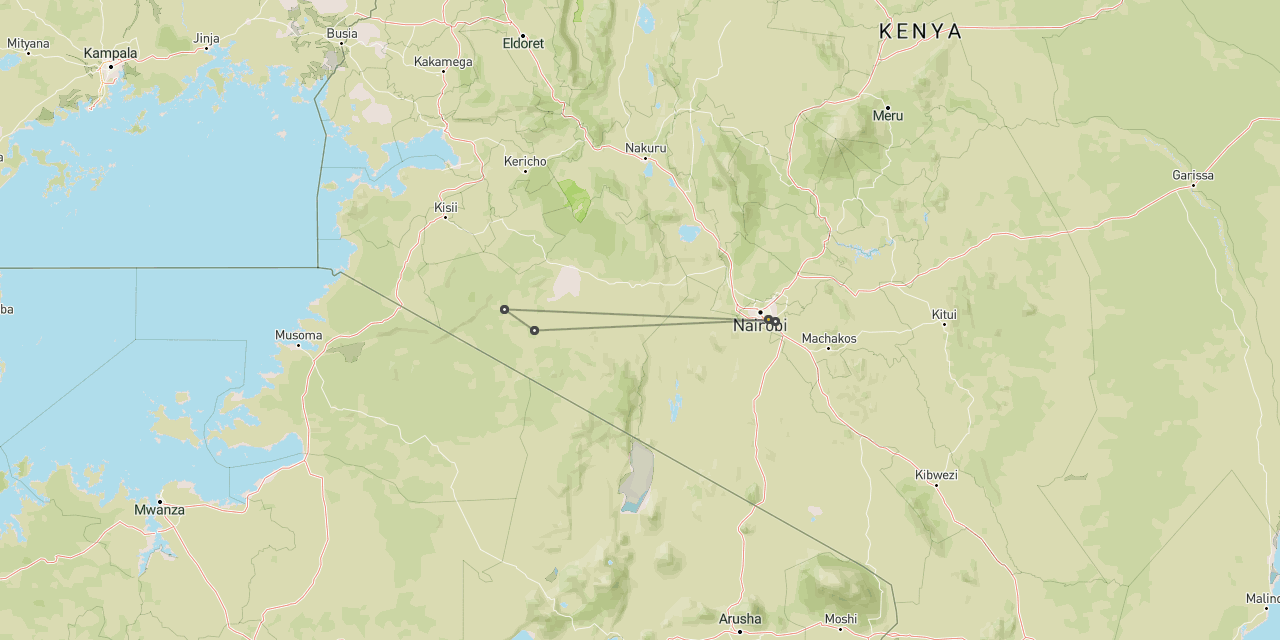
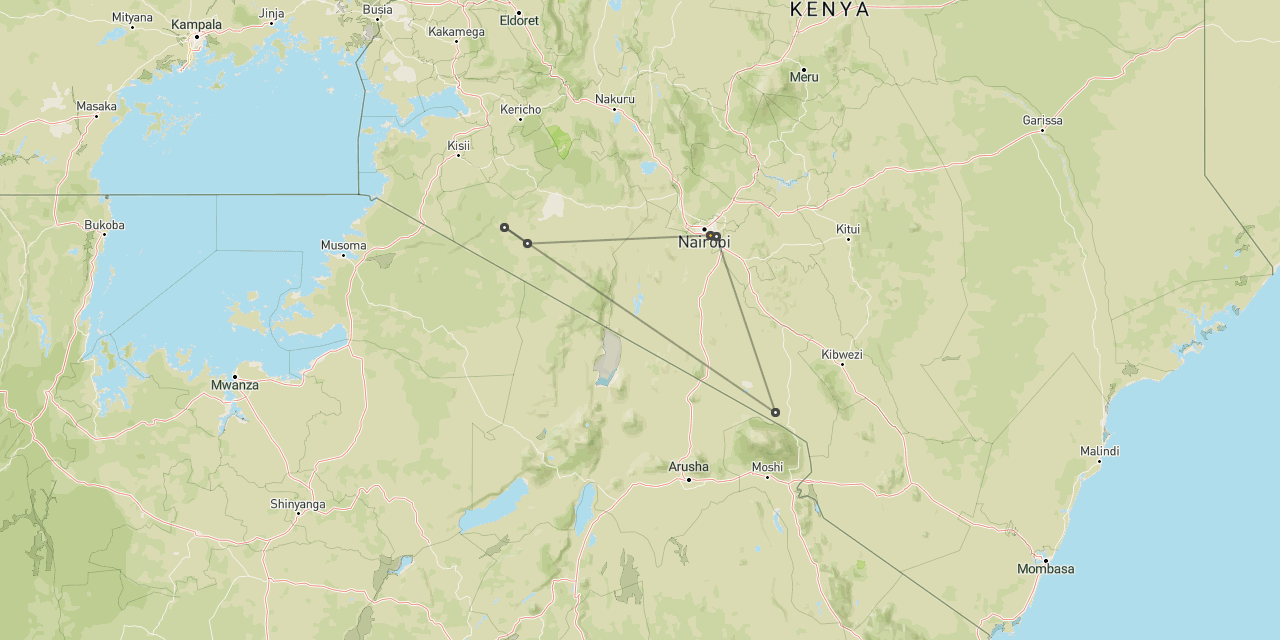
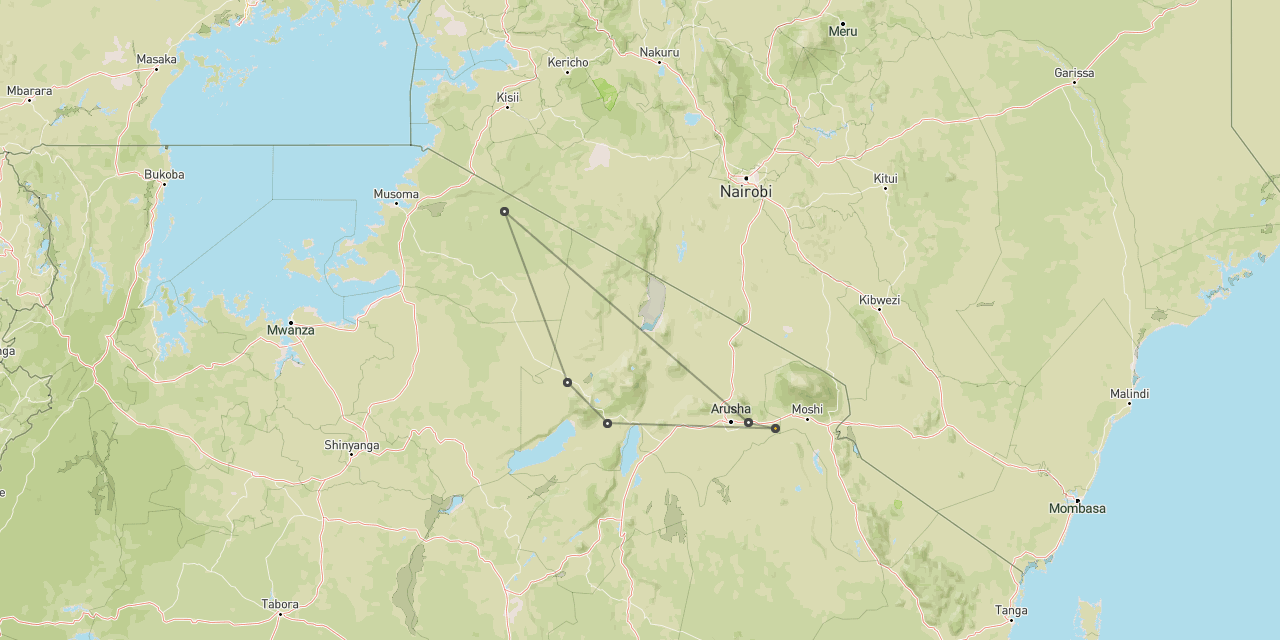
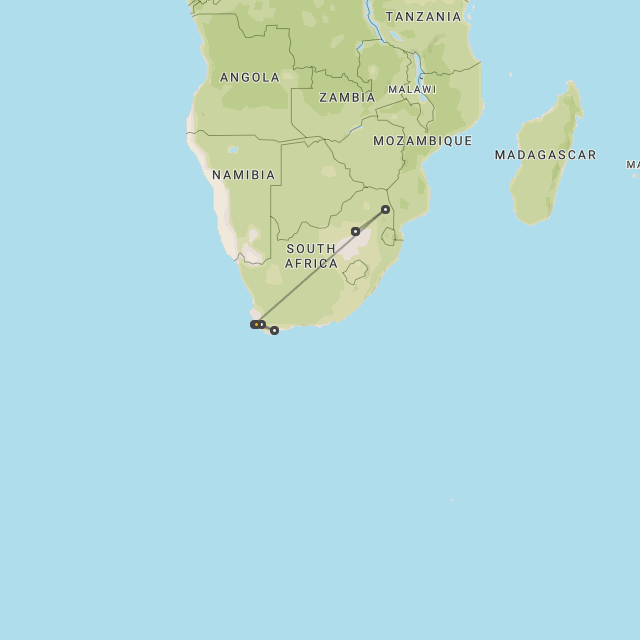
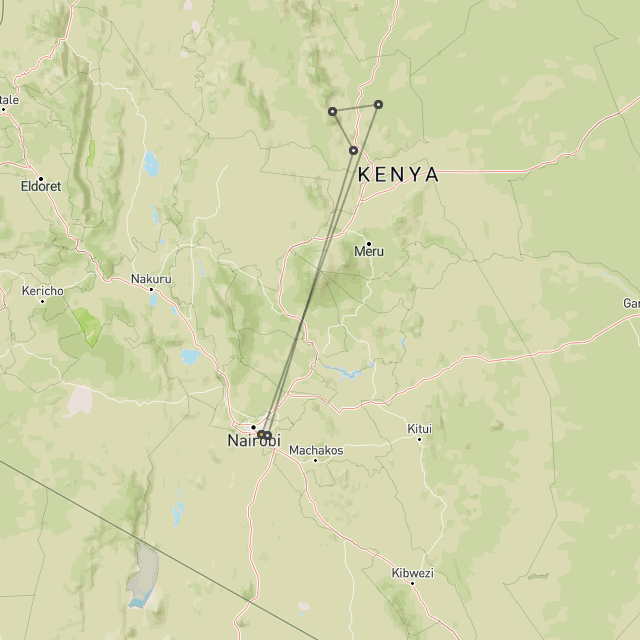
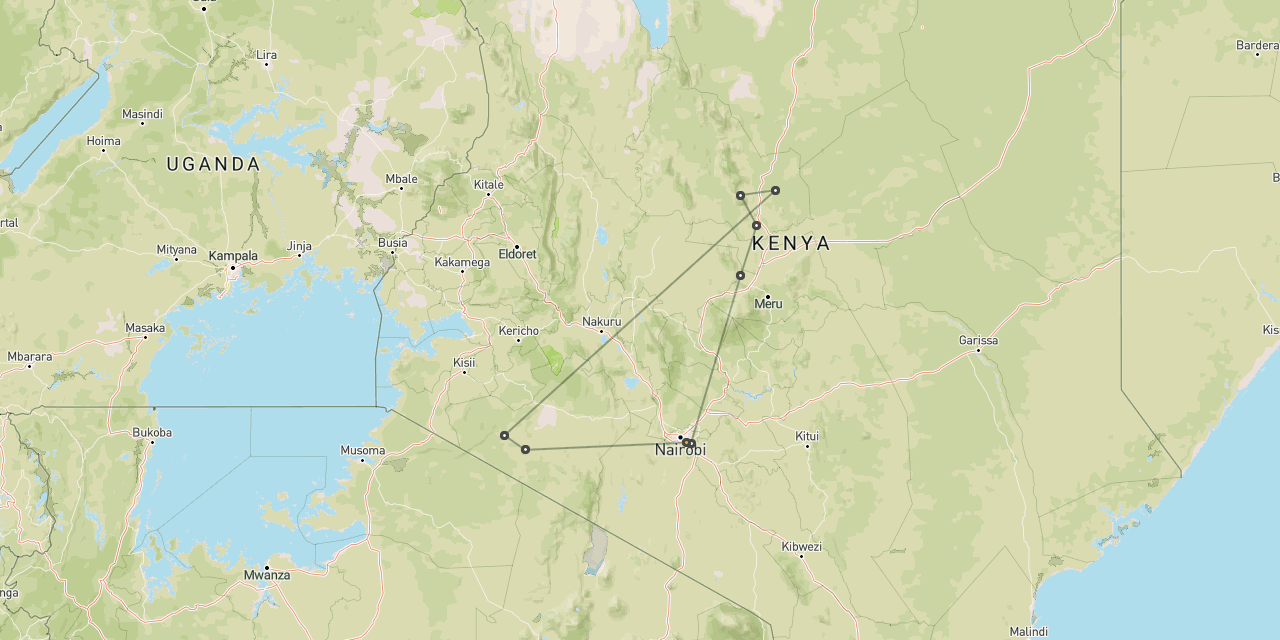
Here are some of our popular trip shapes
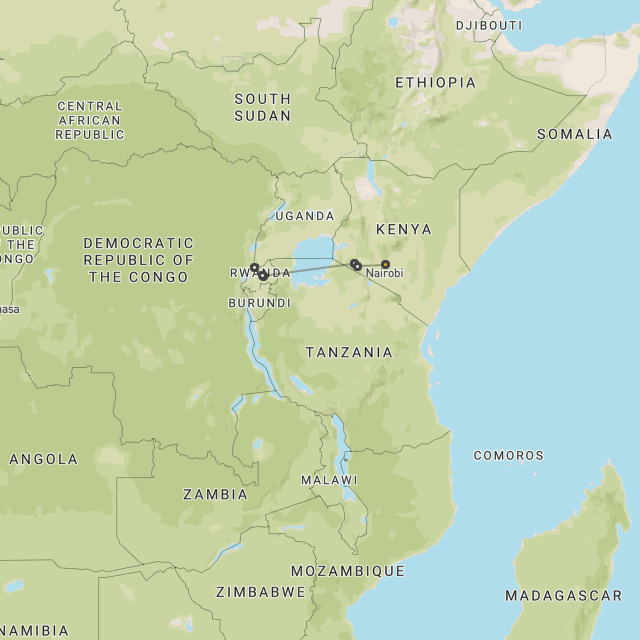
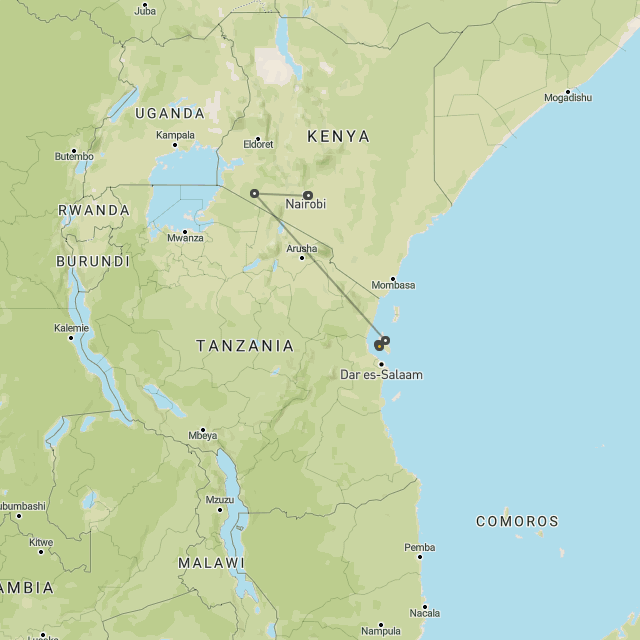
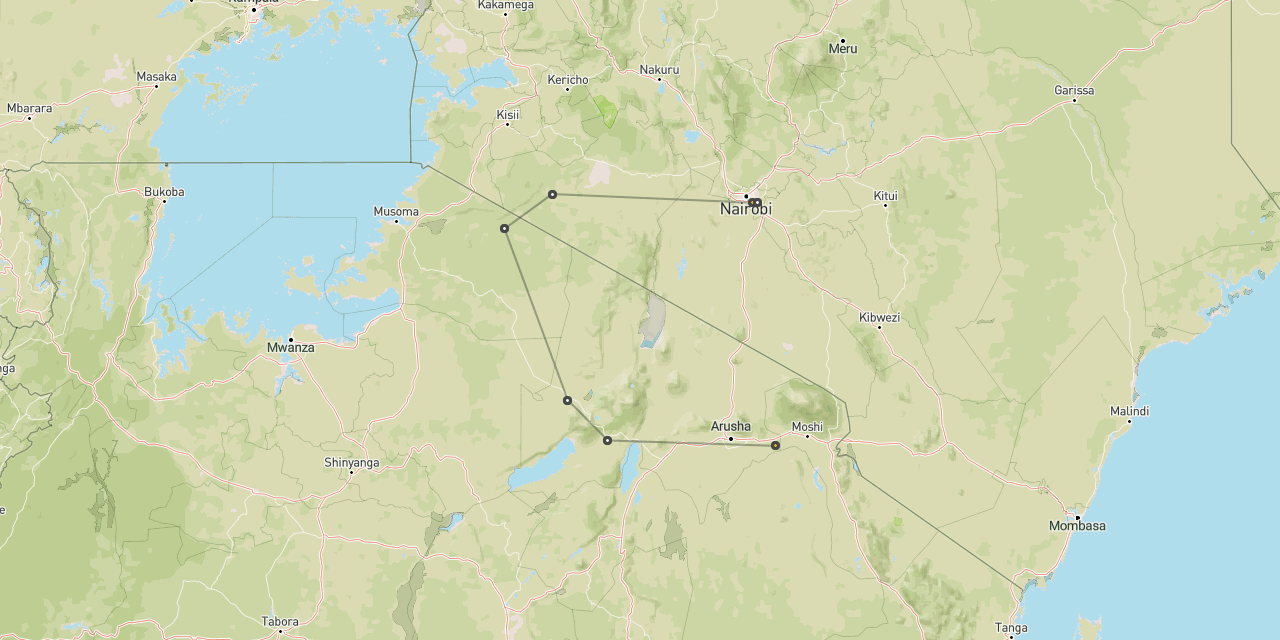
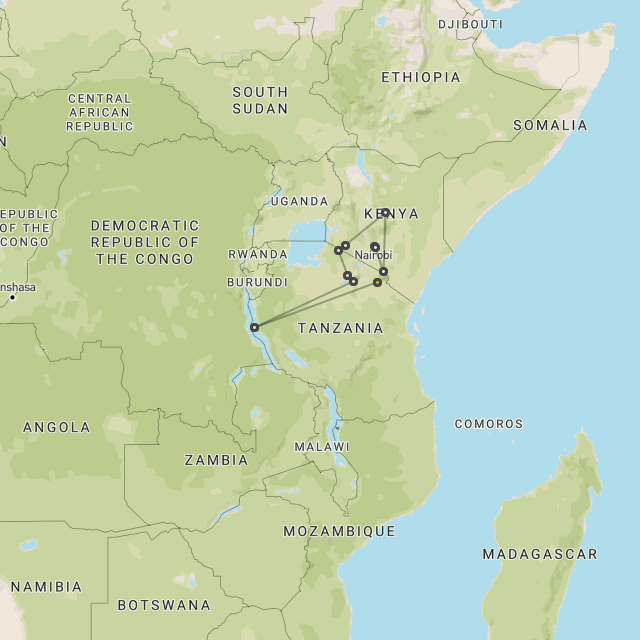

Get started on your trip
It’s never too soon to get in touch, we are here to help with every stage of your planning.
Best Lodges
We regularly inspect and photograph all of the the best lodges, to ensure that we always recommend the most suitable options


Key Locations
Take a look around related locations. Click ‘View more’ to explore locations further afield.