
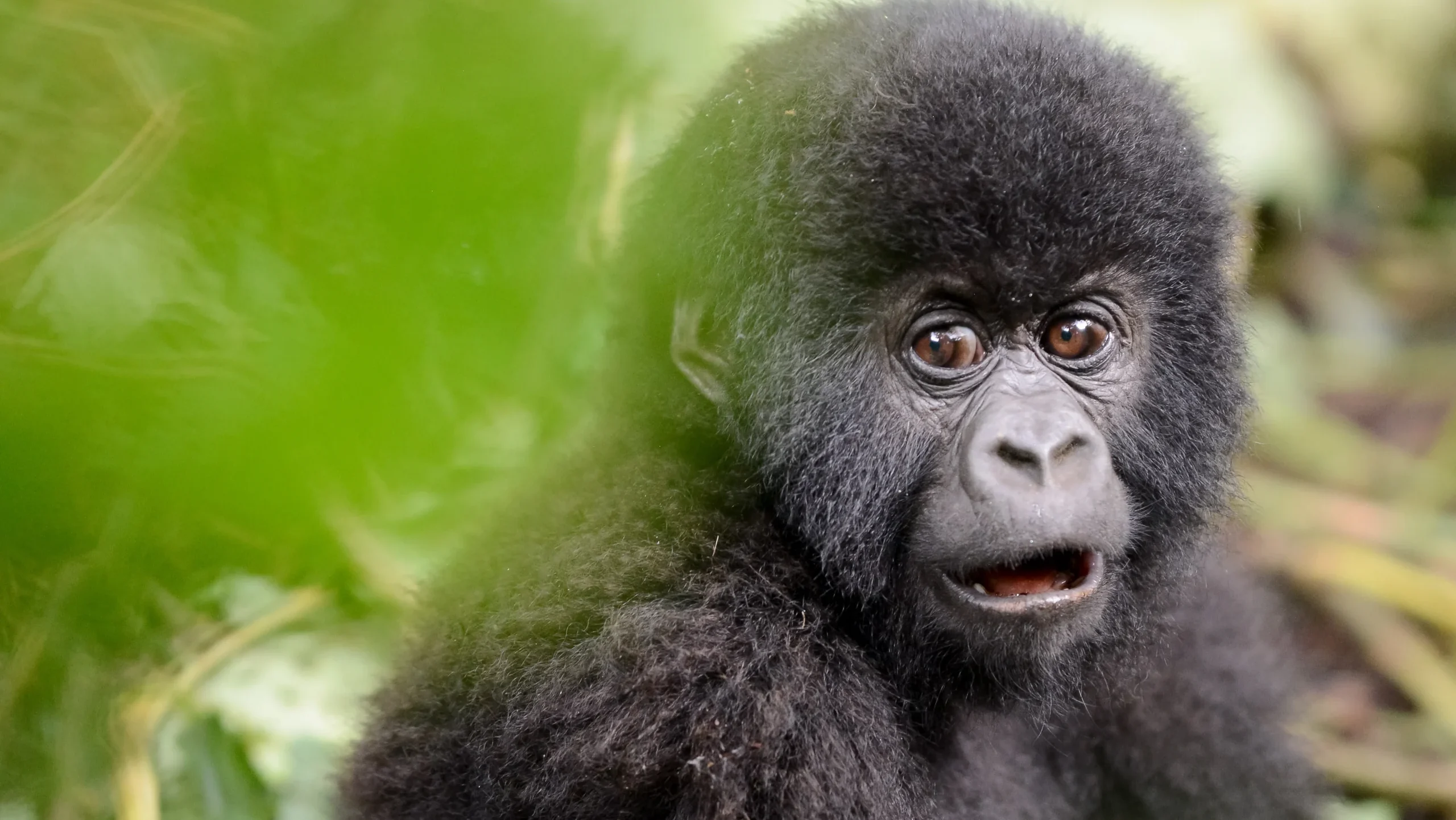
Why are gorillas in Virunga endangered and what is being done to protect them?
Why are gorillas in Virunga endangered and what is being done to protect them?
The mountain gorillas of Virunga are a powerful symbol of resilience in a landscape shaped by extraordinary biodiversity and long standing human pressures. Responsible tourism here is not just a privilege but a vital conservation tool, and it lies at the heart of everything we do at ATR.
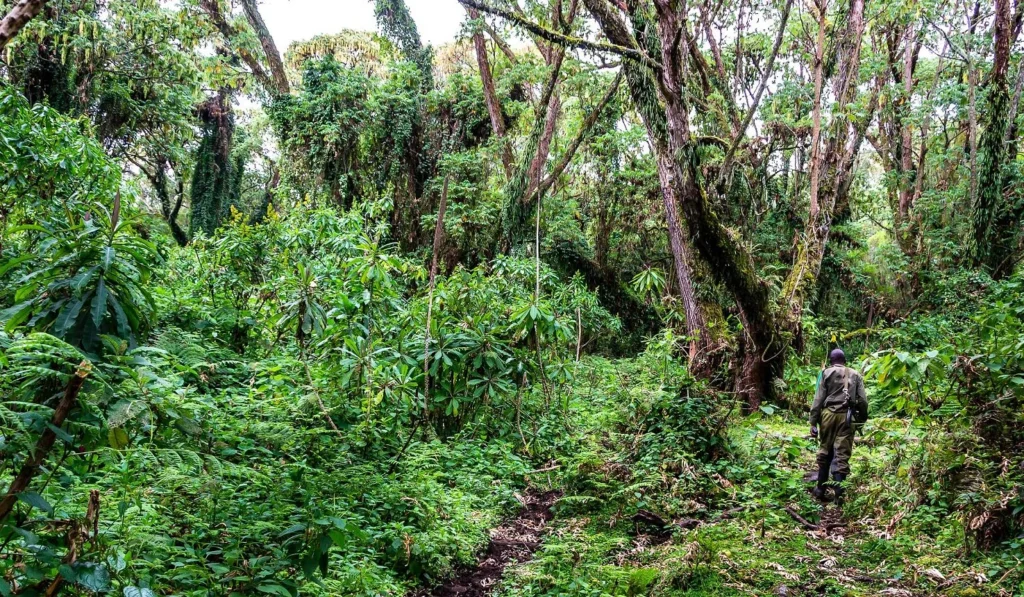
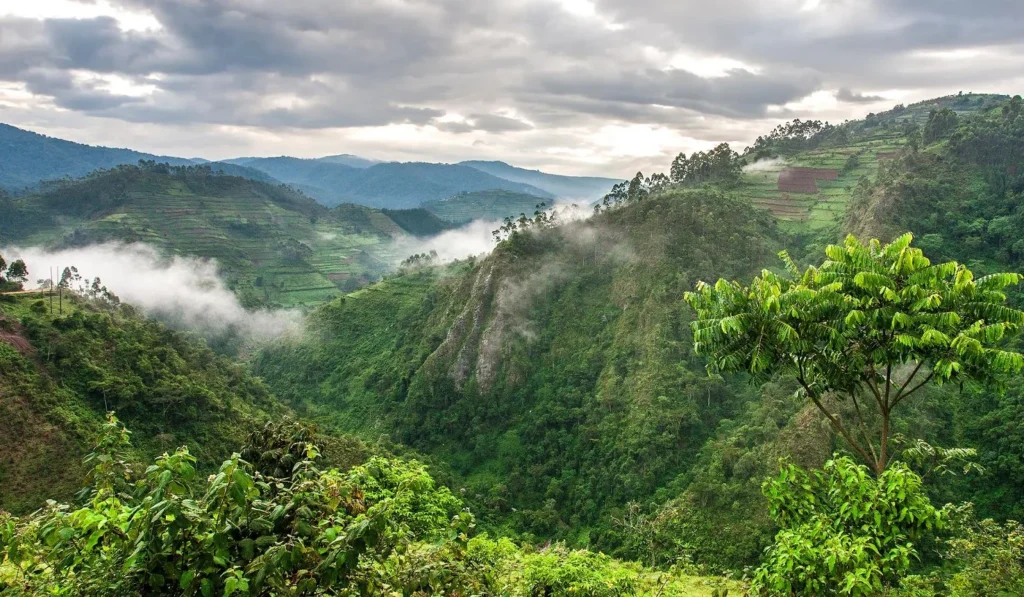
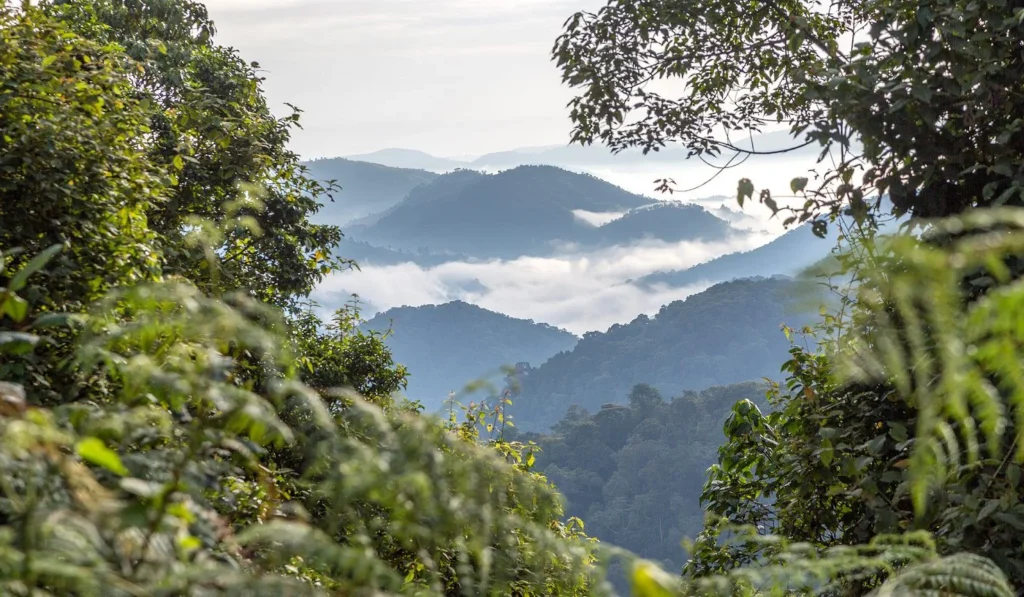
Mountain gorillas are the biggest primates on Earth and our closest relatives after chimpanzees, sharing about 98% of our DNA. You can see it in everything they do, how they move, how they play, the way they care for each other. In Virunga, they live on steep volcanic slopes between 2,200 and 4,000 metres, slipping through bamboo thickets and thick montane forest. The terrain is brutal, shaping how they feed, travel and stay close as a family. Every branch they break, every careful step across the slopes tells the story of life here.
The Virunga Massif is special because it stretches across three countries, the DRC, Rwanda and Uganda, creating a cross-border conservation landscape like no other. Some gorilla families are habituated, so lucky visitors and researchers can watch them up close in Virunga National Park and Volcanoes National Park. Observing them gives vital insights into their health, reproduction and how populations are doing over time, while fully wild families keep living untouched, carrying on natural behaviours and keeping their genetics strong.
Today, the mountain gorilla population here has stabilised, which is a huge win for conservation, and responsible tourism remains central to keeping that success alive. Seeing them in their world, feeling the quiet of the forest and the power in their presence, it’s easy to understand why protecting them matters so much.
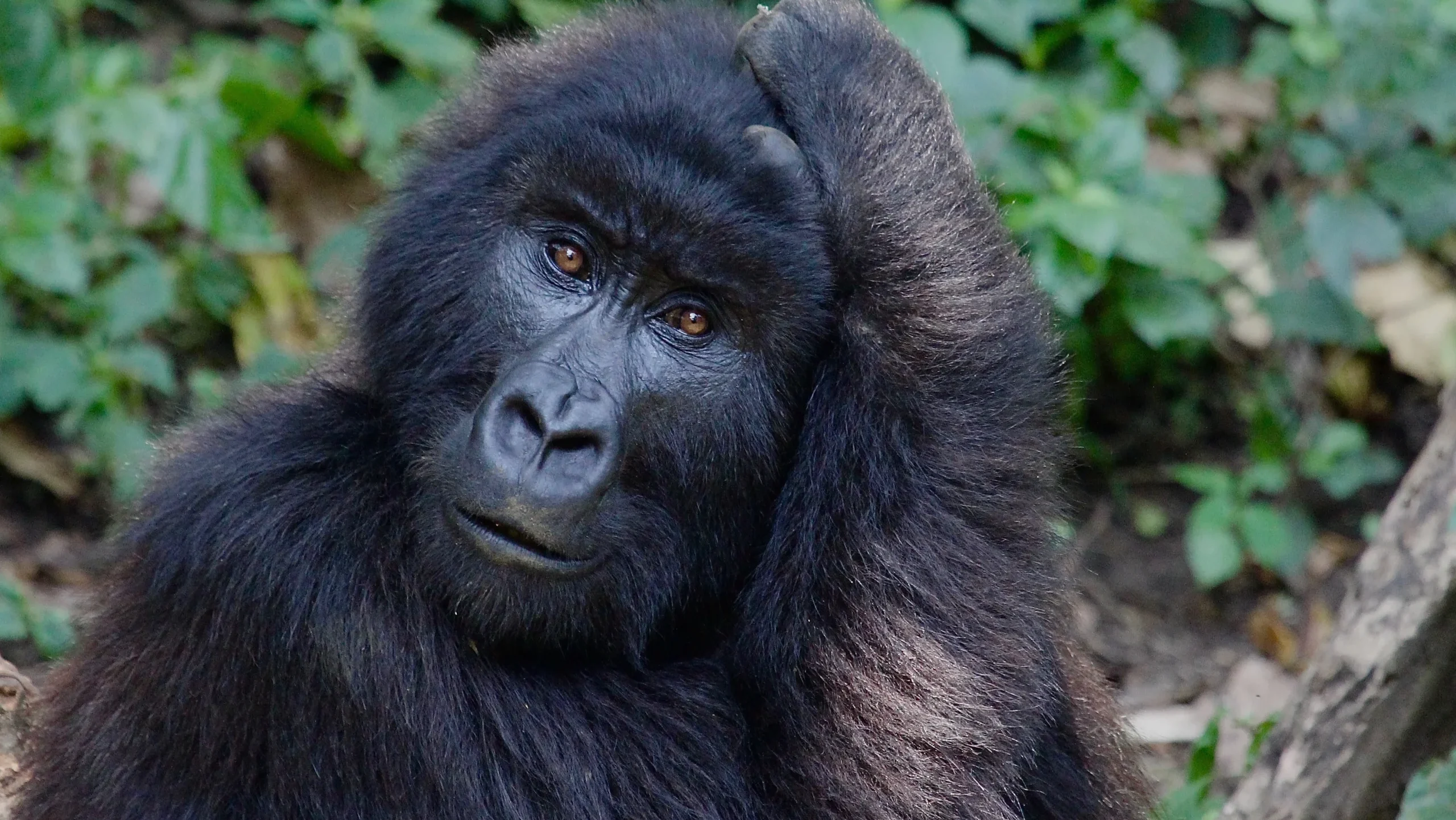
Why gorillas are endangered in Virunga
Gorilla numbers in Virunga are on the up and that’s a rare win in the conservation world. But don’t let that fool you, Virunga’s mountain gorillas are still living on the edge… and most of the threats come straight from humans.
Virunga National Park is squeezed between densely populated rural communities, and every patch of farmland nudges against the forest, shrinking the space gorillas have to roam. They mostly steer clear of people, but sometimes they wander onto farms or close to villages, which sparks the odd clash. Rangers are constantly walking that tightrope between keeping gorillas safe and keeping locals happy. Add decades of unrest in eastern Congo into the mix, and it’s a daily grind, rangers literally put their lives on the line to keep these animals alive. Poaching isn’t usually aimed at gorillas, but snares set for other wildlife still cause serious injuries and deaths.
Then there’s the invisible enemy: disease. Gorillas are extremely vulnerable to human illnesses, especially respiratory infections, which remain one of the biggest ongoing threats. Throw in shifting rainfall and changing temperatures on the volcanic slopes, and the gorillas have to constantly adjust where they feed and roam.
Every day is a balancing act. Careful monitoring, hands-on protection, and working closely with local communities all have to click together to keep these pressures in check. It’s a lot to juggle, but it’s what keeps decades of hard-won conservation wins from slipping through our fingers.
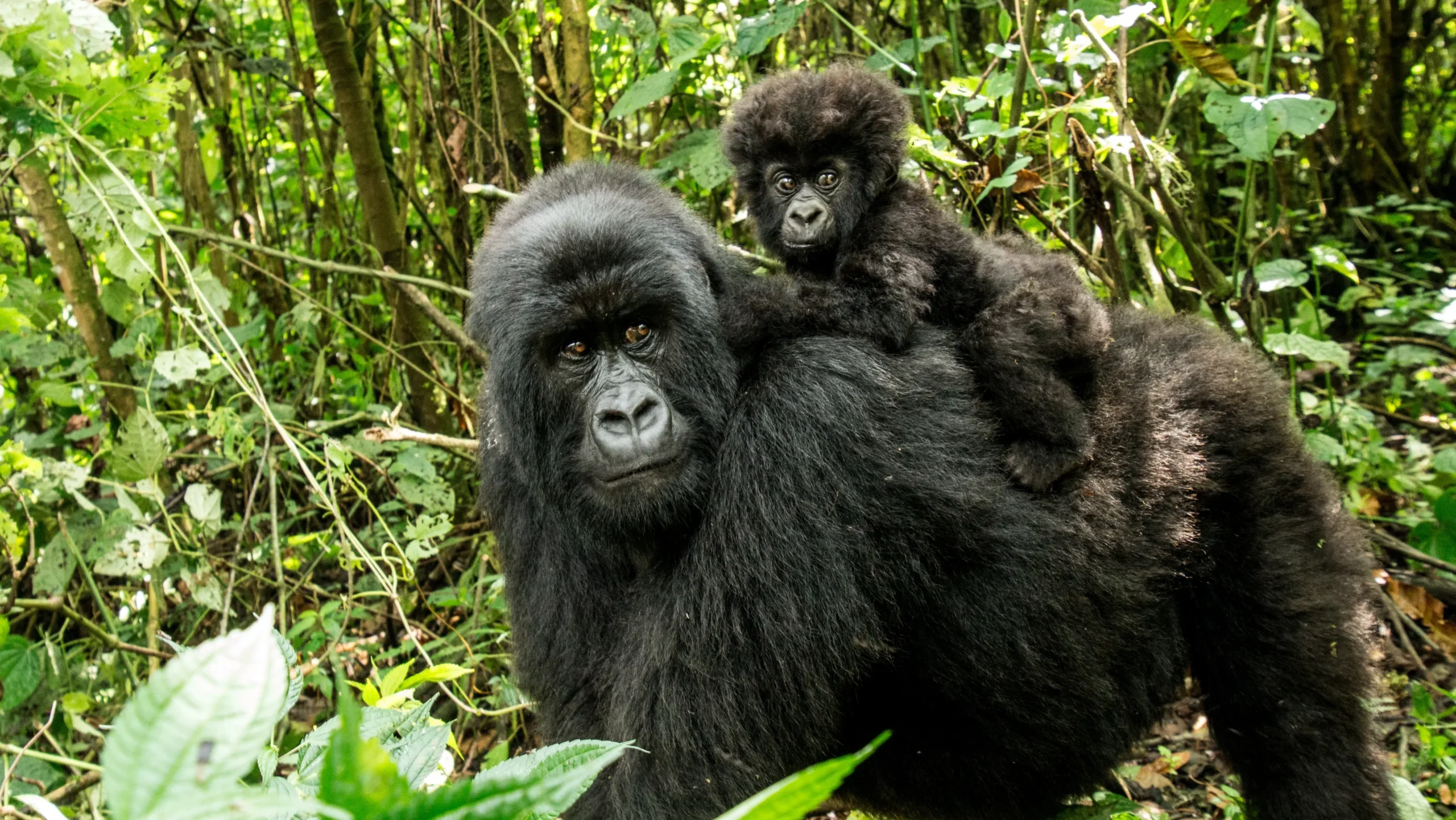
Conservation efforts in Virunga
Virunga is one of the most fiercely protected gorilla landscapes on the planet, and conservation here is all about resilience, strong enforcement, and teamwork that stretches across borders. Rangers patrol Virunga and Volcanoes National Parks around the clock, taking on everything from poachers to park boundaries, while keeping a close eye on the gorillas themselves.
Veterinary care is a lifeline for the gorillas. The Gorilla Doctors are on hand whenever a gorilla is hurt or sick, stepping in with hands-on treatment that has saved countless lives over the years.
The teams working with habituated gorilla families are in a super position to monitor and record births and social interaction, which gives them close-up insight that is essential to understanding what the gorillas need to survive and thrive over the long term.
Conservation here is nothing without the people who live alongside the gorillas. Education, healthcare, jobs, and revenue sharing make sure local communities benefit directly from protecting these animals, which keeps support for the parks strong and conflict low.
Tourism is carefully managed so gorillas stay safe. Visitor numbers are capped, time with the gorillas is limited to one hour, and strict health rules are in place to stop any risk of disease. It’s a delicate balance, but one that keeps Virunga’s mountain gorillas alive and well.
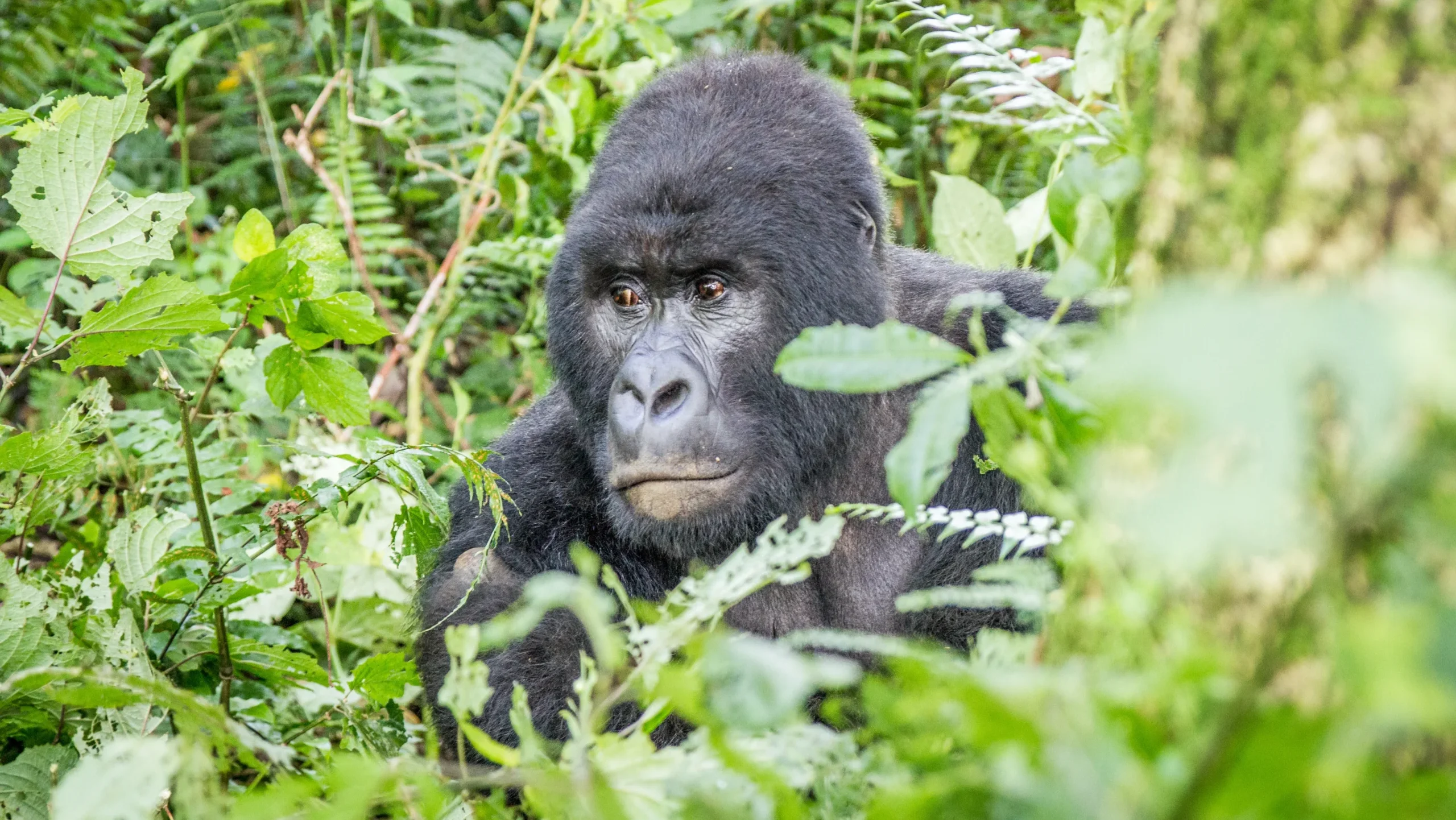
The role of behaviour in conservation
Virunga gorillas live in tight-knit family groups led by dominant silverbacks, the big boss who decides where the troop goes, mediates squabbles, and keeps everyone safe. Watching how these families behave isn’t just interesting, it’s a vital tool for conservation. Changes in movement, feeding patterns, or how the group sticks together can signal stress, illness, or disruption in their environment.
Behavioural monitoring is especially important on Virunga’s steep volcanic slopes, where the forest and weather can shift fast. When conservationists notice subtle changes—like a gorilla skipping meals, spending more time apart, or moving differently, they get early warning that something in the ecosystem is off. That might mean disease is spreading, food is scarce, or human activity is creeping in. By paying attention to behaviour, teams can step in at exactly the right moment, whether that’s medical care, habitat protection, or adjusting how humans and gorillas share the landscape. In short, understanding gorilla behaviour isn’t just science… it’s survival.
The future of Virunga gorillas
The recovery of mountain gorillas in the Virunga Mountains is one of conservation’s rare success stories. But it remains fragile. Continued protection, responsible tourism, and international support are essential to ensure these gorillas thrive in a region where pressures remain intense.
When you see the gorillas in Virunga its more than just an encounter with wildlife,it is a direct investment in one of the most important conservation landscapes on the planet.
Further reading
- Virunga
- What is gorilla tracking in Virunga?
- Where to go gorilla tracking in Virunga
- When is the best time to go gorilla tracking in Virunga
- How much time do I need for tracking gorillas in Virunga
- How much does it cost to track gorillas in Virunga
- Where to stay when tracking gorillas in Virunga
- What practicalities should I consider when tracking gorillas in Virunga
Extraordinary tailor-made adventures,
from earthy and edgy to easy and extravagant
From around USD 2500 per person, you set the ceiling
Sample Trips
Here are some of our popular trip shapes
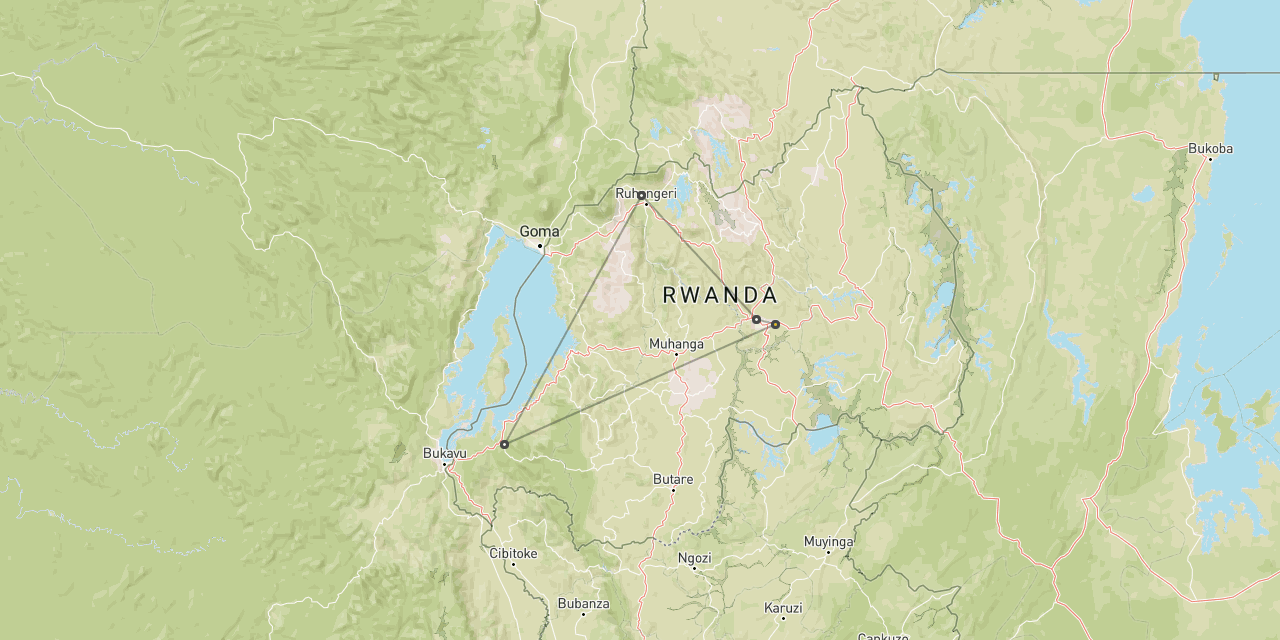
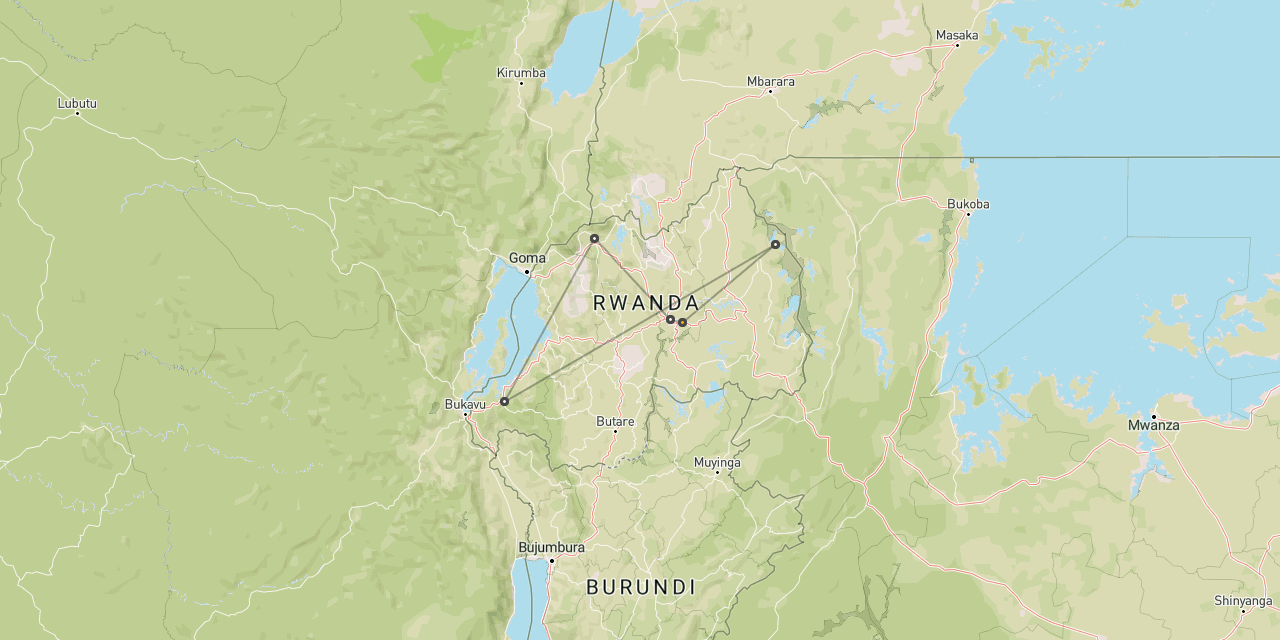
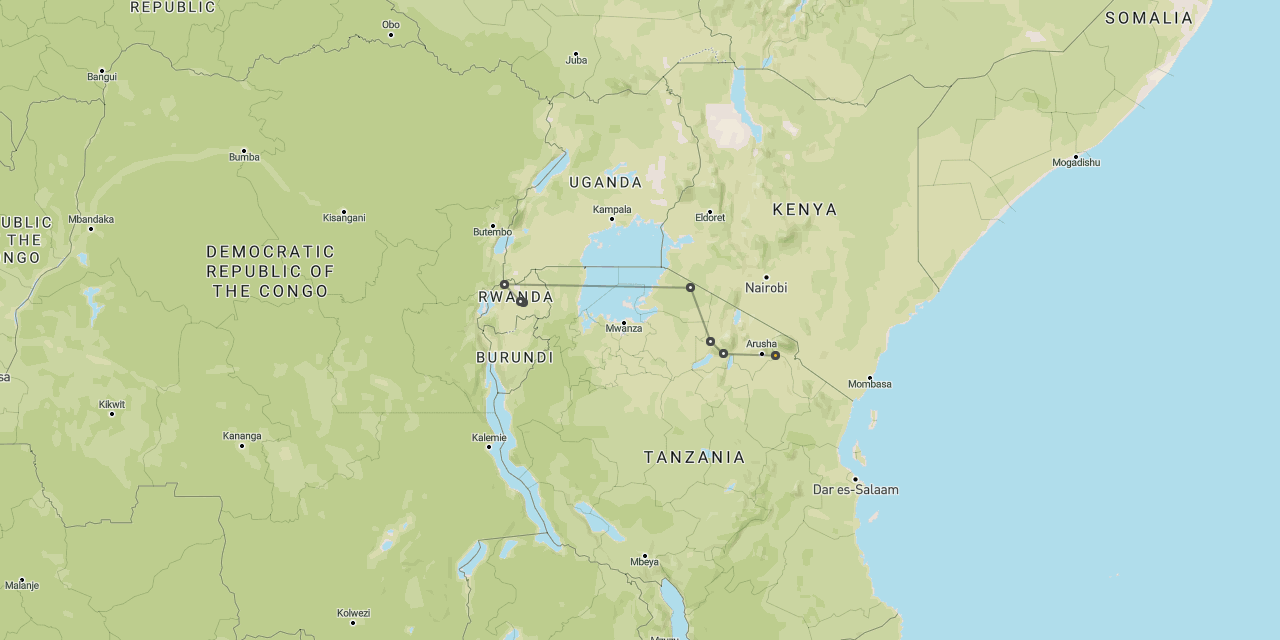
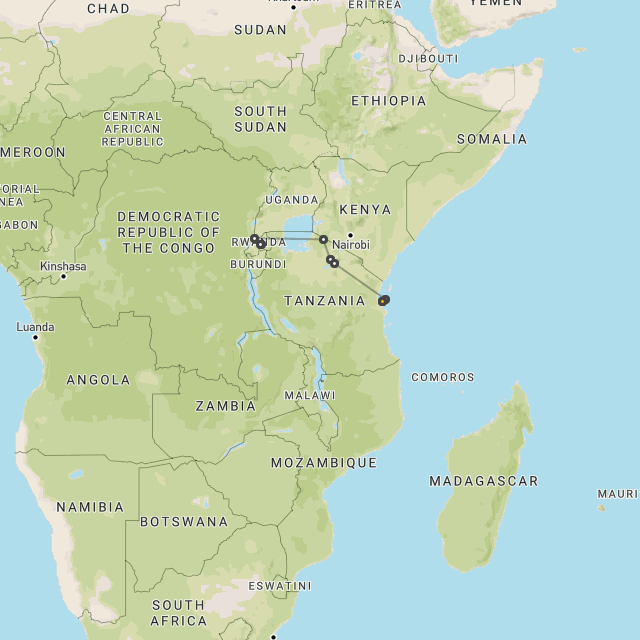
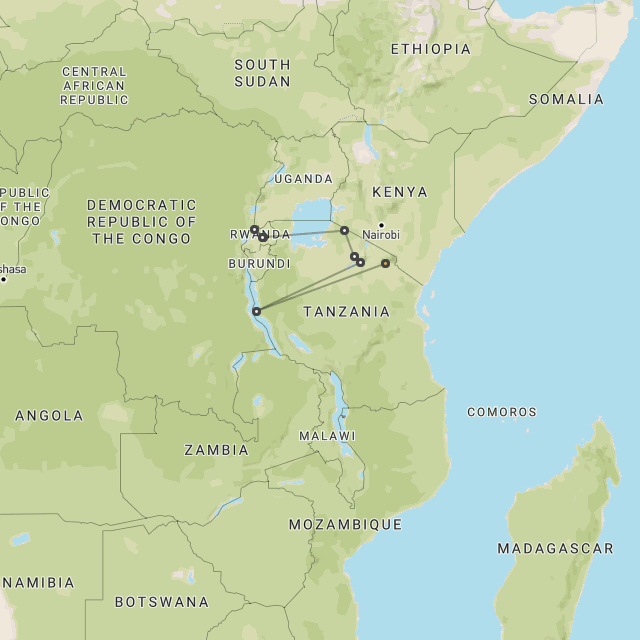
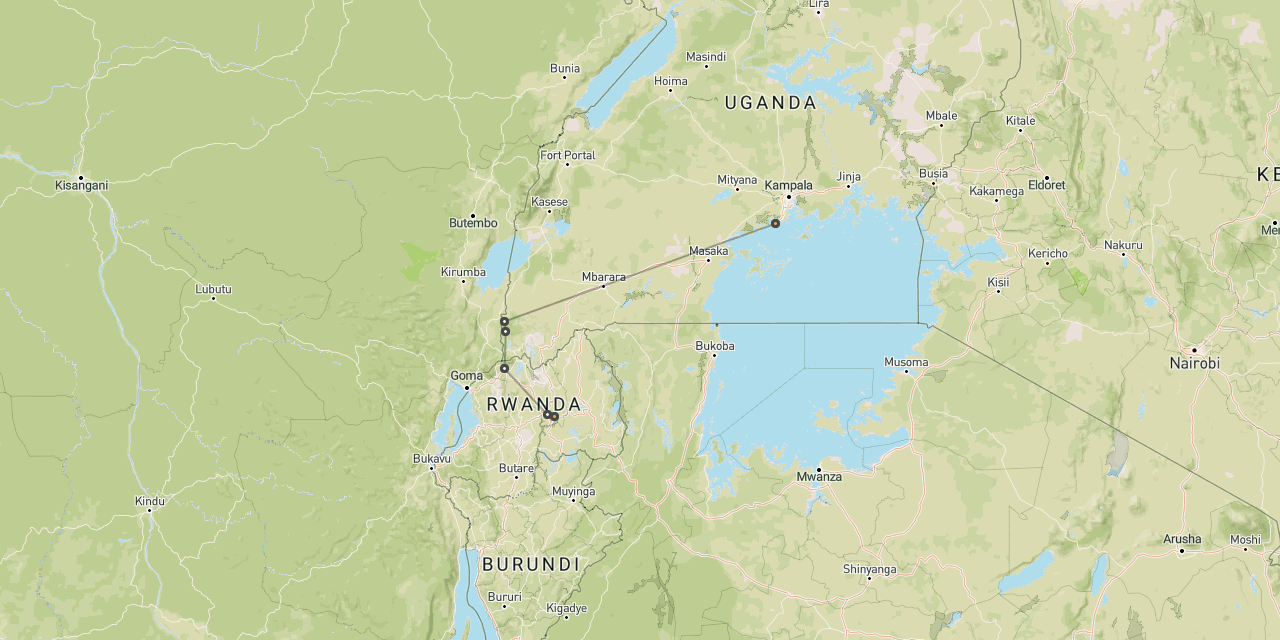

Get started on your trip
It’s never too soon to get in touch, we are here to help with every stage of your planning.
Best Lodges
We regularly inspect and photograph all of the the best lodges, to ensure that we always recommend the most suitable options

Key Locations
Take a look around related locations. Click ‘View more’ to explore locations further afield.
Where Next?
Where Next?
We offer trips to dozens of fabulous countries.
Might one of these might be your next great adventure?

Get started on your trip
It’s never too soon to get in touch, we are here to help
with every stage of your planning.
ATR Safari
© 2026

Please rotate your screen.