

When is the best time of year for gorilla tracking in Virunga Mountains
When to go gorilla tracking in Virunga?
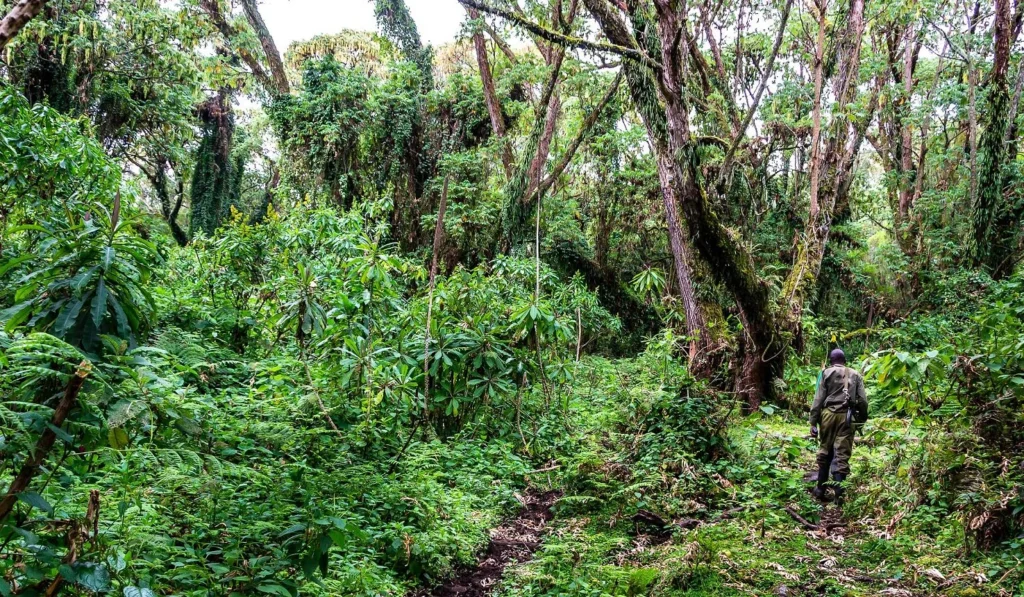
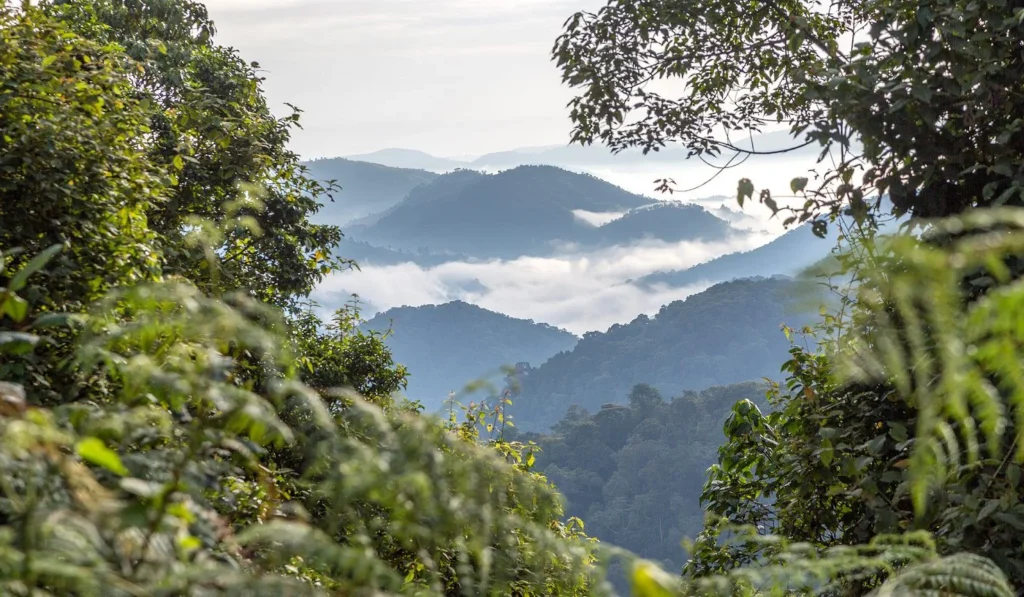
The Virunga Mountains in Rwanda are home to the mountain gorilla and are among the most sought-after wildlife experiences in East Africa. This region is at high altitude, with steep volcanic slopes, bamboo forests, and misty ridges. The climate is cooler than Uganda’s Bwindi Forest, with temperatures averaging around 15 °C (59 °F) during the day and dropping to 7 °C (45 °F) at night. Rain can occur any time of year, but there are defined wetter and drier periods that influence trekking difficulty, gorilla movements, and visitor experience.
The long dry season from June to September and the short dry season from December to February are generally considered the most favourable for trekking, providing firmer trails, predictable conditions, and easier access to gorilla families. Rainy periods—March–May and October–November make trails softer and more slippery, increasing trek times, but also produce lush, misty forests that are striking for photography.
Because Virunga is Rwanda’s most accessible gorilla destination and smaller in scale than Bwindi, permits are highly regulated, and trekking is popular year-round. Understanding seasonal variations helps you plan around trail conditions, visitor traffic, and combination safaris elsewhere in Rwanda or neighboring countries.
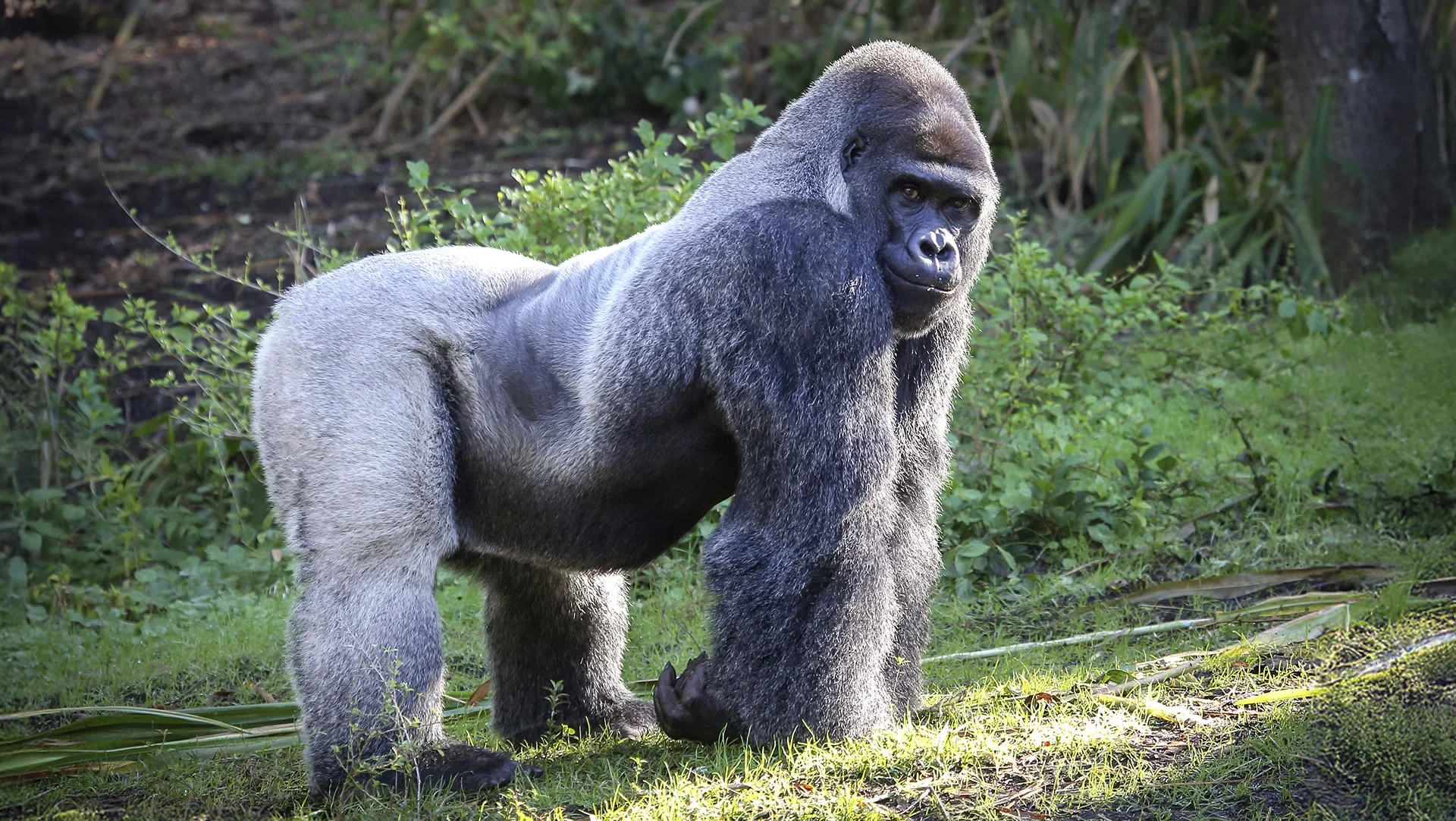
How to choose your month when gorilla tracking in Virunga
When you go gorilla tracking in Virunga, depends largely on what kind of experience you wish to have. If you are looking for reliable trekking and firm trails, the long dry season (June–September) is ideal. Gorilla families are generally found at moderate elevations, treks are predictable, and mornings are cool but manageable. The short dry season (December–February) offers similar advantages with slightly fewer visitors and excellent photography conditions.
If your want a dramatic rainforest atmosphere, the wet months (March–May and October–November) create misty, lush forests, although trails are softer and treks longer. Visitor numbers are lower during the wet season, offering solitude and a more intimate experience with gorillas, but permits can be limited, and queues at the park headquarters may be longer due to trekking logistics.
For combination safaris, Rwanda’s smaller size and higher altitudes make it easier to link gorilla trekking with other wildlife or cultural activities. However, wet months may require extra planning, as trail conditions are less predictable, and some gorilla families move higher up the mountains seeking cooler temperatures.
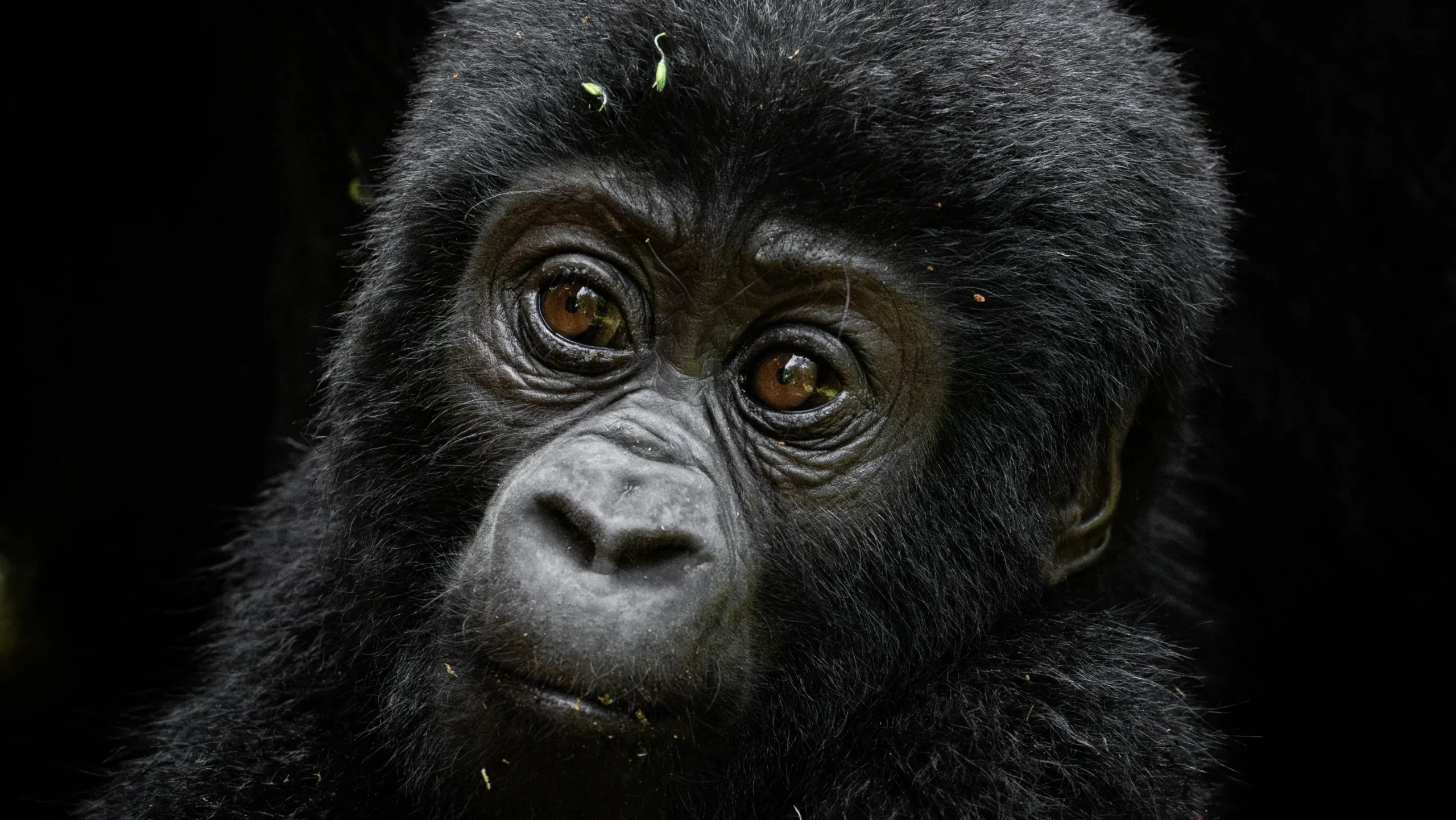
Month-by-month guide to the best time of year for gorilla tracking in Virunga
January
January is part of the short dry season. Trails are generally firm and manageable, with trekking distances moderate due to gorilla families feeding in accessible lower and mid-elevation zones. Mornings can be cool, so warm layers are recommended. Visitor traffic is moderate, offering a balance between accessibility and solitude. This is an excellent month for photographers, with clear light and misty forest atmospheres for dramatic images.
February
February continues the short dry season. Trekking remains predictable, trails firm, and gorillas are often found on lower slopes, making encounters relatively straightforward. Cool mornings persist, but the conditions are ideal for photography and comfortable hiking. Visitor traffic remains moderate, ensuring manageable queues and lodge availability.
March
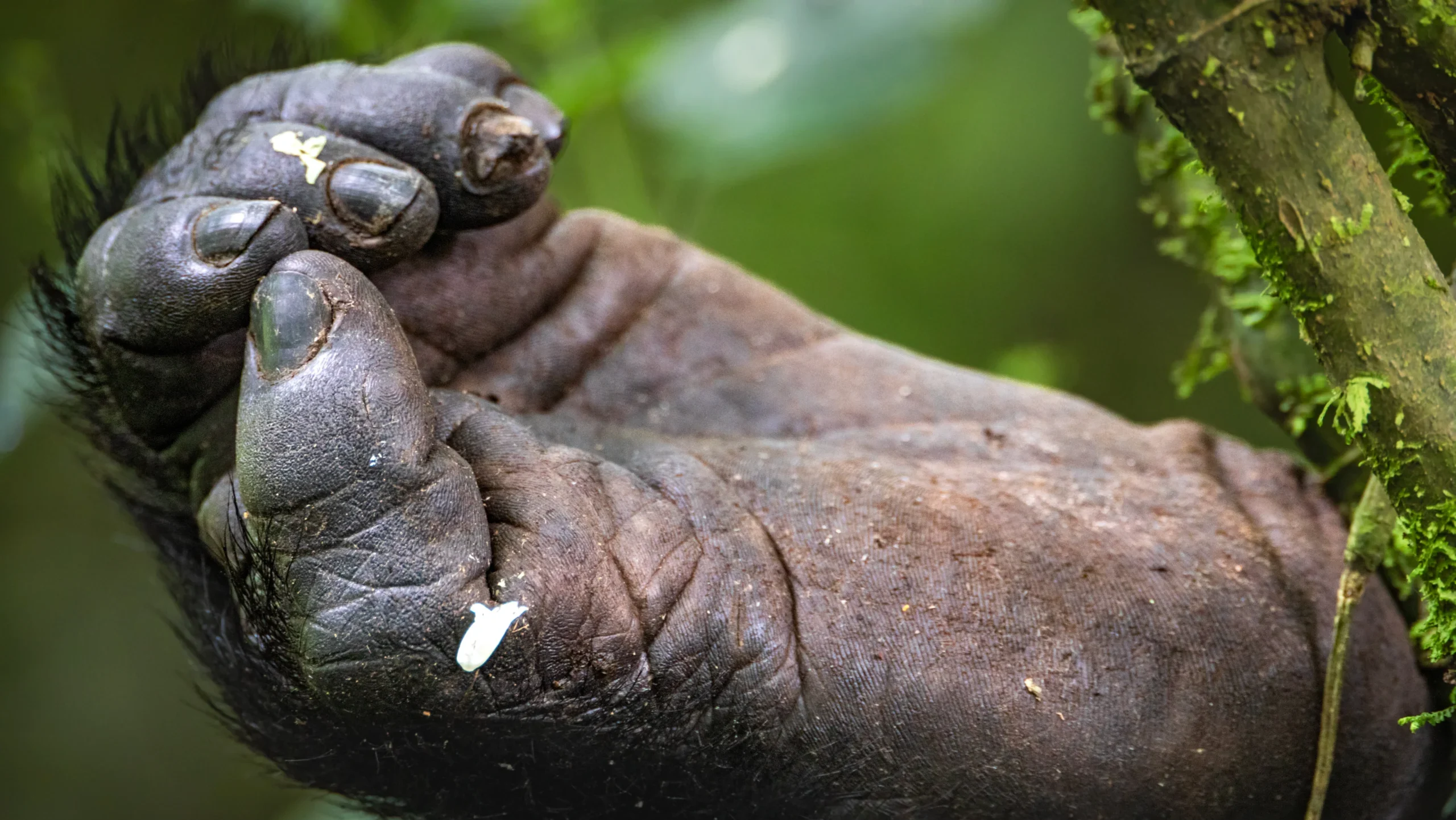
March marks the onset of the rainy season. Rainfall begins to increase, softening trails and making trekking slightly more challenging. Gorilla families may move into bamboo and hagenia zones, increasing trek lengths and physical demands. Mist and cloud often shroud the forest, creating highly atmospheric scenes perfect for photography. Visitor numbers are lower, providing quiet treks, though queues at park headquarters may be longer due to the logistics of wet-season trekking.
April
April is a wet month, with trails becoming muddy and slippery. Treks require greater effort and planning, though the forest is exceptionally lush and dramatic. Gorilla movements are more variable, sometimes extending trek duration. The low visitor traffic allows for a very intimate experience, and photography is excellent for those seeking misty, moody jungle shots.
May
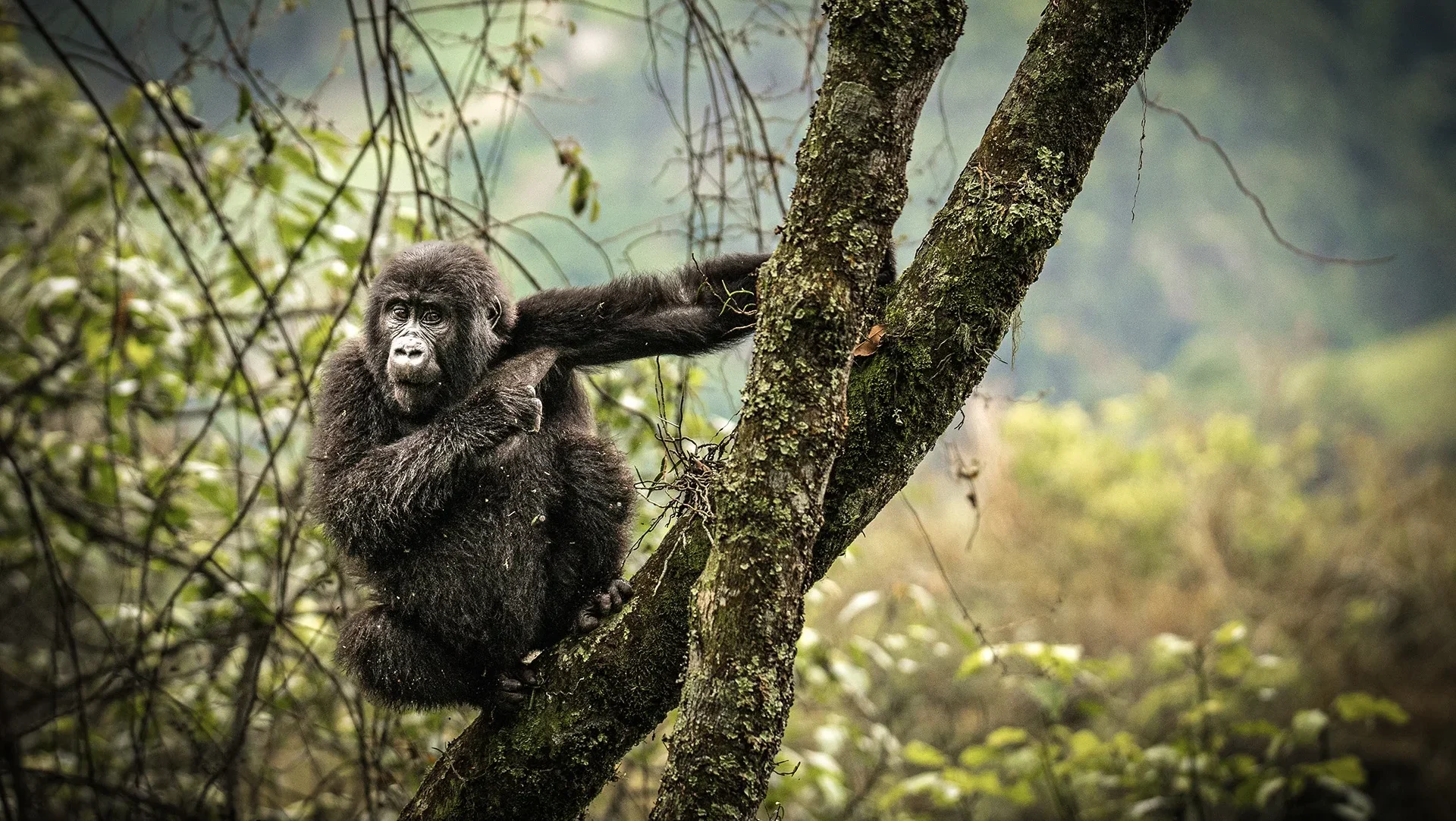
May remains part of the rainy season. Trails are soft and often slippery, making treks longer and more physically demanding. Gorilla families continue to feed at variable elevations, adding unpredictability to encounters. Visitor numbers remain low, and photographers benefit from atmospheric, mist-laden forest conditions. Trekking is possible but requires rain gear, sturdy footwear, and patience.
June
June begins the long dry season. Trails firm up, making trekking more comfortable and predictable. Gorilla families are generally found at moderate elevations, allowing more reliable encounters. Morning temperatures remain cool, particularly at higher altitudes, but overall conditions are favourable for photography and hiking. Visitor traffic starts to increase toward the mid-year peak.
July
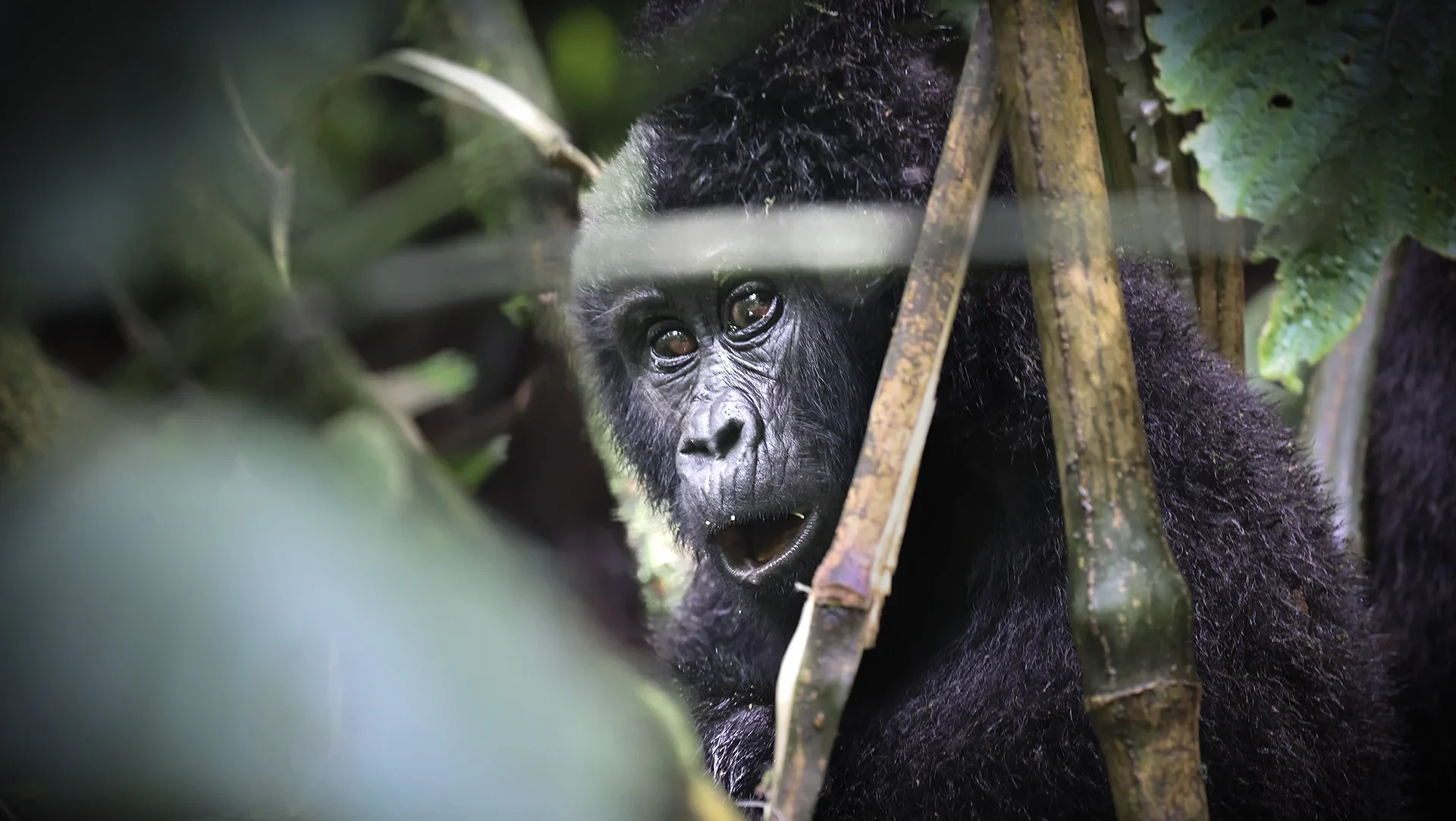
July is peak dry season. Trails are stable, visibility is good, and treks are generally predictable. Gorilla families are accessible, and encounters are reliable. Visitor numbers are higher, so early booking of permits and lodges is recommended. Photography benefits from clear light, though the forest retains the lush, misty atmosphere that characterizes the Virunga Mountains.
August
August continues the peak dry season. Trekking conditions are excellent, with firm trails and manageable treks. Gorilla families are generally found in accessible areas, though some may move slightly higher for cooler temperatures. Visitor traffic peaks, requiring early reservations for lodges and permits. Photography conditions are excellent, with bright, clear days.
September
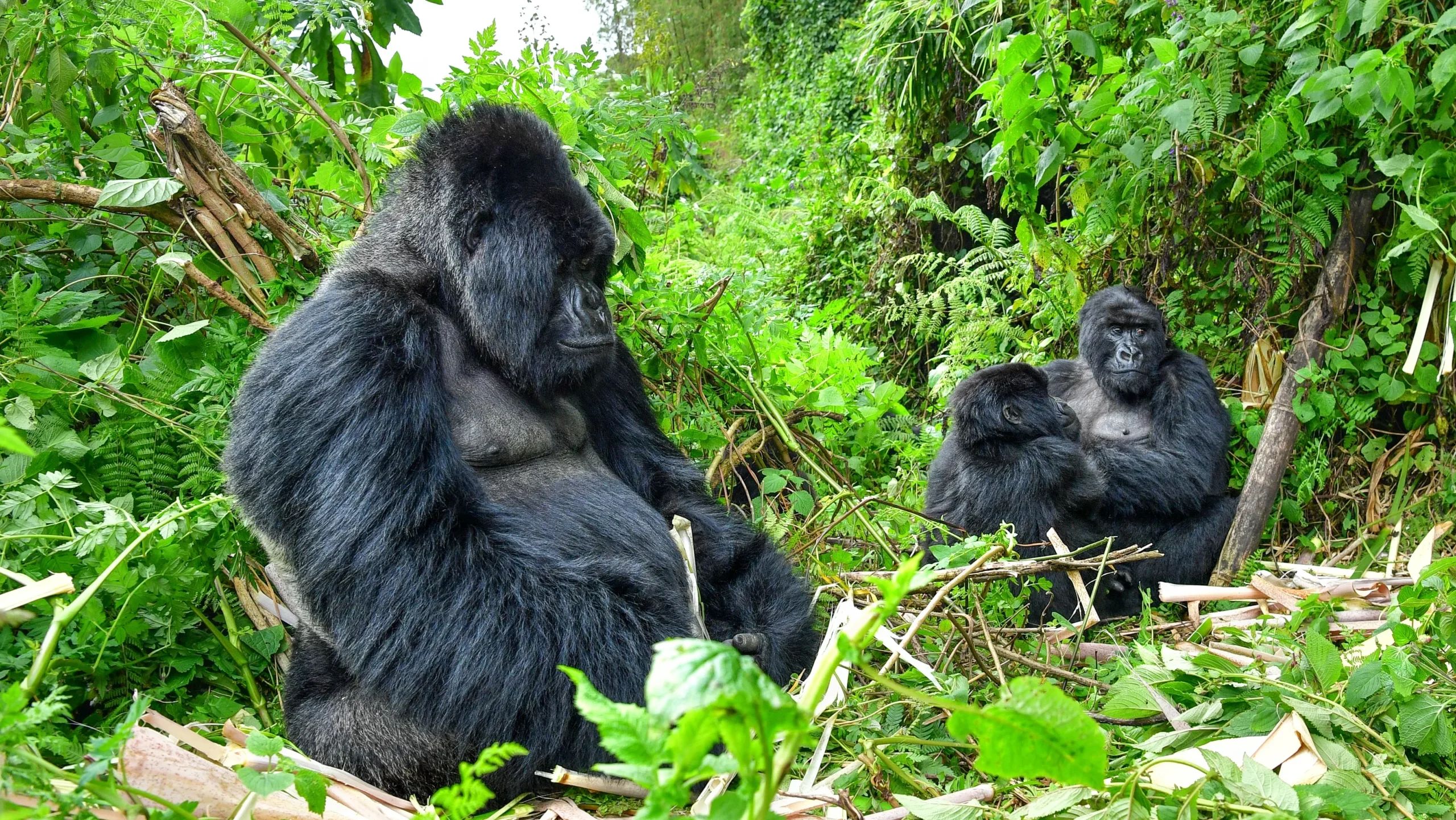
September marks the end of the long dry season. Early in the month, trails remain firm and trekking is comfortable. By late September, short rains can begin to soften trails, adding an element of unpredictability. Gorilla families may move more frequently, slightly extending trek times. Visitor traffic is moderate, and photographers enjoy the combination of clear light and occasional mist.
October
October is part of the late rainy season. Trails are soft and muddy, and treks can be physically demanding. Gorilla families move into higher elevations, making treks longer. The forest is dramatic and lush, and visitor traffic is low, providing a more intimate experience. Photographers benefit from mist, cloud, and vibrant greenery for moodier shots.
November
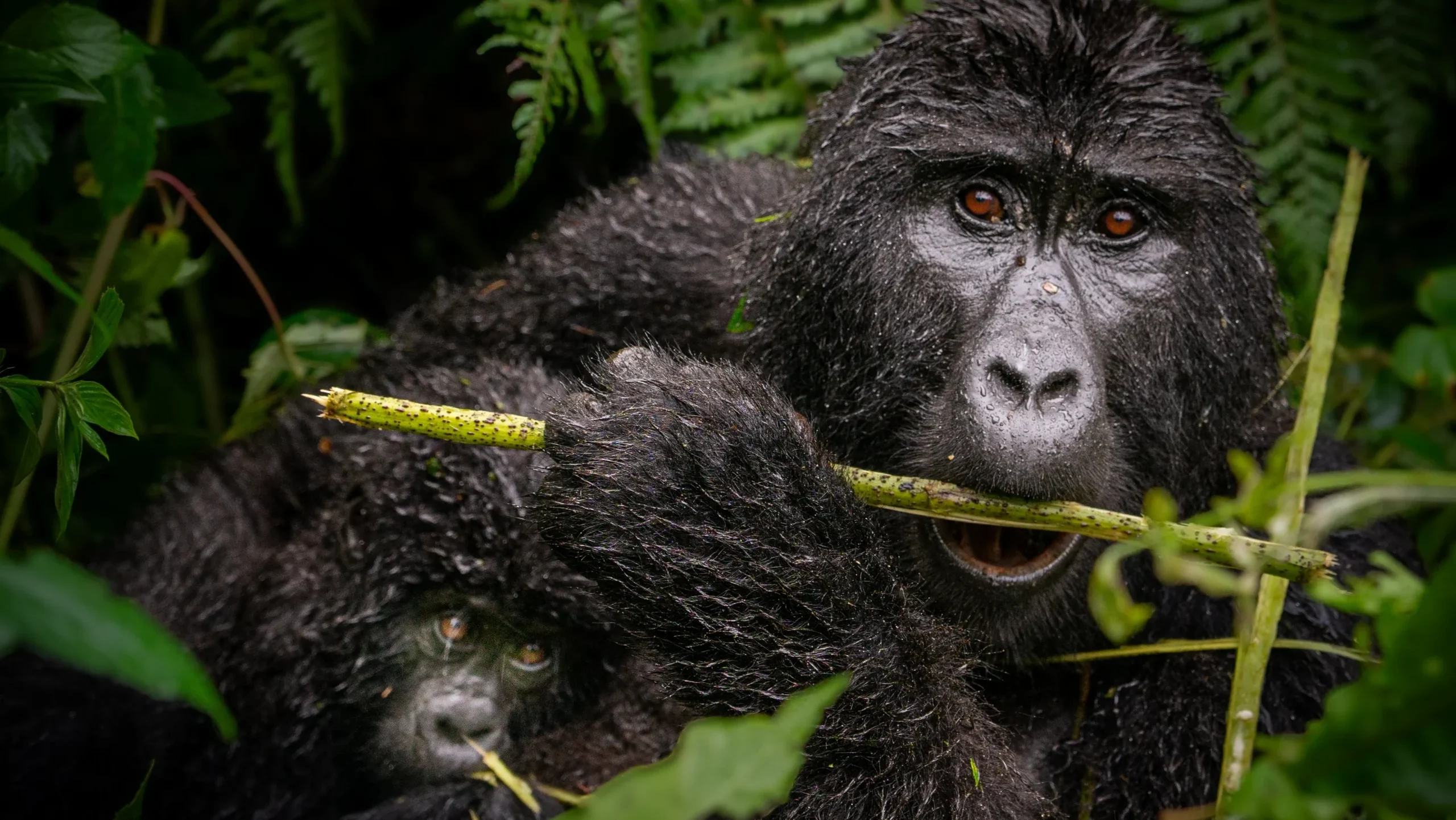
November remains wet, with soft and slippery trails. Trekking requires greater effort, and gorilla families may feed in higher or denser zones, increasing walking times. Visitor numbers are low, providing solitude, and the forest remains vividly green and atmospheric. Photography is excellent for mist-laden jungle images, though trekking is more physically demanding.
December
December begins the short dry season. Trails firm up, and trekking becomes more predictable. Gorilla families are generally accessible at moderate elevations, making encounters reliable. Mornings are cool, requiring warm layers. Visitor traffic is moderate, providing a balance of accessibility and relative solitude. Photography conditions are favourable, with clear light and excellent visibility in the forest.
Further Reading
- Virunga
- What is gorilla tracking in Virunga
- Where to go gorilla tracking in Virunga
- How much does it cost to track gorillas in Virunga
- How much time do I need for tracking gorillas in Virunga
- Where to stay when tracking gorillas in Virunga
- What practicalities should I consider when gorilla tracking in Virunga
- Why are gorillas endangered and what is being done to protect them in Virunga
Extraordinary tailor-made adventures,
from earthy and edgy to easy and extravagant
From around USD 2500 per person, you set the ceiling
Sample Trips
Here are some of our popular trip shapes

Get started on your trip
It’s never too soon to get in touch, we are here to help with every stage of your planning.
Best Lodges
We regularly inspect and photograph all of the the best lodges, to ensure that we always recommend the most suitable options

Key Locations
Take a look around related locations. Click ‘View more’ to explore locations further afield.
Where Next?
Where Next?
We offer trips to dozens of fabulous countries.
Might one of these might be your next great adventure?

Get started on your trip
It’s never too soon to get in touch, we are here to help
with every stage of your planning.
ATR Safari
© 2026

Please rotate your screen.