
When is the best time of year for gorilla tracking in Odzala Kokoua
When to go gorilla tracking in Odzala Kokoua?
Odzala-Kokoua National Park in the Republic of Congo is one of the most remote and pristine gorilla habitats in the world. Its lowland tropical rainforest is dense, humid, and teeming with biodiversity. Unlike the high-altitude forests of Bwindi or Virunga, Odzala experiences very wet tropical conditions year-round, with only brief periods where rainfall decreases, making trails slightly easier to navigate.
Tracking gorillas in Odzala is always an immersive experience. The forest is lush, trails can be muddy, and humidity is high. The most manageable periods for trekking are during the two drier windows: January–March and June–September, when rainfall decreases enough to improve footing. Even then, the forest remains humid, thick, and sometimes challenging to navigate, requiring patience, stamina, and flexible itineraries.
Visitor numbers in Odzala are extremely low compared to Uganda and Rwanda, and the area is rarely crowded. This makes it ideal for travelers seeking remote, off-the-beaten-path gorilla encounters. However, logistics are more demanding, and combination trips with other Central African wildlife destinations require careful planning.
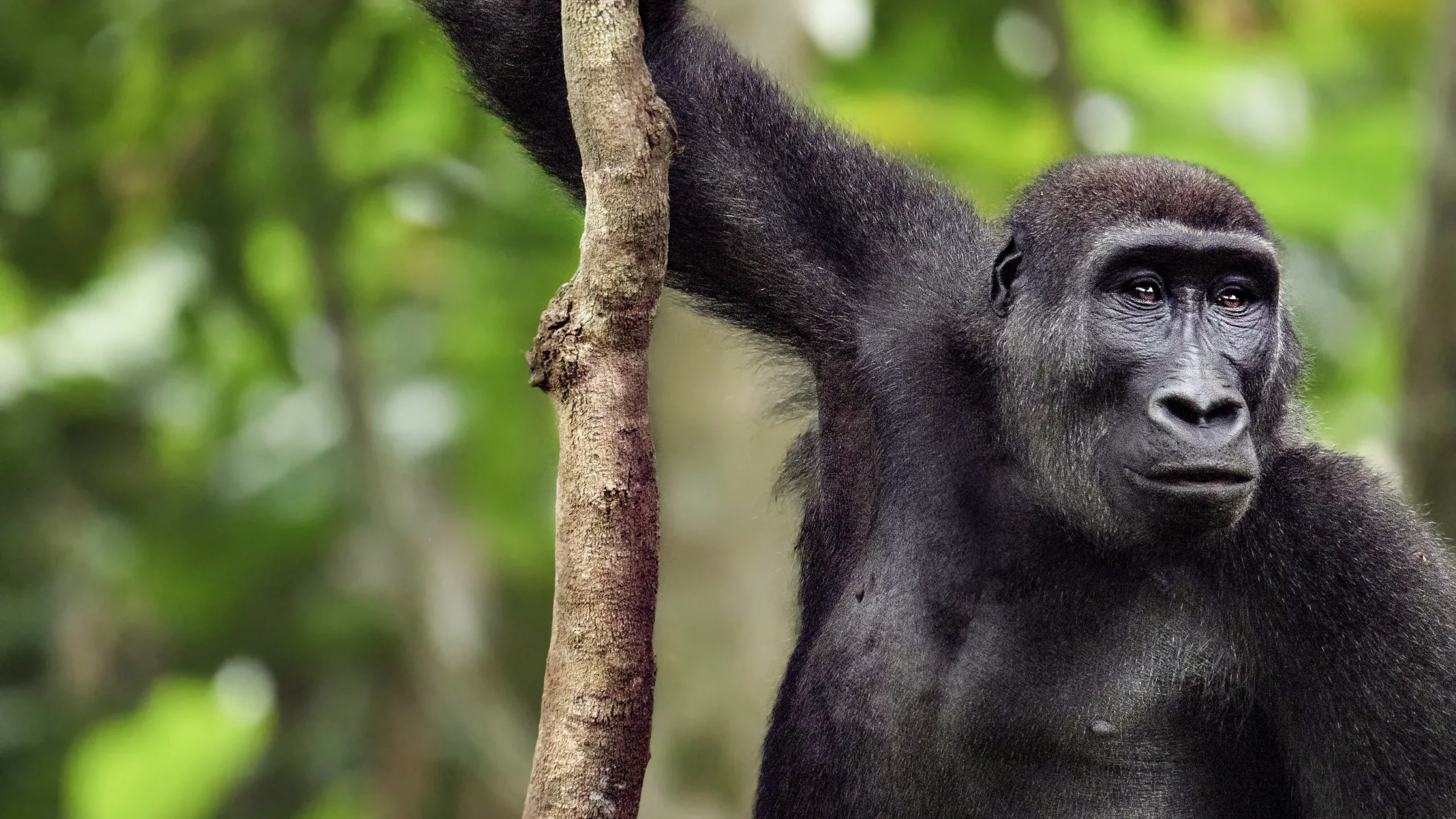
How to choose your month when gorilla tracking in Odzala Kokoua
For easier trekking and firmer trails, the drier windows of January–March and June–September are preferable. During these periods, walking is less arduous, swampy sections are reduced, and gorilla encounters are slightly more accessible.
The wetter months (April–May and October–December) are characterized by heavy rainfall, muddy trails, and dense forest undergrowth. Trekking is more physically demanding, encounters with gorillas can take longer, and visibility is lower. On the other hand, these months offer spectacular rainforest scenery, dramatic lighting for photography, and complete solitude, as visitor numbers remain very low year-round.
Because Odzala is remote, permits and logistics need careful planning regardless of season. Travel is slower and more physically demanding than in Uganda or Rwanda, but the experience is unparalleled in terms of isolation, forest immersion, and wildlife encounters.

Month-by-month guide to the best time of year for gorilla tracking
January
January falls within one of Odzala’s drier windows. Rainfall decreases compared to surrounding months, and trails are slightly easier to navigate, though the forest remains humid and dense. Gorillas are generally active, feeding in more accessible areas, but tracking still requires stamina and patience. Visitor numbers are extremely low, providing solitude and a sense of remoteness. Photographers benefit from softer, diffused light under the forest canopy.
February
February continues the dry window. Trails remain firm enough to ease walking, but the forest is still humid and challenging. Gorilla families are often found in fruiting areas, allowing reasonable trekking distances. Visitor traffic remains minimal, giving an exclusive experience. Photographers can capture intimate forest scenes with manageable light conditions.

March
March is the final month of the early dry period. Trail conditions are generally more stable, though some sections may remain muddy. Gorillas are active and can be observed feeding in accessible zones, making encounters rewarding. Solitude is guaranteed due to very low visitor numbers. Trekking requires flexibility, as weather can vary day to day, and rain showers are still possible.
April
April is part of the wet season. Rainfall intensifies, making trails muddy and sometimes slippery. Gorillas may move further into dense forest areas, lengthening treks. Visitor numbers remain low, so the experience is intimate, but trekking is physically demanding. Photography benefits from lush greenery and atmospheric mist, though visibility is reduced.

May
May continues the wet season. Trails are soft and challenging, and gorilla movements can require longer walks. The forest is vibrant and alive, providing excellent photographic opportunities for mist, lush foliage, and wildlife in dense rainforest. Trekking requires endurance, patience, and good waterproof gear. Visitor traffic remains extremely low.
June
June enters the second dry window. Rainfall decreases, improving trail conditions and making trekking more manageable. Gorilla families may feed in more accessible areas, allowing encounters without overly long walks. Visitor numbers remain low, maintaining an exclusive experience. Photography is enhanced by slightly clearer light through the canopy.

July
July is part of the second dry season. Trails are firmer, trekking is more comfortable, and gorilla movements are relatively predictable within their home ranges. The forest is humid but slightly less oppressive than in the wet months. Visitor traffic remains minimal, offering complete solitude. Photographers benefit from better visibility and slightly more stable light.
August
August continues the second dry season. Trail conditions are stable, though some wet patches persist. Gorilla encounters are more accessible than during the wet season, and trekking is physically easier. The forest remains lush and vibrant, offering excellent photographic opportunities. Visitor numbers are very low, ensuring an immersive experience.

September
September is the end of the second dry season. Trails remain manageable, though sporadic rainfall may occur. Gorillas continue feeding in accessible areas, making treks more predictable. Solitude and low visitor numbers remain key highlights. Photography benefits from the forest’s lushness, though rain may soften light conditions at times.
October
October begins the late wet season. Rainfall intensifies, and trails become muddy and slippery. Gorilla families may move into denser forest areas, lengthening trekking times. Visitor traffic is negligible, providing complete solitude. The forest is dramatic and green, ideal for moody, atmospheric photography, but trekking is physically demanding.

November
November is part of the wet season. Trails are challenging, gorilla encounters may require longer treks, and the forest remains thick and humid. Visitor numbers remain extremely low, providing quiet, private experiences. Photography is excellent for misty, dense rainforest images, but trekking requires endurance and flexibility.
December
December remains wet, though rainfall may be slightly less intense than October and November. Trails are muddy, trekking is demanding, and gorilla movements can be unpredictable. Visitor numbers remain minimal, allowing for solitude and immersion in the forest. Photography benefits from mist, soft light, and lush greenery, but treks can be slower and more physically challenging.
Further Reading
- Odzala Kokoua
- What is the gorilla tracking experience in Odzala Kokoua
- Where to go when gorilla tracking in Odzala Kokoua
- How much does it cost to track gorillas in Odzala Kokoua
- How much time do I need for tracking gorillas in Odzala Kokoua
- Where to stay when tracking gorillas in Odzala Kokoua
- What practicalities should I consider when gorilla tracking in Odzala Kokoua
- Why are gorillas endangered and what is being done to protect them in Odzala Kokoua
Extraordinary tailor-made adventures,
from earthy and edgy to easy and extravagant
From around USD 2500 per person, you set the ceiling
Sample Trips
Here are some of our popular trip shapes
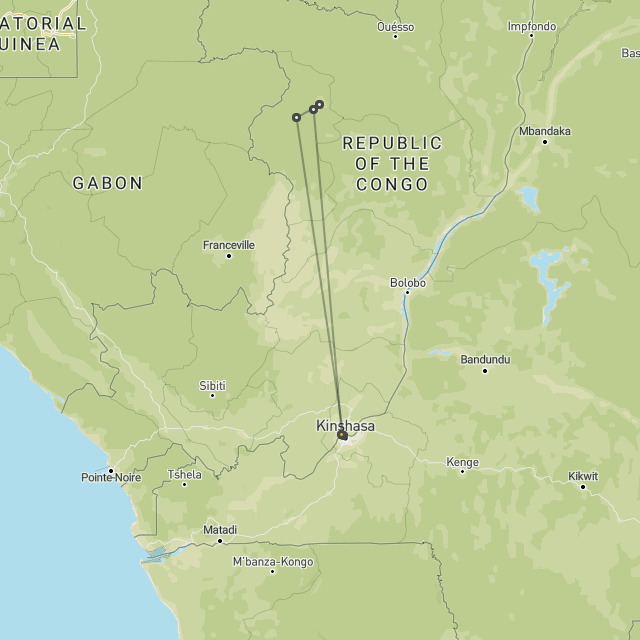
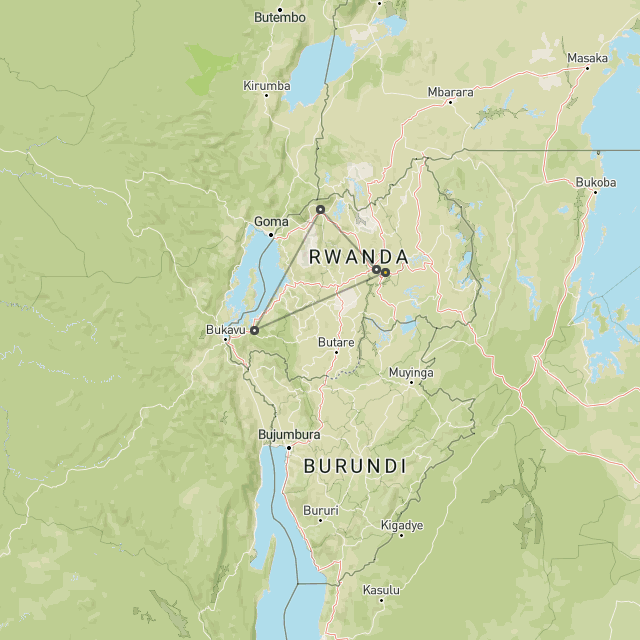
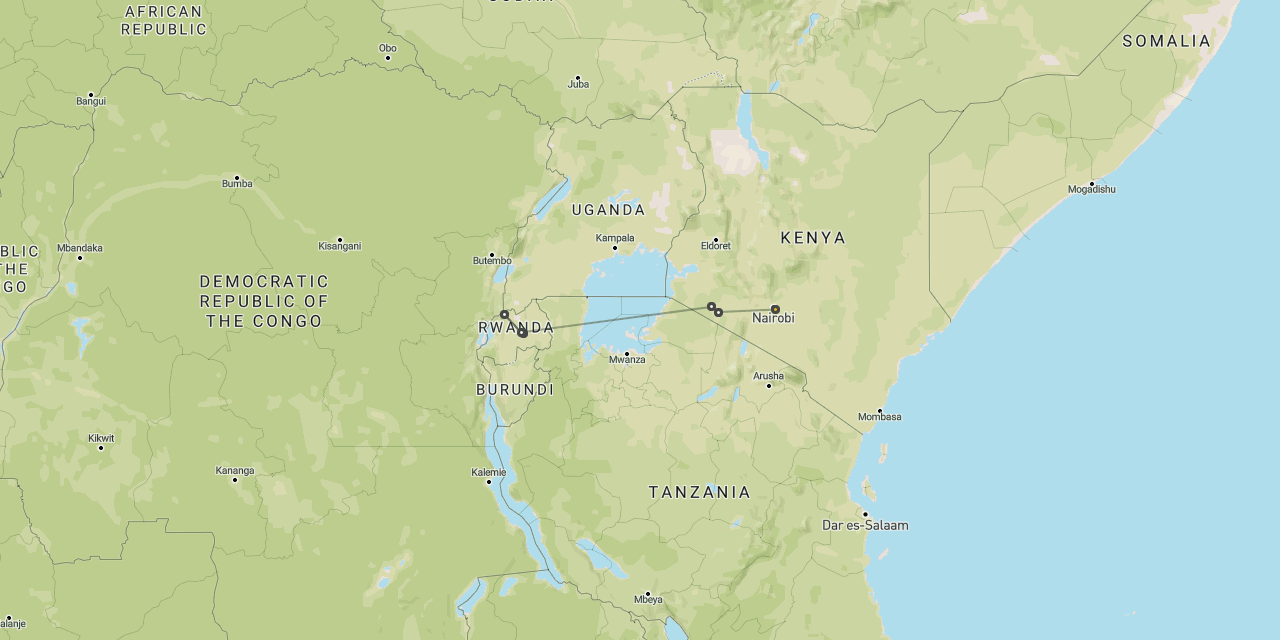
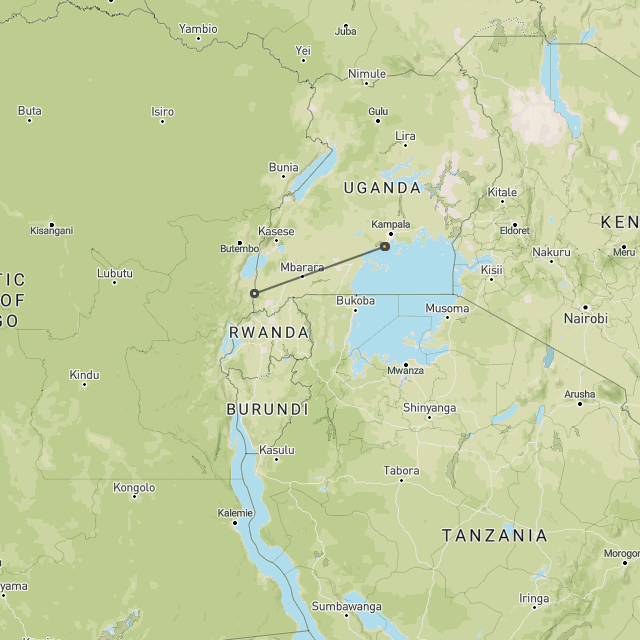


Get started on your trip
It’s never too soon to get in touch, we are here to help with every stage of your planning.
Best Lodges
We regularly inspect and photograph all of the the best lodges, to ensure that we always recommend the most suitable options

Key Locations
Take a look around related locations. Click ‘View more’ to explore locations further afield.