Pafuri Hutwini Walking Camp
8.0 Rating
USD 450
Pafuri Hutwini Walking Camp
a serious walking camp
on the Luvuvhu River
a focus on serious walking safari
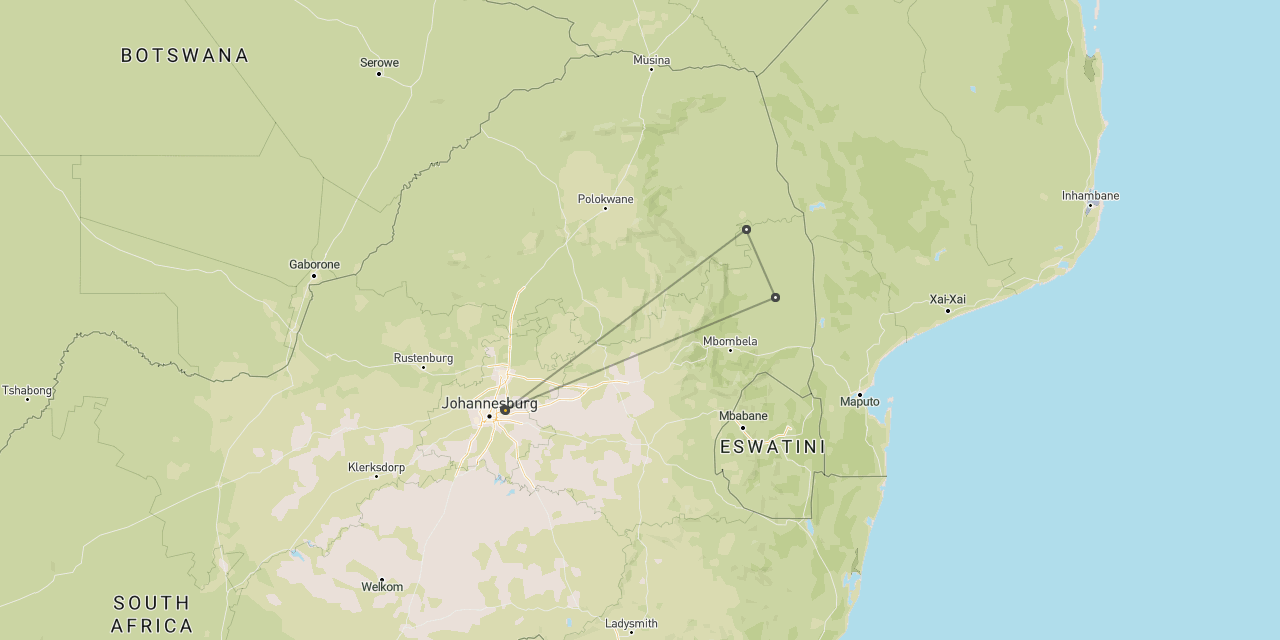
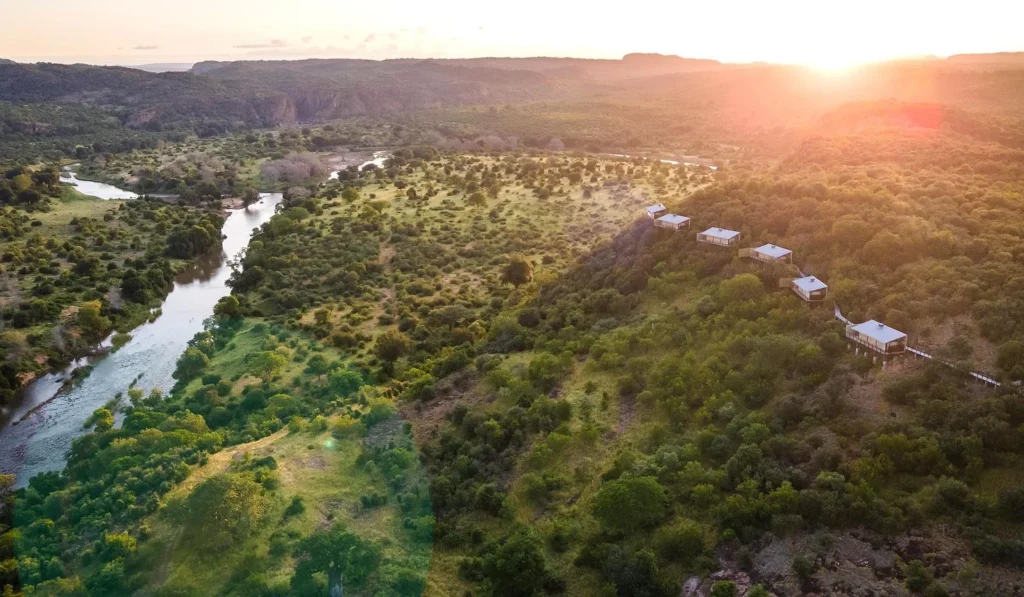
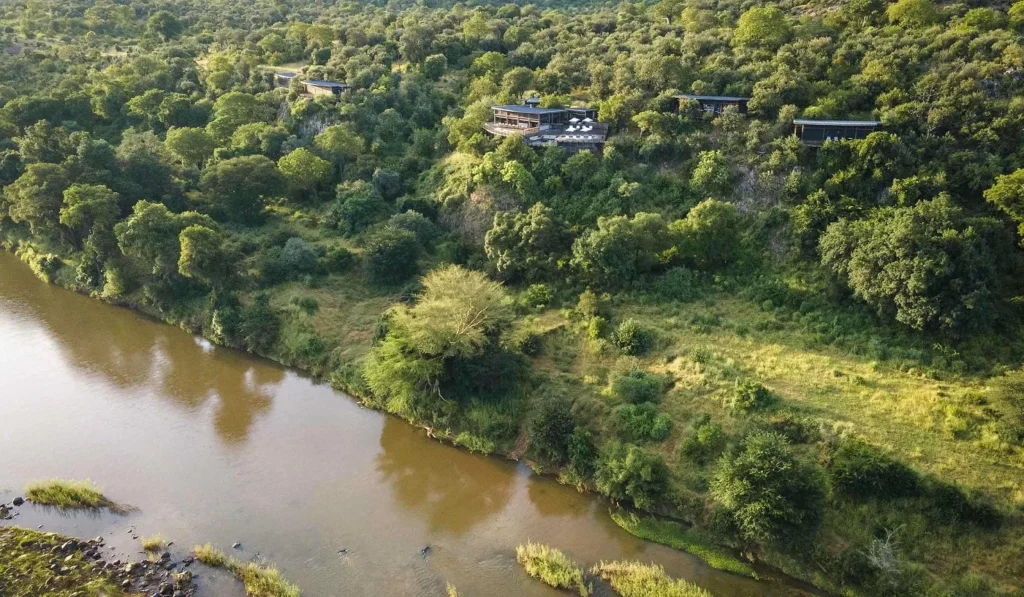
Pafuri Hutwini Walking Camp is located in the Makuleke Contract Park, a 26,500 hectare private concession in the far north of Kruger National Park in South Africa.
The property is owned and operated by RETURN Africa in long-standing partnership with the Makuleke community, who own the land. Of the four properties in their Pafuri Collection, Hutwini and its sister Nkula Walking Camp are the most outdoorsy and walking-focused, with the larger Pafuri Tented Camp and Baobab Hill House offering more conventional comforts and vehicle safari.
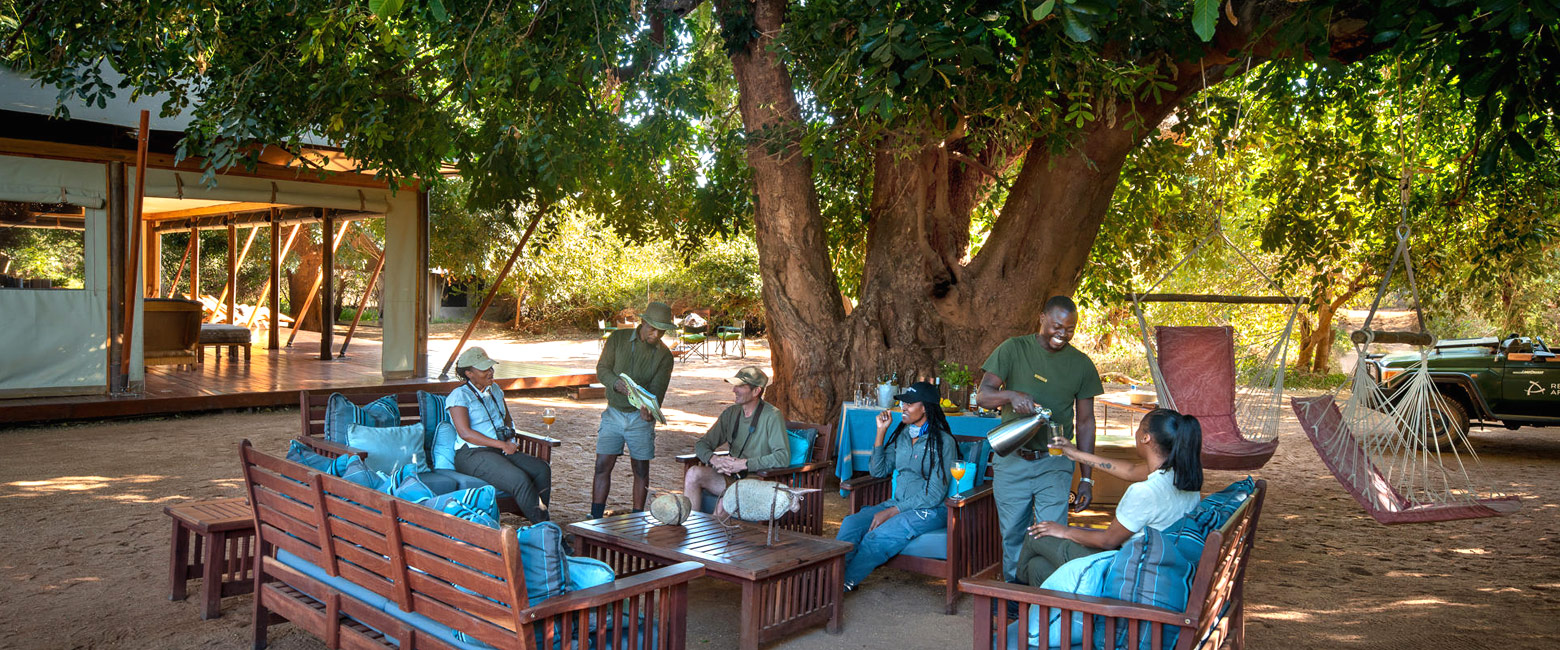
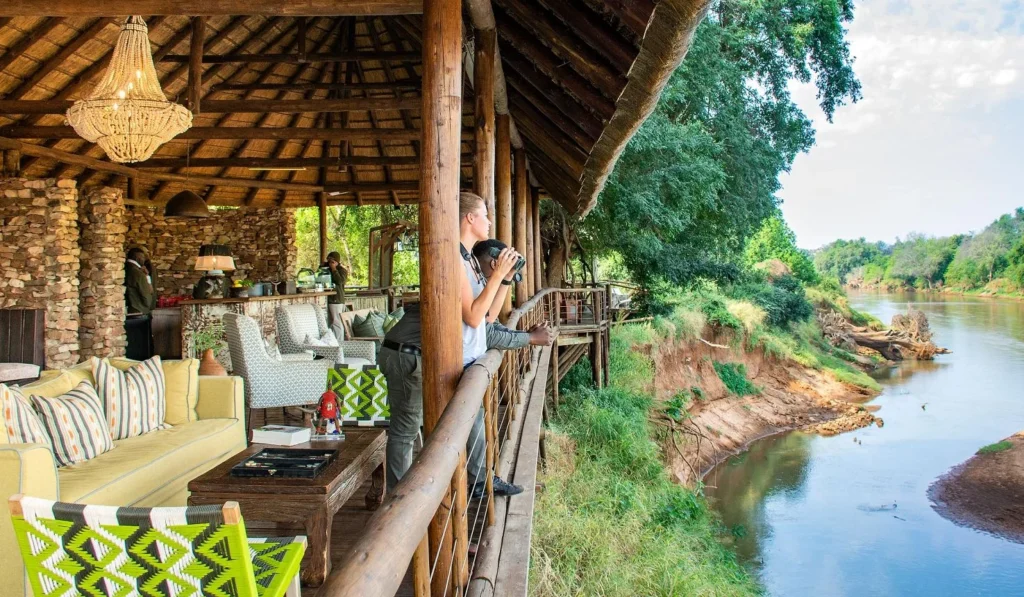
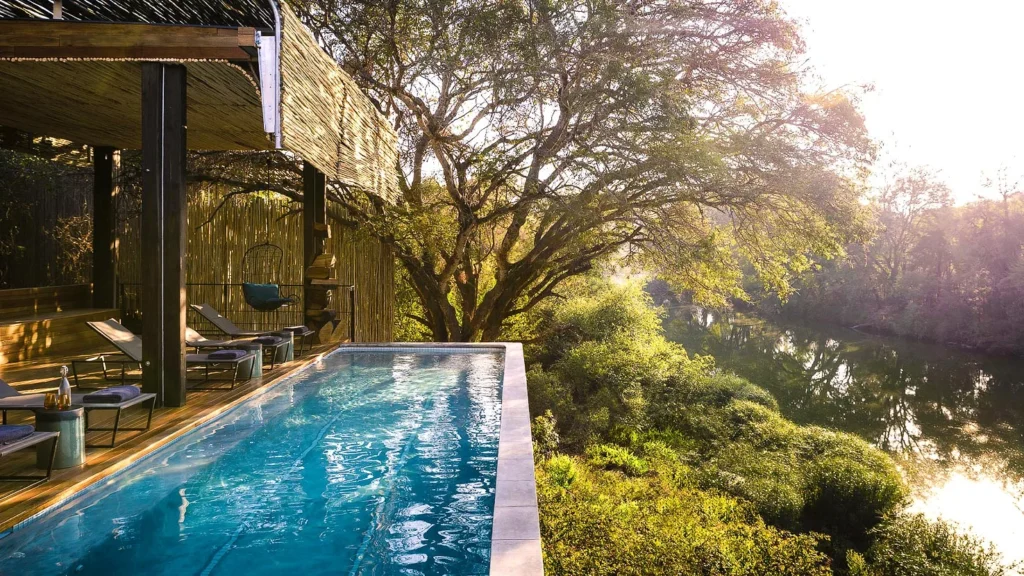
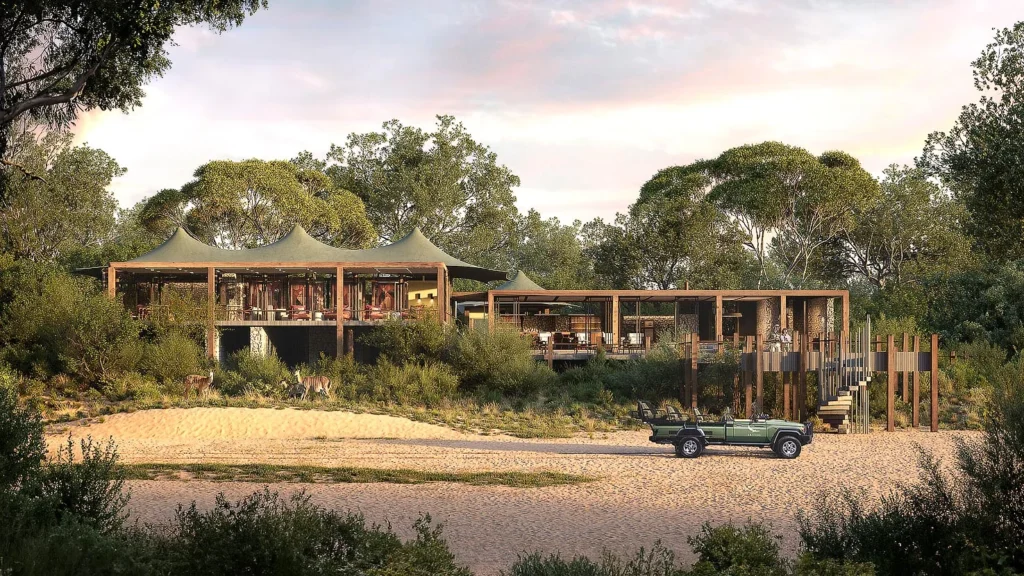
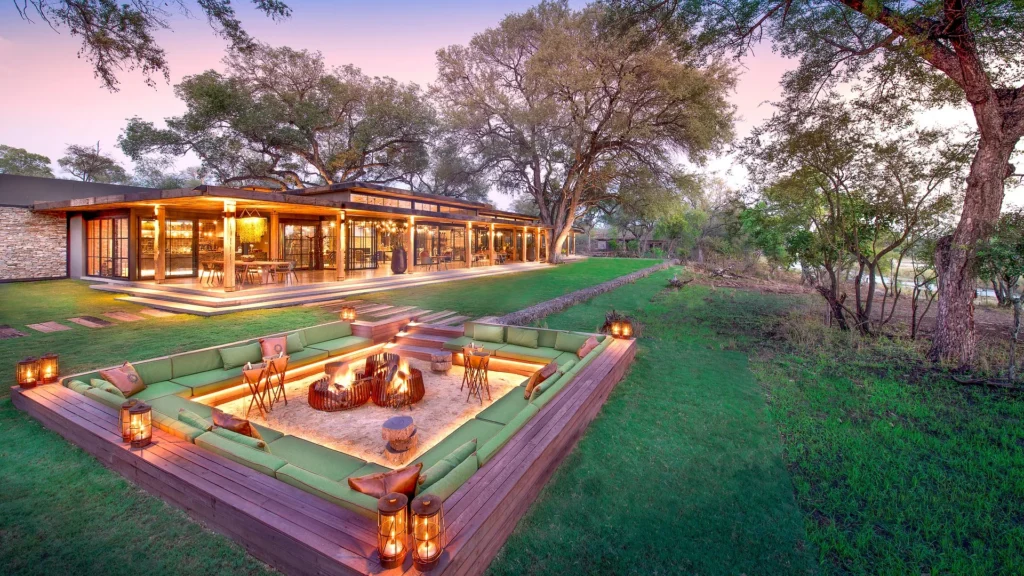
This is a simple seasonal camp set along the Luvuvhu River, with a canvas mess tent, a fire pit, and al fresco meals laid out on the riverbank. The river-edge setting is the main thing that distinguishes Hutwini from the sister Nkula Walking Camp, which sits inland under a Natal Mahogany tree. If price isn’t the deciding factor, Hutwini’s river location and flush toilets give it the edge.
Rooms
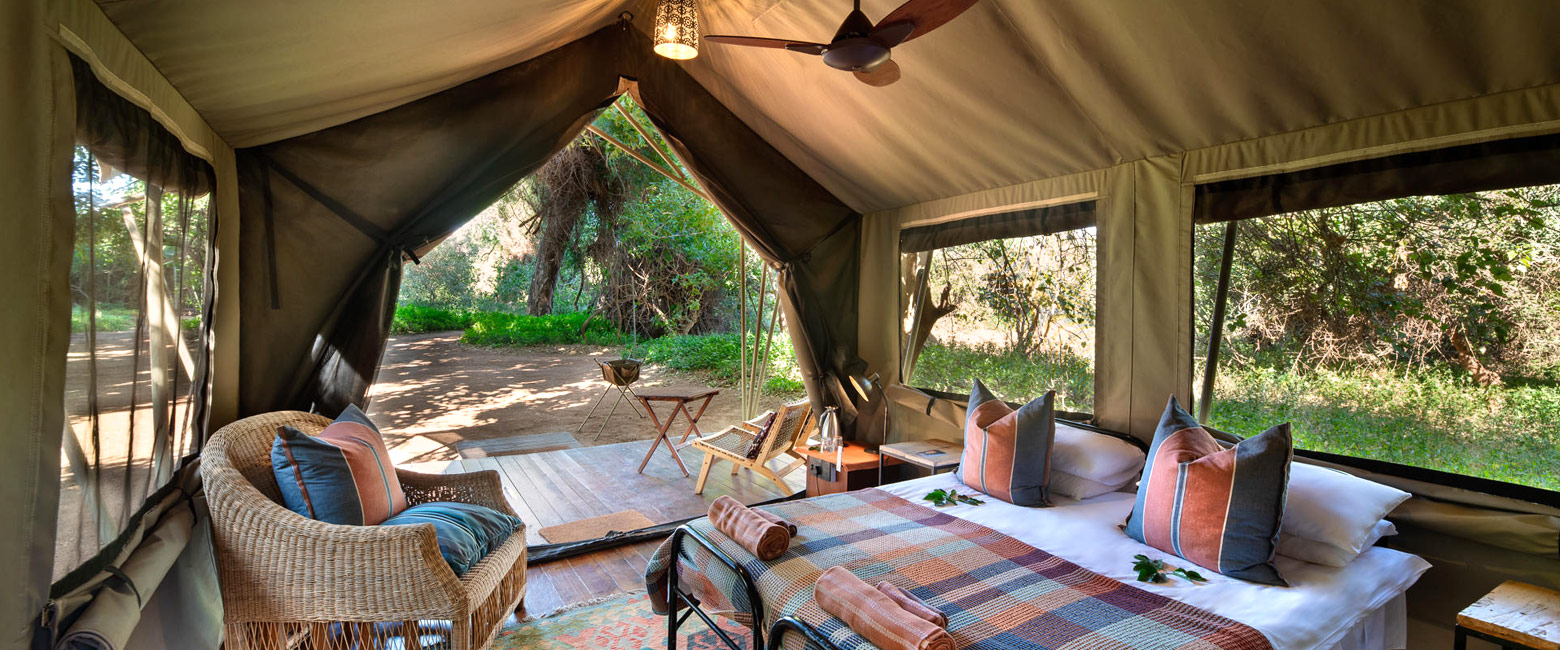
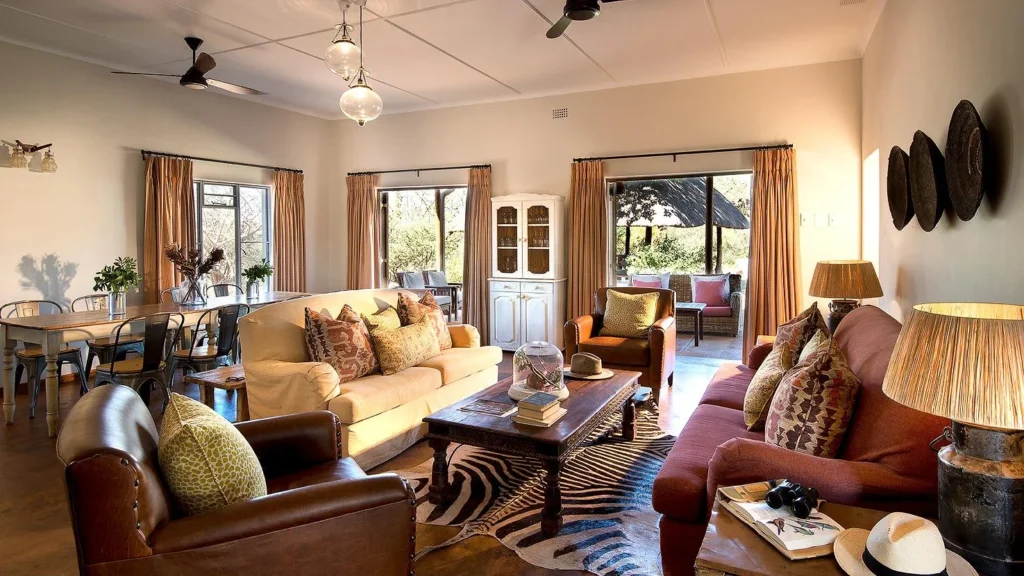
Guest accommodation is in 4 tents, each with a deck, fans, an en-suite bathroom with flush toilet and basin, and an outdoor bucket shower. The camp is unfenced, solar-powered, with no wifi, no pool, and radio-only communication. This is a moderate malaria area.
Activities
Pafuri Hutwini Walking Camp provides access to the following activities, not all of which are necessarily included in the room rate …
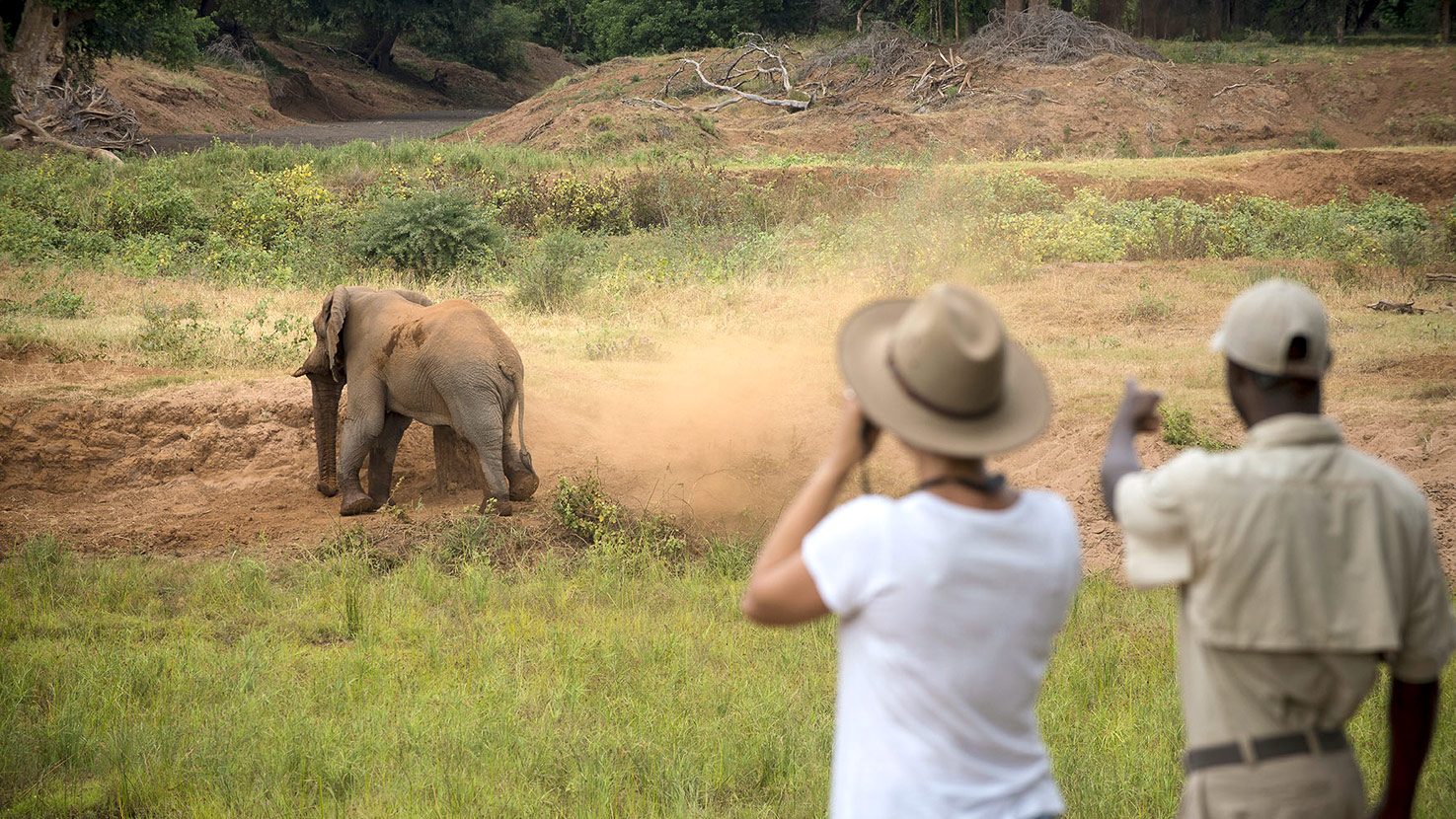
- Walking safari
- Vehicle safari (to walking points of departure, or by request)
- Tracking
- Bush meals
- Cultural visits (Thulamela archaeological site, Makuleke community)
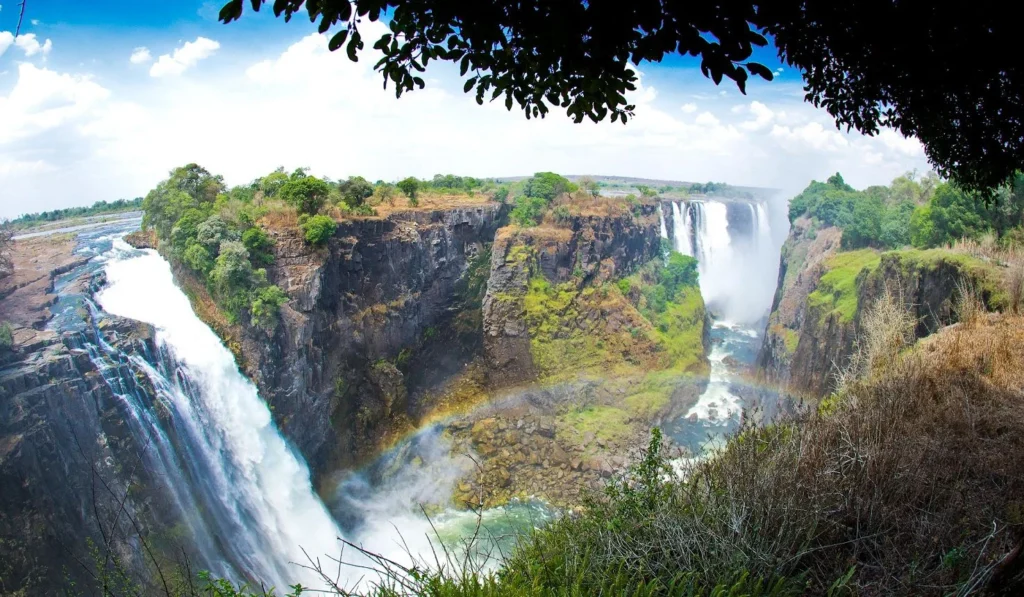
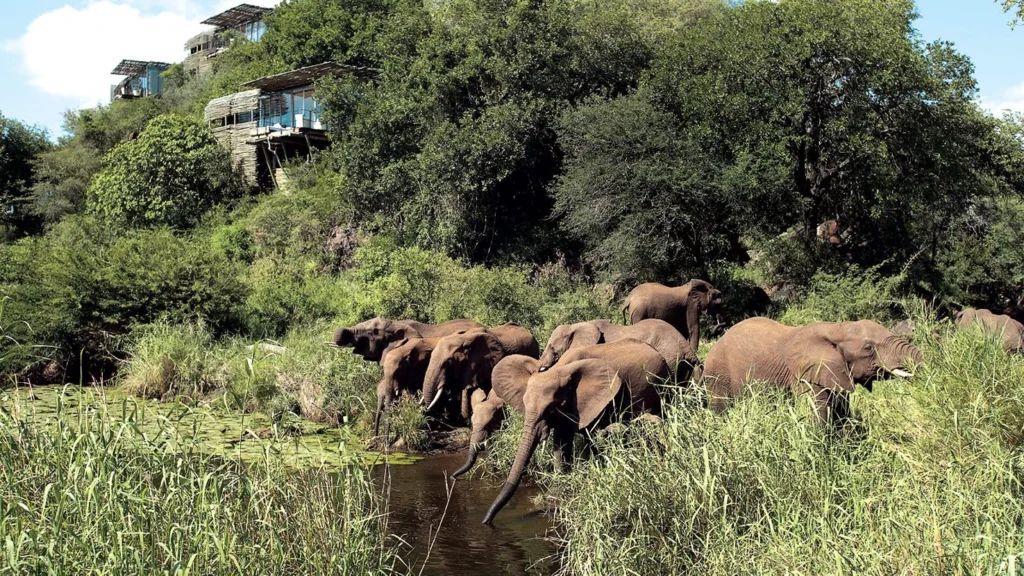
The Makuleke Contract Park covers around 1% of Kruger but contains close to 75% of its biodiversity. Crook’s Corner, where South Africa, Zimbabwe and Mozambique meet at the confluence of the Luvuvhu and Limpopo rivers, sits within the concession, along with the fever tree forests, baobab groves, Lanner Gorge, and Ramsar-listed wetlands. With 450 recorded bird species, Pafuri is widely considered the best birding location in the country.
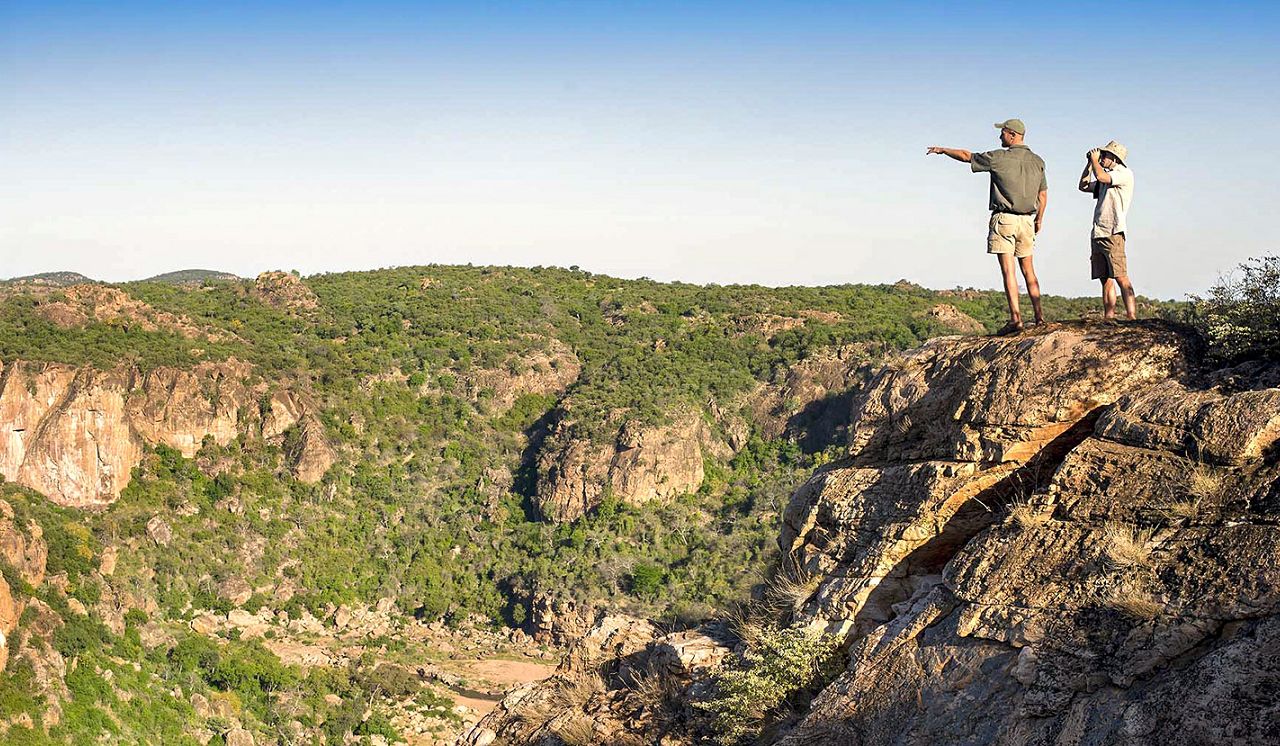
We are particular fans of the walking safari here, where the daily walks run 5-10 km depending on terrain and group fitness, with experienced guides who know the bush in genuine detail. Wildlife densities are lower than in the busier private reserves further south, but the landscapes are far more remote, scenic and varied. Recent guest feedback has been strong, with some groups reporting sightings comparable to the south. Start with lower expectations and let the place reveal itself.
The usual stay duration is 3-4 nights, easily combined with the sister Pafuri Tented Camp or Baobab Hill House for guests who want a mix of walking and vehicle-based safari.
/


Gallery
Map
The Kruger North area experiences massively lower visitor numbers than other parts of the national park, making it blissfully quiet as well as scenically varied. We try to include it in trips as often as possible, it is such a natural extension to safari in the south, adding up to a more varied and rewarding overall experience.
The usual stay duration is 3-4 nights.
Seasonality
The best time to visit Kruger is generally considered to be the May-Oct dry season, but (surprisingly) the reserve remains popular year round.
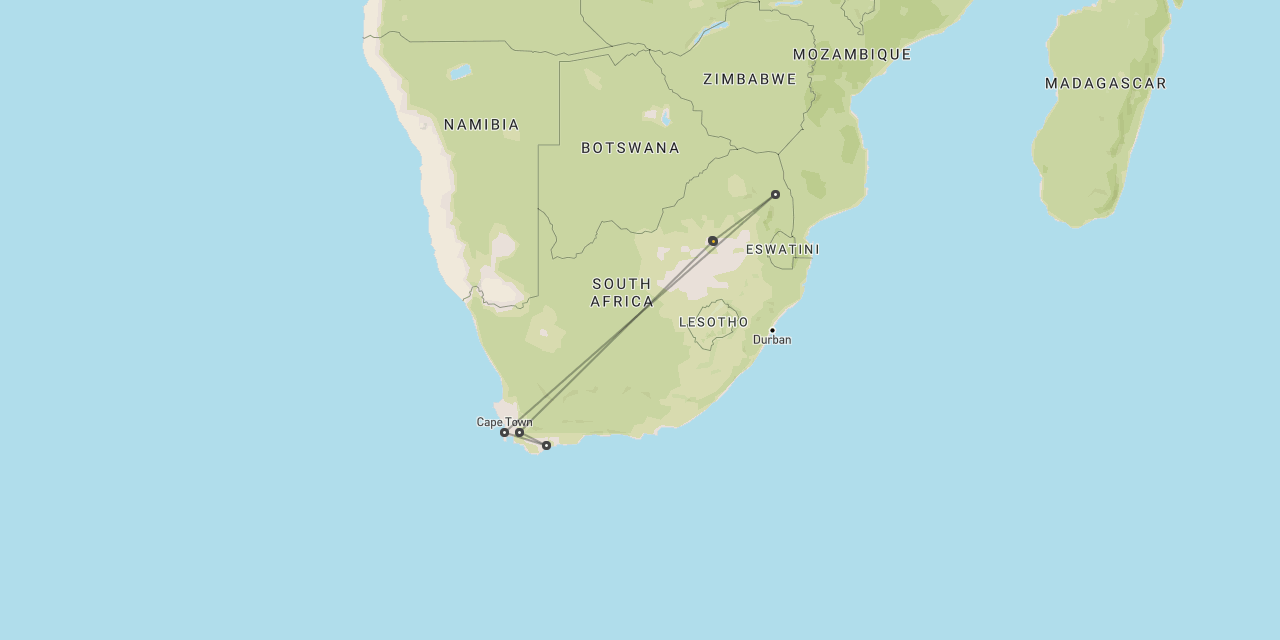
Safari in the Kruger area is much more seasonal than most people would lead you to believe. Trip planning is complicated by the fact that the seasons here are almost diametrically opposite to those down in Cape Town (with which the area is most commonly combined in trips).
Dry winter : Jun/Sep
This period is characterised by a cool dry winter which is generally considered to be the best time for wildlife viewing, although day length is relatively short and nights can get very cold. Unfortunately it does coincide with a more conventional cool wet winter in Cape Town.
Hot transition : Oct/Nov
This is the start of the hot wet summer. Wildlife viewing is usually very strong, but temperatures and humidities can become uncomfortably high in advance of the first rains, which usually arrive mid November to cool things down. This coincides with a usually pleasant spring season in Cape Town. October therefore represents an interesting compromise month.
Wet summer : Dec/Mar
This period is characterised by a hot wet summer, which is generally considered to be the most challenging time for wildlife viewing, although sightings should remain reliable in the premium areas. Day length is nice and long, but temperatures and humidities can become uncomfortably high and rain can be a major issue. However these potentially adverse conditions happen to coincide with a hot dry summer in Cape Town.
Cool transition : Apr/May
This is a period of transition between the hot wet summer and the cool dry winter, with wildlife viewing continuing to improve as the foliage dies back. Day length, temperatures and humidities are all in the middle of their ranges. The period coincides with autumn/fall in Cape Town, making this perhaps the strongest time of year for the combination.
a fabulous private concession area
let us know your thoughts about South Africa
and we will help you create the perfect safari
Extraordinary tailor-made adventures,
from earthy and edgy to easy and extravagant
From around USD 2500 per person, you set the ceiling
Sample Trips
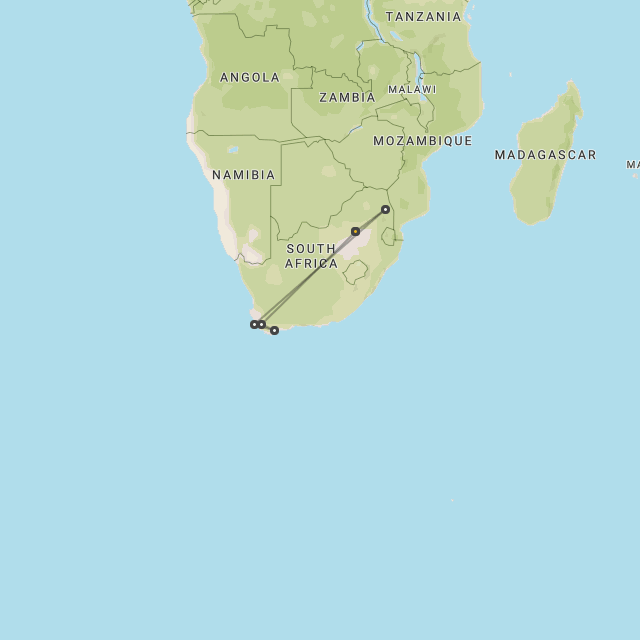
Here are some of our popular trip shapes
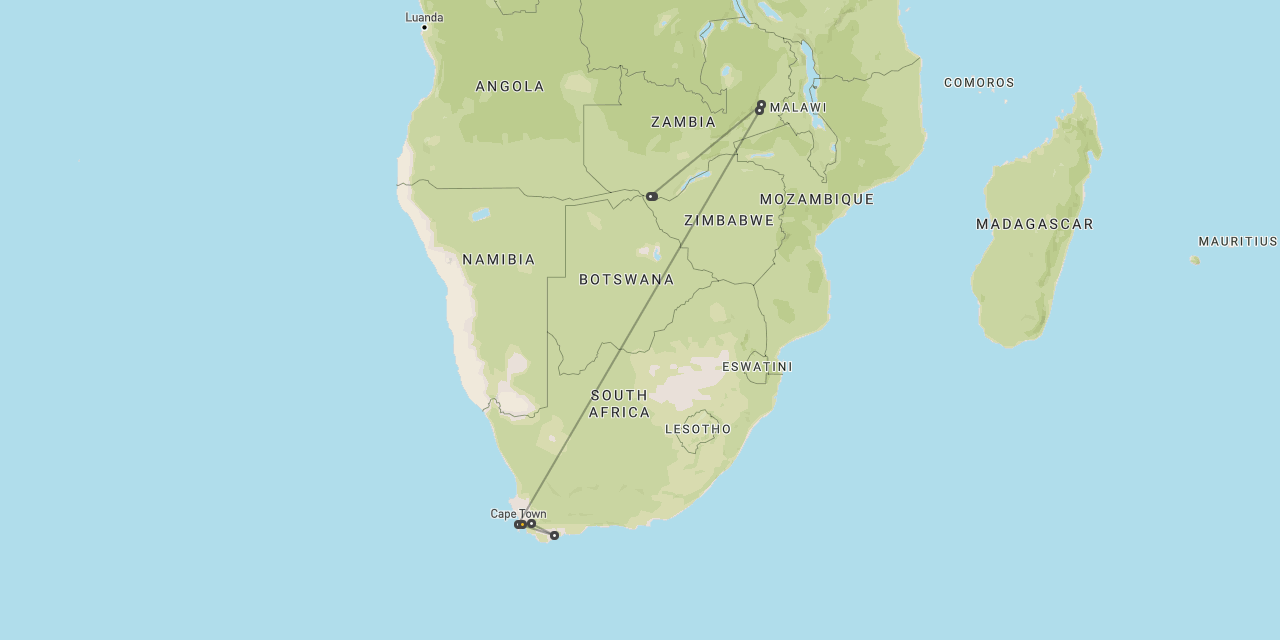
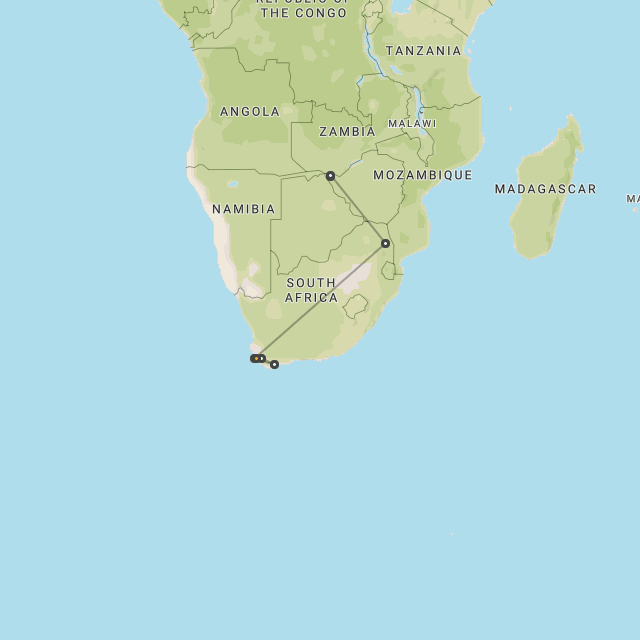
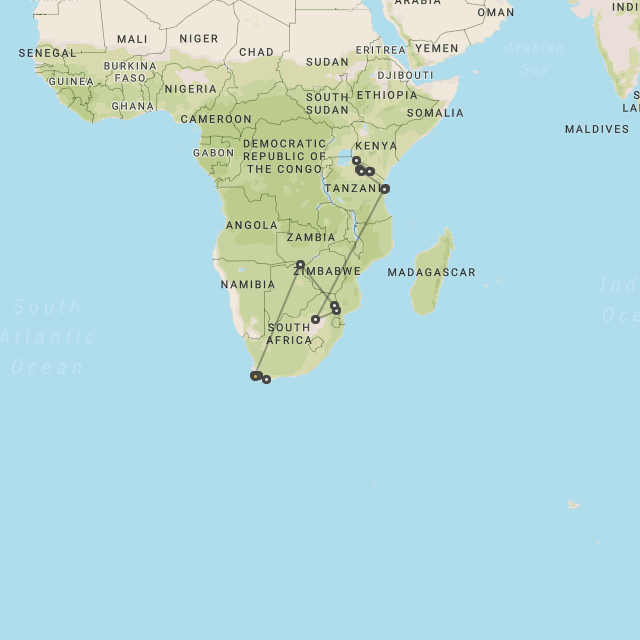
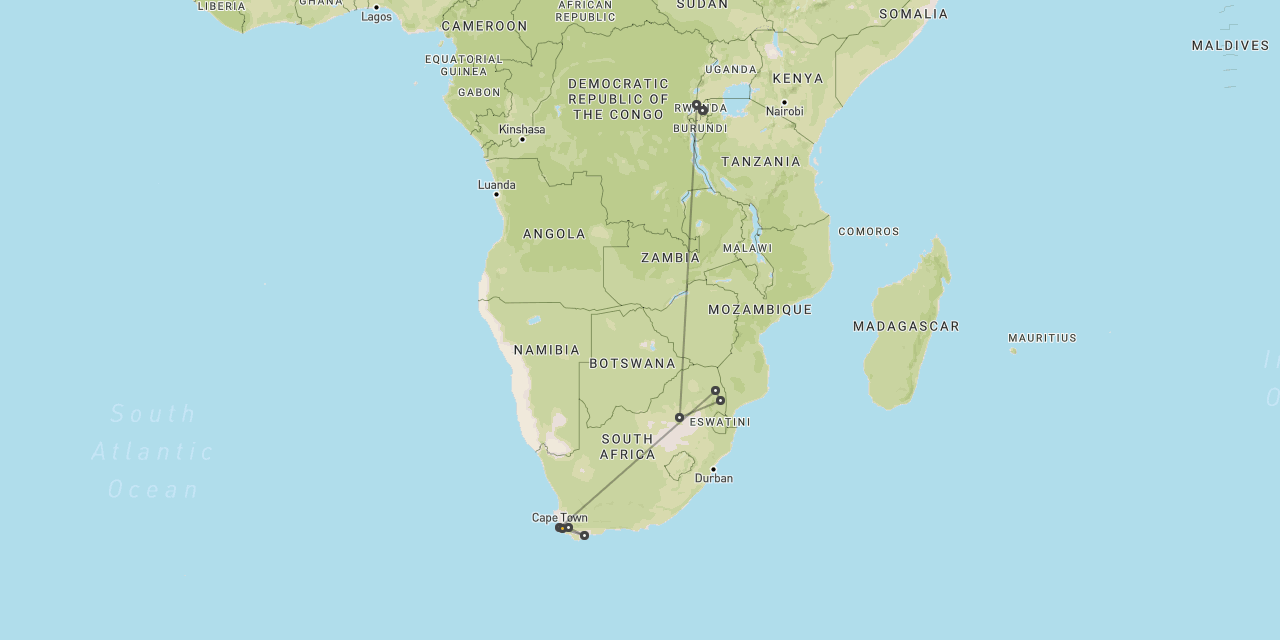

Get started on your trip
It’s never too soon to get in touch, we are here to help with every stage of your planning.
Best Lodges
We regularly inspect and photograph all of the the best lodges, to ensure that we always recommend the most suitable options
Key Locations
Take a look around related locations. Click ‘View more’ to explore locations further afield.