Safari to Ankarafantsika
0.0 Rating
Ankarafantsika
but virtually inaccessible reserve
in northwest Madagascar
home to some highly endangered lemur species
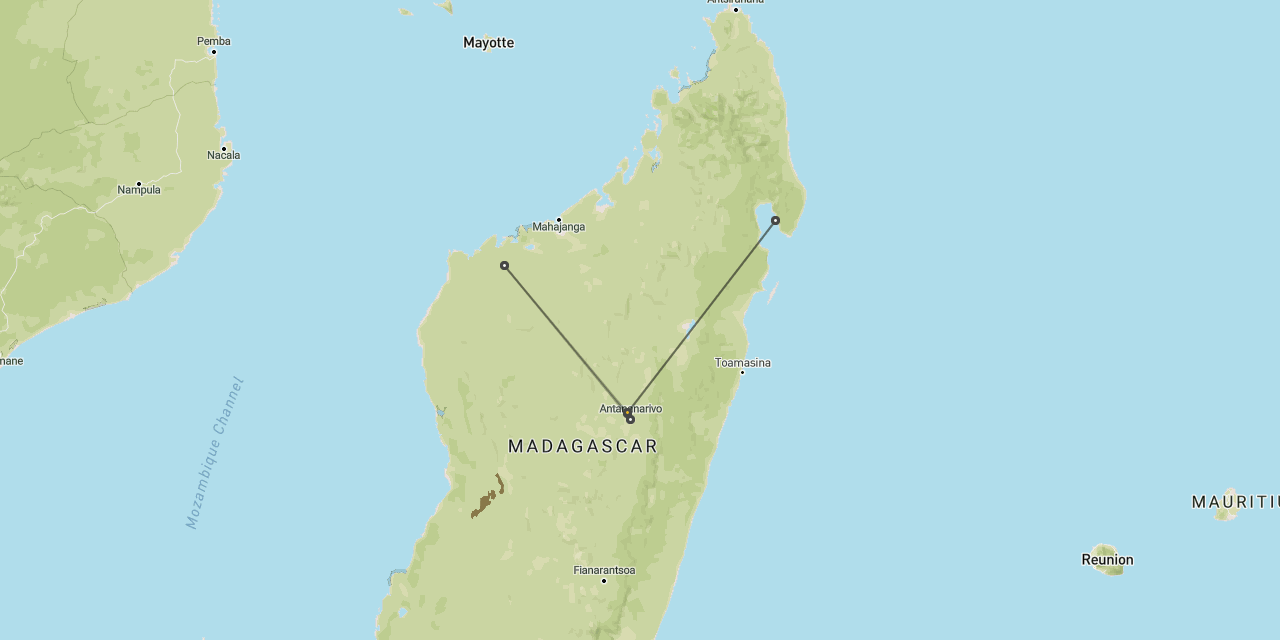
Set in the northwest of Madagascar, some 400 km north of the capital Antananarivo, Ankarafantsika National Park is a substantial conservation area of around 100 square kilometres.
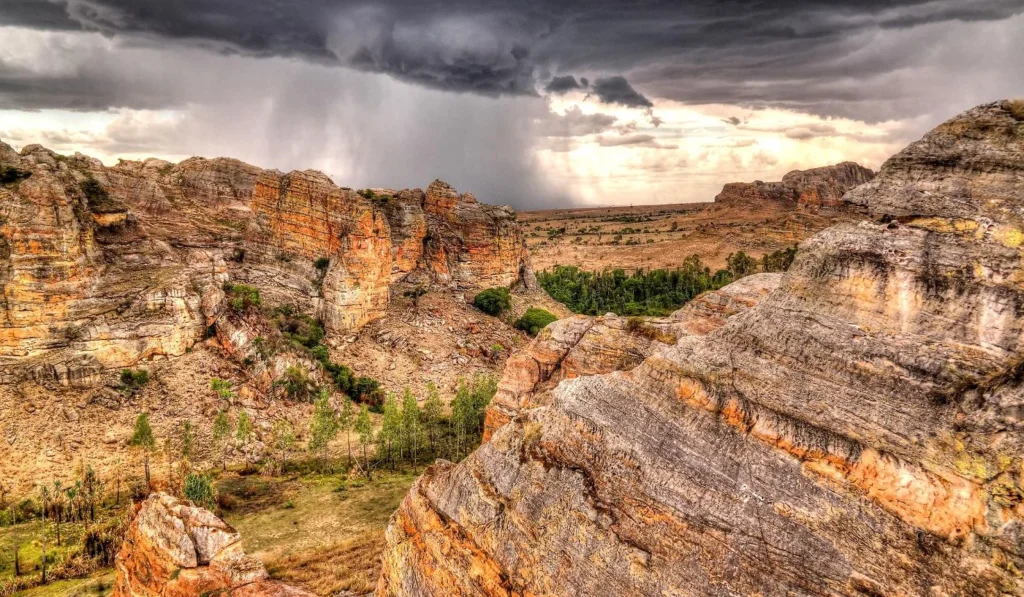
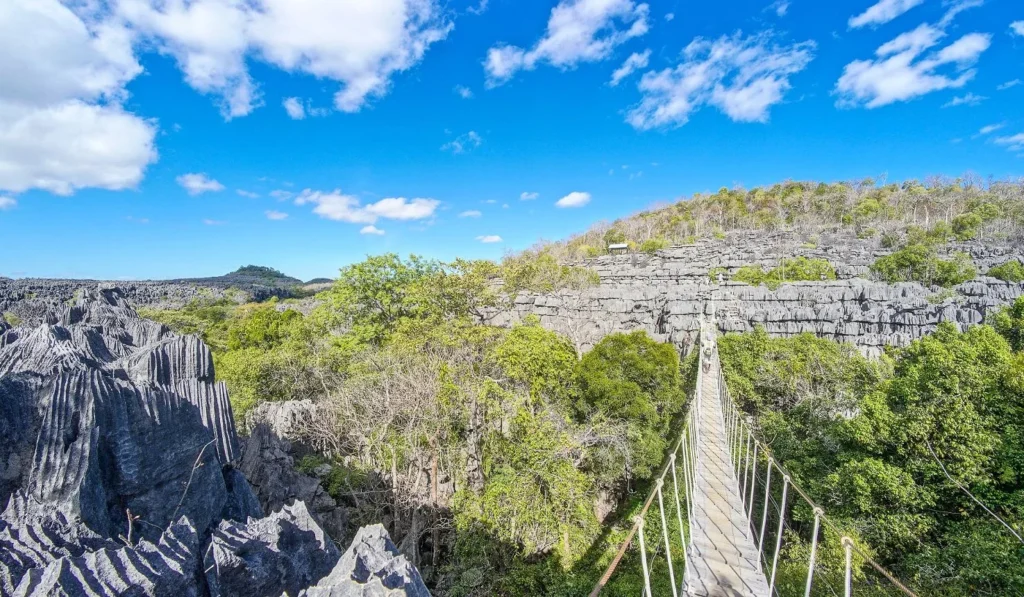
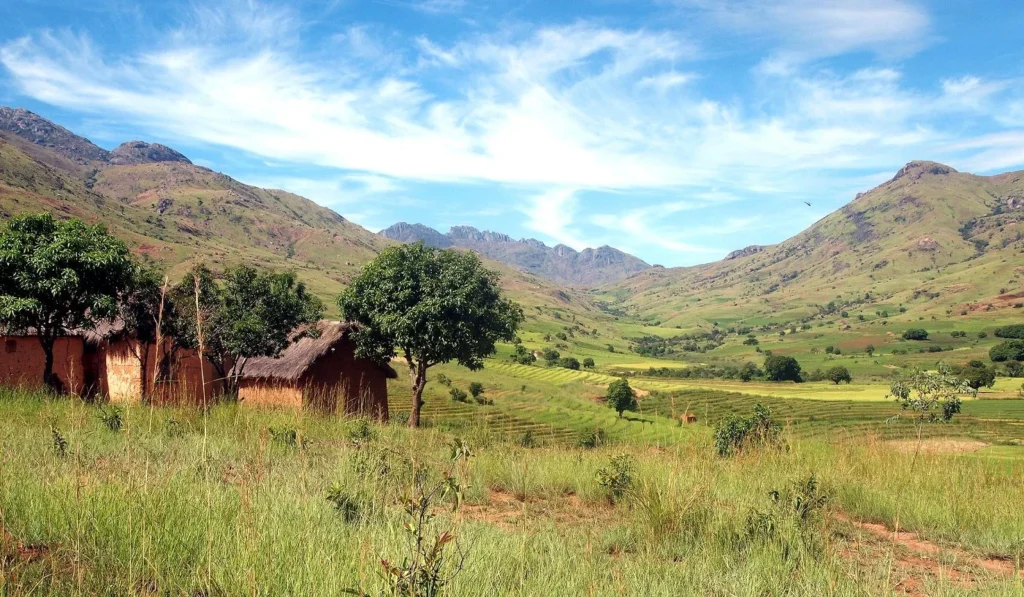
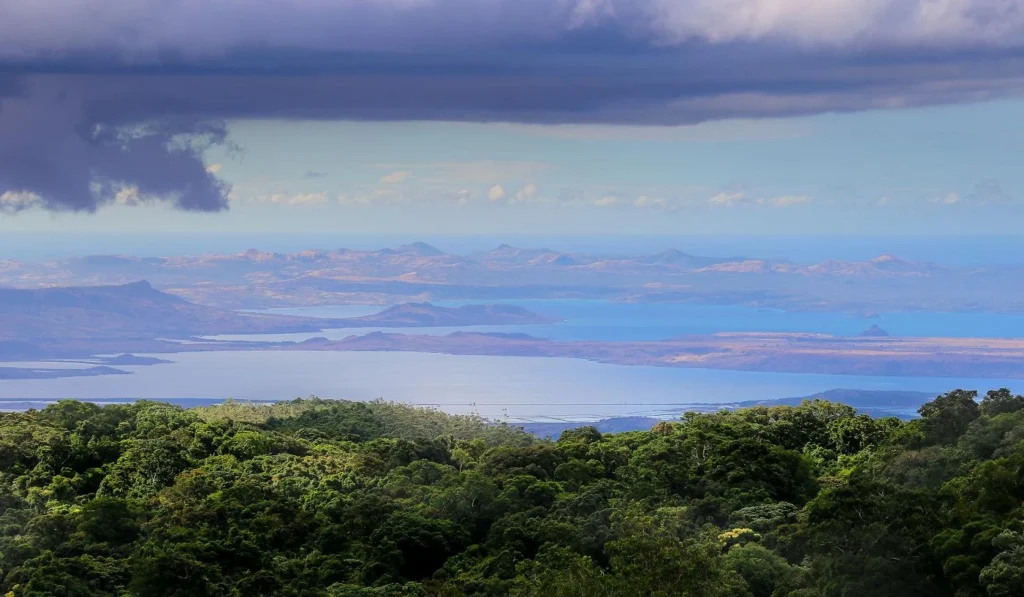
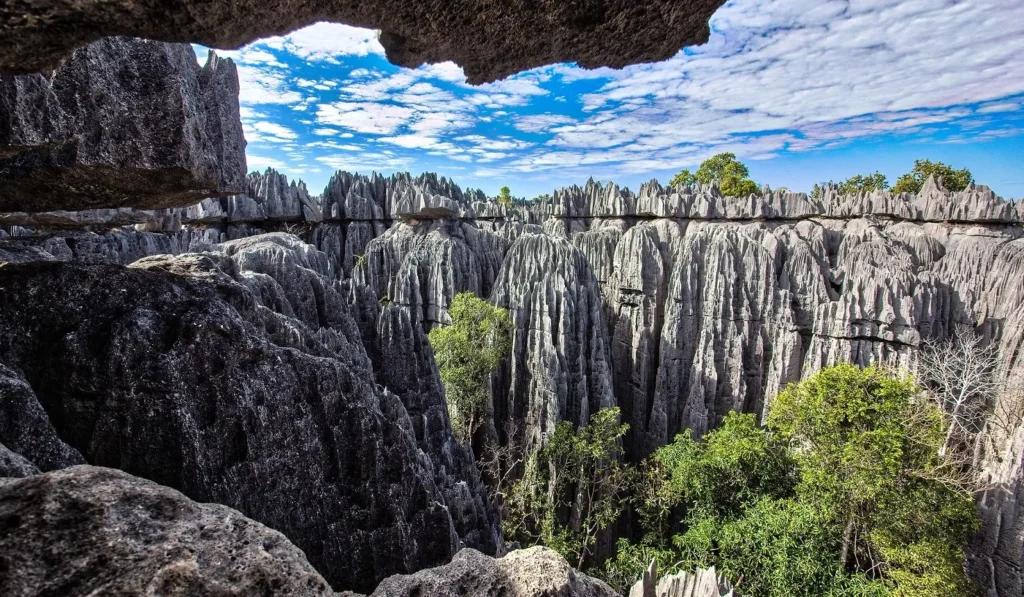
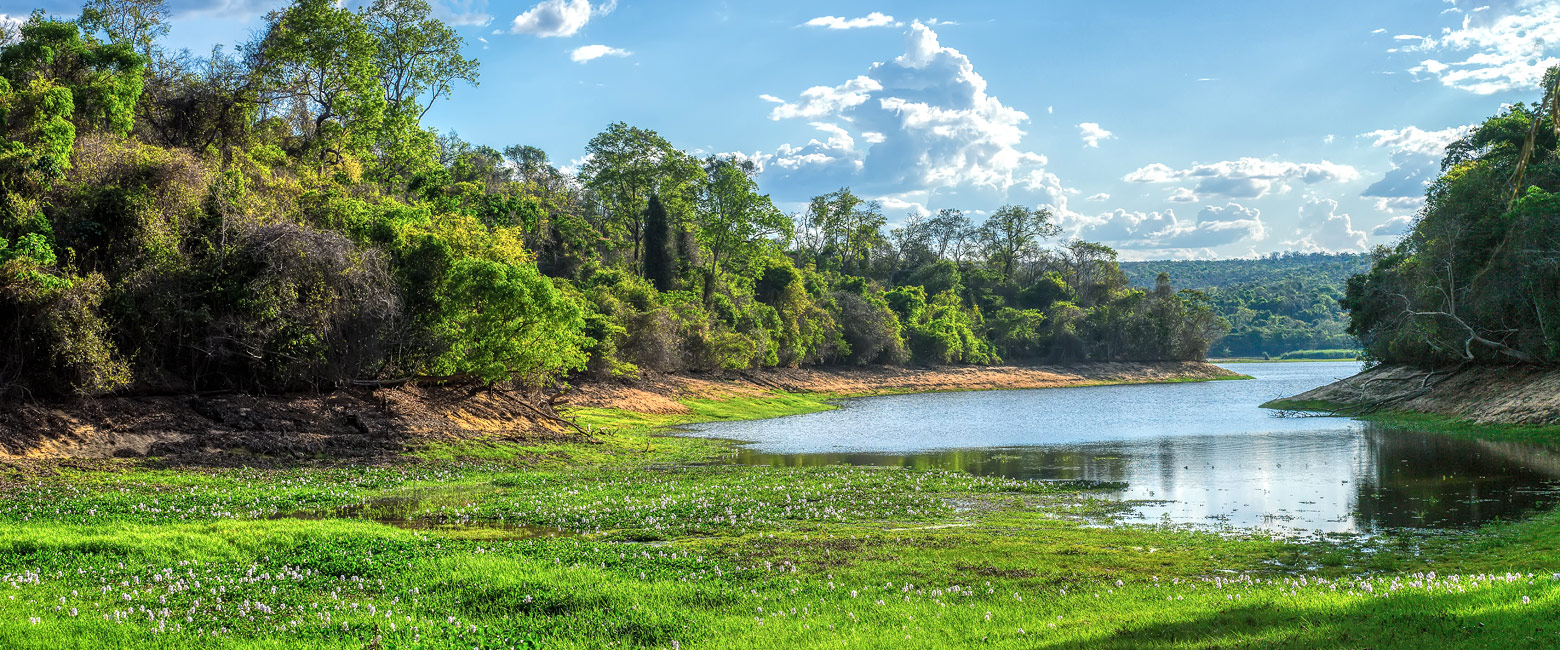
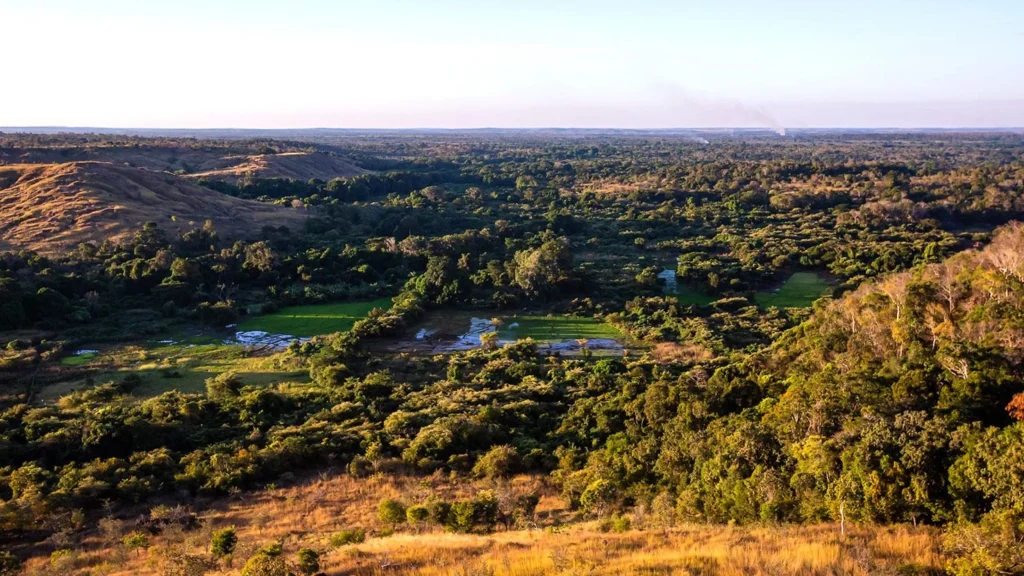
The landscape is largely comprised of western dry deciduous forest, with some interesting rocky canyons, open dry grasslands and a handful of scenic lakes.
By the way, if you are struggling to remember all the names, this place is commonly referred to as ‘Ankara-fantastica’.
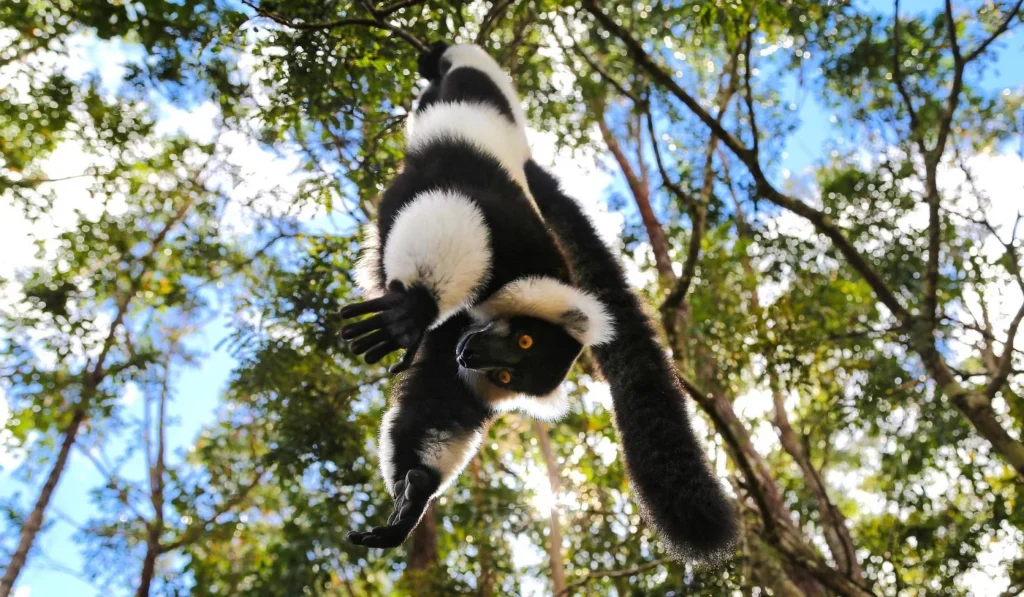
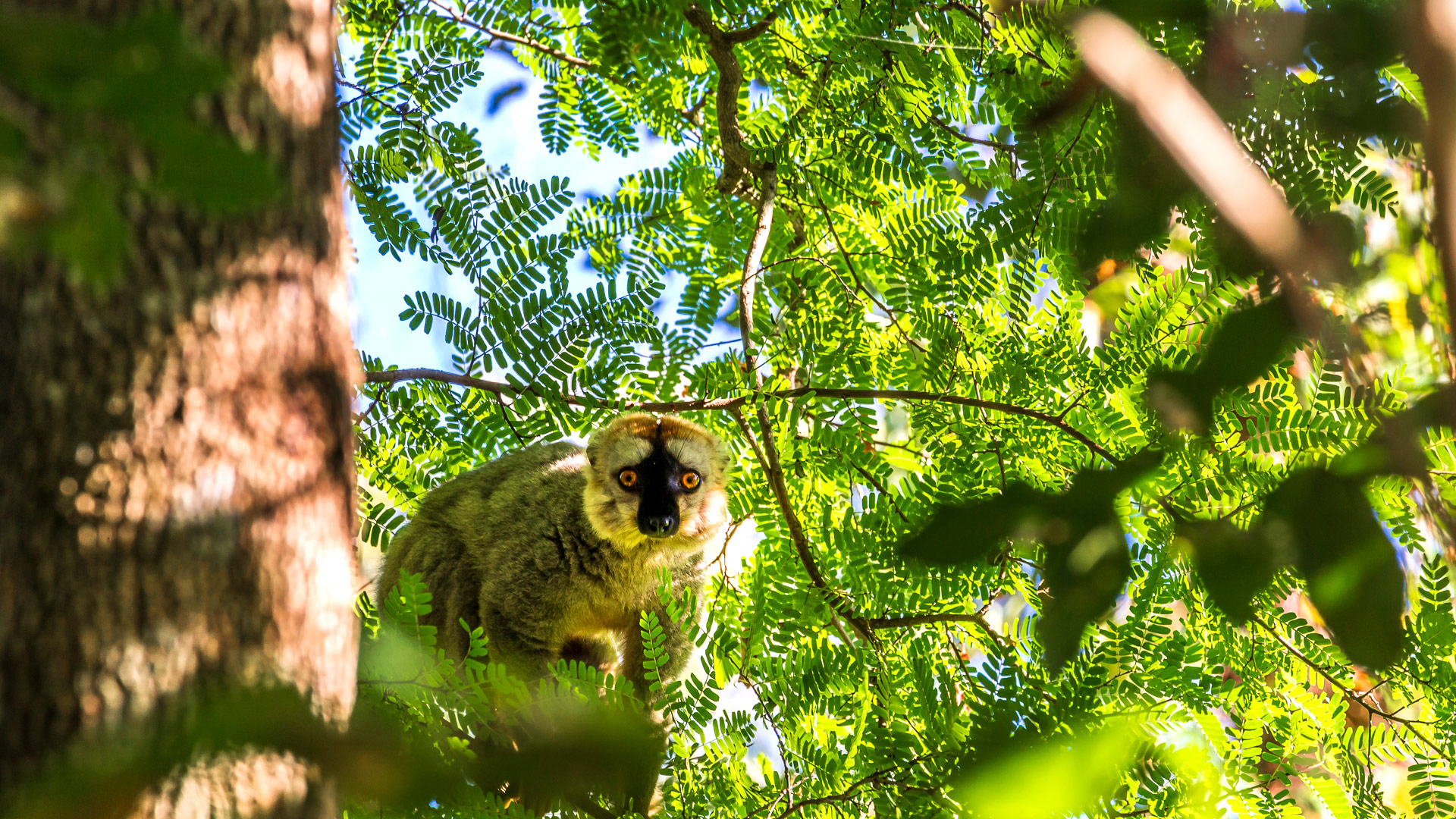
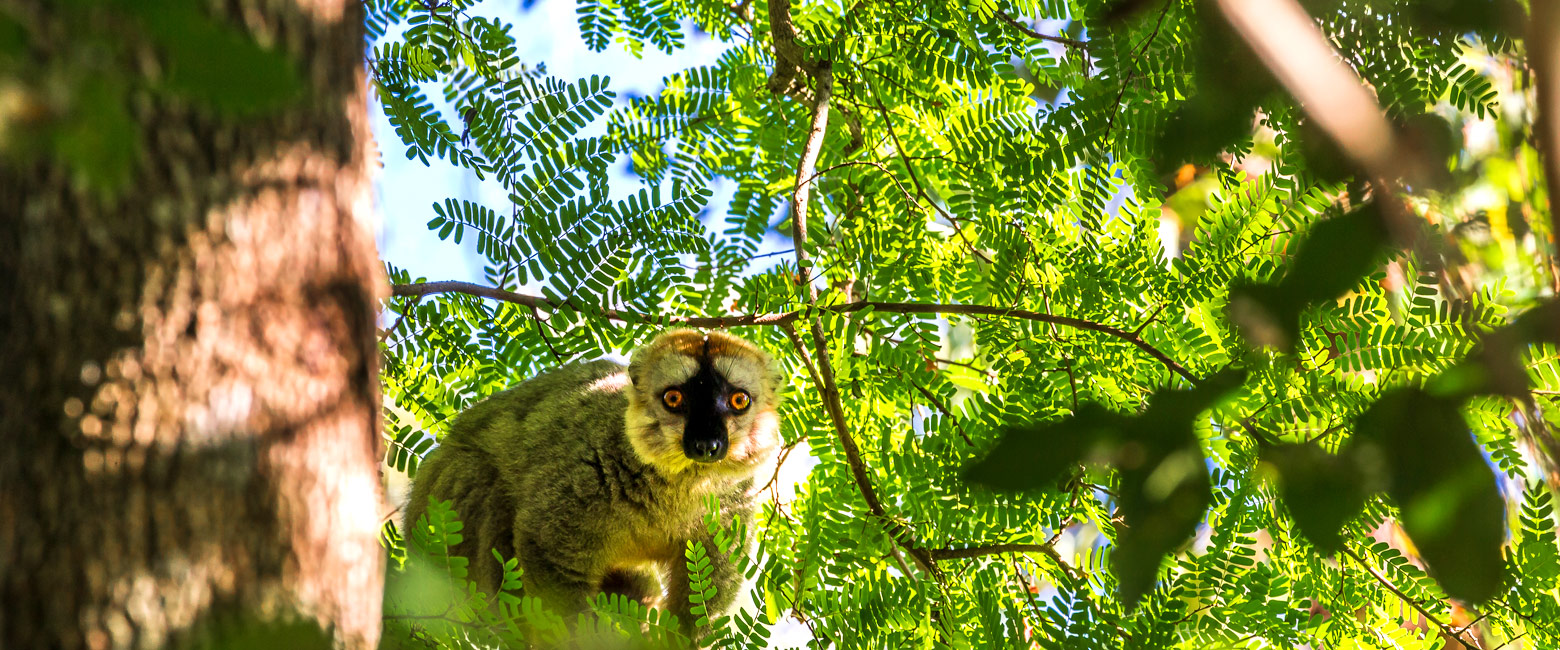
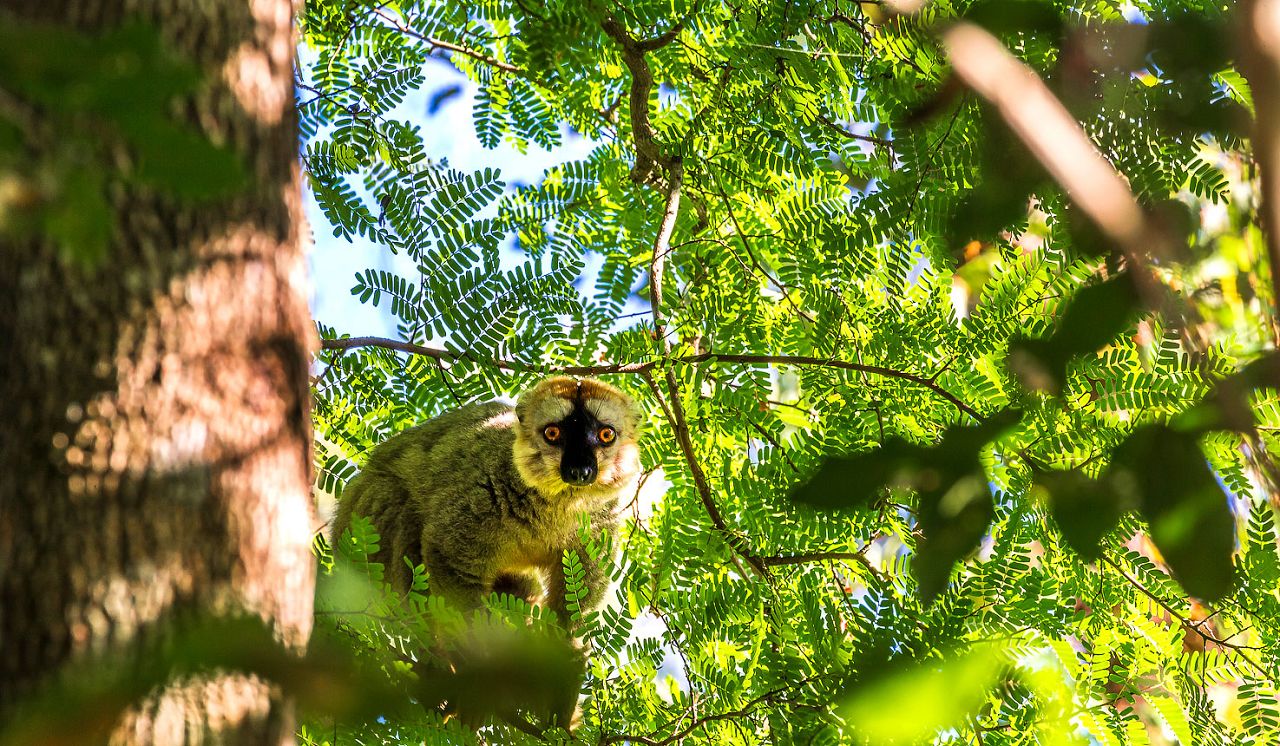
In common with virtually all the forests in Madagascar, Ankarafantsika contains a huge diversity of creatures, including a fair number of endemic and endangered species. Notable species include mongoose lemurs (critically endangered), western woolly lemurs and golden-brown mouse lemurs.
The reserve is considered to be a birding hotspot and is often included in specialist ornithological tours. Special highlights include Schlegel’s asitys and Van Dam’s Vangas.
The Durrell Wildlife Conservation Trust operates Projet Angonoka here in the reserve, where visitors can observe a captive breeding scheme for Madagascar’s four endemic tortoise species and one endemic freshwater turtle species.
Mahajanga
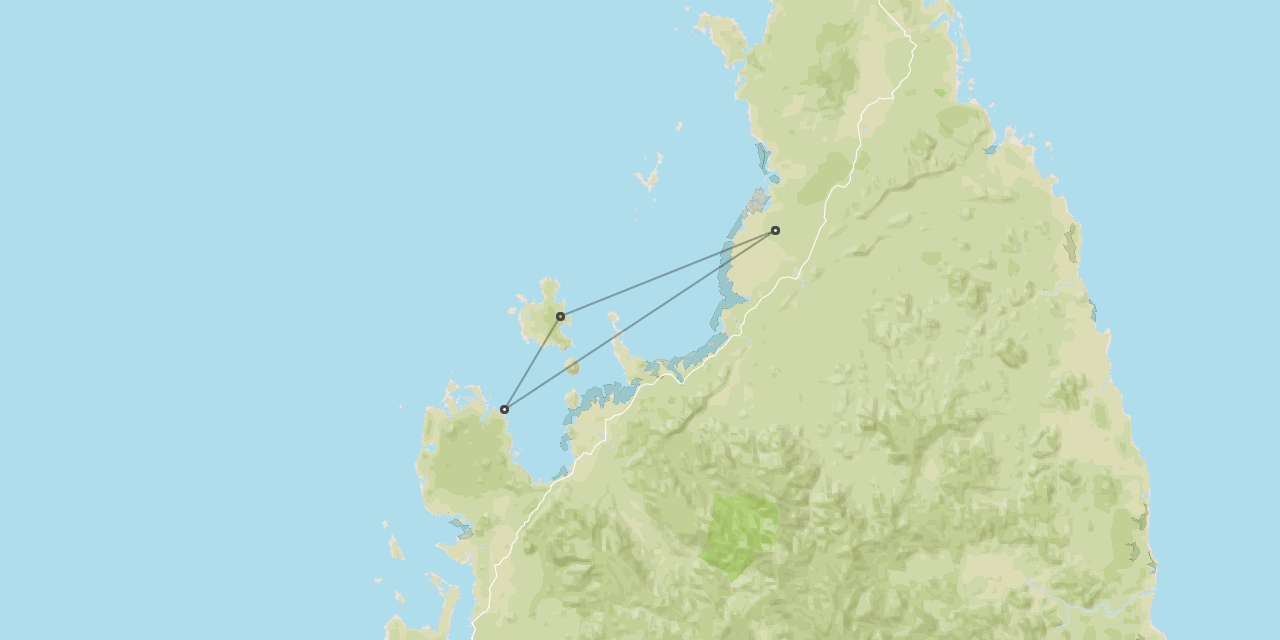
Set on the coast around 120 km northeast of Ankarafantsika, Mahajanga is a small port city with a population of around 220,000 people.
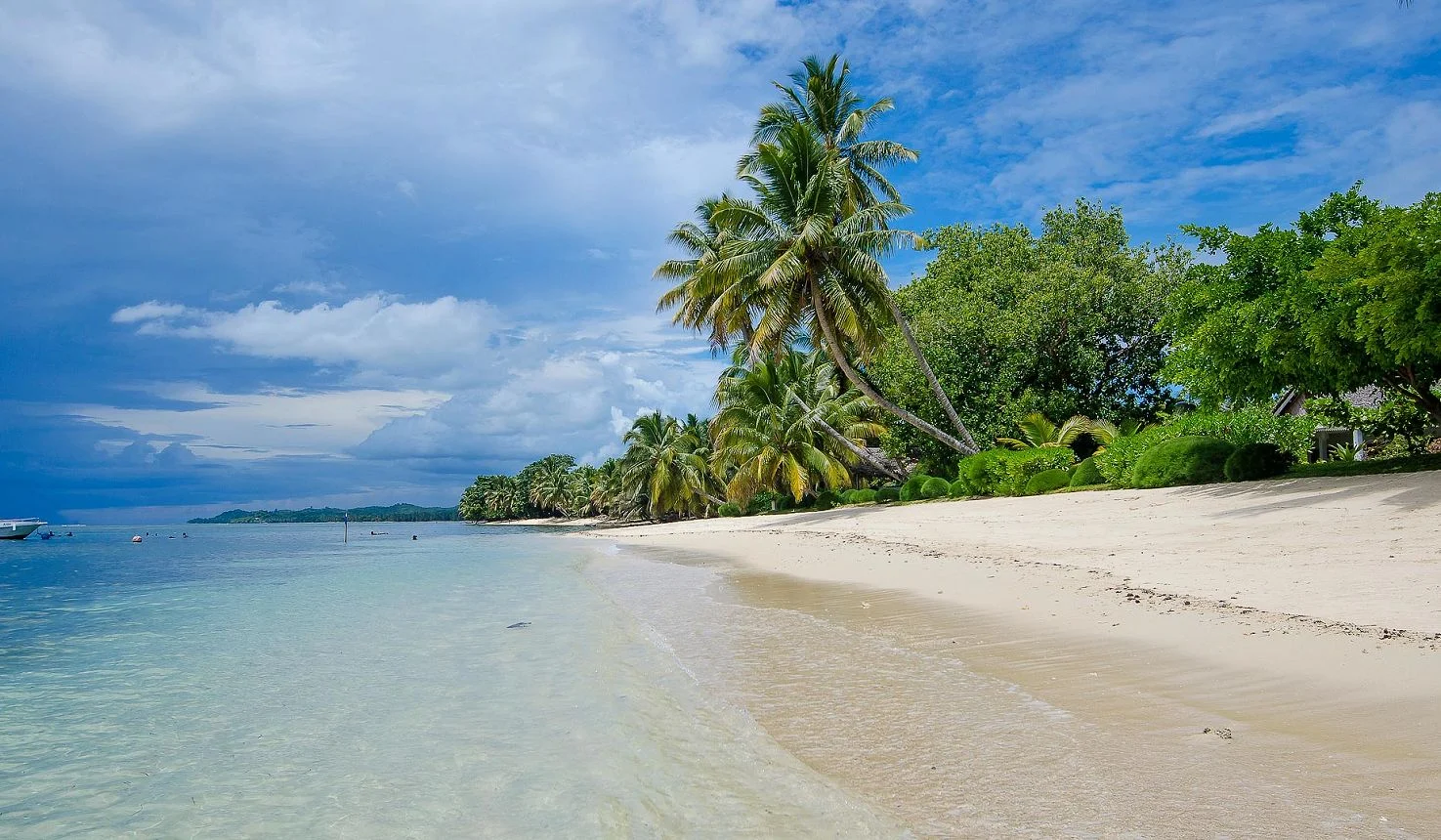
The most prominent features of the town are its oceanfront boulevard lined with palm trees, broad sandy beaches, a fabulous traffic circle centred on an absolutely massive baobab tree and its working container port (the second most important in the country after Toamasina).
Mahajanga has a sizable Muslim population, which probably dates all the way back to around 950 AD.
It has enjoyed periods of prosperity. In 1764 an English captain described the town as ‘a bustling, cosmopolitan port, built after the Indian fashion, containing many stone buildings and mosques’.
The name Mahajanga is thought to be of Indian origin, with a considerable population of traders from the sub-continent having settled here by the 1800s.
Although the modern town itself is of little interest to most international travellers, the airport here is the main way to access Ankarafantsika National Park.
/


Gallery
Map
The best time of year to visit the Ankarafantsika area is generally considered to be during the May-Sep ‘cool’ dry season.
The weather in this part of the world is relatively stable year round, with daytime temperatures typically reaching 32C/95F, which is reasonably comfortable when humidities are low.
During the May-Sep dry season the nighttime temperatures can drop to a reasonably comfortable 18C/64F and there should be virtually no rainfall.
During the Dec-Mar hot rainy season the nighttime temperatures may struggle to get below 24C/75F, which can be quite uncomfortable given the higher humidities.
During the April and Oct-Nov periods you can expect intermediate conditions.
Getting there
Although it is theoretically possible to drive north from Antananarivo on the RN4 highway, in practice it’s way too long for most international visitors.
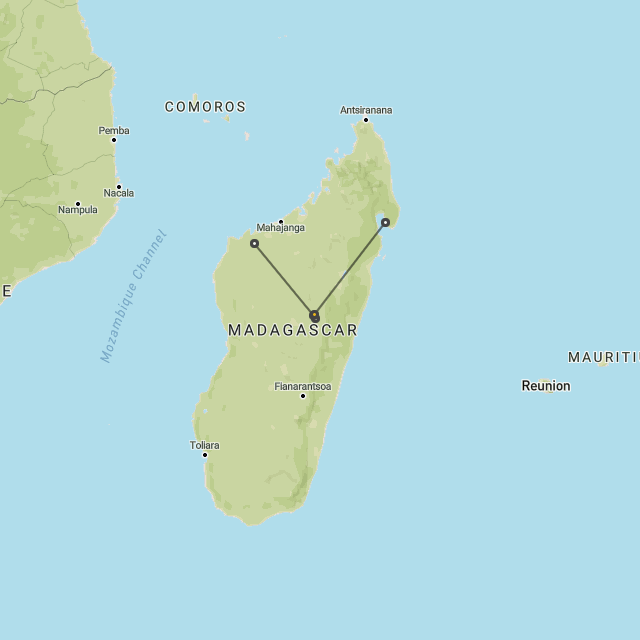
Ankarafantsika is usually accessed by air from Antananarivo to Mahajanga, from where there is a decent sealed road, two hours southeast to the reserve.
Getting out involves travelling the same route in reverse.
Where to stay
The main problem with visiting Ankarafantsika is that there really are no highly rated lodges in the area. Wherever you stay you should arrive with the lowest expectations and hope for the best.
The best option is probably the modest Gite de Ampijoroa, which has rustic lakeside bungalows close to Lac Ravelobe. The Ampijoroa Research Station is on the same site.
Around 4 km south, at the village Andranofasika, is the small and simple Blue Vanga Lodge.
Another simple option in the area is Tia Asity Lodge.
completely devoid of good quality lodge options
let us know your thoughts about Madagascar
and we will help to create the perfect safari
Extraordinary tailor-made adventures,
from earthy and edgy to easy and extravagant
From around USD 2500 per person, you set the ceiling
Sample Trips
Here are some of our popular trip shapes

Get started on your trip
It’s never too soon to get in touch, we are here to help with every stage of your planning.
Best Lodges
We regularly inspect and photograph all of the the best lodges, to ensure that we always recommend the most suitable options


Key Locations
Take a look around related locations. Click ‘View more’ to explore locations further afield.