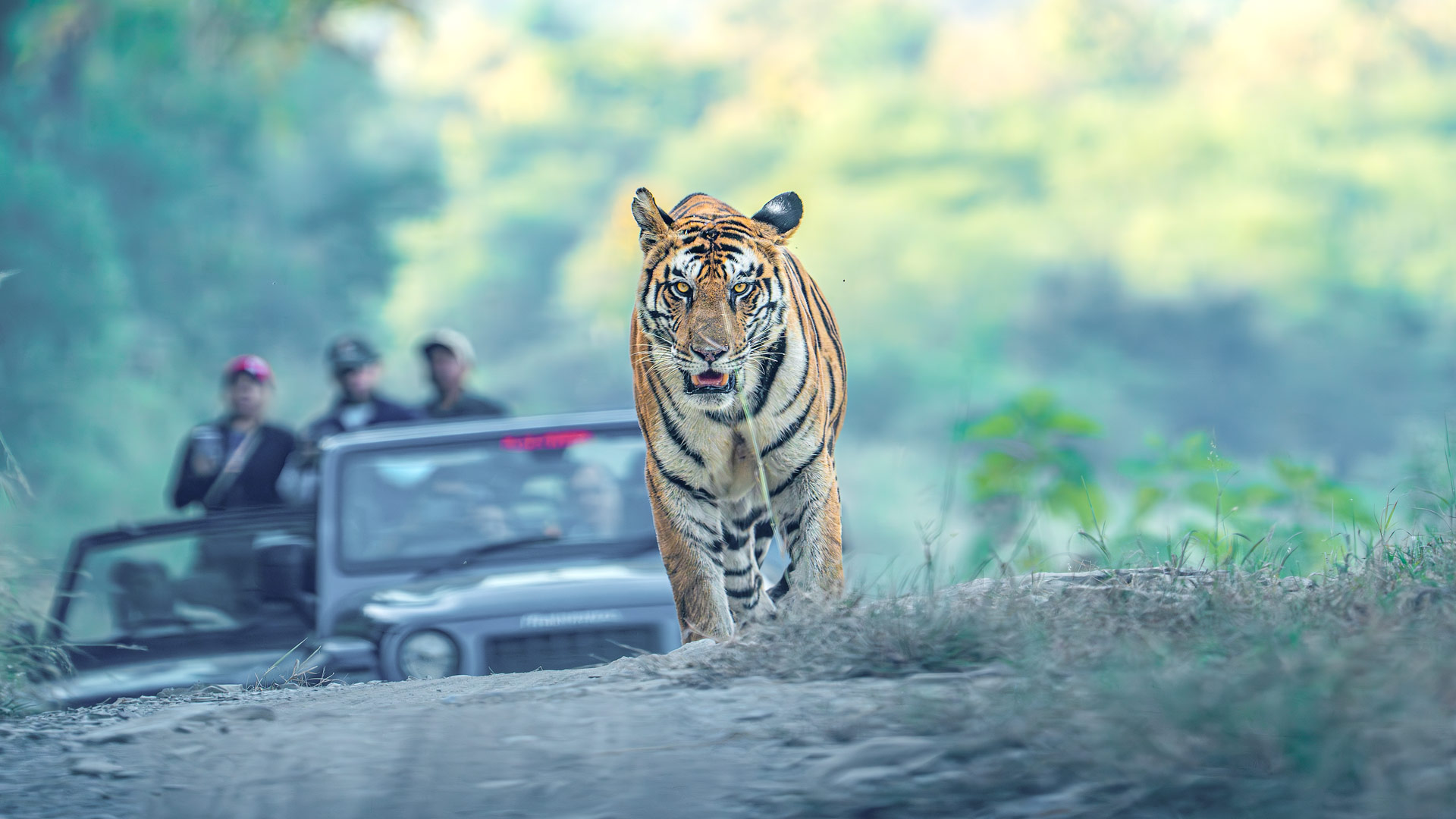
Safari to Panna
Panna
is a modest national park
in central India
a relatively low chance of tiger sightings
Parra National Park is located in the northeast of Madhya Pradesh in Central India, roughly 800 km (500 miles) from New Delhi, Mumbai and Kolkata.
Originally established as a wildlife sanctuary in 1981, the Parra Tiger Reserve was established in its present form in 1993. It extends over a modest 542 sq km (209 sq miles).
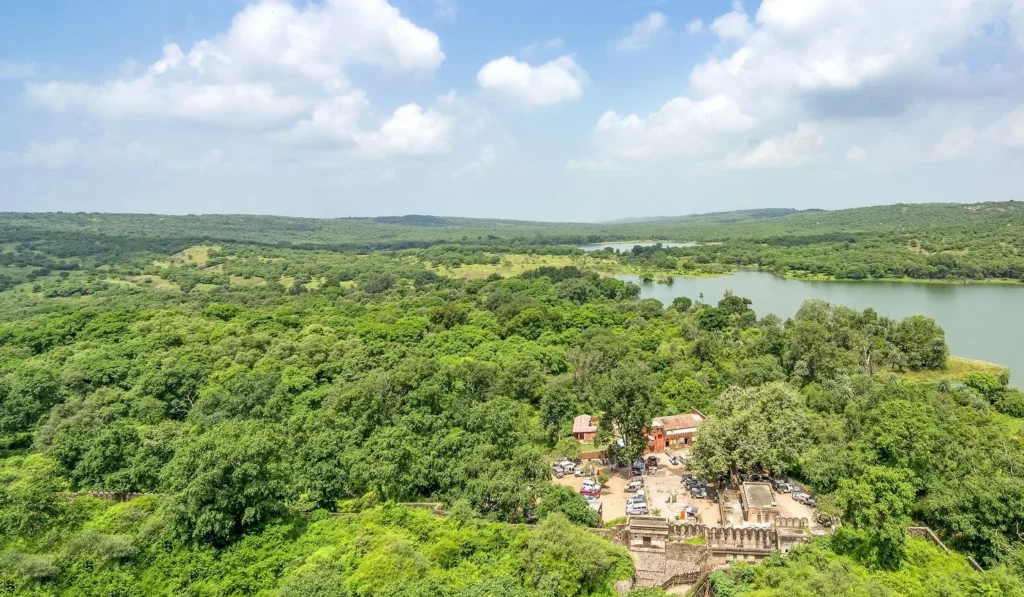
Parra is the only significant remaining area of indigenous forest in the north of North Madhya Pradesh. It lies in the transition zone between tropical teak and sub-tropical pendula deciduous forests.
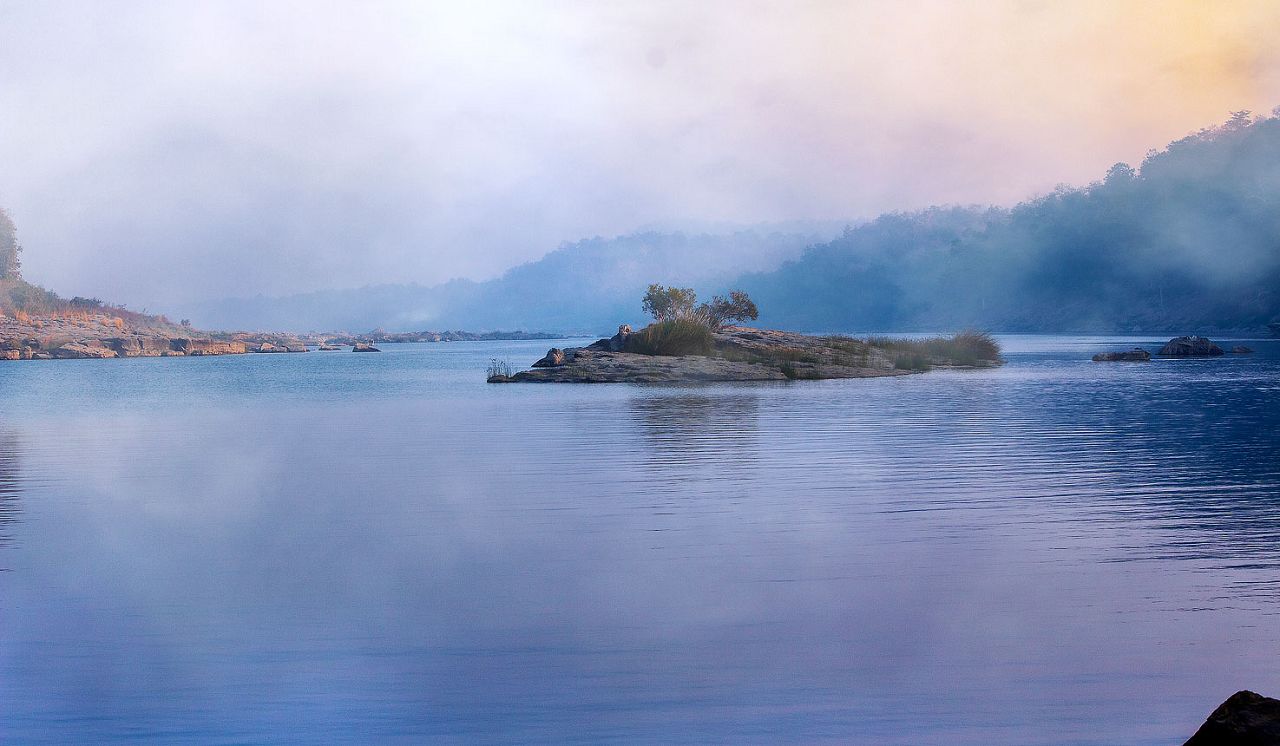
The reserve includes some significant upland scenery and is flanked on the west by the significant Ken River, which passes through a network of dramatic canyons and small waterfalls along the way.
Panna is not known as a strong location for wildlife viewing, rather it is a pleasant area in which to stay whilst visiting the nearby temples of Khajuraho. The park is a pretty place to explore, but you are highly unlikely to encounter tigers and leopards.
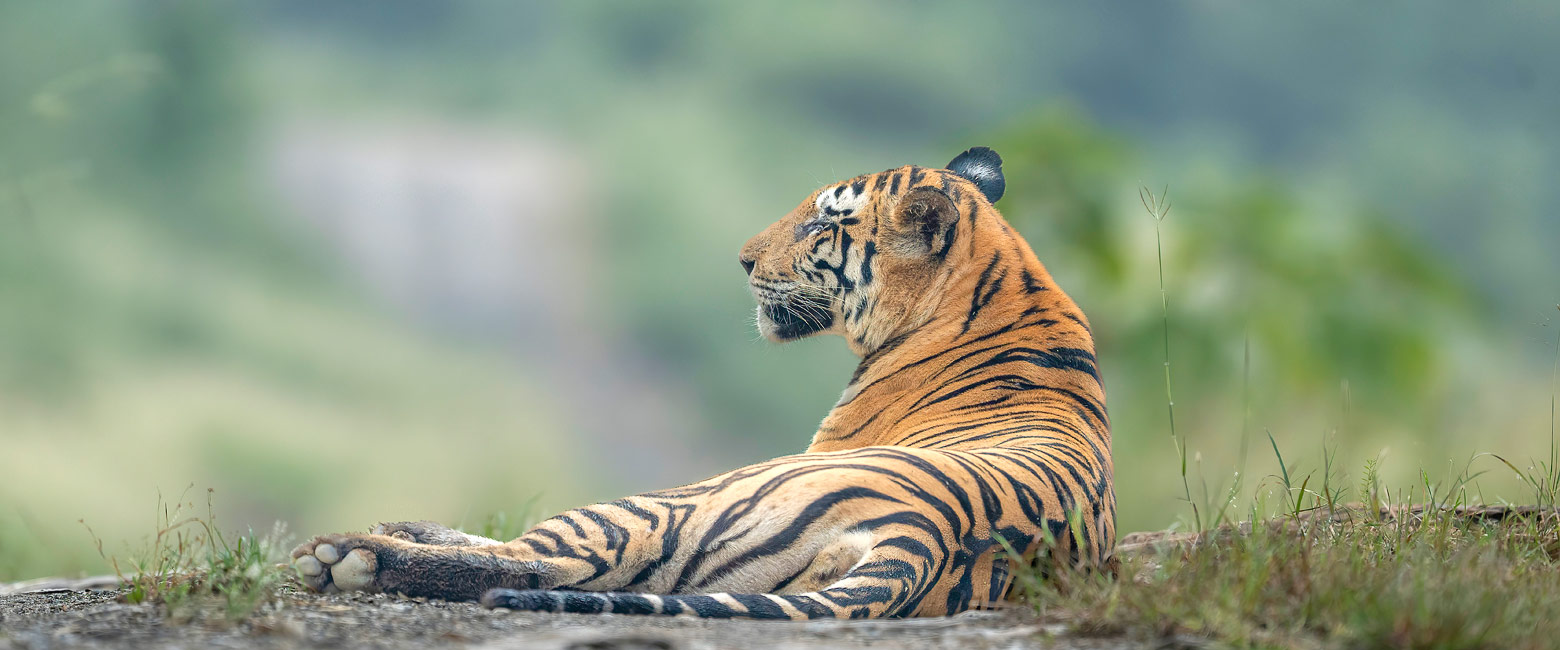
In 2003 a census determined that there were 40 tigers living inside Panna National Park, which was reckoned to be a pretty healthy population. In 2009 it was announced that all of those tigers had been killed by poachers.
Later in 2009 two female and two male tigers were relocated to Panna from other nearby tiger reserves. They soon settled, established territories and started to breed. By 2011 it was estimated that there were four adults and ten mature cubs.
The reserve also contains a wide range of wildlife, with predators including Indian leopards, jungle cats, desert cats, striped hyenas, jackals, foxes, mongooses and sloth bears.
Prey species include wild boars, sambar deers, chital deers, muntjacs (barking deers), four-horned antelopes and blackbucks. Primates include southern plains gray langurs and rhesus macaques.
There are over 200 recorded species of resident and migratory birds, including bar-headed geese, honey buzzards, king vultures, blossom-headed parakeets, changeable hawk-eagles and Indian vultures.
The reserve, in common with all in Madhya Pradesh, is closed on Wednesday afternoons.
/


Gallery
Map
The best time of year to visit the Panna area is generally considered to be during Oct-Jun, although there are considerable climatic variations over that period.
During October the daytime temperatures usually rise to around 25C/77F, whilst the nighttime low temperatures hold up around 12C/54F. However the rainfall is much lower, dropping to around 50mm (2”) per month. Sunshine is around 8 hours per day (around 75% of daylight hours), meaning that skies are usually clear. At this time of the year the national park is lush and green, with water-filled streams. The green backgrounds provide great contrast for wildlife photography, but the long-grasses can be a major impediment to actually finding the animals.
During Nov-Jan the daytime temperatures usually rise to around 25C/77F, whilst the nighttime low temperatures plunge to around -3C/27F. There should be very little rainfall. Sunshine is around 8 hours per day (around 80% of daylight hours), meaning that skies are usually clear. At this time of the year the national park is still relatively lush and green, with enough humidity in the air for great polarised photography. However, the long-grasses can remain a significant impediment to actually finding the animals. Obviously the morning safaris can be very cold and you should bring suitable clothing.
During Feb-Mar the daytime temperatures can climb steeply to around 34C/93F, whilst the nighttime low temperatures manage to drop to a comfortable 12C/54F. There should be very little rainfall. Sunshine is around 9 hours per day (around 75% of daylight hours), meaning that skies are usually clear. At this time of the year the national park is still surprisingly lush, although the grasses should have died back sufficiently to make wildlife viewing a little easier. However there should still be lots of flowers and fresh leaves around, with beautiful fragrances in the air.
During Apr-Jun the daytime temperatures can climb very steeply to around 42C/108F, whilst the nighttime low temperatures manage to drop to a reasonably comfortable 18C/64F. There should be very little rainfall up to June, when there can be 100mm (4”) over the course of the month. Sunshine is around 9 hours per day (around 70% of daylight hours), meaning that skies are usually clear, but this drops in June to 6 hours per day (45% of daylight hours) as the monsoon clouds gather. At this time of the year the national park is relatively dry, the long grasses should all have died back and the visibility for wildlife viewing should be really good. Additionally the animals tend to cluster around the few remaining water sources. Clearly the temperatures are an issue, as is the increased number of insects, repellent is strongly recommended.
During Jul-Sep, the national park closes, usually mid-June to mid-October, due to the very high monsoon rainfall, which typically leaps to over 500mm (20”) per month. Naturally the lodges all tend to close as well, so visiting during this period is really not an option.
Getting there
The Panna area can be accessed in a number of different ways…
By air
The closest airports and their most common connections are …
- Khajuraho : 25km to the east : Delhi, Agra, Varanasi
- Jabalpur : 175km to the south : Delhi, Agra
By luxury train
The Panna and Khajuraho area is visited by the following luxury live-aboard train itineraries…
Train : Maharaja’s Express
- Indian Panorama : 6 nights : Delhi to Delhi
By train
The closest train stations and their most common connections are…
- Khajuraho : 25km to the east : Delhi, Agra, Varanasi
- Jabalpur : 175km to the south : Delhi
By road
The area is rarely reached by road, since the distances are so large. However, having arrived in this part of India, exploring by road is quite popular, often combining some or all of the main national parks of Bandhavgarh, Kanha, Pench and Satpura.
Where to stay
There are three groups of accommodation in this area…
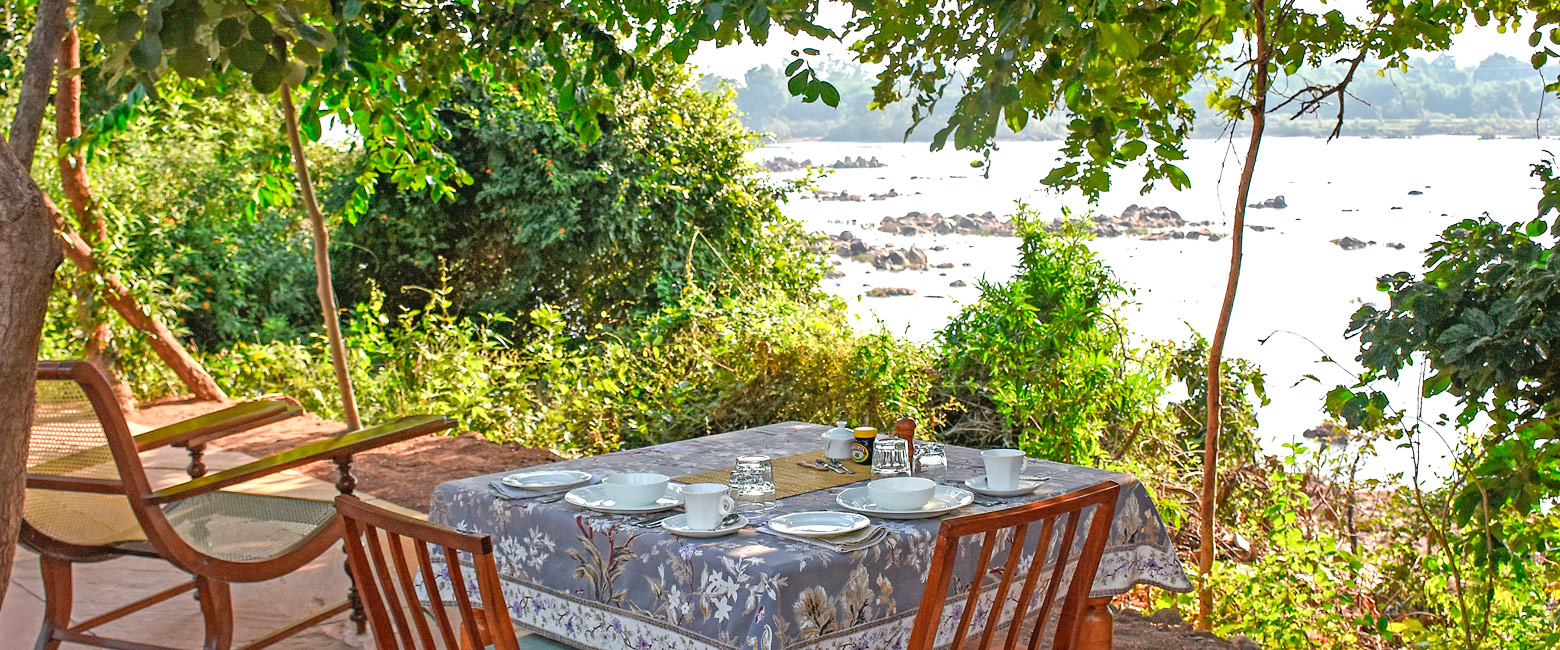
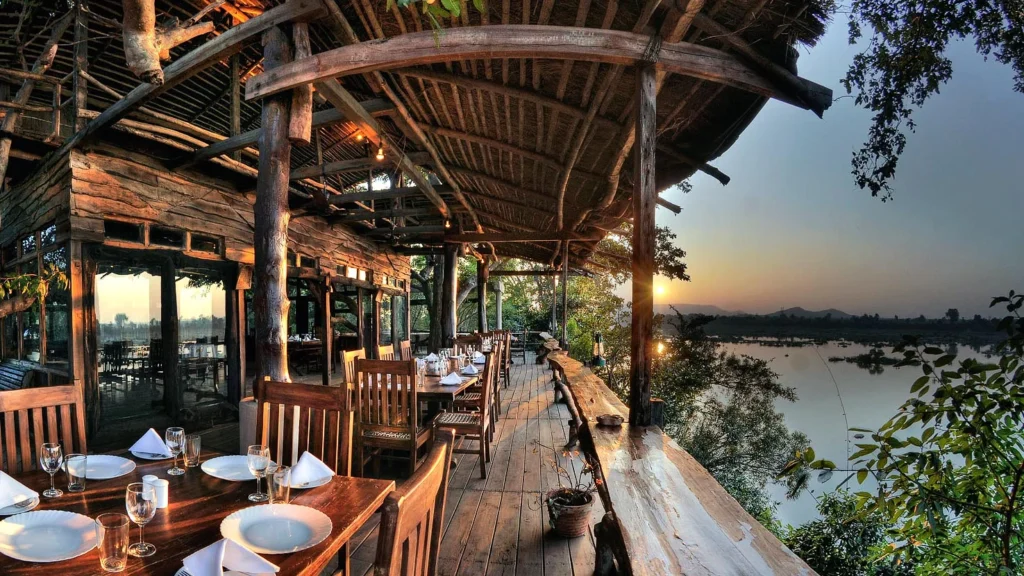
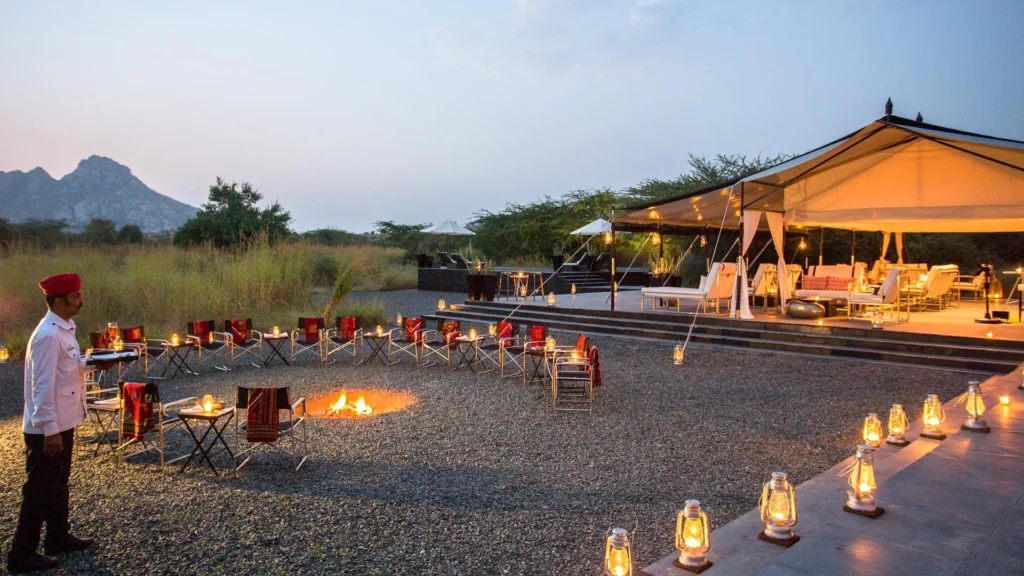
The most popular amongst our guests are the lodges which lie alongside the Ken River on the western flank of Panna National Park. These properties benefit from a pretty rural location and easy access into both the reserve and the temples over at Khajuraho.
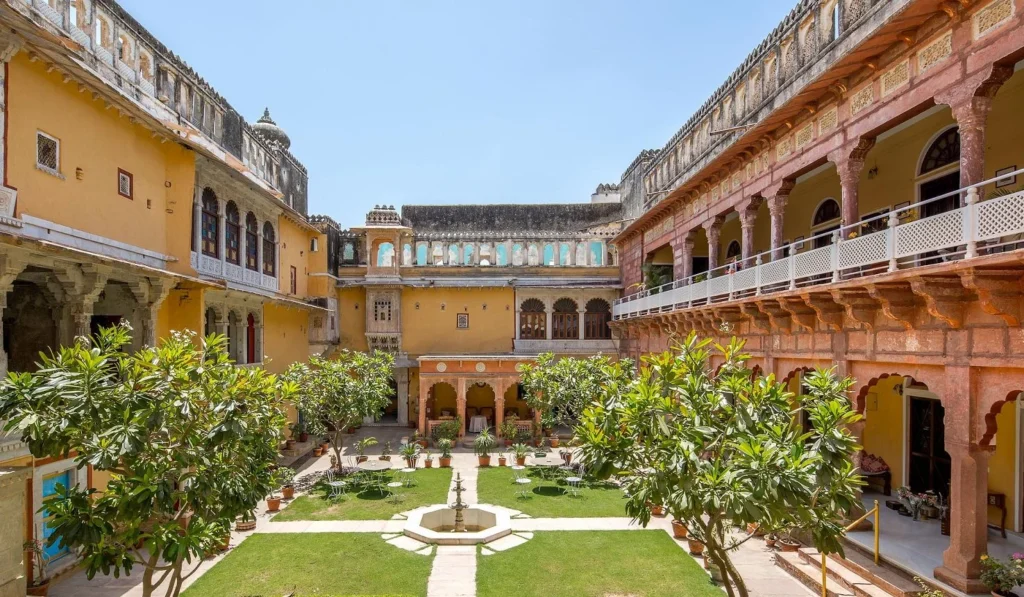
Further west, there are some pretty upscale hotels in Khajuraho itself, suitable if you are more purely focused on the temples and don’t necessarily want to visit the reserve.
Finally, there are some lodges on the eastern side of Panna, which are suitable for accessing the reserve, but are a little far away from the temples
access to the erotic friezes of Khajuraho
let us know your thoughts about India
and we will help you create the perfect trip
Extraordinary tailor-made adventures,
from earthy and edgy to easy and extravagant
From around USD 2500 per person, you set the ceiling
Sample Trips
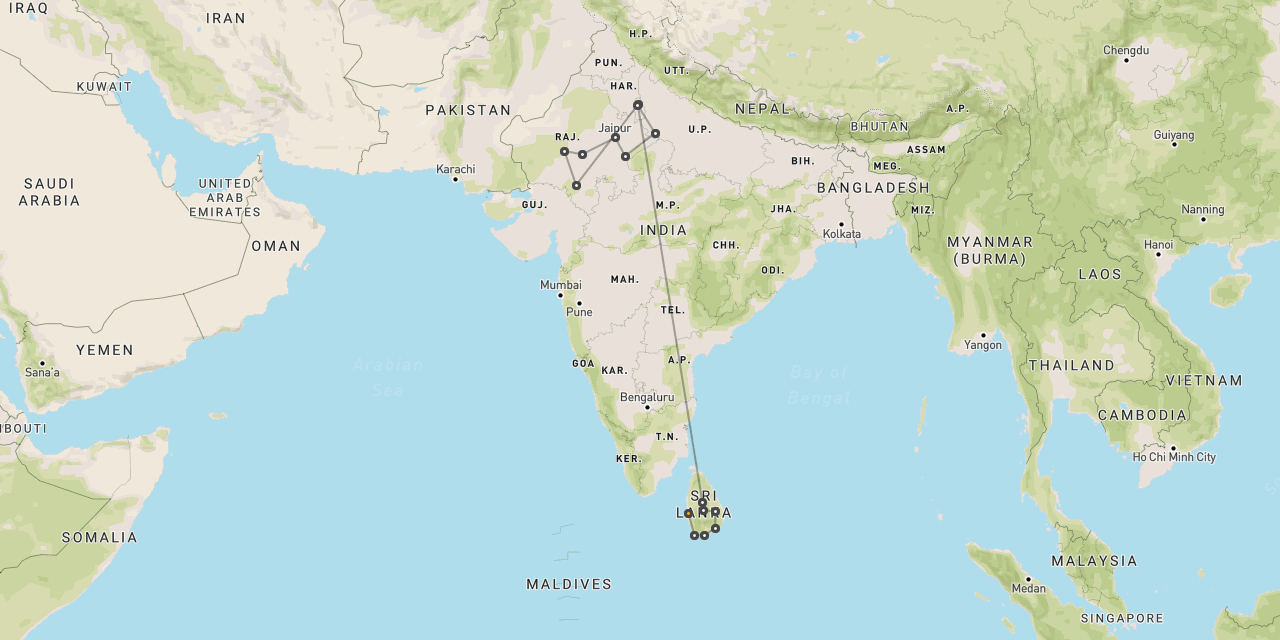
Here are some of our popular trip shapes
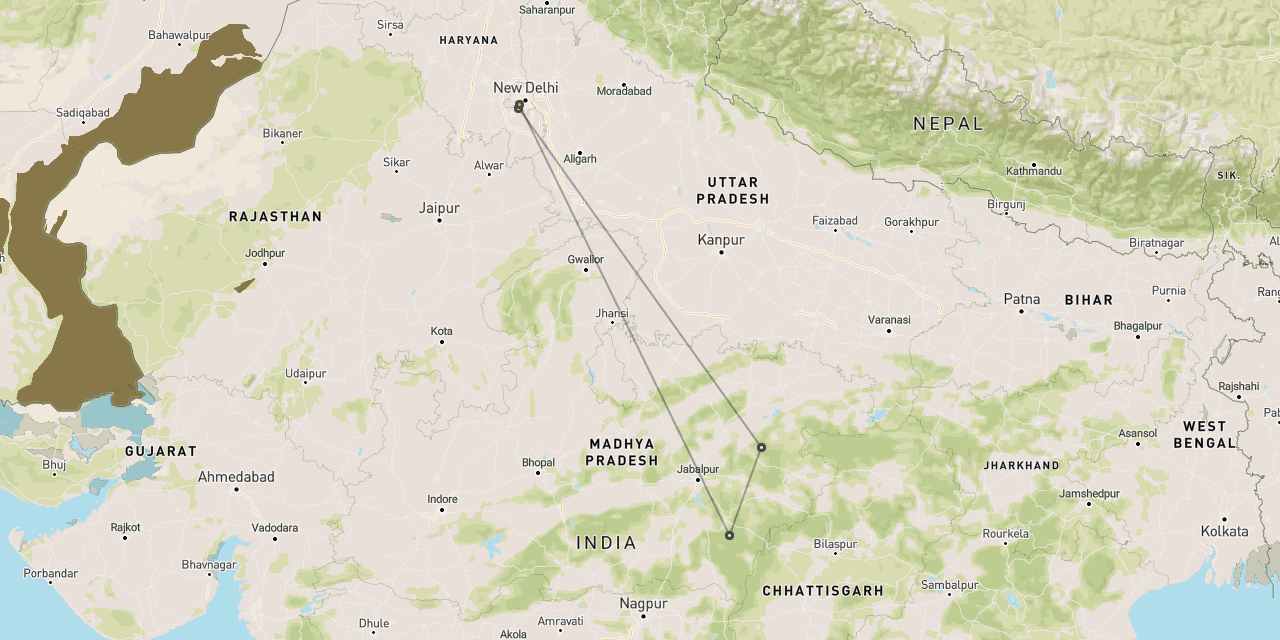
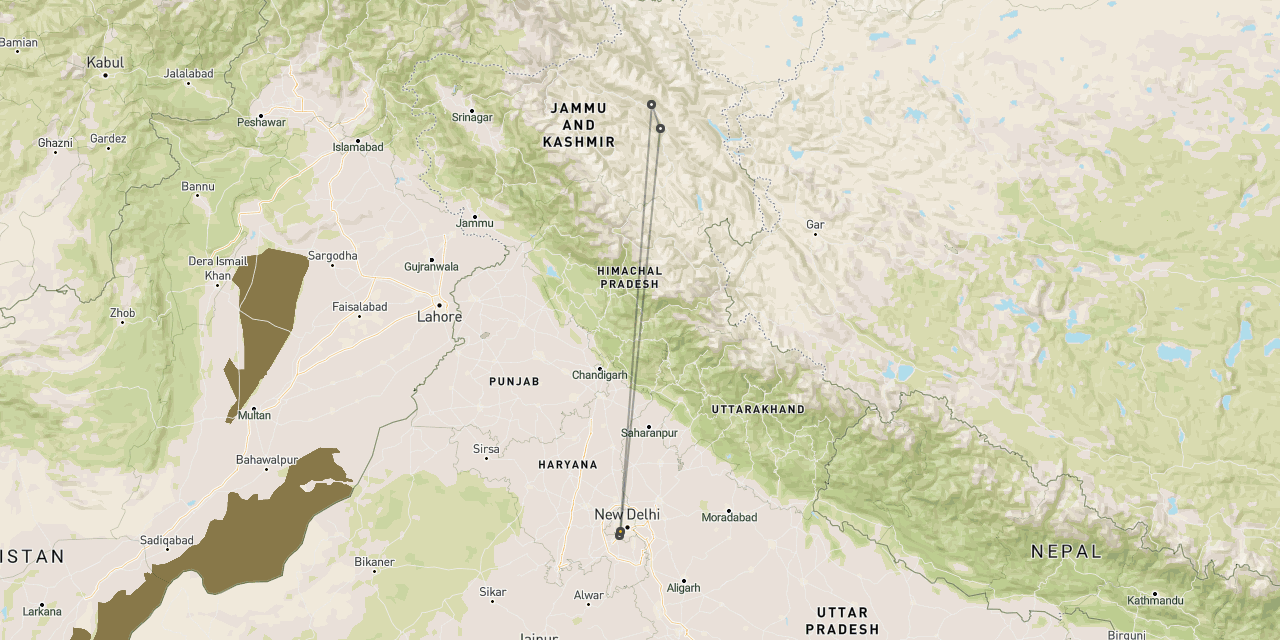
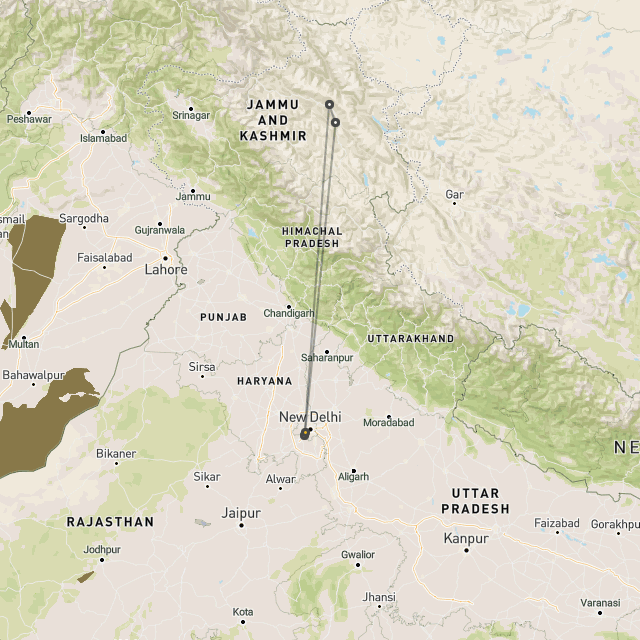
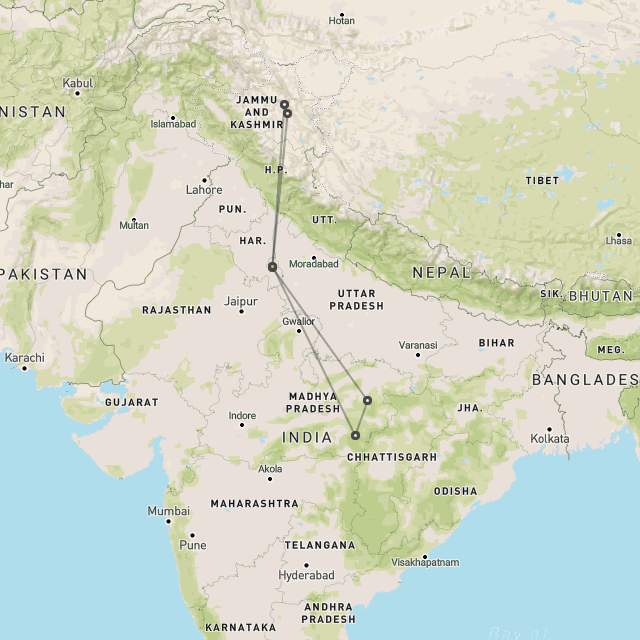
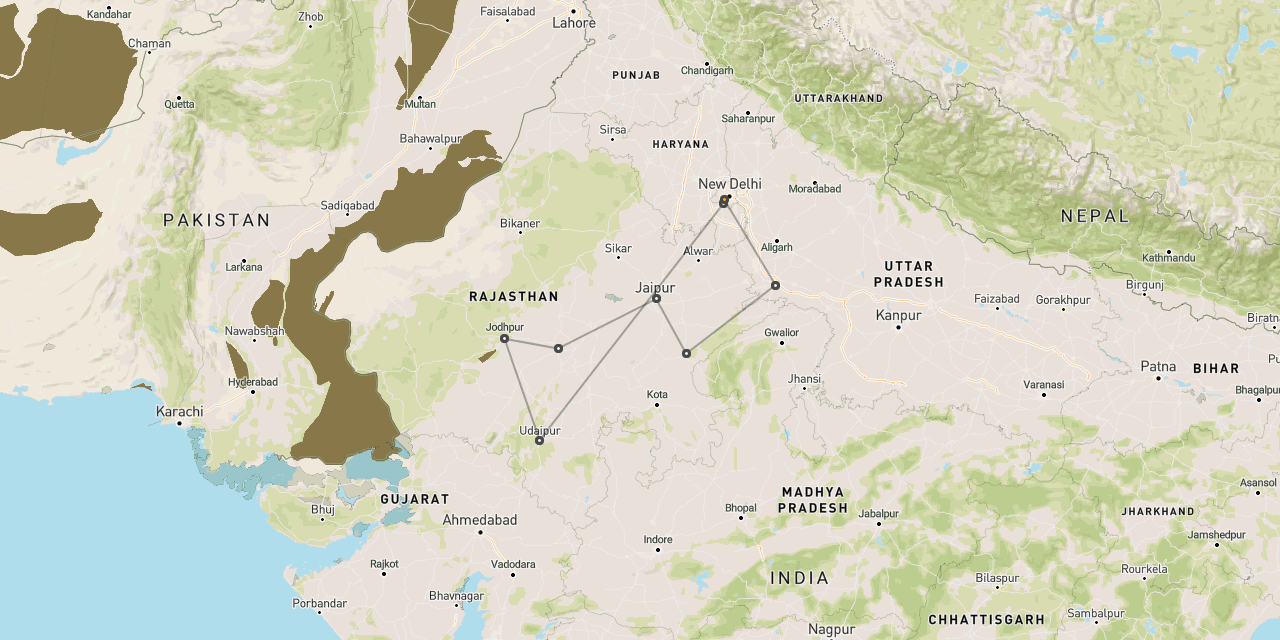
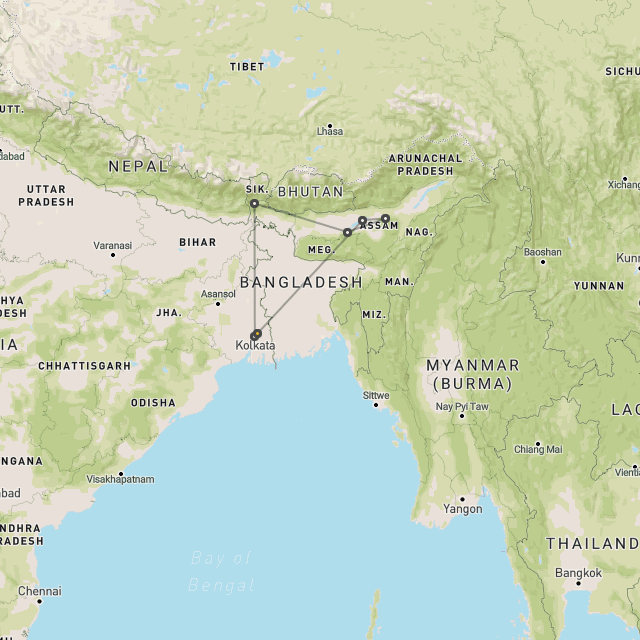
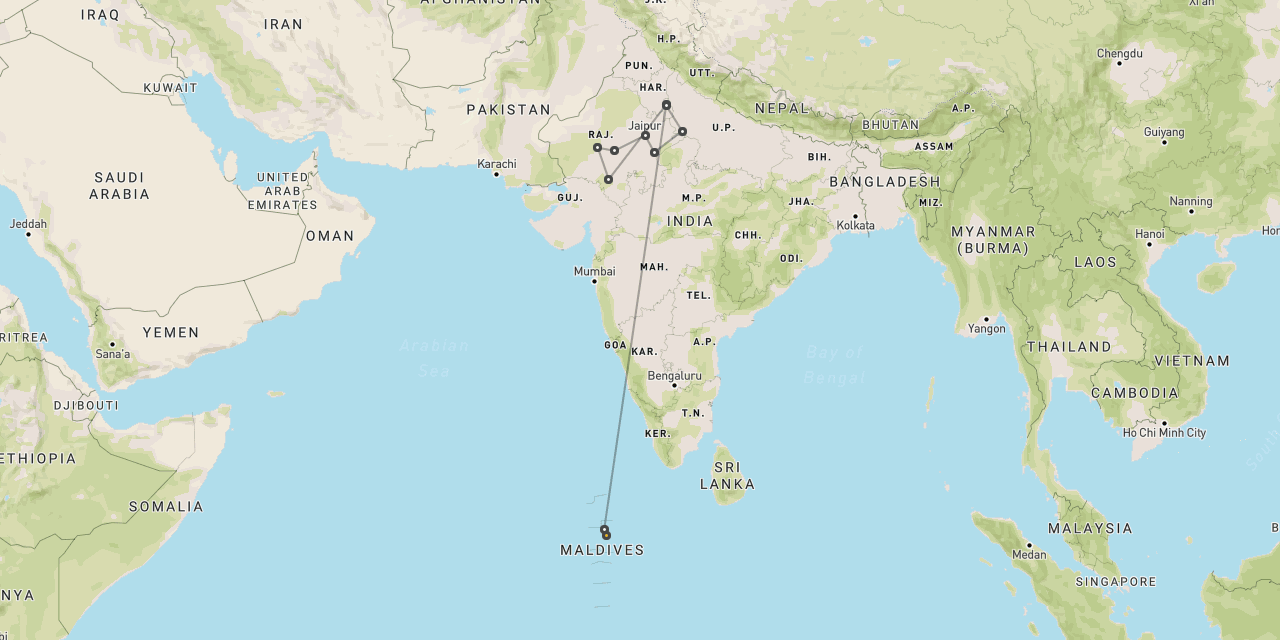
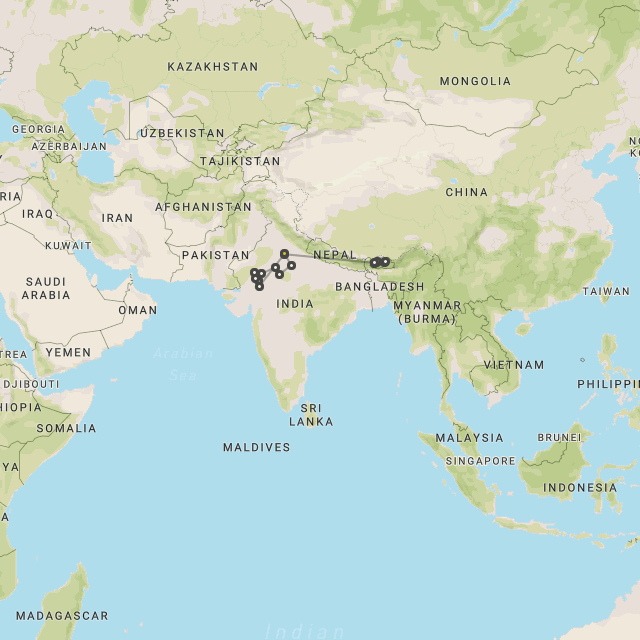
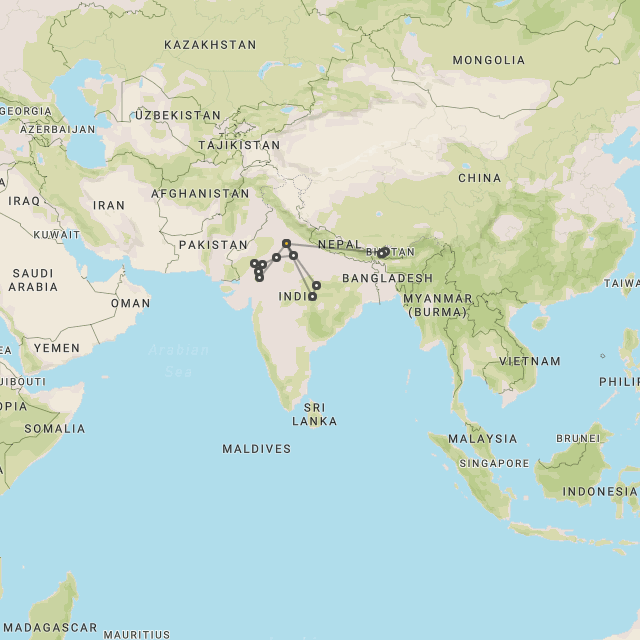
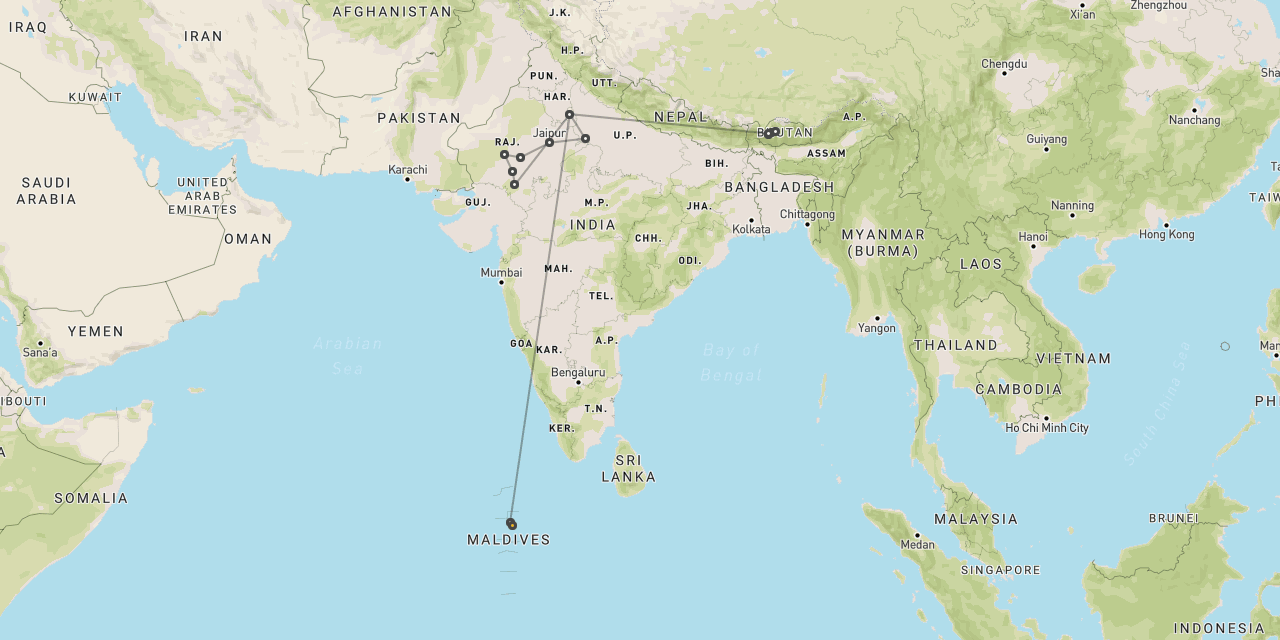
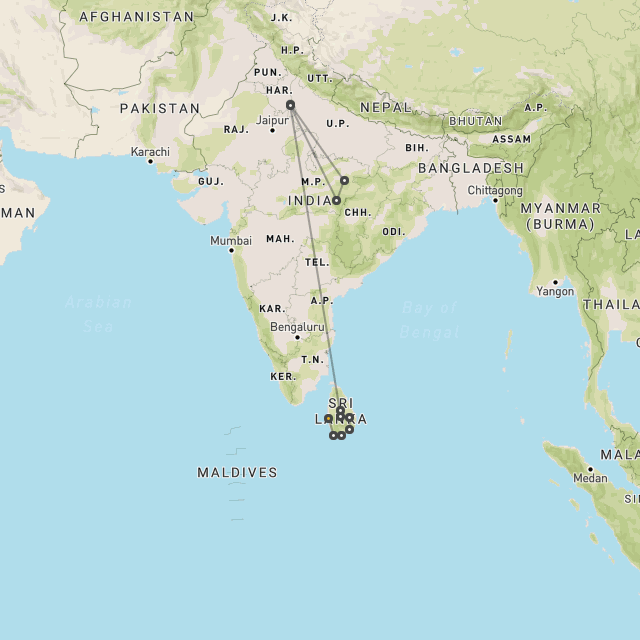

Get started on your trip
It’s never too soon to get in touch, we are here to help with every stage of your planning.
Best Lodges
We regularly inspect and photograph all of the the best lodges, to ensure that we always recommend the most suitable options



Key Locations
Take a look around related locations. Click ‘View more’ to explore locations further afield.