Travel to Kom Ombo
Kom Ombo
is the original home of Sobek,
the crocodile god
thousands of years of crocodile worship
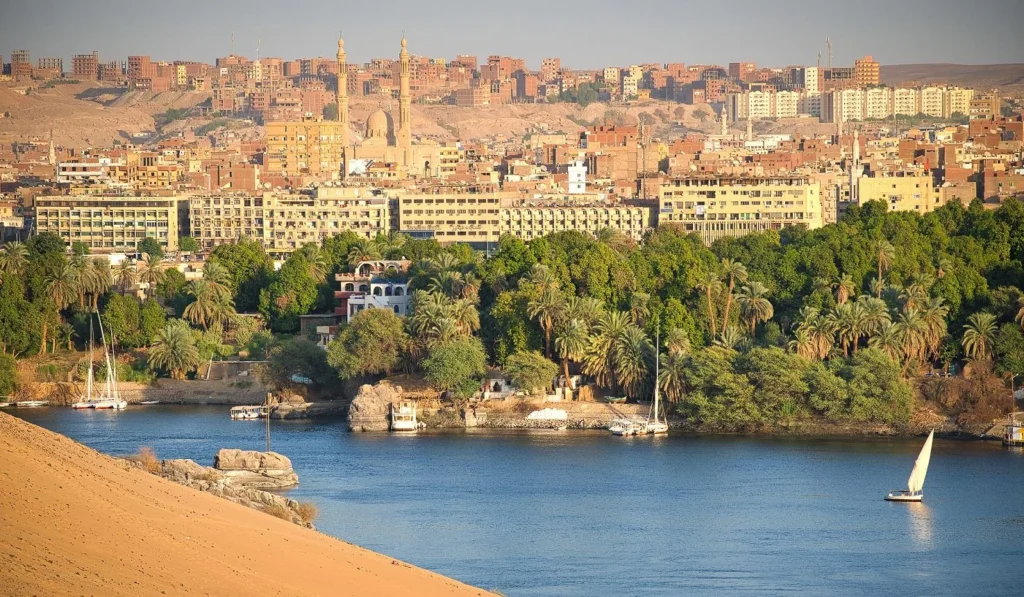
Kom Ombo is a medium-sized town on the east bank of the River Nile in Egypt.
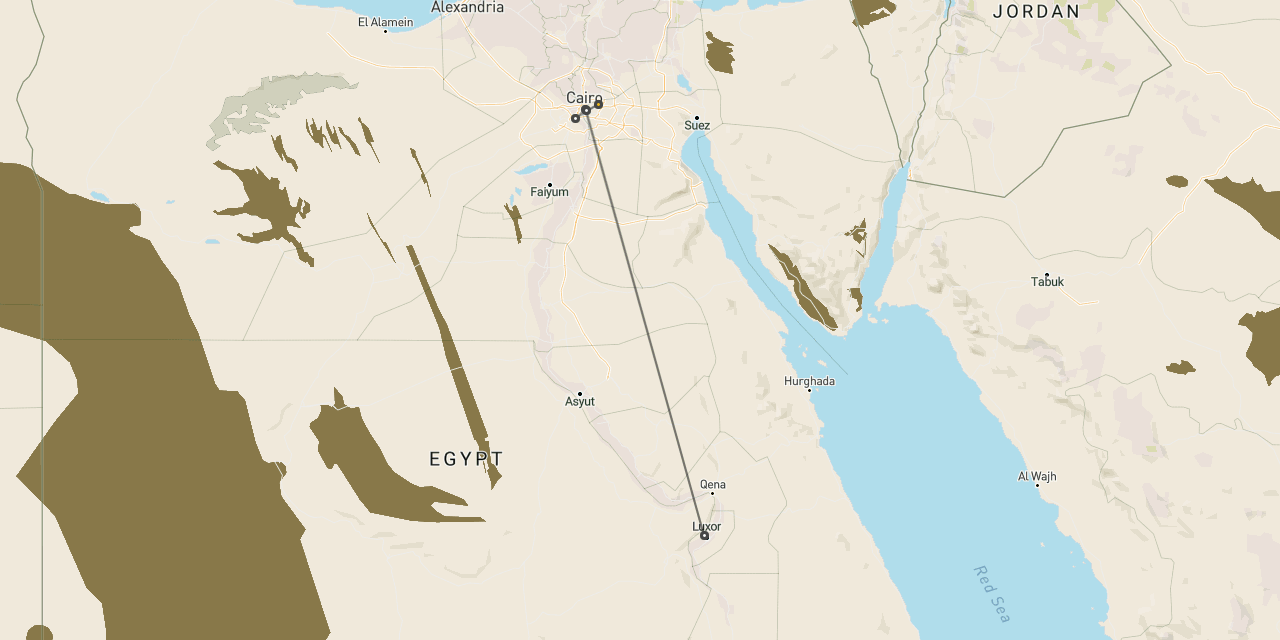
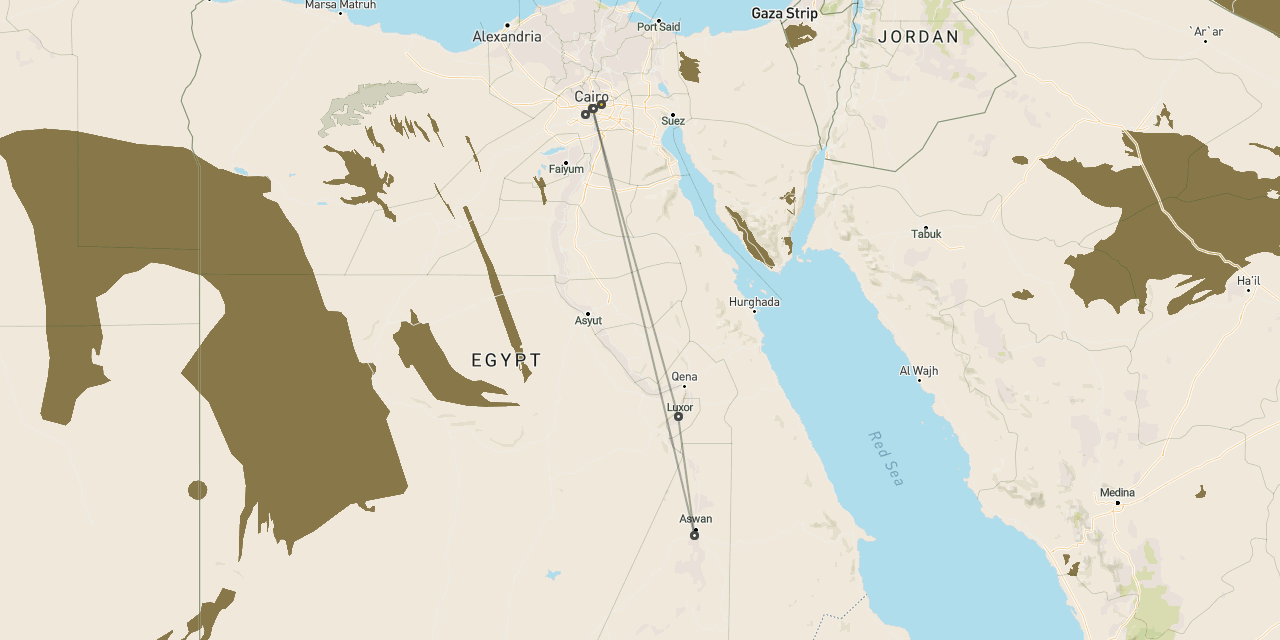
Lying around 150 km south of Luxor and 50 km north of Aswan, Kom Ombo is a popular stop for cruise boats travelling along this stretch of the river.
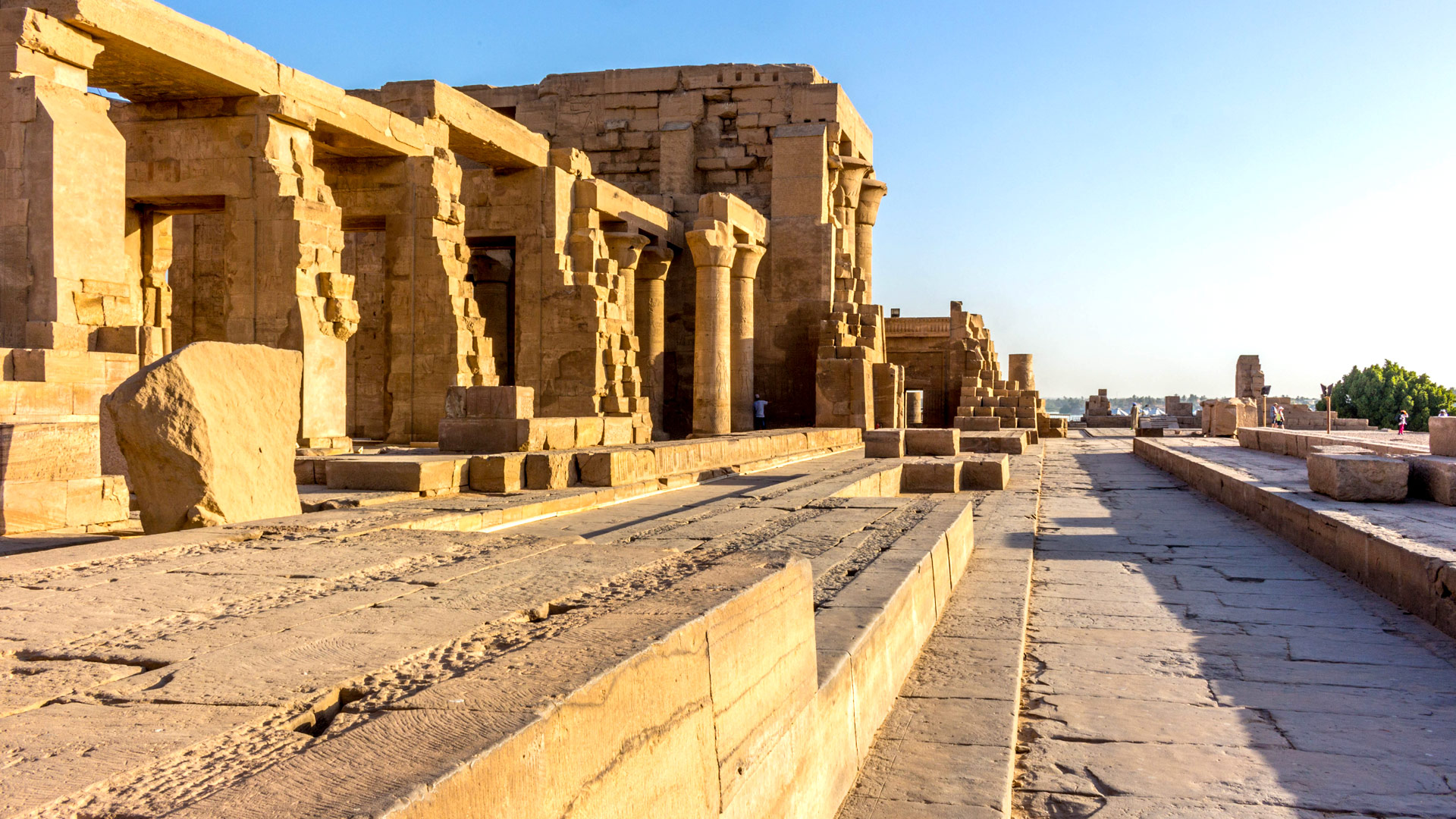
The main point of interest in this area is the temple complex which stands prominently above the river.
Complex is the right word for this place. The buildings appear to be an agglomeration of constructions from different periods, with evidence of re-use, adaptation and distortion from the usual conventions and proportions.
The earliest parts are said to date from the reign of Thutmose III (1479-1425 BC), son and commander of the armies of the great Queen Hatshepsut and father of Amenhotep II. But the majority of the ruins are attributed to the Ptolemaic Dynasty, specifically Ptolemy VI Philometor (186-145 BC) and his sister-wife Cleopatra II.
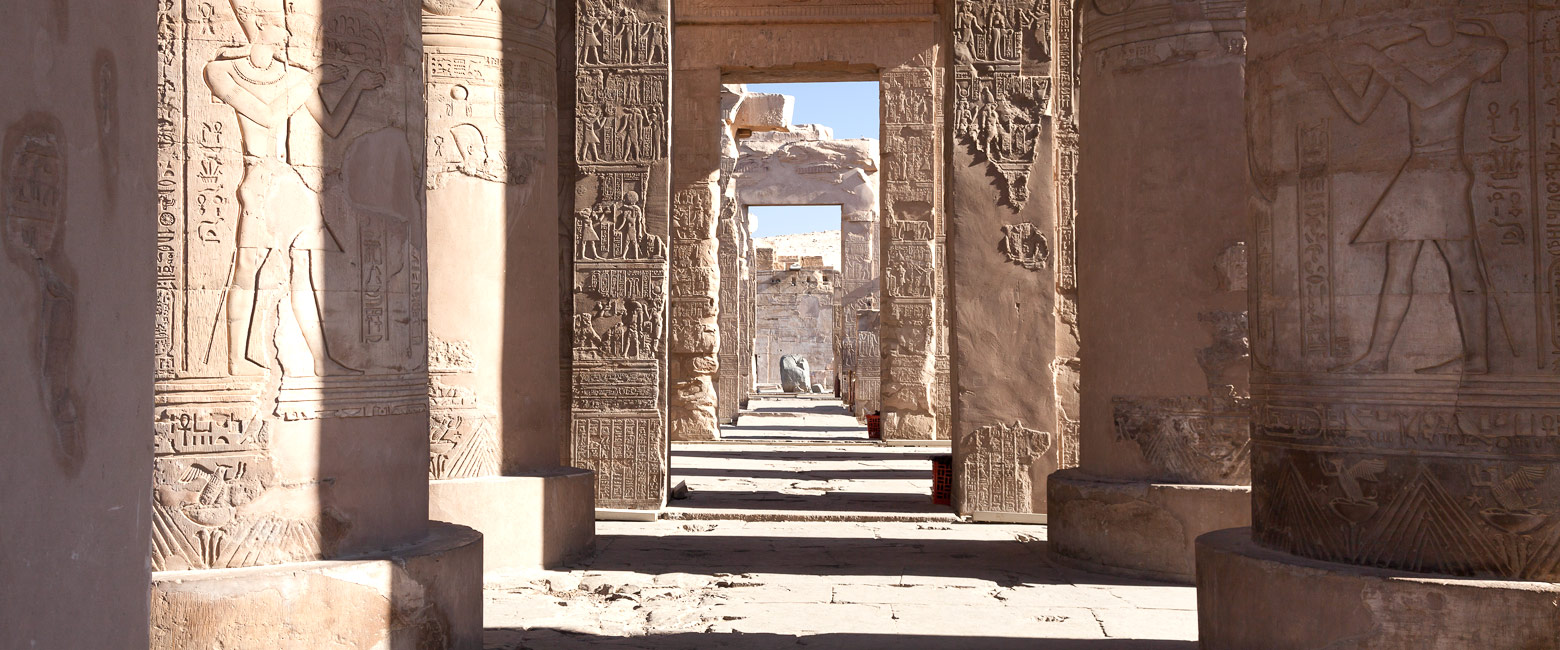
The local Ombos people held the crocodile sacred and the temple walls are adorned with various tales featuring crocodile-headed figures and battles with the crocodile-hunting people of Dendera. The Roman coins from this area feature the crocodile-headed god, Sobek.
Unfortunately, crocodiles have been locally extinct since the 1950s.
The walls also feature what is thought to be the first ever representation of medical instruments being used to perform surgery, including scalpels, curettes, forceps, dilators, scissors and medicine bottles, dating from the Roman period (30BC-641 AD).
The so-called Crocodile Museum adjacent to the temple complex includes a number of mummified crocodiles that have been recovered from various ancient tombs in the area.
Gebel el-Silsila
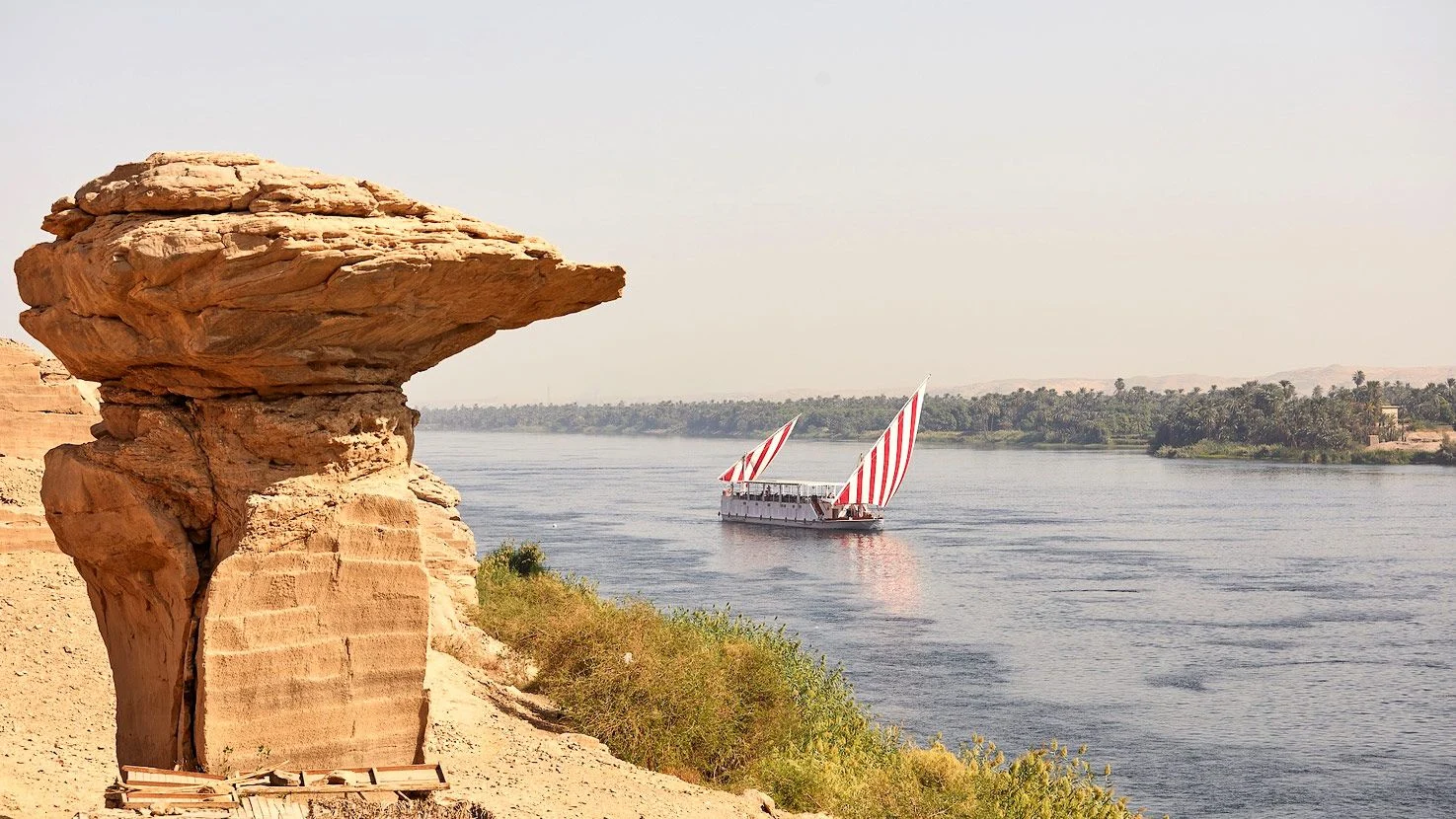
Set on the River Nile immediately north of Kom Ombo, Geleb el-Silsila is a place where the desert cliffs close in on both sides to confine the river to its narrowest point in Egypt.
The location is littered with ancient sites, most notably including the Temple of Pharaoh Horemheb (1550–1295 BC), with its unusual fluted columns.
The area also contains important sandstone quarries, which provide much of the material for the New Kingdom constructions at Luxor (most notably those by Pharaoh Akhenaten. There are also several rock-cut tombs associated with these quarries.
/


Gallery
Map
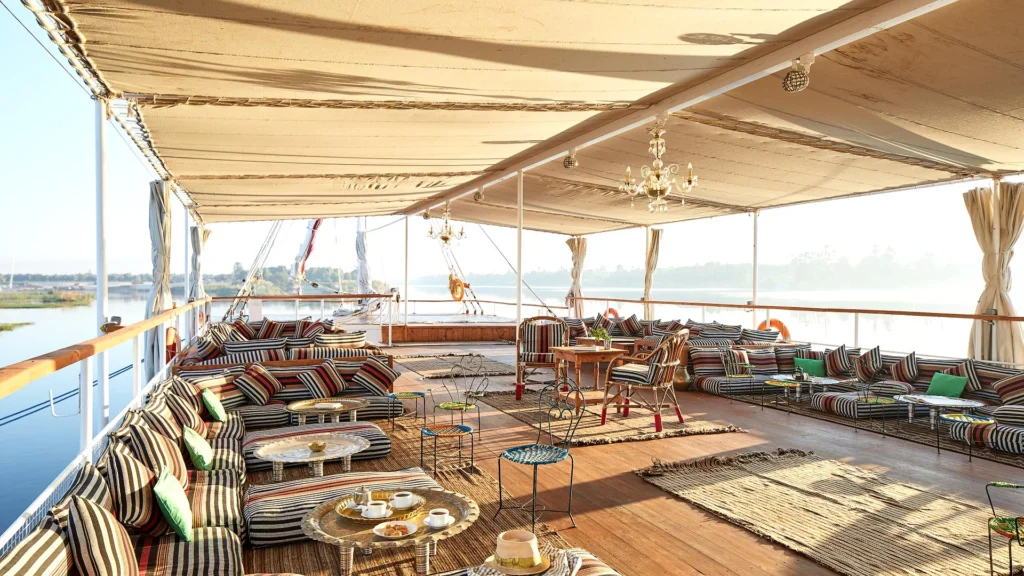
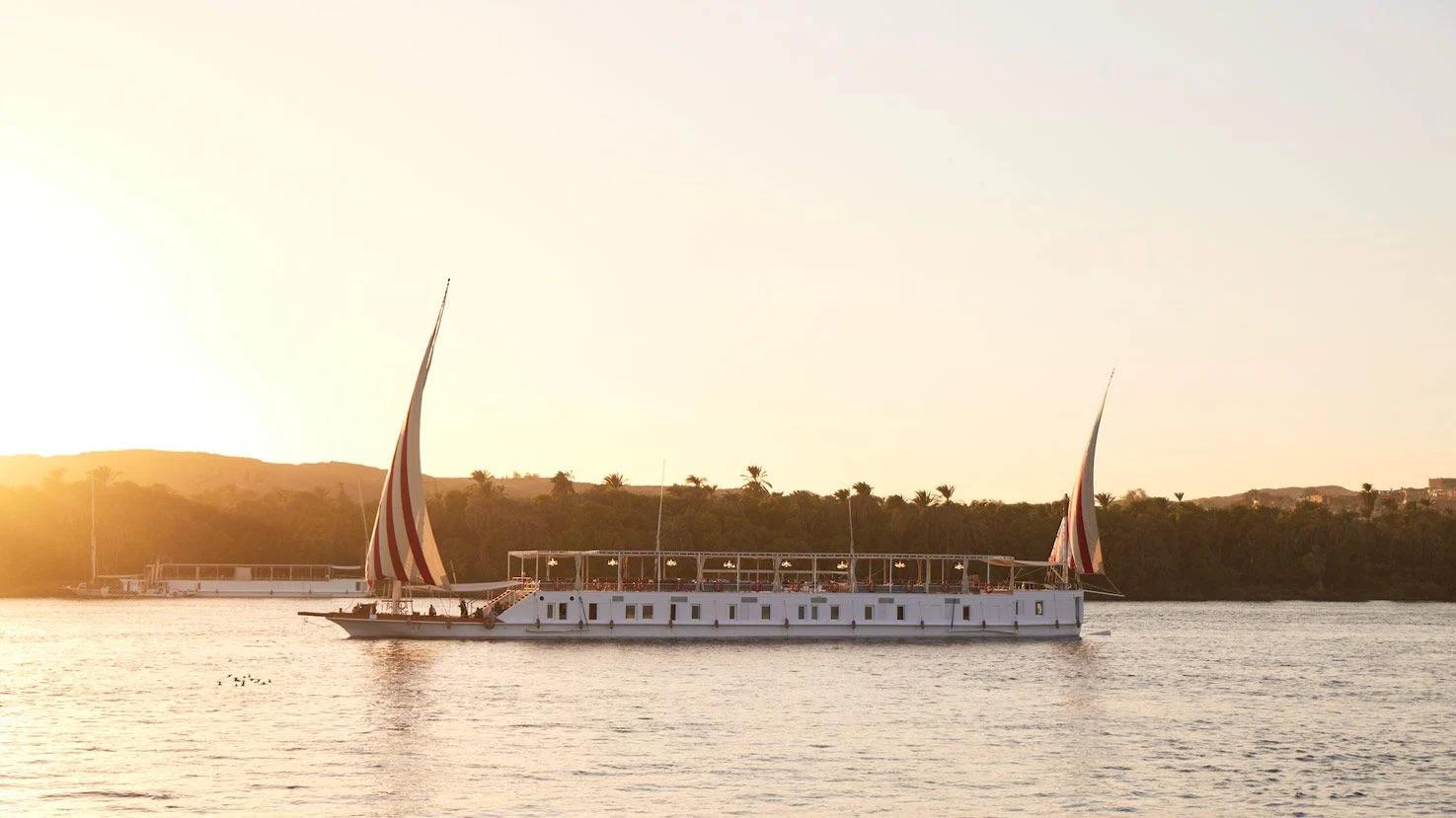
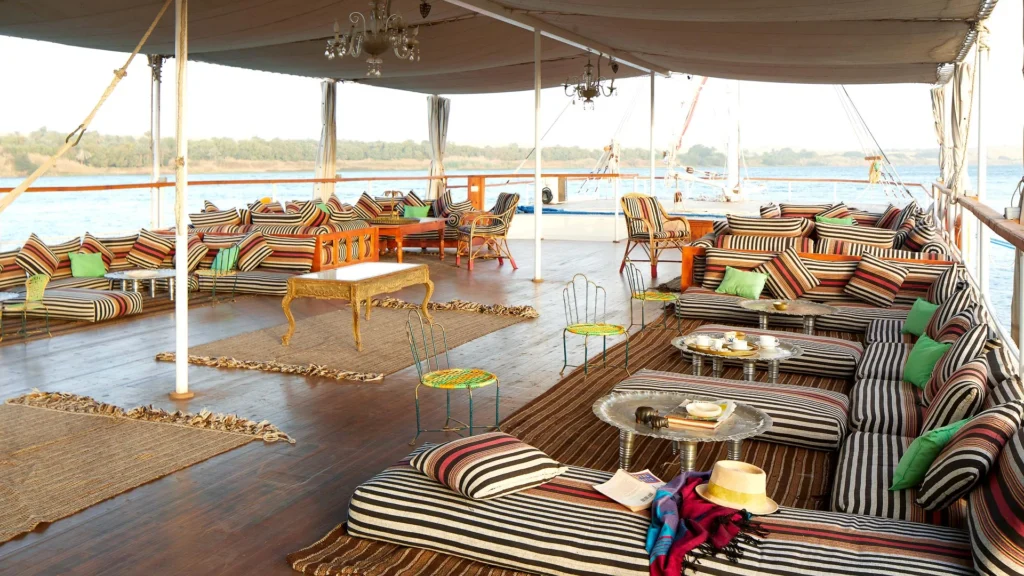
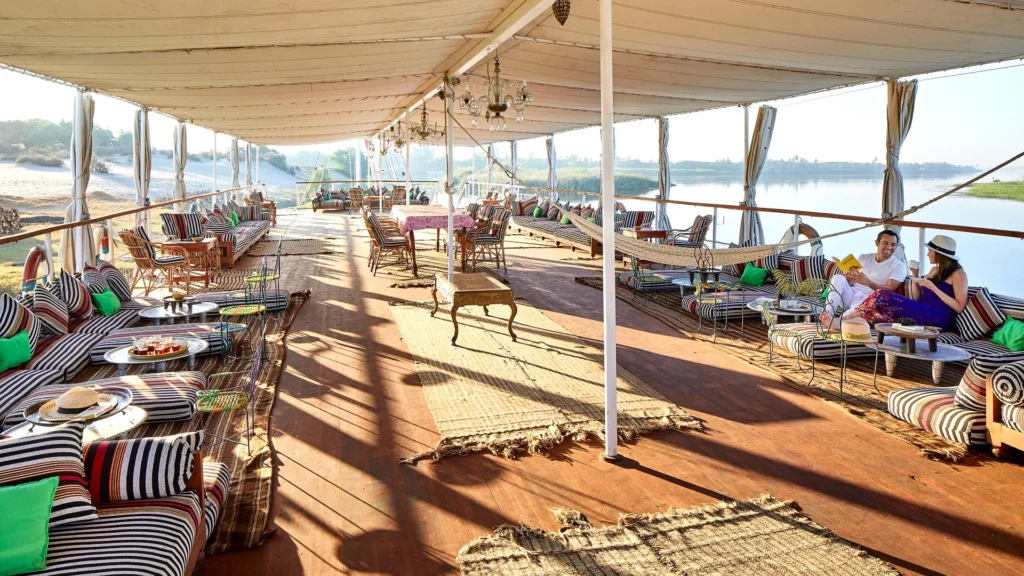
Kom Ombo is almost always visited by boat, usually as part of a cruise between Luxor and Aswan. Please refer to either of those locations for information on the various boats and cruise options.
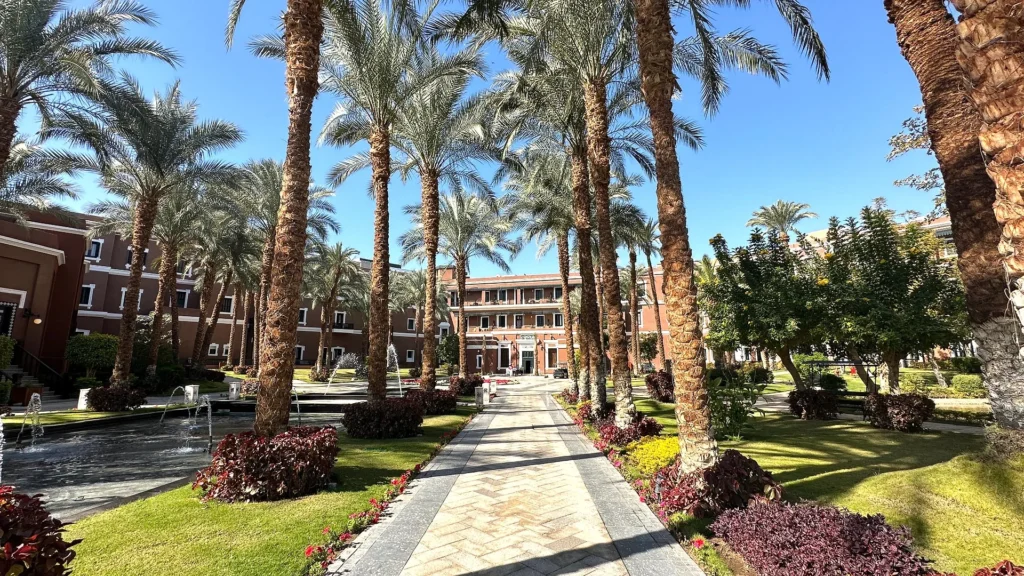
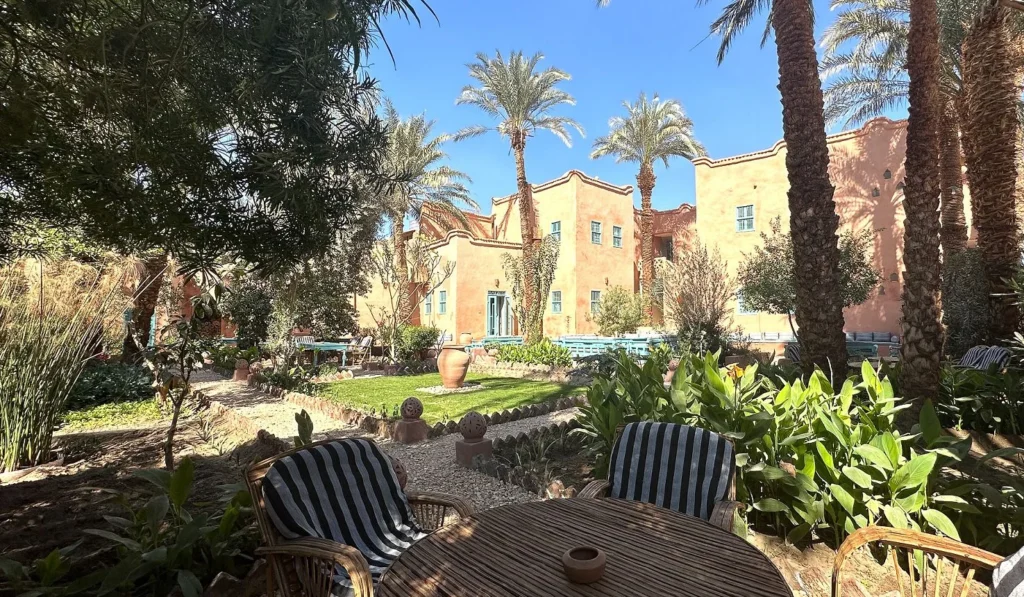
Although the area can easily be reached by road, there are very few accommodation options in the area.
A visit to Kol Ombo usually involves mooring directly alongside the ruins and undertaking a straightforward guided tour of the ruins. Rarely do visitors actually head into the nearby town or explore the rural surroundings.
It is extremely important to be on a boat that visits this (and other similar sites) outside the normal times of day, in order to avoid the horrible traffic.
be sure to be on a boat that visits outside the busy times
let us know your thoughts about Egypt
and we will help you create the perfect trip
Extraordinary tailor-made adventures,
from earthy and edgy to easy and extravagant
From around USD 2500 per person, you set the ceiling
Sample Trips
Here are some of our popular trip shapes

Get started on your trip
It’s never too soon to get in touch, we are here to help with every stage of your planning.
Best Lodges
We regularly inspect and photograph all of the the best lodges, to ensure that we always recommend the most suitable options
Key Locations
Take a look around related locations. Click ‘View more’ to explore locations further afield.