Mokolwane Camp
9.2 Rating
USD 1450
Mokolwane Camp
is a relatively simple and well-priced property
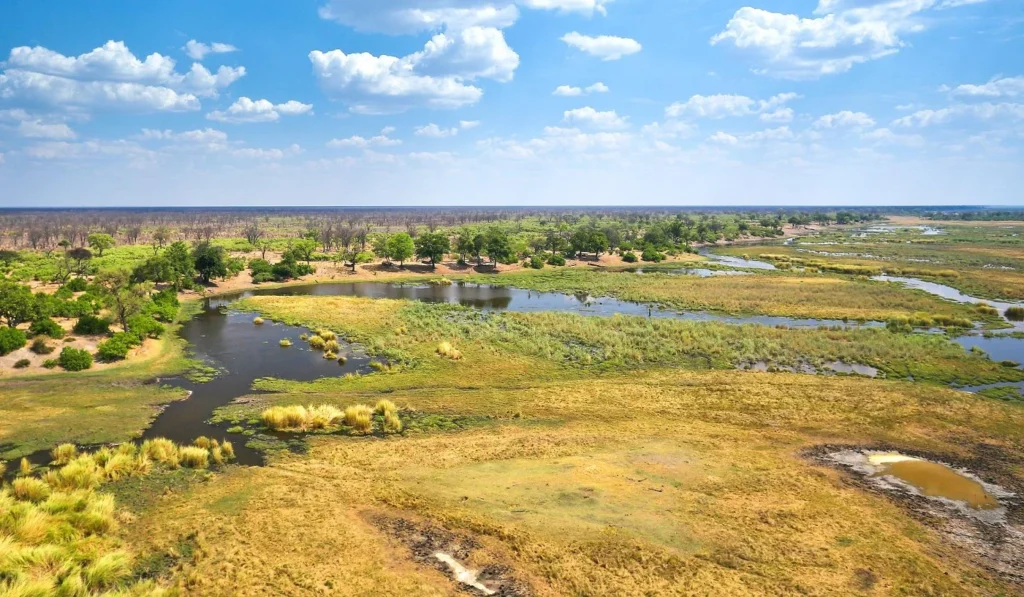
in a private area of the Okavango Delta
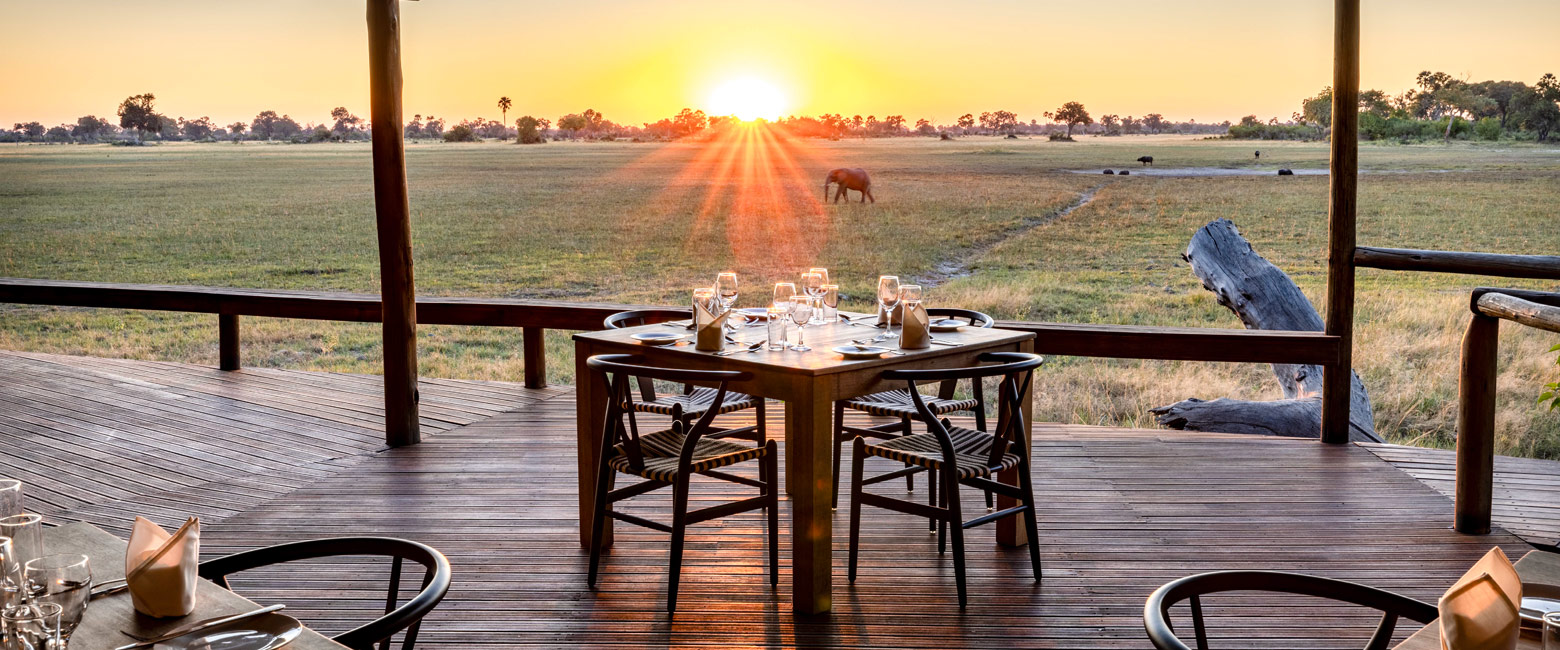
the best location for hardcore predator action in Africa
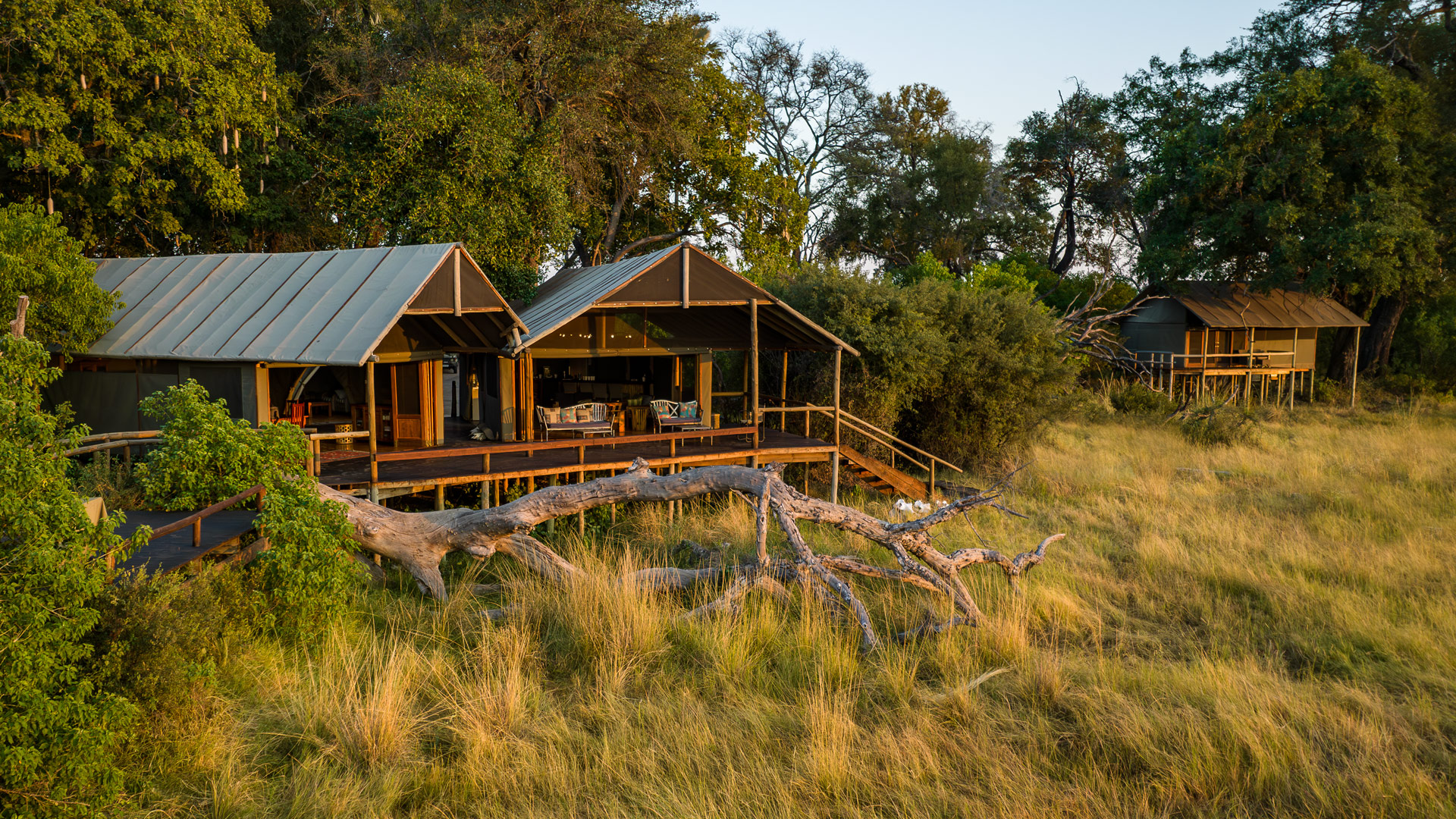
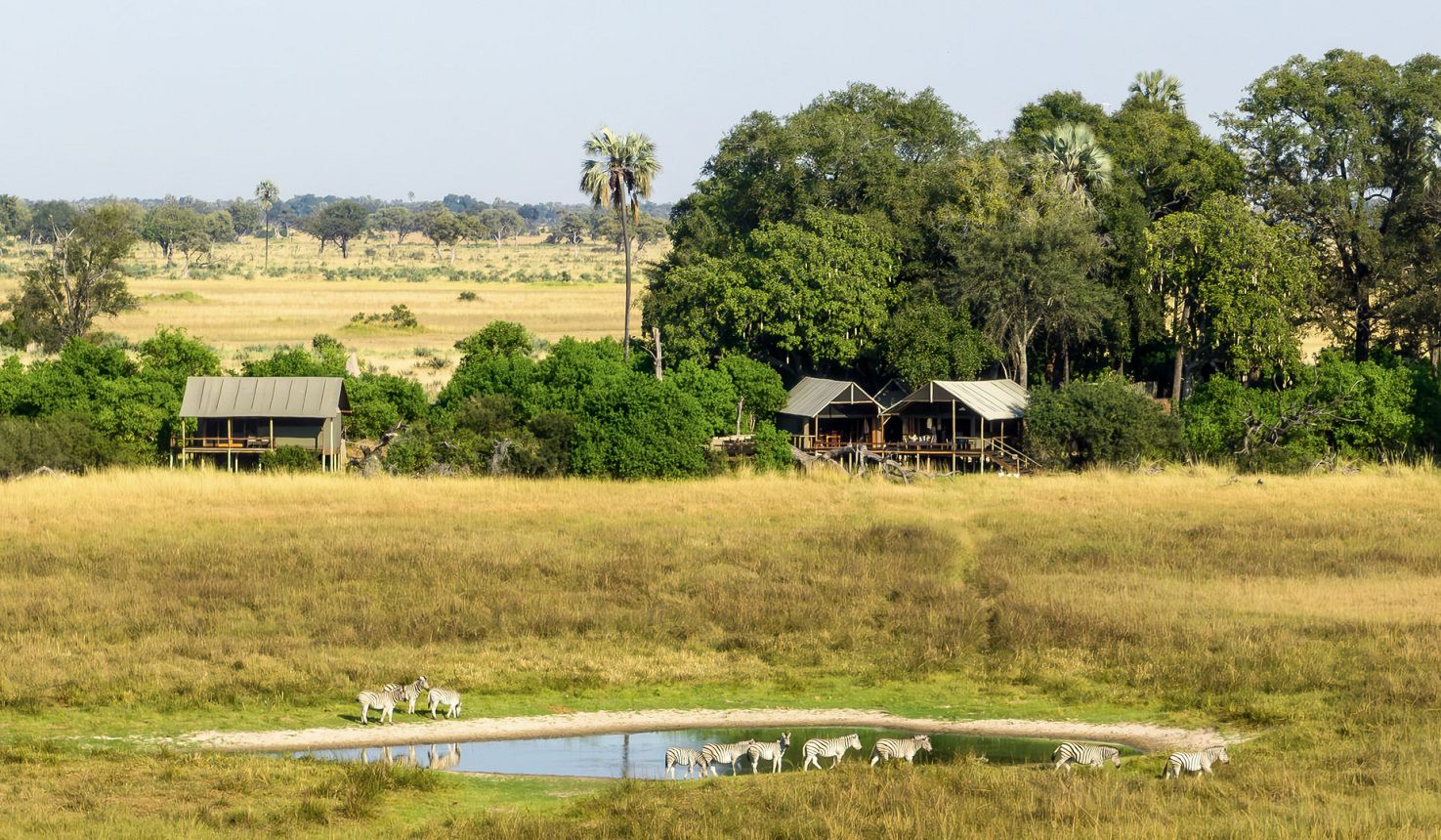
Mokolwane Camp is almost certainly the best value for money option in the Okavango Delta.
For many years, this camp was the headquarters for Okavango Horse Safaris, operated by one of the great safari pioneers, PJ Bestelink.
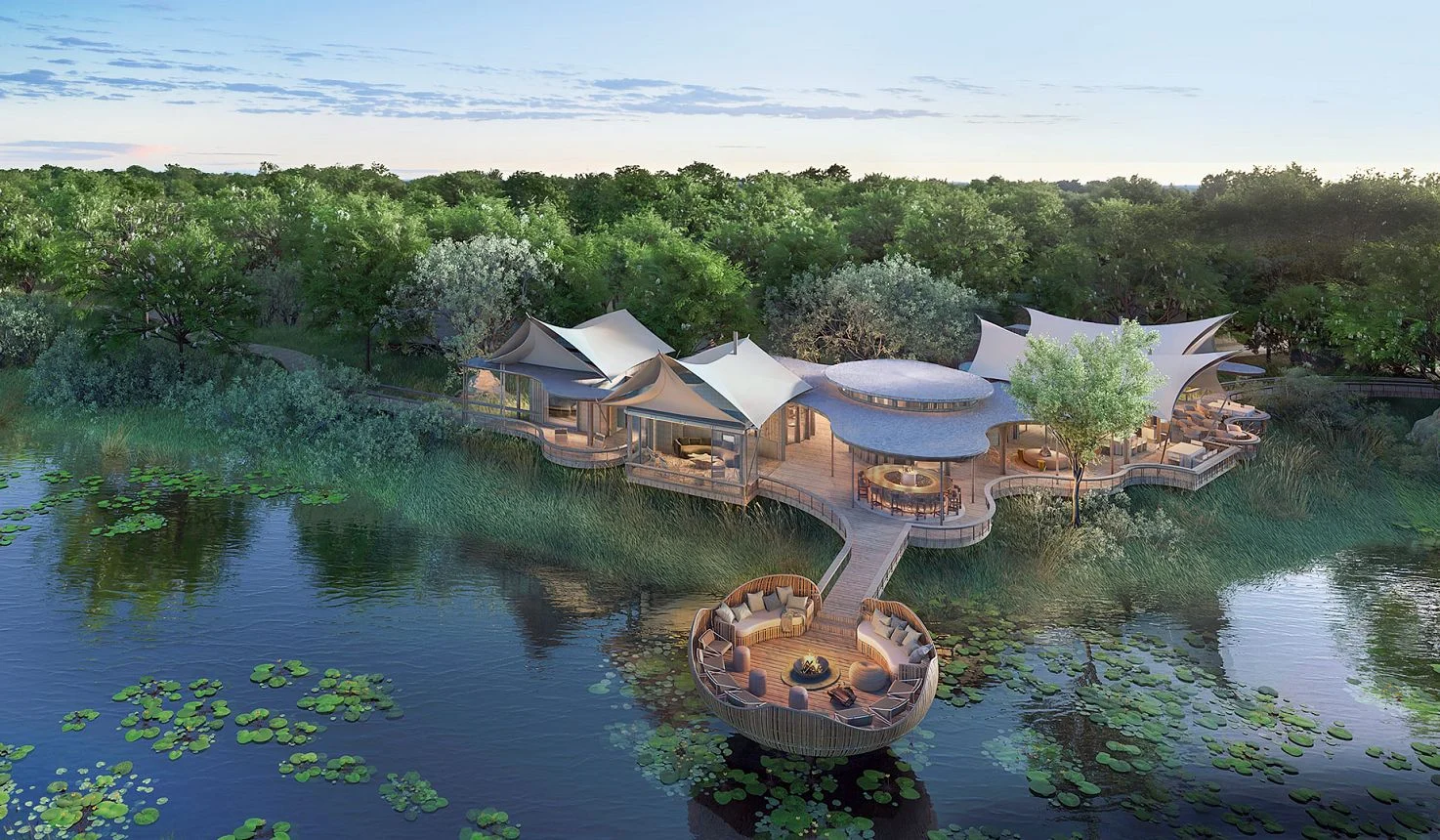
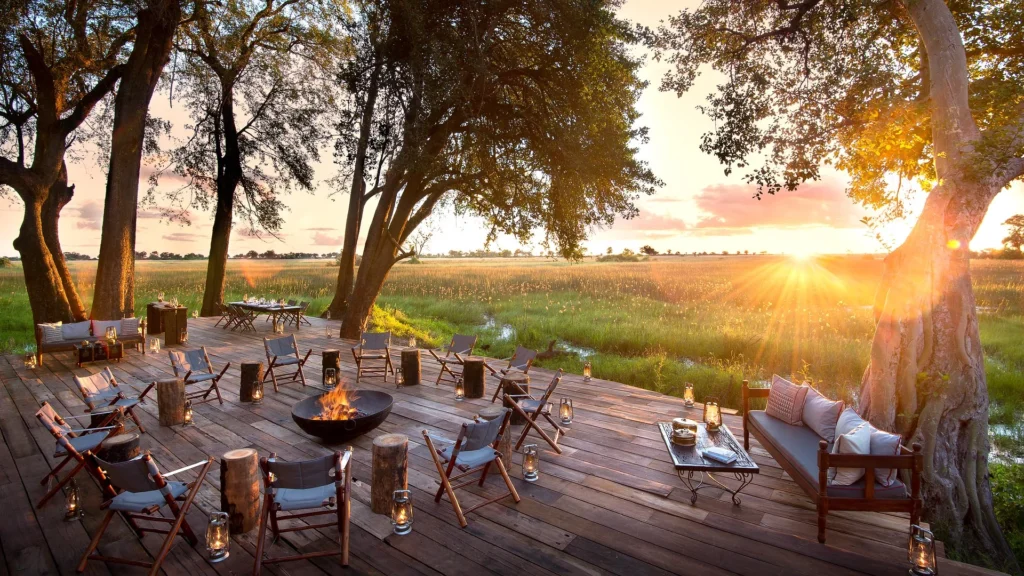
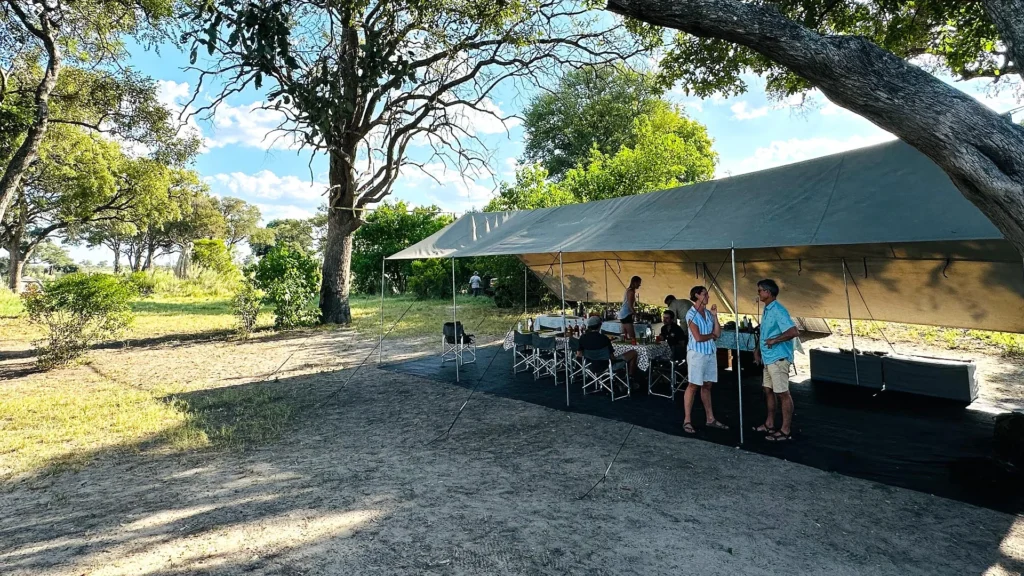
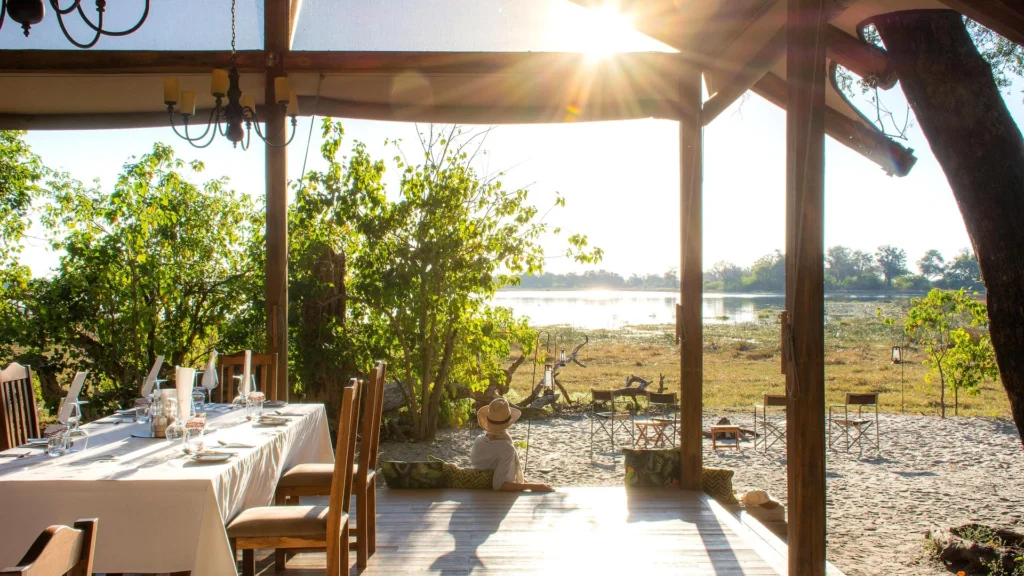
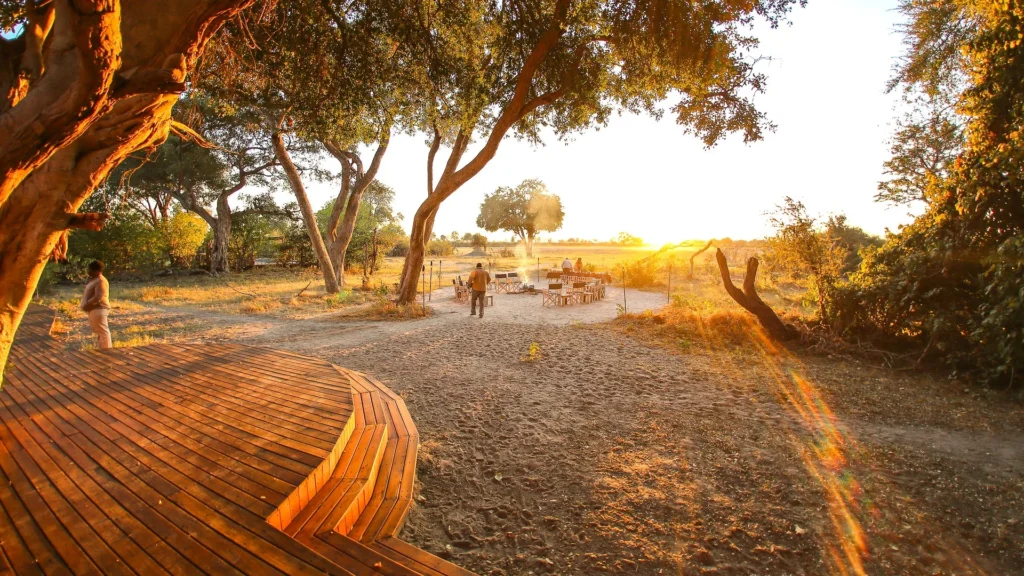
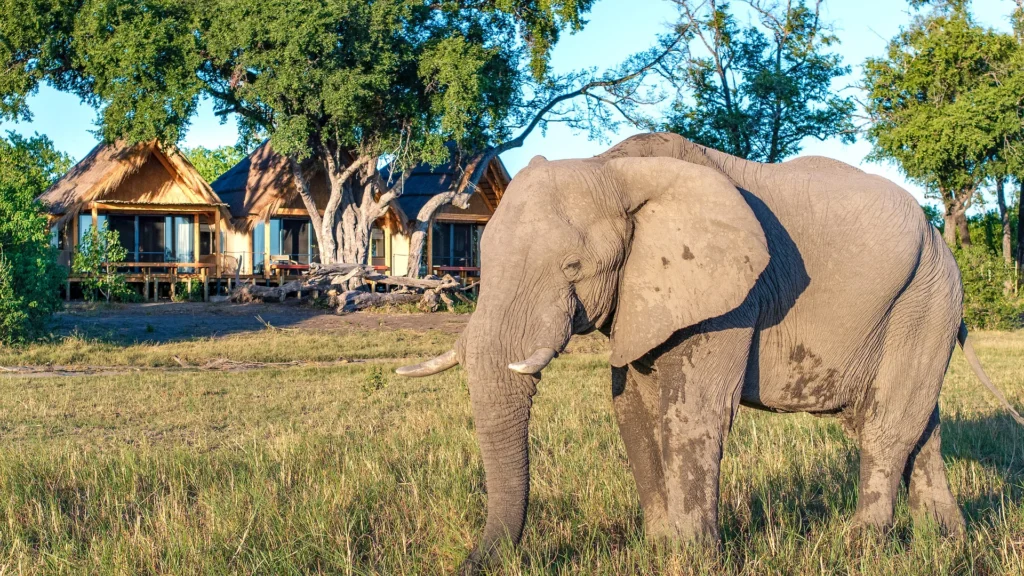
This operation closed down in March 2023 and the camp was taken on by Natural Selection, who gave it a cosmetic upgrade, turning it into a simple but perfectly pleasant base.
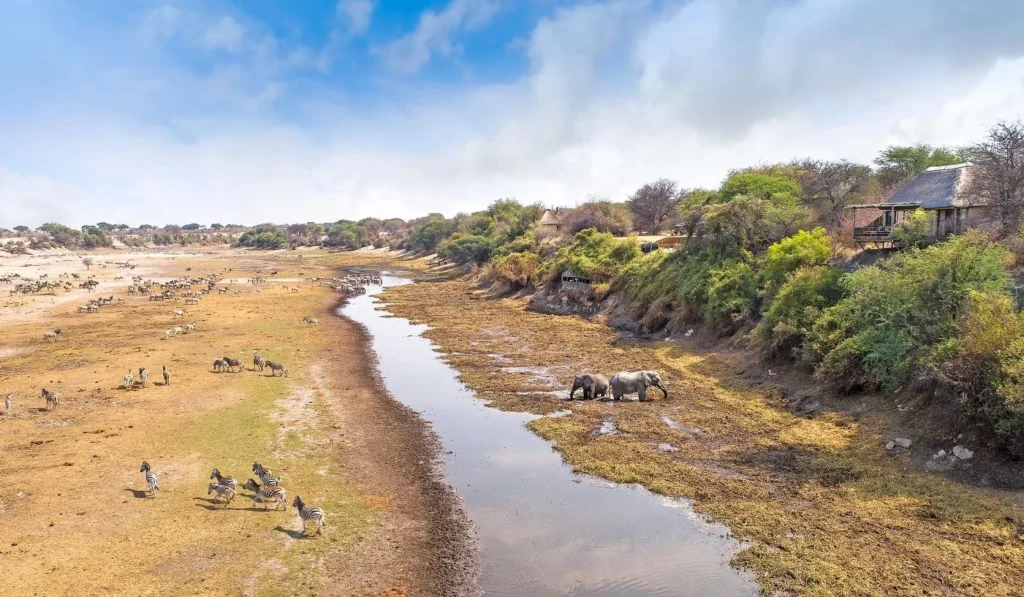
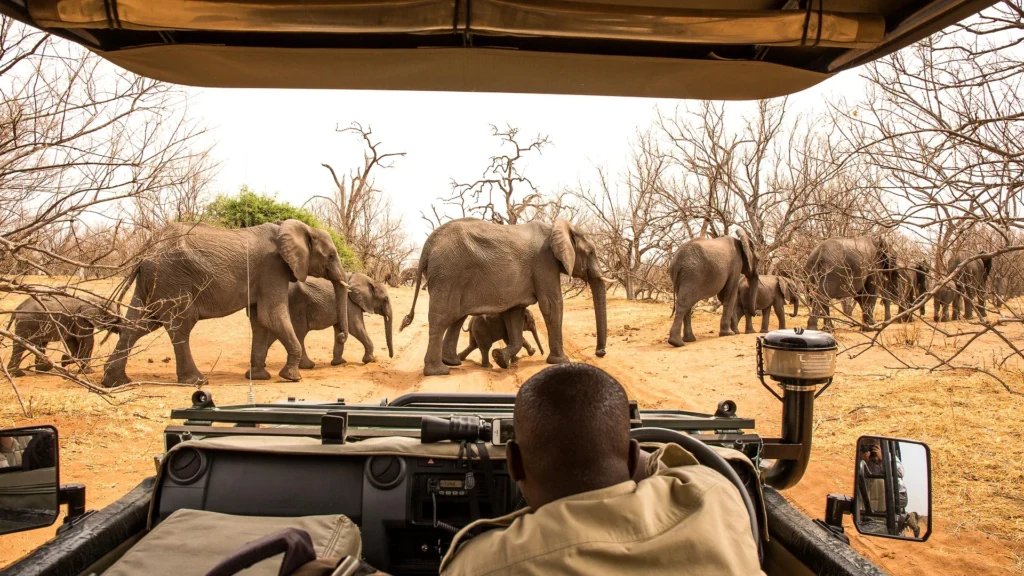
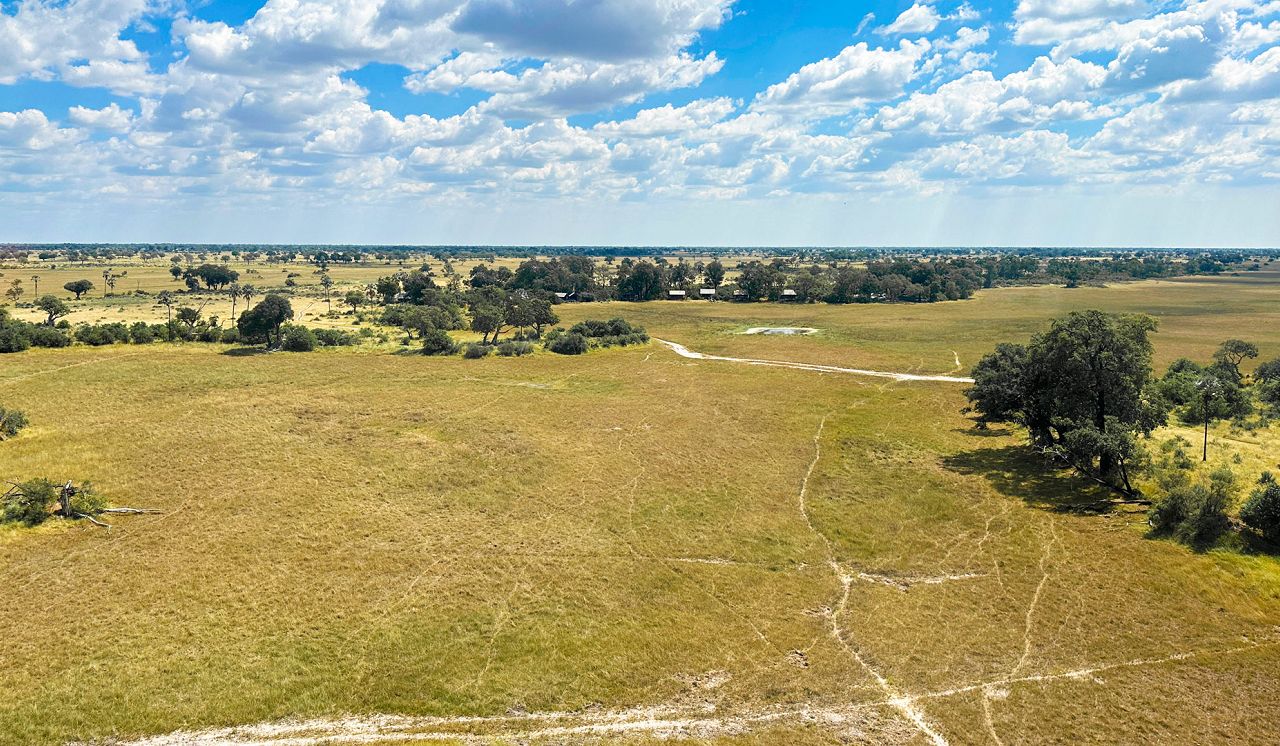
The Xudum Concession, in which Mokolwane Camp is located, is a surprisingly rich wildlife area.
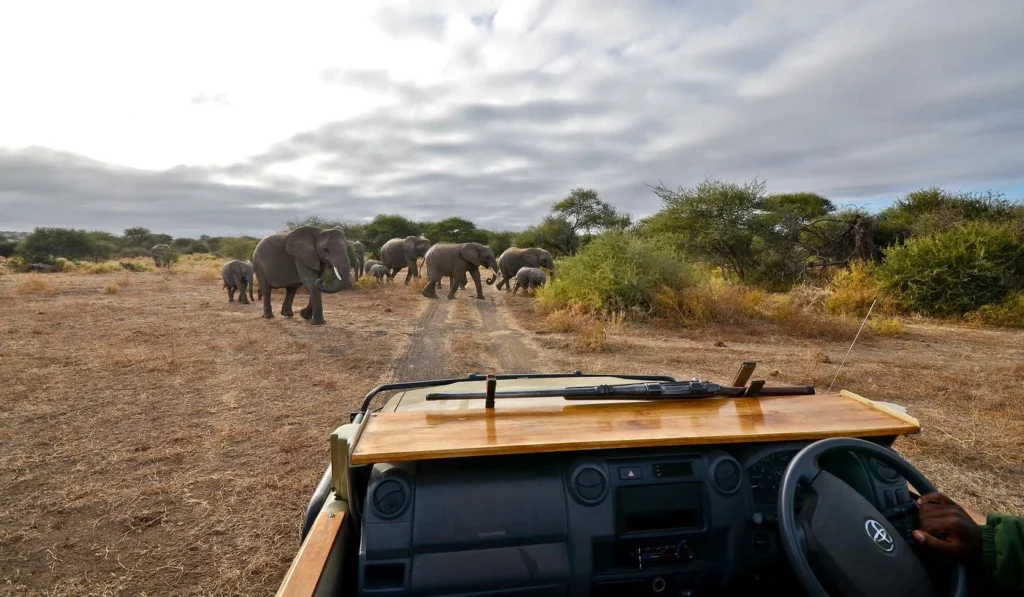
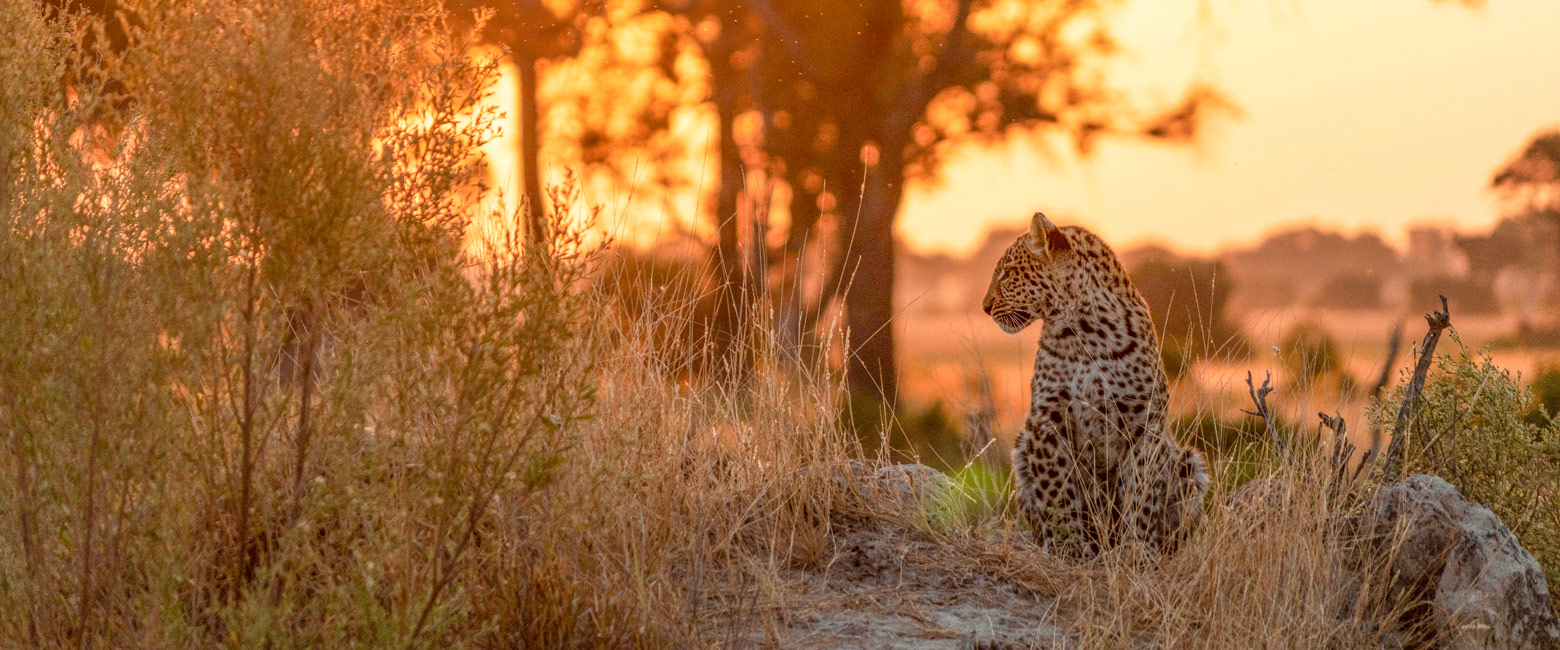
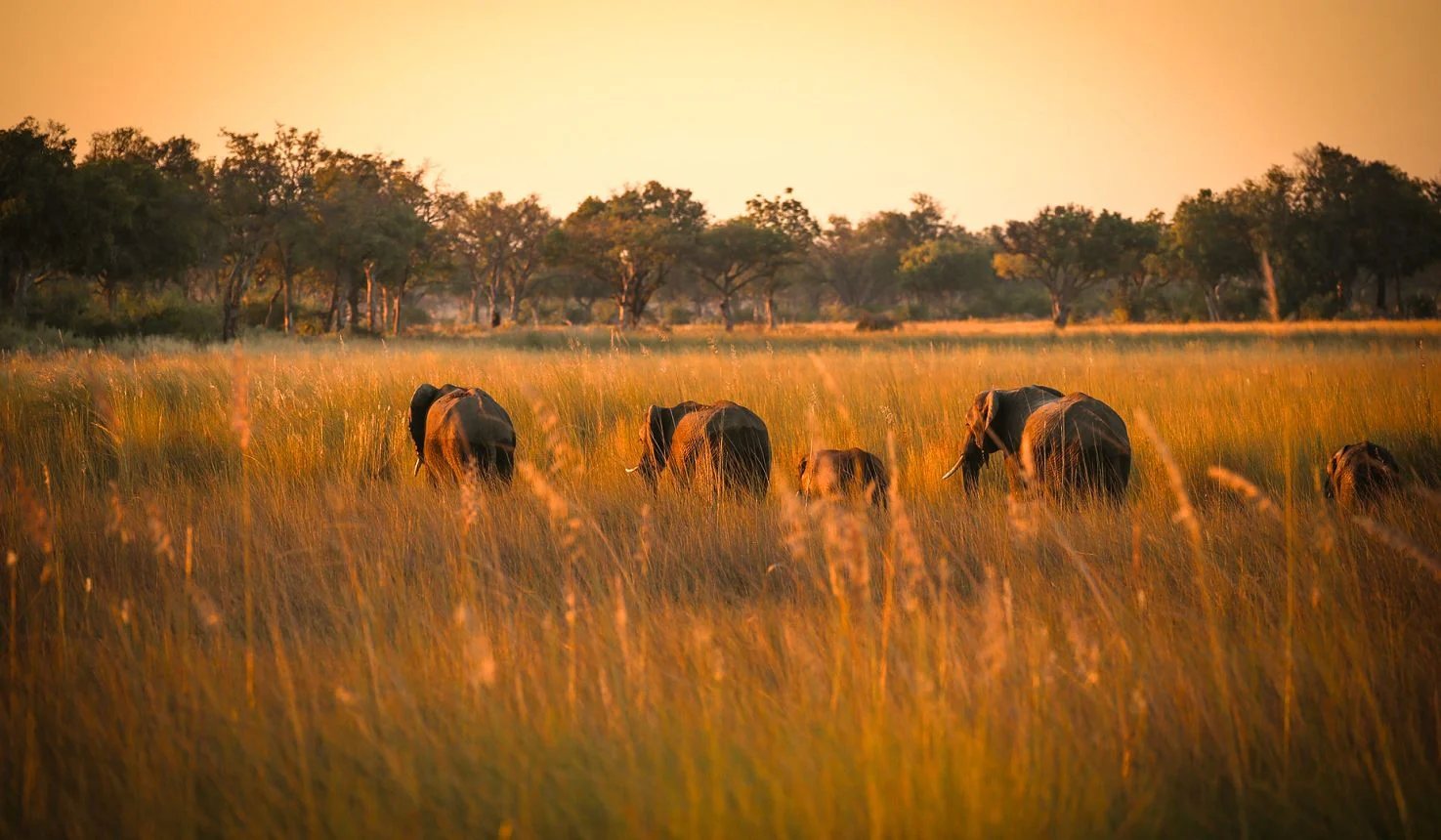
PJ’s son, Brad Bestelink, is one of Africa’s leading wildlife filmmakers and has spent decades documenting the animals here, which are now wonderfully accustomed to vehicles. As well as elephants and lions, the leopards here are extraordinary.
The area has been the location for almost all the major wildlife documentaries about the Okavango over the years, most recently including the BBC’s Big Cats 24/7, which is as strong an endorsement as it is possible to get.
Activities
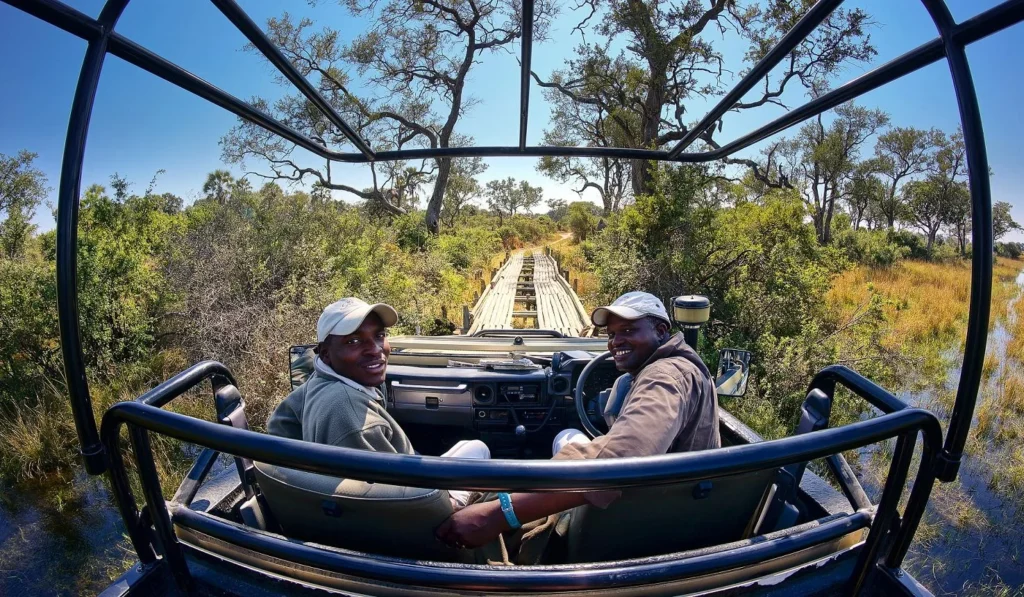
Mokolwane Camp provides the following guided activities …
- Vehicle safari
- Mokoro canoe safari (Jun-Aug)
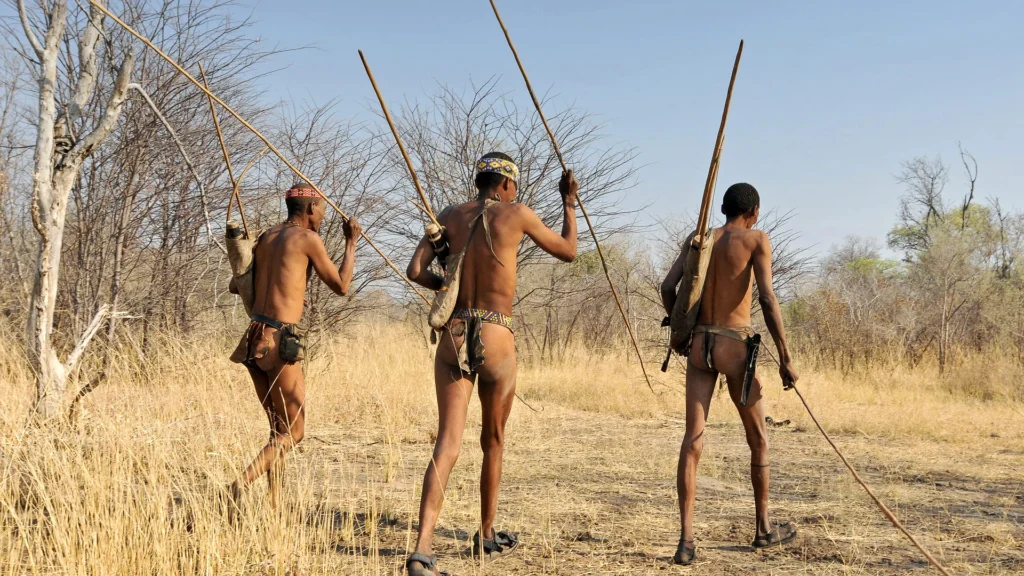
- Walking safari
- Night vehicle safari
/


Gallery
Video
Map
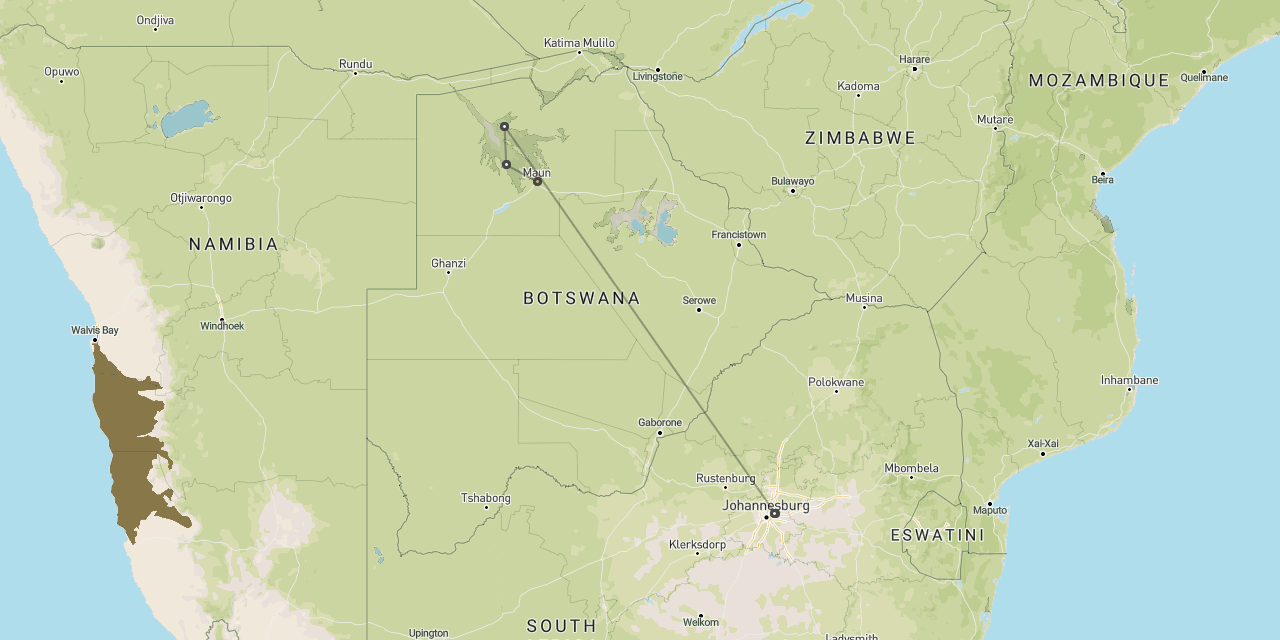
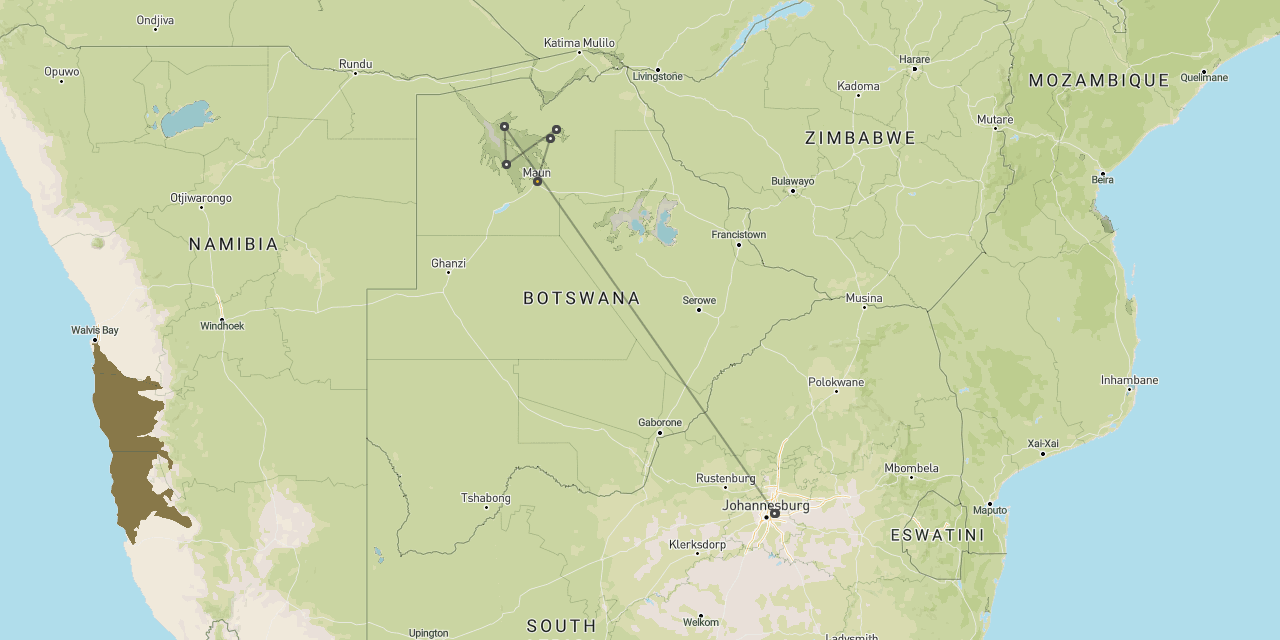
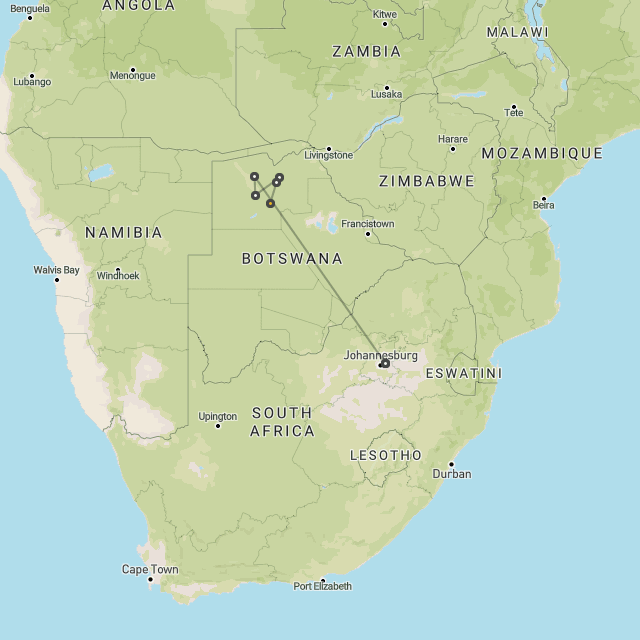
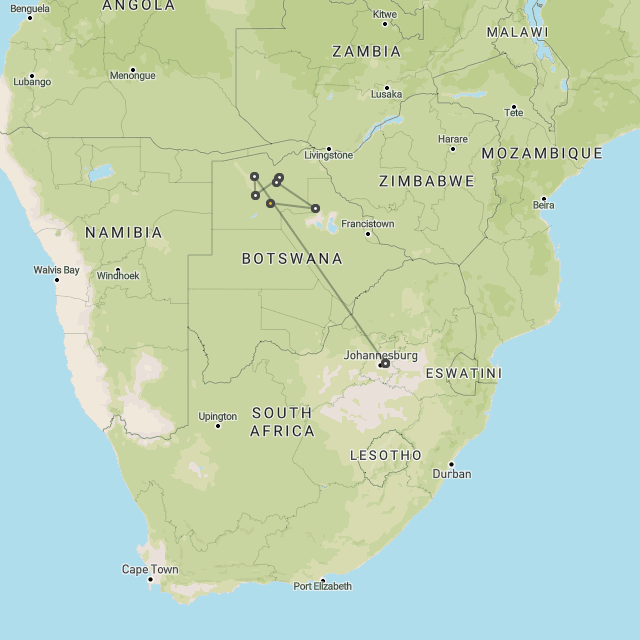
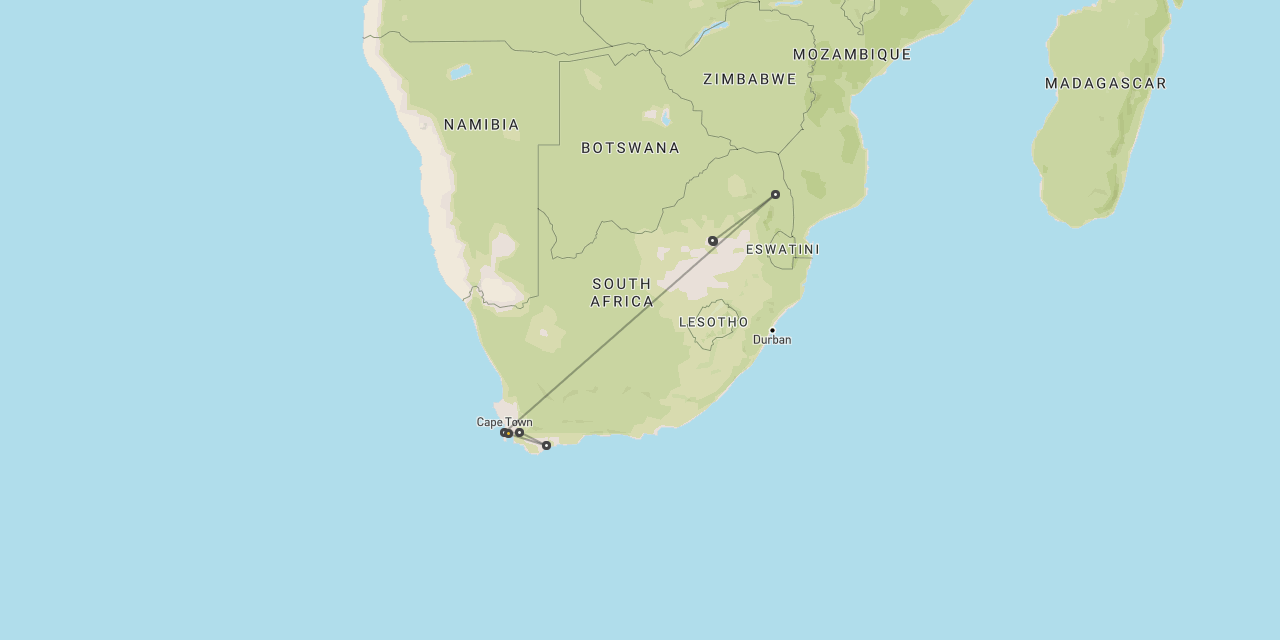
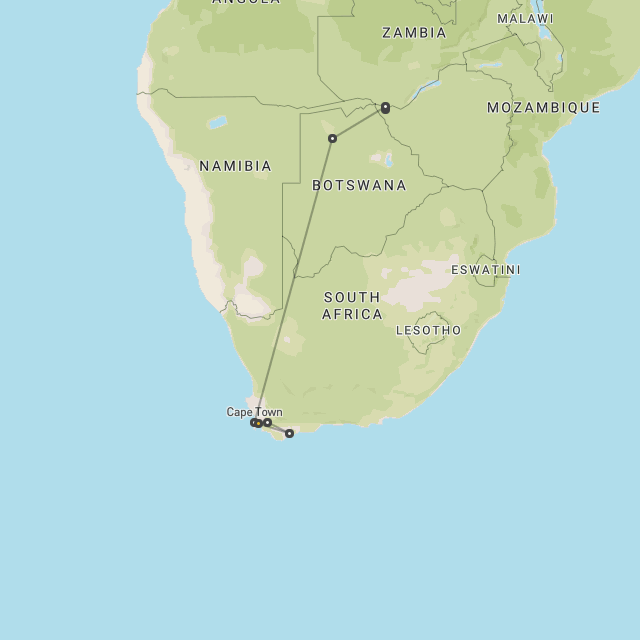
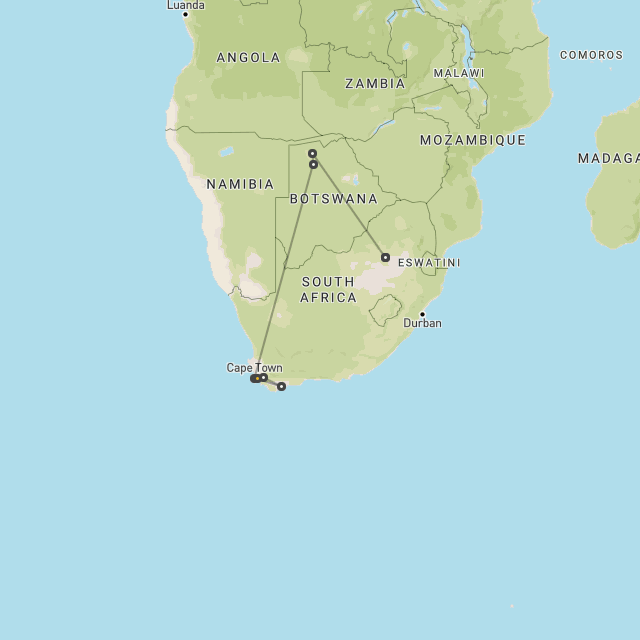
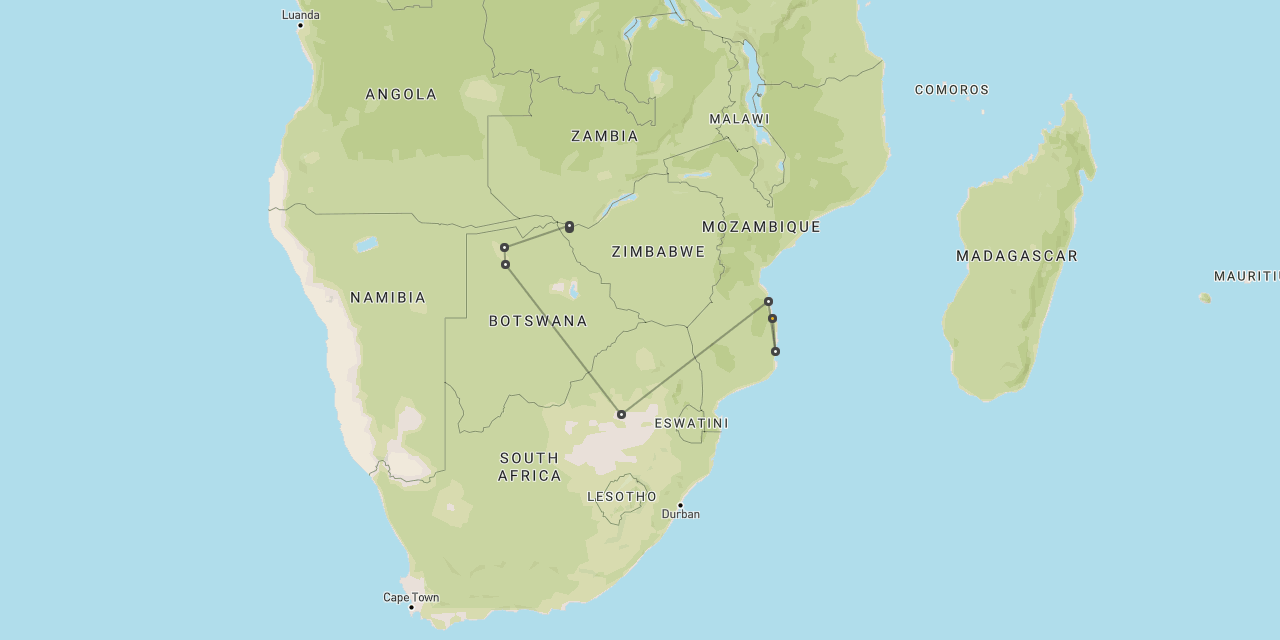
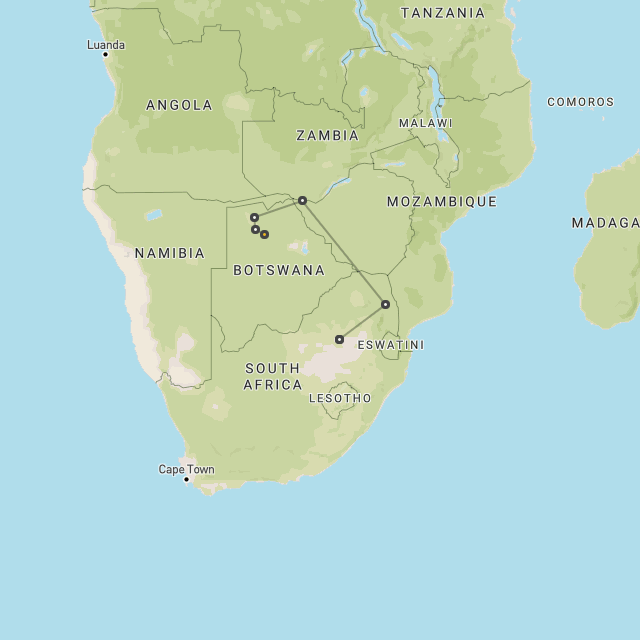
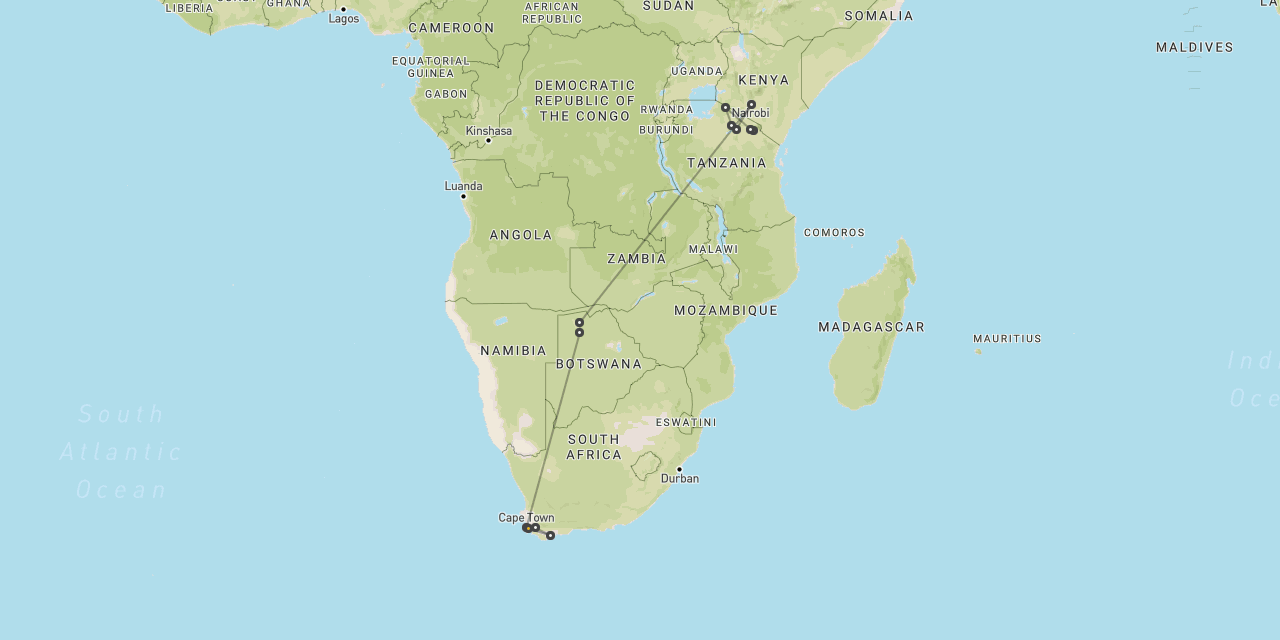
When it comes to trip shapes and durations in Botswana, most visitors combine 2, 3 or 4 lodges by light aircraft over 6-12 nights, one or two of which will usually be here in Okavango Delta, combined with the Linyanti Waterfront and/or Makgadikgadi areas.
These trips are often done in combination with further nights at the Victoria Falls and/or down in the Cape.
The usual stay duration here on the Xudum Concession is 3-5 nights.
Seasonality
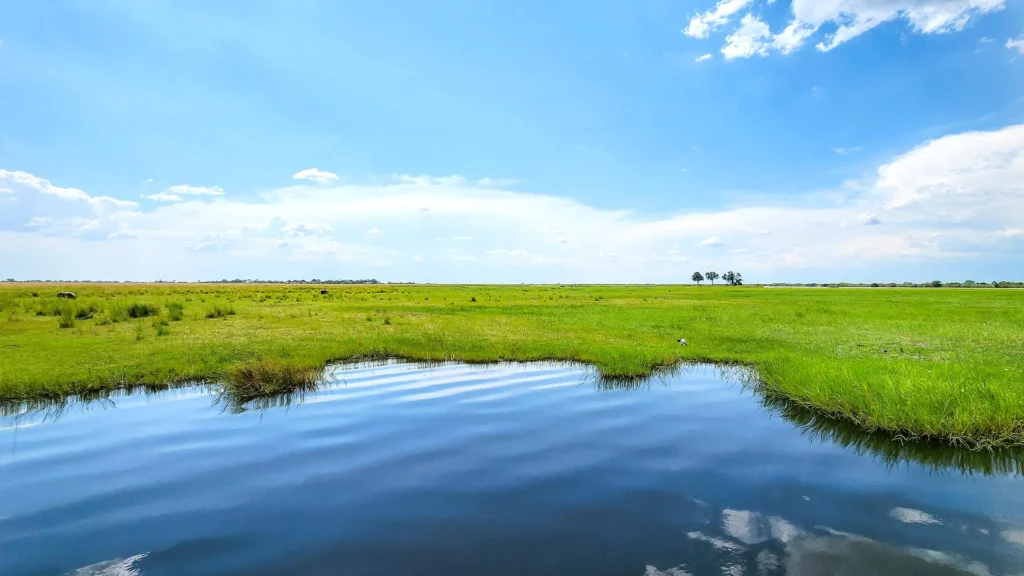
The May-Jun flood season is a period of transition from the summer to the cool dry winter and is a great time to visit, with lots of baby animals around as the floodwaters arrive into the delta.
Temperatures can drop towards freezing during the night, but this has little adverse effect on safari, the days are gorgeous and there are virtually no insects around.
The majority of camps are also significantly discounted at this time.
The flood in this southeastern part of the delta is usually late but often heavy. Before the waters arrive, the focus is largely on vehicle safari and walking safari. But once the area becomes flooded there is a pronounced shift towards boating activities and vehicle safari can be very reduced.
At this time, the area is usually combined with another more reliable dry safari location.
The Jul-Sep dry season is the classic time to visit the Okavango Delta and is considered the best time for wildlife viewing, as many animals are drawn to water from the surrounding dry hinterland.
Cooler temperatures persist, particularly at night, but safari conditions are great.
With the floodwaters reaching or just passing their peak in most areas, there is usually good access to both land and water activities.
This is very much the high season in terms of prices and visitor numbers, but restrictions on visitor numbers ensure that it does not get too busy.
Here the flood usually arrives during Jul-Aug, meaning that the focus is usually very much on boating activities.
As the floodwaters recede, through September, most likely there will be a move back to vehicle safari, with a corresponding increase in wildlife sightings.
The Oct-Dec hot wet season represents the transition period between the peak of the dry season and the start of the rains.
Temperatures and humidities can become uncomfortably high in advance of the rains, particularly in Oct-Nov.
With the floods having receded in most areas, the wildlife tends to become very concentrated around the few remaining water sources, making for very strong wildlife viewing.
Boating activities may become much less widely available, only camps with access to permanent deepwater channels can continue operations.
If significant rainfall does arrive, it usually comes in short sharp showers and generally has little negative effect on safari conditions. Some animals may start to migrate outwards from the delta but sightings remain strong.
The majority of camps are significantly discounted during Nov-Dec making it a smart time to travel.
The flood should have largely subsided by this time, meaning that the main focus should be on vehicle safari, with a reasonable level of sightings, although perhaps not as strong as most core concession areas in Okavango. Boating activities are likely to be significantly reduced.
The period Jan-Apr is the main green season in the Okavango Delta, when the area experiences the majority of its rainfall and temperatures and humidity have dropped slightly.
At this time the landscapes tend to be verdant and beautiful, the animals well fed and there’s lots of babies around.
Dec-Feb is when there is the greatest chance of prolonged cloud and rain.
As the seasonal waterholes become replenished, a proportion of the animals disperse in search of better grazing. But despite these effects, safari remains strong.
The majority of camps are significantly discounted throughout this season, especially moving into April.
Water levels are likely to be low during this period, meaning that the main focus should be on vehicle safari.
Boating activities are likely to be significantly reduced. If there are strong rains, the plains can become flooded, but this would be unusual.
Getting there
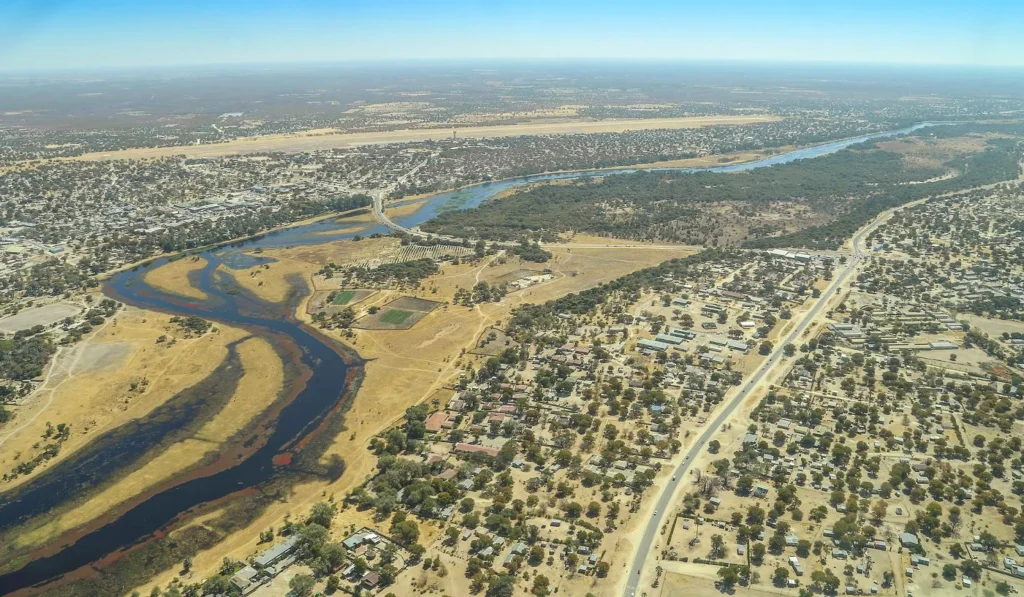
The camps in the Okavango Xudum Concession area can only be accessed by light aircraft into the local bush airstrips.
There are daily flight connections between all the camps in Okavango, Linyanti, the main airport at Maun and Kasane.
usually combined with at least one other camp in Botswana
let us know your thoughts about Botswana
and we will make sure to deliver the perfect safari
Extraordinary tailor-made adventures,
from earthy and edgy to easy and extravagant
From around USD 2500 per person, you set the ceiling
Sample Trips
Here are some of our popular trip shapes

Get started on your trip
It’s never too soon to get in touch, we are here to help with every stage of your planning.
Best Lodges
We regularly inspect and photograph all of the the best lodges, to ensure that we always recommend the most suitable options

Key Locations
Take a look around related locations. Click ‘View more’ to explore locations further afield.