

The geography of Lake Manyara
Lake Manyara
contains a critically important
groundwater springs

Key information …
At 330 square kilometres, Lake Manyara is a relatively small conservation area, but with an unusual range of habitats and species, especially given that two thirds of that area is taken up by the lake itself.
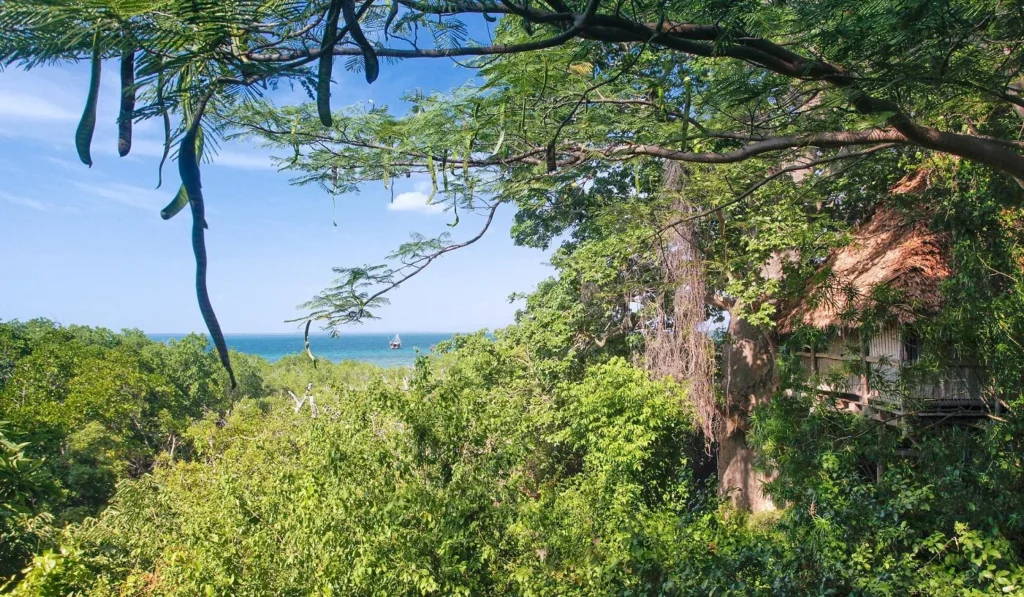
Perhaps the most important feature is the large groundwater forest, immediately below the viewpoint at the north end of the national park. This lush woodland owes its existence to a series of springs which are fed by water being forced up along the line of the Rift Valley fault. This water is relatively reliable year round and the forest provides sanctuary for resident wildlife during the long dry season, acting like a magnet for a broader range of migratory animals, particularly elephants.
Further south there are substantial tracts of dry acacia forest, flanked by broad open grasslands which lead out to the mudflats along the shore of the lake.
Lake Manyara itself varies enormously in size through the seasons and year to year, as determined by rainfall and evaporation rates. At times it can appear like a vast inland sea, at others not much more than a very large muddy puddle.
a string of important freshwater springs

A short drive around Lake Manyara National Park usually delivers an unusually broad range of mammal sightings.
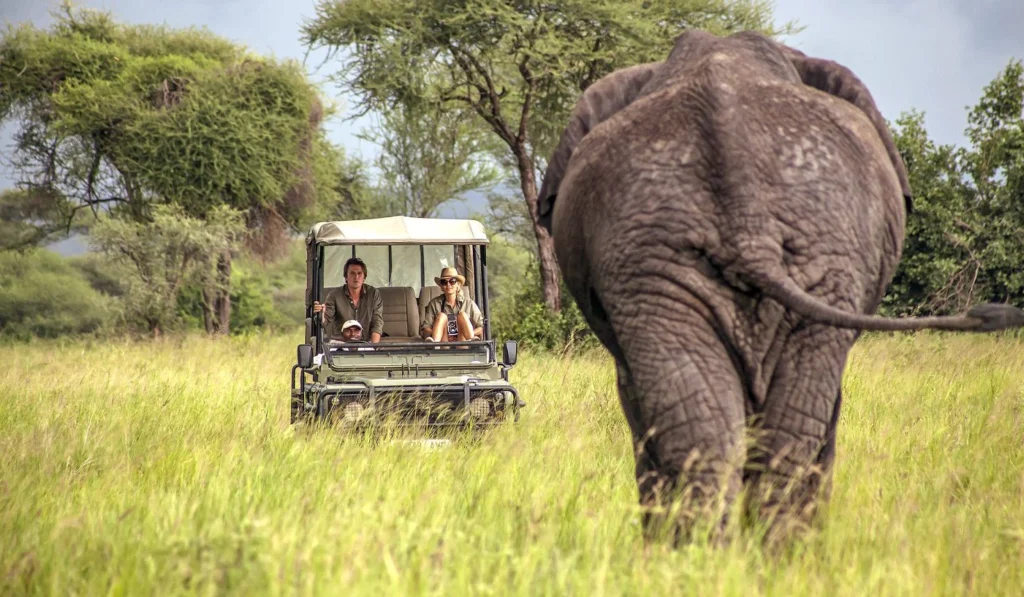
During the Jun-Nov dry season this can be one of the best areas in the region for elephant viewing. Many of the elephants that inhabit the groundwater forest are very habituated to vehicles. On one occasion we had to sit very still and hold our breath whilst a towering bull lowered his trunk into the roof hatch of our Land Rover and sniffed around in our hair for something to eat, before rubbing his rear end up against our bull-bars and sauntering off.
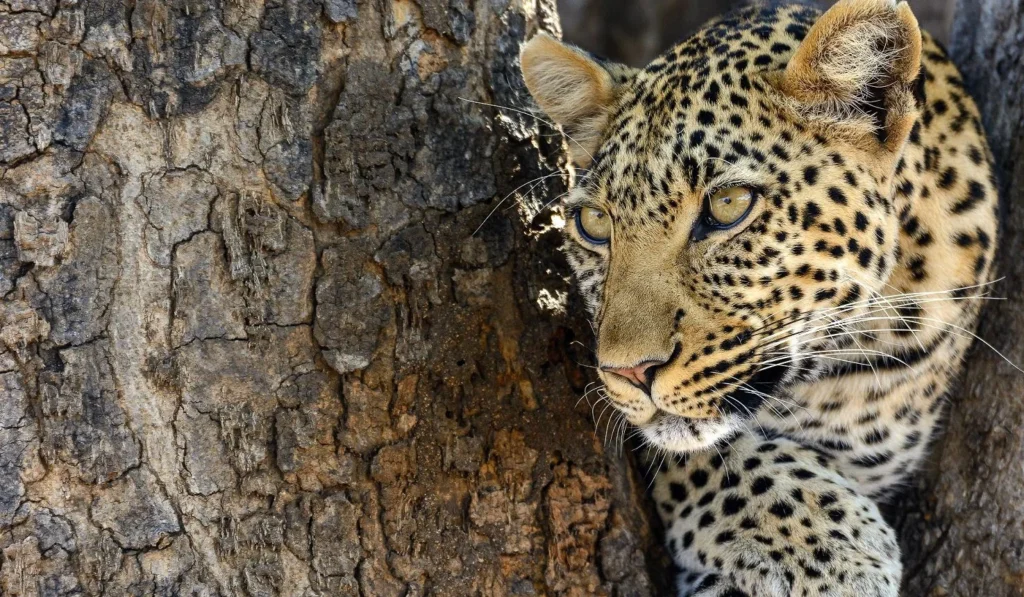
The park is famed for its tree-climbing lions, but in truth they are no more inclined to exhibit this behaviour here than in other locations, it’s pretty common wherever biting flies are a problem.
We particularly enjoy watching the troops of baboons that inhabit the groundwater forest, who are also very habituated to vehicles. In fact this is one of the easiest places we know to view baboons up close, an experience which we feel is very much underrated.
It’s also worth keeping an eye out for dik-diks, small antelopes with bizarre bendy noses. They can often be seen on the lower slopes of the escarpment.
On the open grassland areas around the lake it is often possible to get good sightings of wildlife such as giraffes, zebras, wildebeest and buffaloes.
tree-climbing lions and habituated elephants

Lake Manyara is considered to be one of the best bird-watching locations in Tanzania, with almost 400 recorded species.
It’s claimed that up to a million lesser flamingos converge on the lake at times, although they apparently don’t breed here.
Great numbers of white pelicans, pink-backed pelicans, greater flamingos and yellow-billed storks also populate the lake on a seasonal basis.
Countless other waterfowls, including many Eurasian migrants, also favour the lake-shore.
Birds of prey are represented by a remarkable 46 species including African fish eagles, Ruppell’s griffon vultures, Egyptian vultures, palmnut vultures, Verreaux’s eagles, crowned eagles, martial eagles, bat hawks and peregrine falcons.
Vociferous silvery-cheeked hornbills inhabit evergreen forest and southern ground hornbills stalk the open woodlands in family groups.
Among the more colourful bush birds are Fischer’s lovebirds, blue-naped mousebirds, grey-headed kingfishers, Abyssinian scimitarbills, red-and-yellow barbets and Peters twinspots.
Other more specialist highlights include ashy starlings, slender-tailed nightjars, Abyssinian white-eyes, Pangani longclaws, eastern nicators and long-tailed fiscals.
arguably the best birding location in the Serengeti region

Outside the national park, at the foot of the escarpment further north, lie the Engaruka Ruins.
Set at the foot of the Rift Escarpment, lie the remains of a substantial farming settlement thought to date back to the late iron age, over 500 years ago.
No one knows quite who was responsible for its construction, but it’s estimated that at its height it supported a population in excess of 30,000 people, which makes it highly important in the context of East African prehistory.
It’s thought that it was the arrival of the Maasai into the area during the 1800s that led to the town’s demise.
The ruins are of marginal interest to most visitors, there really isn’t a great deal to see, but for those with an interest in history and archaeology, a visit can be most rewarding.
early Iron Age settlements

Further reading
let us know your thoughts about Tanzania
and we will help to create the perfect trip

Extraordinary tailor-made adventures,
from earthy and edgy to easy and extravagant
From around USD 2500 per person, you set the ceiling

Get started on your trip
It’s never too soon to get in touch, we are here to help with every stage of your planning.
Sample Trips
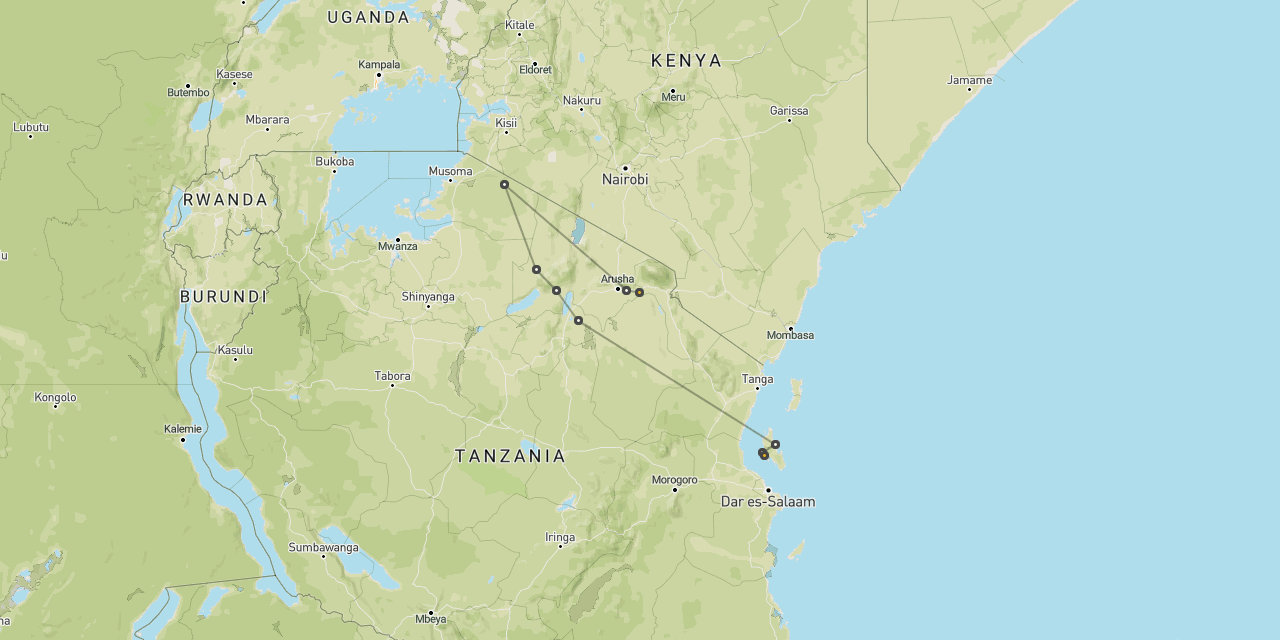
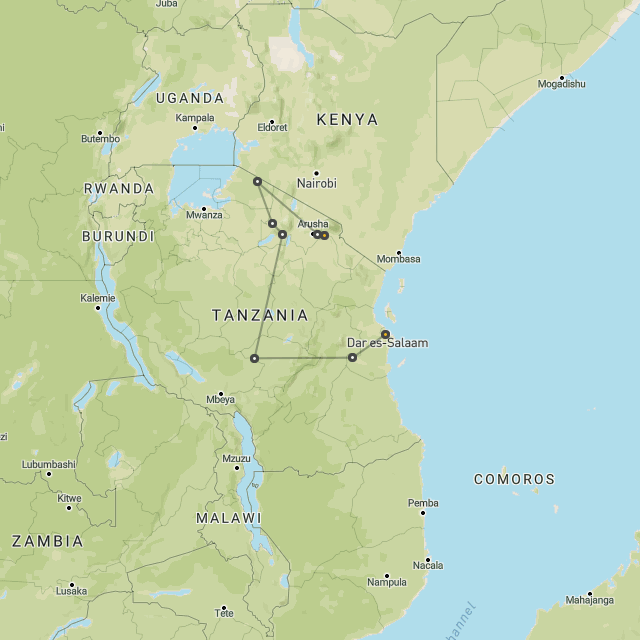
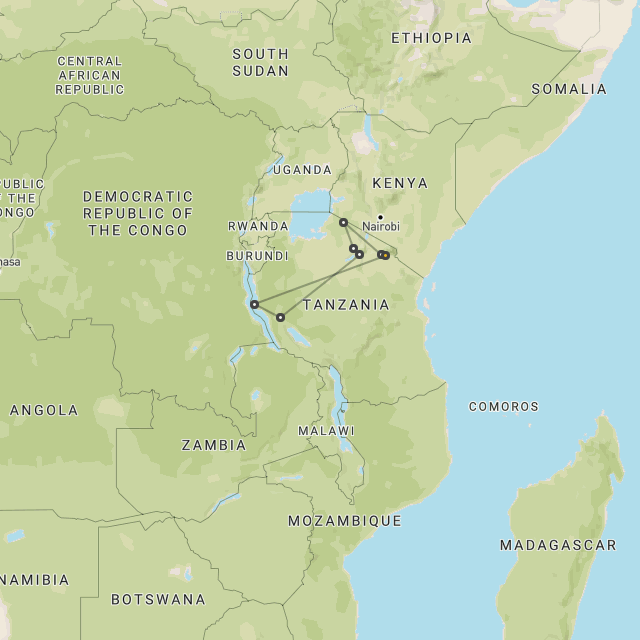
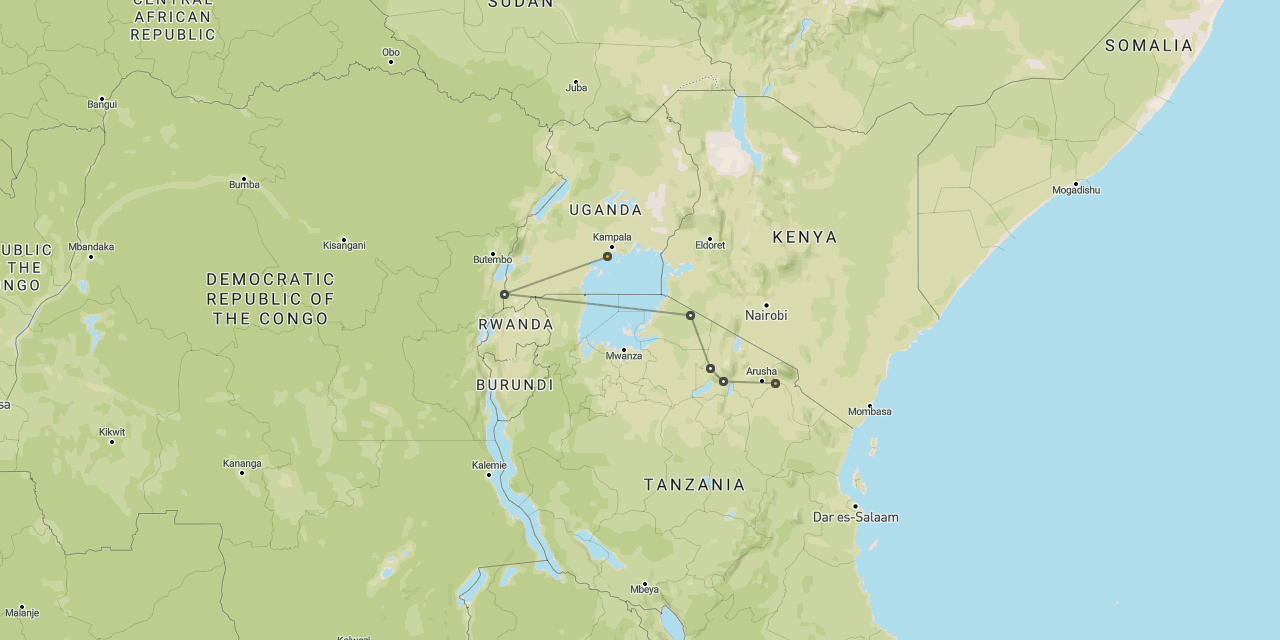
Here are some of our popular trip shapes
Best Lodges
We regularly inspect and photograph all of the the best lodges, to ensure that we always recommend the most suitable options
Key Locations
Take a look around related locations. Click ‘View more’ to explore locations further afield.
Where Next?
Where Next?
We offer trips to dozens of fabulous countries.
Might one of these might be your next great adventure?

Get started on your trip
It’s never too soon to get in touch, we are here to help
with every stage of your planning.
ATR Safari
© 2026

Please rotate your screen.