When is the best time of year for gorilla tracking in Bwindi Forest?

When is the best time of year for gorilla tracking in Bwindi Forest?

When to go gorilla tracking in Bwindi Forest

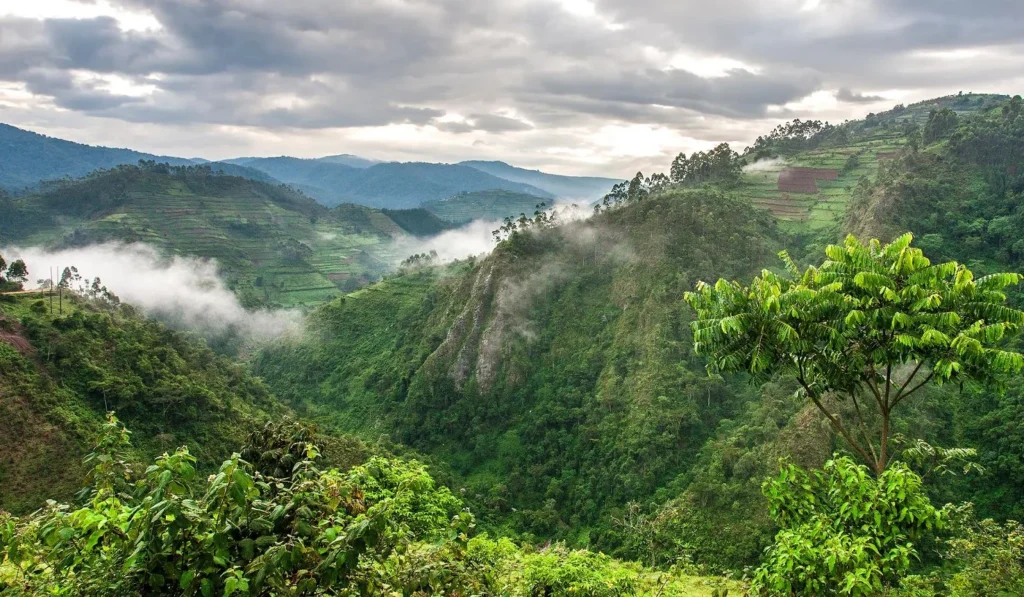
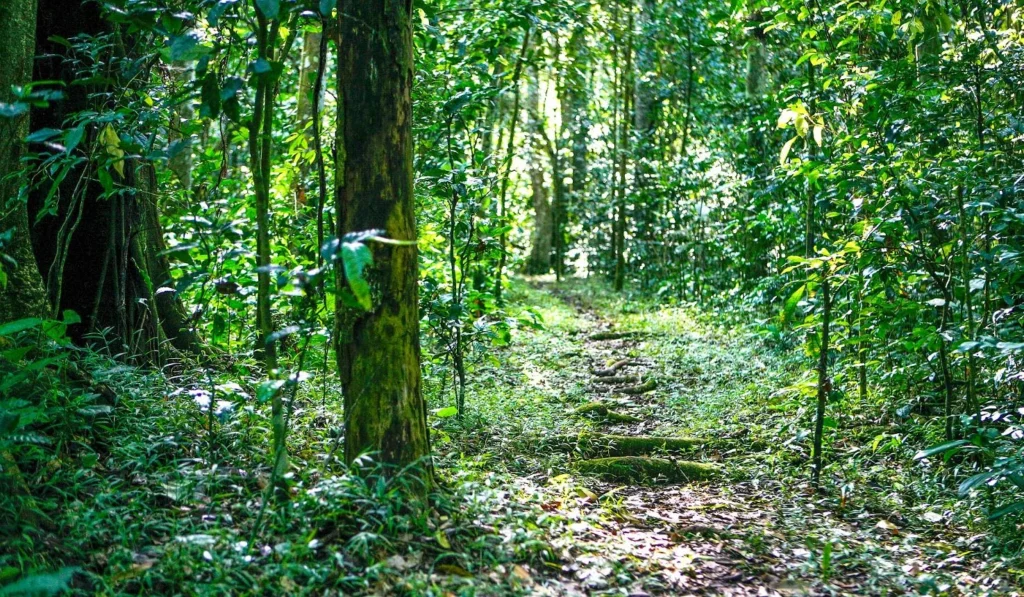
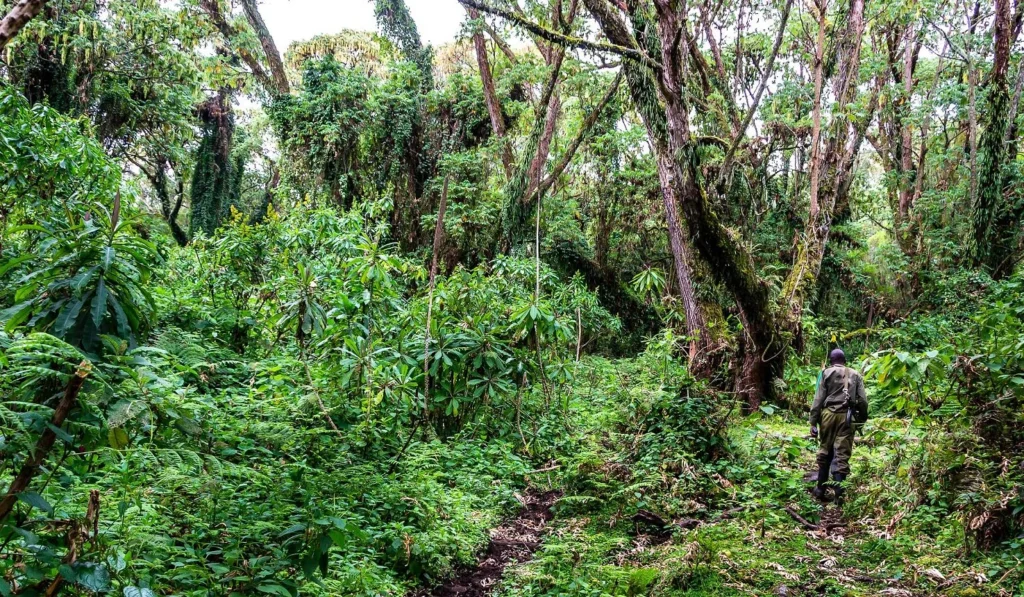
Bwindi Impenetrable Forest is one of the most iconic gorilla destinations in the world. Its dense tropical rainforest, steep slopes, and misty valleys create both a sense of adventure and an intimate wildlife experience. But the Bwindi experience is very different depending on when you go; rainfall, temperature, trail conditions, gorilla movement, and visitor traffic all vary with the seasons, and your choice of month can influence how challenging or rewarding your trek will be.

Bwindi experiences a tropical montane rainforest climate with two main dry seasons (May–September and December–February) and two wet periods (March–April and October–November). Even during the dry season, occasional showers are possible, and the forest remains humid. Understanding the seasonal nuances can help plan a trip that balances trekking ease, photographic conditions, wildlife activity, and combination safari opportunities elsewhere in Uganda.

How to choose your month when gorilla tracking in Bwindi Forest

The long dry season from May to September offers firm trails, fewer slippery sections, and generally easier trekking. This is ideal for first-time gorilla trekkers or those seeking a more predictable experience. The shorter dry season from December to February is cooler, with misty mornings and firm trails, providing excellent photographic conditions and manageable hikes.

If your goal is a dramatic rainforest atmosphere, the wetter months of March–April and October–November are perfect. Trails are softer and sometimes slippery, trekking is more challenging, but the forest is vibrant, dripping with green foliage, and often shrouded in mist, offering unforgettable, immersive encounters with gorillas.

Visitor traffic peaks in the May–September dry season, particularly around August, so early booking of lodges and gorilla permits is recommended. The wet months are quieter, giving a more private experience, though trail conditions and access to certain gorilla families can be variable.

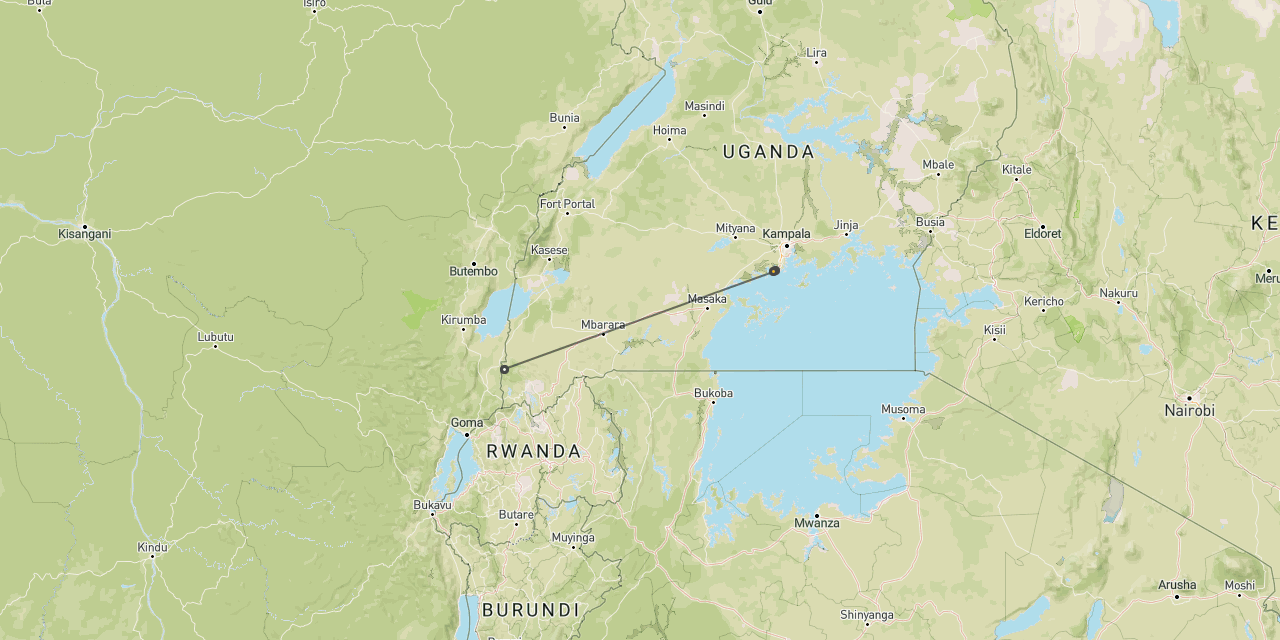
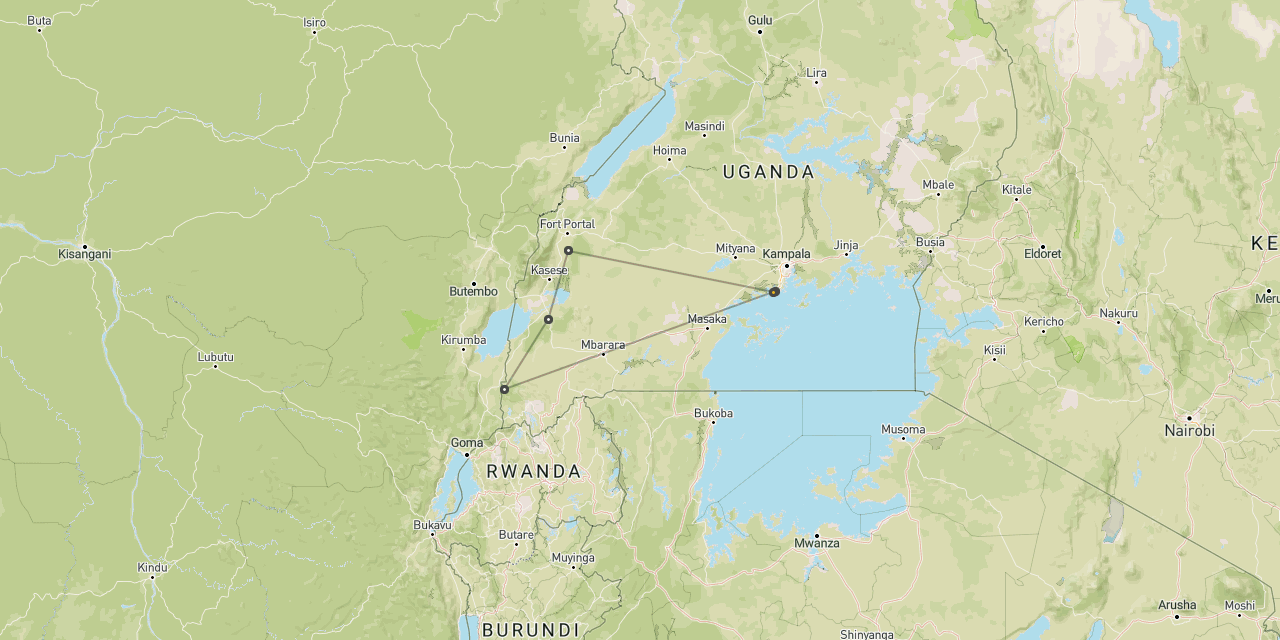
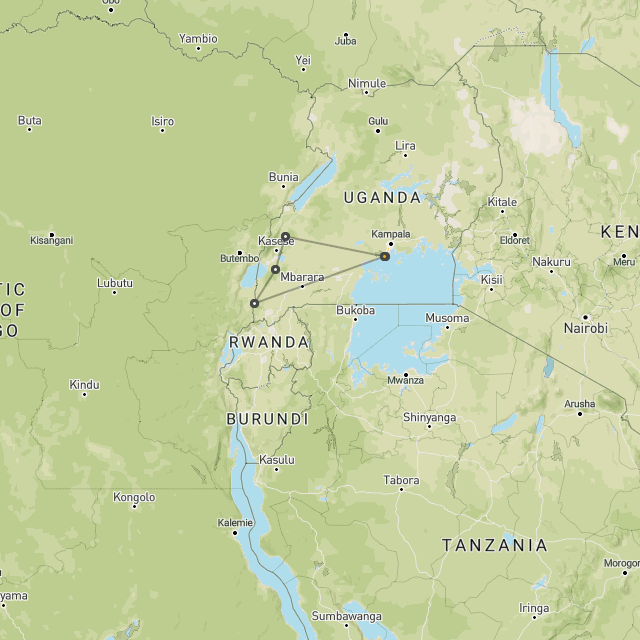
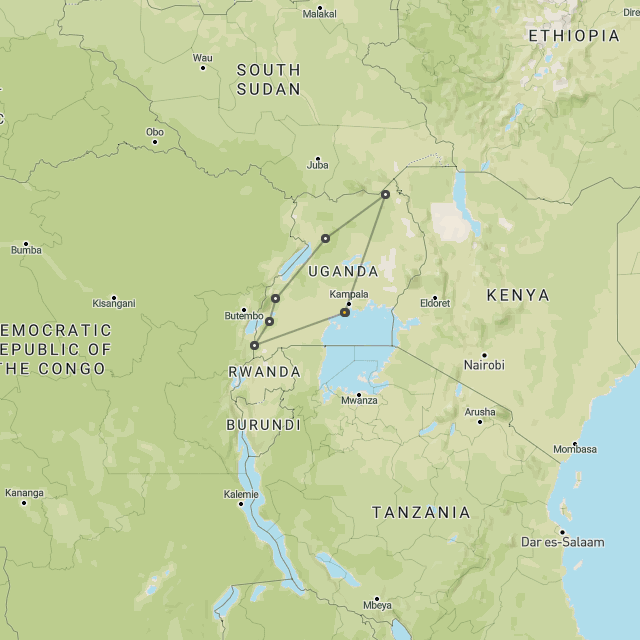
For combination safari planning, note that the May–September dry season is excellent for Bwindi trekking but less suitable if you also plan to visit Kidepo Valley or Murchison Falls, as those regions are either too dry or less accessible. The wetter months of March–April and October–November are better for linking with these northern or western safaris.

Month-by-month guide to the best time of year for gorilla tracking

January

January is part of the short dry season in Bwindi. Trails are firm and easier to navigate, though mornings can be cool, dropping to around 7 °C (45 °F). Gorilla families tend to feed on mid-slopes, shortening trekking times. The forest is lush but manageable, and visitor traffic is moderate, offering a comfortable balance of access and solitude. This month is excellent for photography, with soft light filtering through the trees, and trekking is generally predictable.

February

February continues the short dry season. Trails remain firm and trekking is moderately easy. Cooler mornings persist, so layered clothing is advised. Gorillas are active and accessible, often feeding in more open areas of the forest. Visitor traffic remains moderate, making it a good time for those seeking manageable hikes without the peak-season crowds. Photographers benefit from consistent light conditions and relatively dry trails.

March

March marks the early rainy season. Rainfall increases slightly, softening trails and making trekking more variable. Gorilla families may move further afield in search of fresh food, introducing unpredictability to treks. Mist and low clouds frequently shroud the forest, enhancing its atmospheric quality and providing unique photographic opportunities. Visitor traffic is low, except for a small peak around Easter. Trekking remains possible with good rain gear, though it can be physically demanding. March is less ideal if you plan to combine your Bwindi trip with Murchison Falls, as conditions there can be more challenging

April

April is one of the wettest months in Bwindi. Trails become slippery and trekking requires more effort, but the forest is incredibly lush and dramatic. The rain intensifies the greenery and forest ambience, creating an immersive jungle experience. Visitor numbers are very low, offering solitude and exclusivity. This month is particularly rewarding for photographers who appreciate misty, atmospheric forest scenes. Combination trips to Kidepo or Murchison Falls are not recommended during April due to rain and trail conditions.

May

May is the beginning of the long dry season. Trails firm up, making trekking easier, though mornings remain cool. Gorilla families often feed on mid-slopes, keeping treks moderate in length. Visitor traffic starts to increase toward the June–August peak, so early booking is advisable for lodges and permits. May is still better suited for combination trips than the peak dry months, but conditions in northern or western safaris can start to conflict toward the end of the month.

June

June sits firmly in the long dry season. Trails are stable and trekking is comfortable. Gorilla families continue to feed in accessible mid-slope areas, and encounters are generally reliable. Mornings are cool, requiring warm layers. Visitor numbers are rising, particularly in the second half of the month, so early booking remains important. Photography conditions are excellent, with clear light and good visibility through the forest.

July

July is the peak dry season. Trails are firm, visibility is good, and treks are manageable for a wide range of fitness levels. Gorilla families are accessible, and encounters are generally predictable. Visitor traffic is increasing, but still manageable if permits and lodges are booked in advance. The dry conditions provide ideal trekking and photography conditions, and the forest is less dense than in the wet season, making wildlife spotting easier.

August

August continues the peak dry season. Trails remain firm and trekking is comfortable. Visitor traffic is highest at this time, so securing permits and accommodations well in advance is essential. Gorillas remain in accessible areas, though some families may move to slightly higher slopes seeking cooler conditions. Photography is excellent, with bright, clear days, though the forest retains its lush character.

September

September brings early short rains, especially toward the latter half of the month. Trails begin to soften, and trekking becomes more variable. Mist returns to the forest in the mornings, creating atmospheric conditions for photography. Gorilla families may move more frequently, so treks can be slightly longer. This month remains suitable for combination trips with northern or western safaris, though trekking is slightly less predictable than in the dry season.

October

October is part of the late rainy season. Trails are muddy and slippery, and trekking is physically demanding, but the forest is at its most dramatic and lush. Visitor traffic is very low, offering solitude. Gorillas continue to move through the dense forest, often requiring more time to reach. This is an excellent month for photographers seeking moody, mist-laden forest shots. Combination trips with northern Uganda or western safari areas are more feasible than during the peak dry season, though trail conditions can be challenging

November

November is still in the late rainy season. Trails remain slippery and trekking requires stamina. Visitor numbers are very low, offering quiet experiences. Gorillas move actively but may feed in denser areas, slightly increasing trekking difficulty. Photographers benefit from dramatic rainforest lighting, and those willing to embrace wet conditions will find fewer crowds and a very green forest.

December

December sees the start of the short dry season. Trails firm up, and trekking becomes easier and more predictable. Mornings remain cool, so layers are recommended. Visitor traffic is moderate, offering a balance between accessibility and solitude. Gorilla families are often found on accessible mid-slopes, making encounters reliable. Photography conditions are generally excellent, with clear light and good visibility, while the forest remains lush from the preceding rains.

Further Reading

Extraordinary tailor-made adventures,
from earthy and edgy to easy and extravagant

From around USD 2500 per person, you set the ceiling

Sample Trips

Get started on your trip

It’s never too soon to get in touch, we are here to help with every stage of your planning.

Key Locations

Uganda
Africa

Uganda

Uganda is a land-locked country in east-central Africa, best known for its gorillas and chimpanzees, but also containing some superb Rift Valley scenery and savanna …
Africa

Africa

There are well over a hundred quality safari areas in Africa, contained within around a dozen countries. Each location has its own unique climate, landscapes …
Kibale Forest
Uganda

Kibale Forest

Set in the southwest of Uganda, Kibale Forest is an important tropical reserve, the best location in the country for viewing chimpanzees, with guest accommodation …
Queen Elizabeth
Uganda

Queen Elizabeth

Set in the remote west of Uganda, Queen Elizabeth National Park is the largest savanna safari area in the country, a stop on the overland …
Tanzania
Africa

Tanzania

Tanzania is a truly remarkable country, with far more than its fair share of Africa’s crowned jewels, including Serengeti, Ngorongoro, Kilimanjaro and Zanzibar, with guest …
Entebbe
Uganda

Entebbe

Set on the north shore of Lake Victoria, Entebbe is the former colonial capital, the site of Uganda’s international airport and still a relatively relaxed …
Ngorongoro
Tanzania

Ngorongoro

Situated immediately to the south of Serengeti, the Ngorongoro Highlands is a range of dramatic volcanic peaks which is traversed during private-guided overland safaris through …
Serengeti
Tanzania

Serengeti

Set in the north of Tanzania, Serengeti is the mother of all safari reserves, a most extraordinary place, best known for its enormous wildebeest and …
Rwanda
Africa

Rwanda

Surrounded by Tanzania, Burundi, DRC and Uganda, Rwanda is a highly populous little country best known for its mountain scenery, tropical forests, mountain gorillas, chimpanzees …
Explore all Locations

Extraordinary tailor-made adventures,
from earthy and edgy to easy and extravagant

From around USD 2500 per person, you set the ceiling

Please rotate your screen.