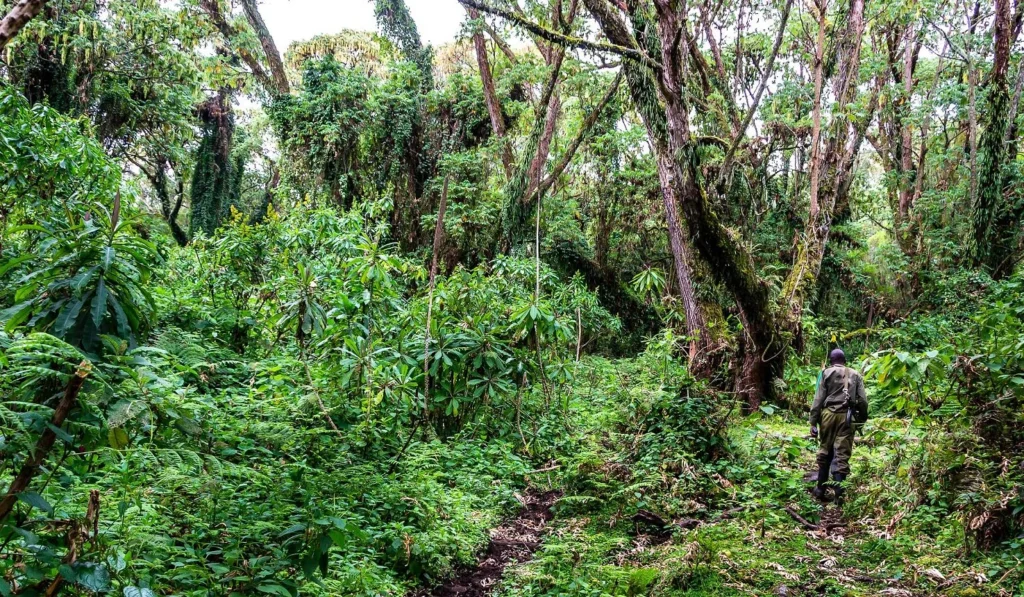

What practicalities should I consider when gorilla tracking in Bwindi Forest
What you need to know before travelling to Bwindi Forest
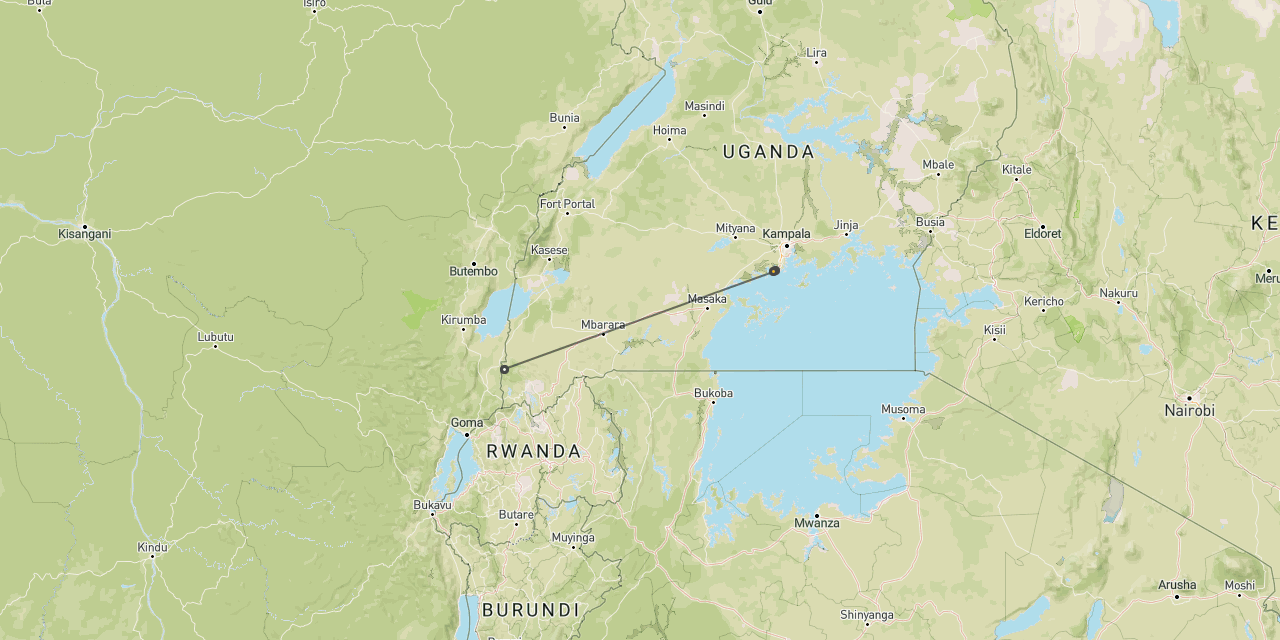
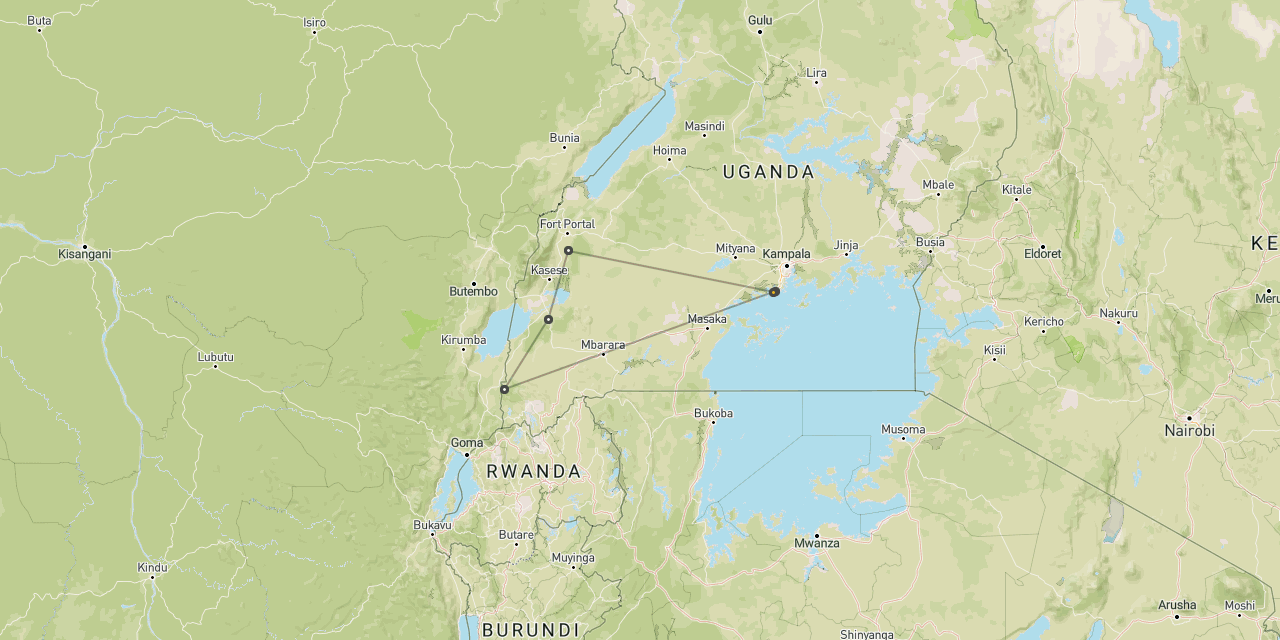
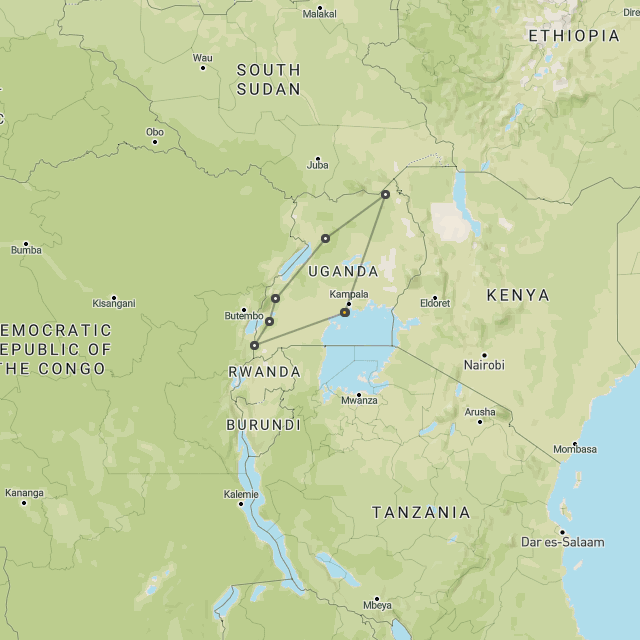
To visit the gorillas in Bwindi Forest most people fly into Entebbe and connect onward by light aircraft to one of the forest airstrips such as Kihihi for the Buhoma sector or Kisoro for Nkuringo, Rushaga and Mgahinga.
Gorilla permits are limited, tightly controlled, and must be booked well in advance as there is no flexibility once dates are set. Health checks matter too. Proof of yellow fever vaccination is required to enter Uganda and standard travel vaccinations are strongly advised not just for you but to protect the gorillas themselves. Bwindi is remote damp and demanding and preparation is what turns a tough day into a great one.

Understanding gorilla permits
Gorilla permits in Bwindi are expensive and tightly controlled, and for good reason. This forest protects almost half of the world’s remaining mountain gorillas, and every permit directly funds their conservation. The chance of a sighting is extremely high, well above 90%, but the proximity and quality of each encounter varies. Getting truly close to a relaxed, open family sits more realistically around 60–70%.
Many travellers choose to purchase two permits, not only to increase their odds of a remarkable sighting but also to visit different families in different sectors. If a trek is compromised by rain, thick vegetation or poor visibility, the second trek often delivers the moment you’ve been hoping for. And in the rare case of a complete blank, park authorities generally help redirect you to a reliable, accessible family next time.
Permits often sell out long before accommodation does. Booking early is everything.
Minimum age for gorilla tracking in Bwindi Forest
It is critical to note that the minimum age for joining a trek in Bwindi is fifteen years old. This is a park regulation and there are no exceptions. You will be required to show your passports.
We should also point out that we would not normally recommend that children under 12 travel to remote tropical areas, the health risks are too great, regardless of whether or not you take anti-malarials. Tropical fevers can be very dangerous for youngsters.

Conduct around gorillas in Bwindi Forest
Bwindi’s gorillas are deeply protected, and the rules are there to safeguard one of the world’s rarest populations. Every trek follows strict guidelines, and these should be treated as non-negotiable.
Visitors must remain at least seven metres from the gorillas. Youngsters sometimes ignore the rules and wander close, and when that happens you should slowly ease back or follow your guide’s instructions to remain still. The temptation to edge forward for the perfect photo is strong, but it risks ending your sighting prematurely.
Behaviour shapes the experience. Keep your group close and tight. Sit or crouch where possible. Avoid raising your arms, pointing, clearing vegetation or making direct, intense eye contact, these mimic aggression. If a silverback displays or charges, don’t panic. Remain low, still and look down. Running only escalates things.
Eating, drinking and smoking are not permitted within 200 metres of the gorillas. Whisper, move gently and stay calm — even if safari ants find you or a nettle catches your ankle. The forest responds best to quiet, deliberate energy.

Clothing and equipment when gorilla tracking
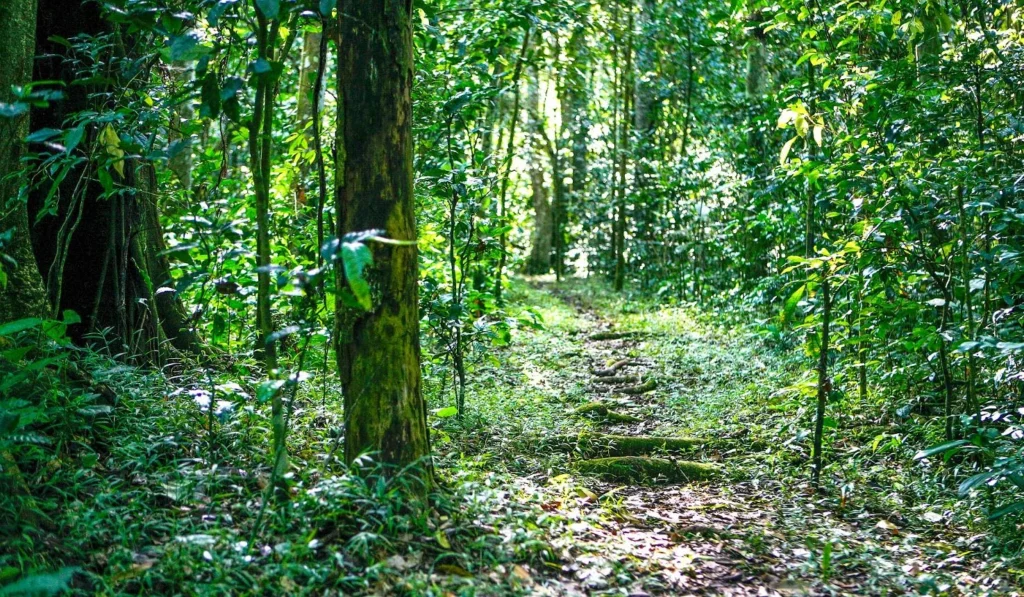
Bwindi’s trails can be steep, muddy and unpredictable. Good gear makes a huge difference.
High-ankle hiking boots with solid tread are essential. Long socks or gaiters protect against mud, insects and the occasional thorny scramble. Thick trousers shield your legs, and a long-sleeved shirt helps with morning chill and stinging plants. Many trekkers bring lightweight gardening gloves for gripping vines and stabilising themselves on ascents.
Carry a poncho or waterproof jacket, Bwindi’s weather can shift in minute, along with sunscreen, a hat and at least two litres of water. Cameras should be wrapped in waterproof covers, and binoculars add a lot if you’re a birder.
Wear muted colours out of courtesy to the group. Bright outfits might not bother gorillas, but they do ruin everyone’s photos.
A lightweight waterproof backpack is perfect for essentials. Use small dry bags for electronics and ensure every piece of trash, even tissues, leaves the forest with you. If you need the bathroom on the trail, your guides will show you how to dig a 30-centimetre hole. Hygiene in the forest is non-negotiable.
Cameras and photography
Flash photography is strictly prohibited, as it can frighten the gorillas and provoke defensive behaviour. A good zoom lens lets you remain at the correct distance while still capturing expressive close-ups. Bring spare batteries, memory cards and waterproof cases. Tripods tend to get tangled in the forest, so a small stabiliser can be more useful if you need support.
Health, safety and fitness when gorilla tracking in Bwindi Forest
Gorilla tracking takes place in remote forest environments, often several hours from major towns and fully equipped hospitals. This remoteness is part of what makes the experience special, but it also means visitors should approach it with a practical and responsible mindset.
A yellow fever vaccination is often required depending on your country of entry, and malaria prophylaxis is strongly recommended. As with any tropical destination, travellers should also be mindful of other mosquito-borne or viral illnesses such as dengue, chikungunya or viral fevers, even though these are uncommon in gorilla tracking areas. Sensible precautions, insect repellent, long sleeves in the evenings, and basic hygiene, are usually sufficient.
Gorillas are highly susceptible to human respiratory illnesses. If you show signs of a cold, flu, cough, fever or diarrhoea, park authorities may refuse participation on the day to protect the gorillas. This is taken seriously and enforced without exception. If you are not feeling completely well, it is essential to be honest with your guide. Missing a trek is disappointing, but preventing disease transmission is critical to conservation.
From a medical perspective, gorilla tracking is well managed but far from urban healthcare. Rangers are trained in first aid, and evacuation procedures exist, but serious medical facilities are not immediately accessible. Comprehensive travel insurance that includes medical evacuation is essential. This is standard for responsible travel in remote areas of Africa and should not be seen as unusual or alarming.
Physically, expect mud, rain, humidity and uneven ground. Trails are not manicured, and conditions can change quickly with weather. The pace is steady and unhurried, with frequent stops, but treks can last several hours and may involve steep ascents or descents.
Leeches are not generally an issue for gorilla tracking in Uganda or Rwanda. While they can occur in some tropical forests elsewhere, most guests never encounter them on gorilla treks. Mud, wet vegetation and slippery slopes are far more common challenges than insects or parasites.
Guests should be reasonably fit, able to walk at a steady pace for several hours and manage uneven terrain. You do not need to be an athlete, but you do need stamina, balance and a willingness to get muddy. Porters are available in most locations and can make a significant difference, particularly on longer or steeper treks.
With sensible preparation, honest communication and a realistic understanding of the environment, gorilla tracking is safe, well regulated and deeply rewarding.
Further reading
- Bwindi Forest
- What is gorilla tracking in Bwindi Forest
- Where to go gorilla tracking in Bwindi Forest
- When is the best time to go gorilla tracking in Bwindi Forest
- How much time do I need for tracking gorillas in Bwindi Forest
- How much does it cost to track gorillas in Bwindi Forest
- Where to stay when tracking gorillas in Bwindi Forest
- Why are gorillas endangered and what is being done to protect them in Bwindi Forest
Extraordinary tailor-made adventures,
from earthy and edgy to easy and extravagant
From around USD 2500 per person, you set the ceiling
Sample Trips
Here are some of our popular trip shapes

Get started on your trip
It’s never too soon to get in touch, we are here to help with every stage of your planning.
Best Lodges
We regularly inspect and photograph all of the the best lodges, to ensure that we always recommend the most suitable options
Key Locations
Take a look around related locations. Click ‘View more’ to explore locations further afield.