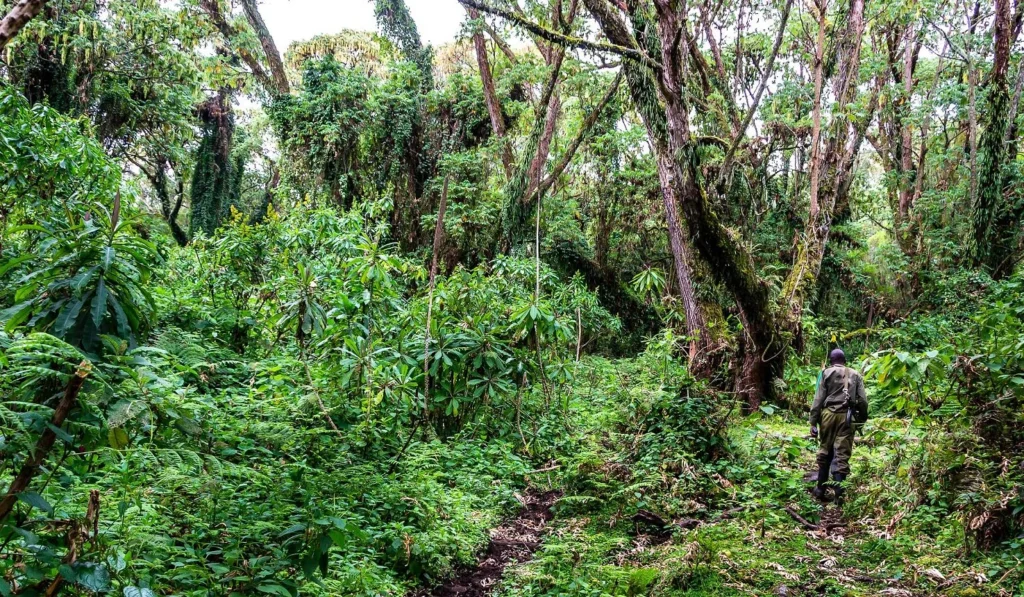

Why are gorillas in Bwindi Forest endangered and what is being done to protect them?
Gorilla conservation in Bwindi Forest
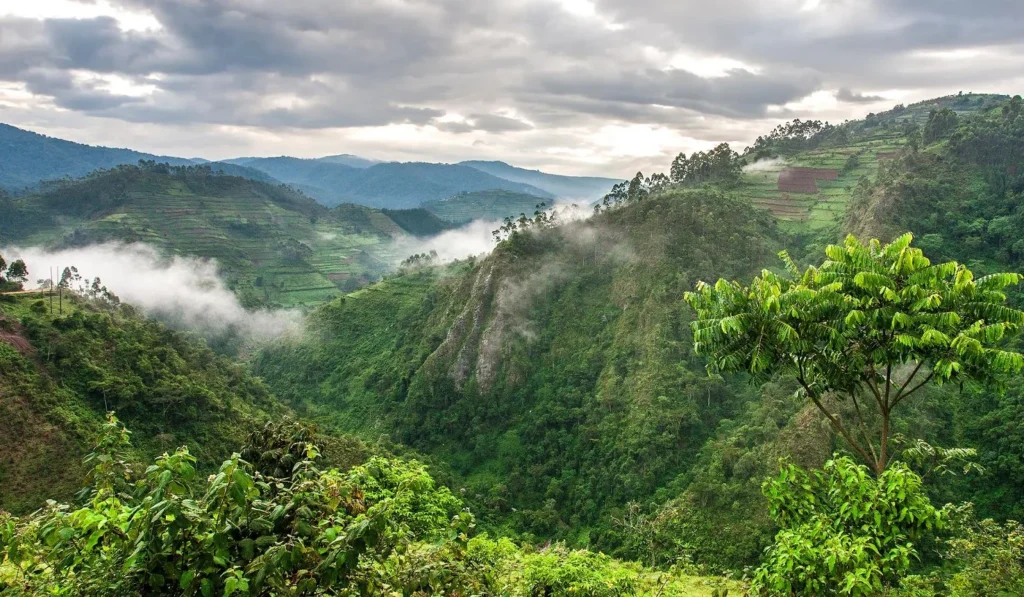
Bwindi Impenetrable Forest is home to nearly half of the world’s remaining mountain gorillas, a species whose survival is still fragile. With only around 1,060 individuals left in the wild, every effort to protect, monitor, and understand these animals is crucial. Bwindi’s gorillas are living symbols of one of Africa’s most successful conservation stories. Sustainable tourism here is more than just an adventure; it is a lifeline for one of our closest relatives in the natural world, and a topic that is at the centre of everything we do here at ATR.
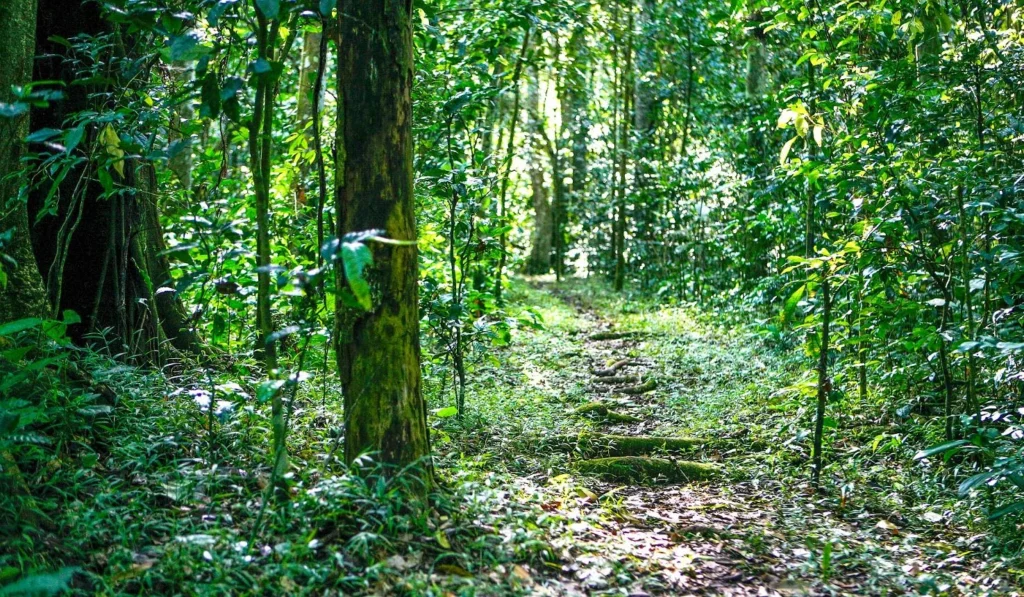
Mountain gorillas are the largest living primates and share around 98% of their DNA with humans, making them similar in behaviour, intelligence, and emotional depth. They are primarily herbivorous, forest-dwelling, and entirely dependent on the dense vegetation of Bwindi for food, shelter, and movement.
Bwindi’s population is particularly important because of its size, density, and diversity. Multiple family groups live throughout the forest, some habituated to human presence for tourism and research, and others completely wild. This mixture allows scientists to study natural behaviours while also enabling safe, controlled tourist encounters that directly support conservation.

Why Bwindi gorillas are endangered
Despite decades of protection, mountain gorillas in Bwindi remain vulnerable, for a number of reasons including habitat loss, poaching, disease, human-wildlife conflict and climate change.
Bwindi Forest is relatively small and bordered by human settlements. The gorilla’s habitat is constantly at threat from agricultural expansion, logging, and encroachment, reducing forested areas, limiting food sources and movement corridors for gorilla families. As the surrounding human population grows, gorillas may leave the forest to raid crops, leading to conflict between farmers and gorillas. Although extremely rare, these encounters have resulted in the injury or death of gorillas within the Bwindi area. Within the forest, poaching for bushmeat has decreased, but snares and traps left in the forest still injure or kill gorillas. Even habituated families are at risk if traps are set nearby.
Climate change has also had an impact on gorilla populations, as altered rainfall patterns and changing vegetation can disrupt gorilla food sources, affecting nutrition and movement patterns
Sharing almost all of our DNA, gorillas are highly susceptible to human illnesses. A single cold, flu, or measles outbreak can have catastrophic consequences, underscoring the importance of strict hygiene and distancing rules for visitors.

Conservation efforts in Bwindi
Bwindi Impenetrable Forest didn’t become a conservation success story by accident. What works here is a combination of strict protection, long term research, tightly managed tourism and local buy in. The park is heavily regulated, with rangers on patrol every day to deter poaching, illegal logging and encroachment. Gorilla habituation is slow and deliberate, often taking years, with researchers spending thousands of hours in the forest earning the trust of each group. Only around 20 percent of Bwindi’s gorillas are habituated, which keeps pressure low while generating critical data on health, behaviour and reproduction that directly informs conservation decisions.
Behind the scenes, specialist wildlife veterinary teams stand ready to intervene when needed, treating injuries from snares or responding to disease outbreaks. Just as important is the role of surrounding communities. Tourism revenue funds schools, healthcare and alternative livelihoods, while local people are trained as trackers, guides and rangers, making conservation a shared interest rather than an imposed one. Gorilla trekking itself is deliberately restrictive. Groups are small, time with the gorillas is limited to one hour and distance rules are enforced without negotiation. It’s not designed to maximise visitor numbers. It’s designed to keep gorillas wild, healthy and very much alive.

The role of behaviour in conservation
Understanding gorilla social structures informs conservation efforts. Bwindi gorillas live in family groups called troops, led by a dominant silverback, with several adult females and their offspring. Families maintain strong social bonds through grooming, shared feeding, and playful interactions.
Silverbacks act as protectors, mediators, and decision-makers, and their leadership ensures group stability. Observing these social hierarchies helps researchers identify stress, illness, or social disruption, allowing targeted interventions to protect both habituated and wild gorilla populations.
The future of Bwindi gorillas
Thanks to decades of dedicated conservation, the Bwindi gorilla population is slowly but steadily increasing. However, the species remains critically dependent on continued protection, careful park management, and global awareness. Visitors who follow park rules, track responsibly, and support local conservation initiatives play an essential role in ensuring that these gorillas not only survive but thrive for generations to come.
By witnessing a gorilla family in Bwindi, you are participating in a broader conservation mission, one that safeguards habitat, protects wildlife, and engages communities in preserving one of our planet’s most extraordinary primates.
Further reading
- Bwindi Forest
- What is gorilla tracking in Bwindi Forest
- Where to go gorilla tracking in Bwindi Forest
- When is the best time to go gorilla tracking in Bwindi Forest
- How much time do I need for tracking gorillas in Bwindi Forest
- How much does it cost to track gorillas in Bwindi Forest
- Where to stay when tracking gorillas in Bwindi Forest
- What practicalities should I consider when tracking gorillas in Bwindi Forest
Extraordinary tailor-made adventures,
from earthy and edgy to easy and extravagant
From around USD 2500 per person, you set the ceiling
Sample Trips
Here are some of our popular trip shapes

Get started on your trip
It’s never too soon to get in touch, we are here to help with every stage of your planning.
Best Lodges
We regularly inspect and photograph all of the the best lodges, to ensure that we always recommend the most suitable options
Key Locations
Take a look around related locations. Click ‘View more’ to explore locations further afield.