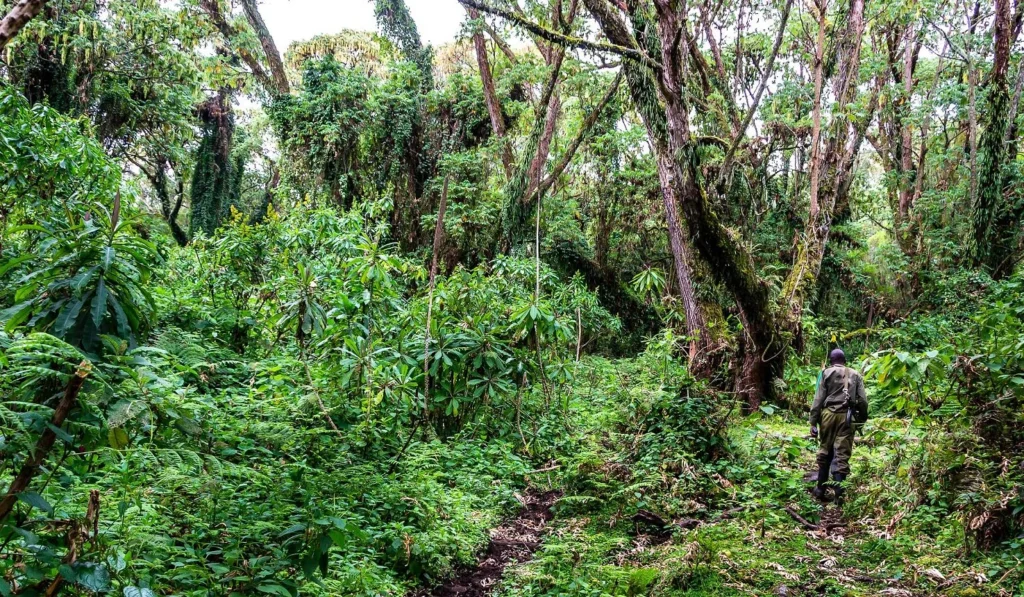

How much time do I need for gorilla tracking in Bwindi Forest?
How long do I need for gorilla tracking in Bwindi Forest?
Gorilla tracking in Bwindi Impenetrable Forest is one of the planet’s most powerful wildlife experiences. The forest holds nearly half of the world’s mountain gorillas, and spending time here is as much about immersion in a living, breathing ecosystem as it is about ticking off a must-do on your travel list. But how many nights are truly needed to make the most of a trip to Bwindi? Deciding on the right length of stay isn’t just about squeezing in a single trek; it’s about understanding the rhythms of the forest, the unpredictability of gorilla movements and the way the best experiences unfold over time.
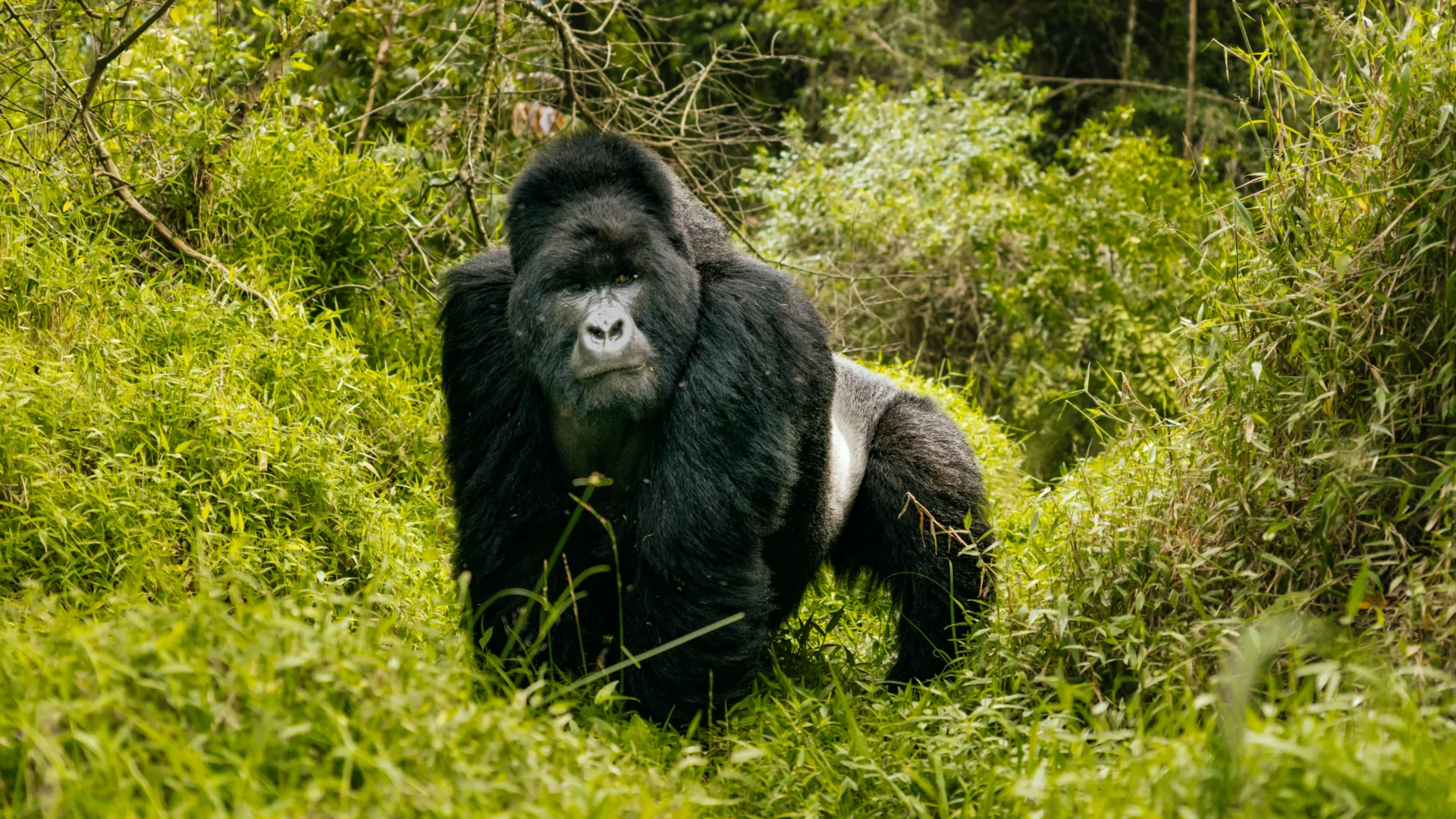
The gorilla trek in Bwindi
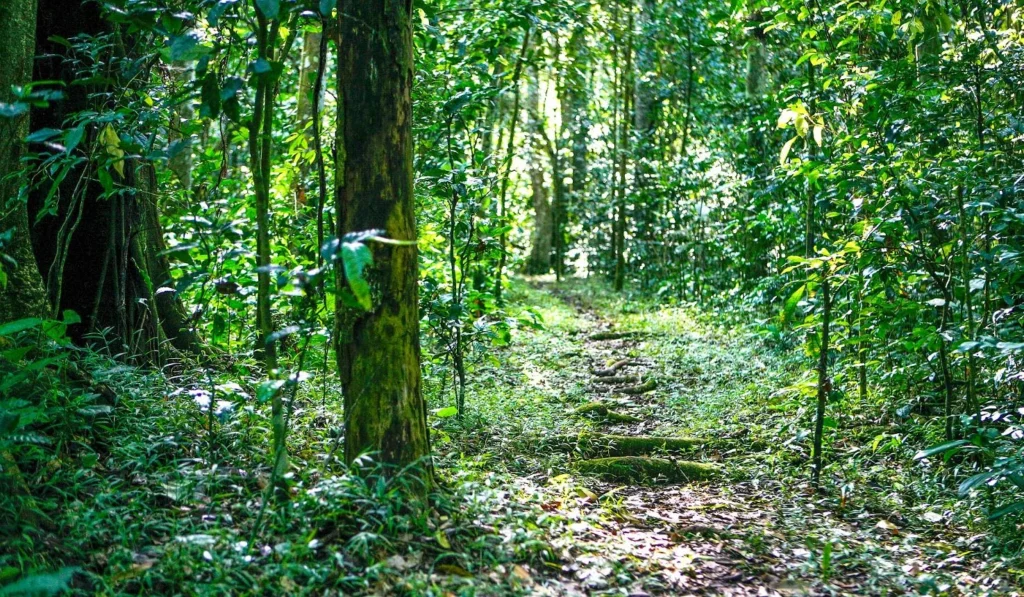
Gorilla trekking in Bwindi is organised by Uganda Wildlife Authority rangers who divide guests into small groups and allocate them to habituated gorilla families spread across the park’s various sectors. Once you arrive at the park headquarters in Buhoma or another sector, you’ll be briefed on what to expect, then set off on your trek, a journey that can take anywhere from around three to seven hours depending on how far the gorillas have moved from their previous night’s location.
The actual time spent with the gorillas themselves is capped at one hour, and that measure exists to reduce stress on the animals and preserve their natural behaviours. However the trek to find them, often wet, muddy and physically demanding, is part of the story. No two days are the same, and that uncertainty is exactly why most travellers choose more than a single night in Bwindi.
What is the minimum amount of time I should spend gorilla tracking?
For travellers pressed for time, a three-night visit is the absolute minimum most operators recommend. A typical short programme sees you arrive on day one, gather permits and information, trek on day two and depart on day three. Gorilla permits in Bwindi are limited, highly sought after, and often secured months in advance, so we strongly recommend booking at least six months, preferably a year in advance, particularly if you’re travelling in the peak months of December–January and July–September.
A three-night stay gives you a good chance to find the gorillas, and for many, this is enough. But in reality, that one encounter, however beautiful, can vary widely in physical challenge and proximity, and missing out on an ideal sighting because the gorillas had moved deeper into the forest early that day is always a possibility
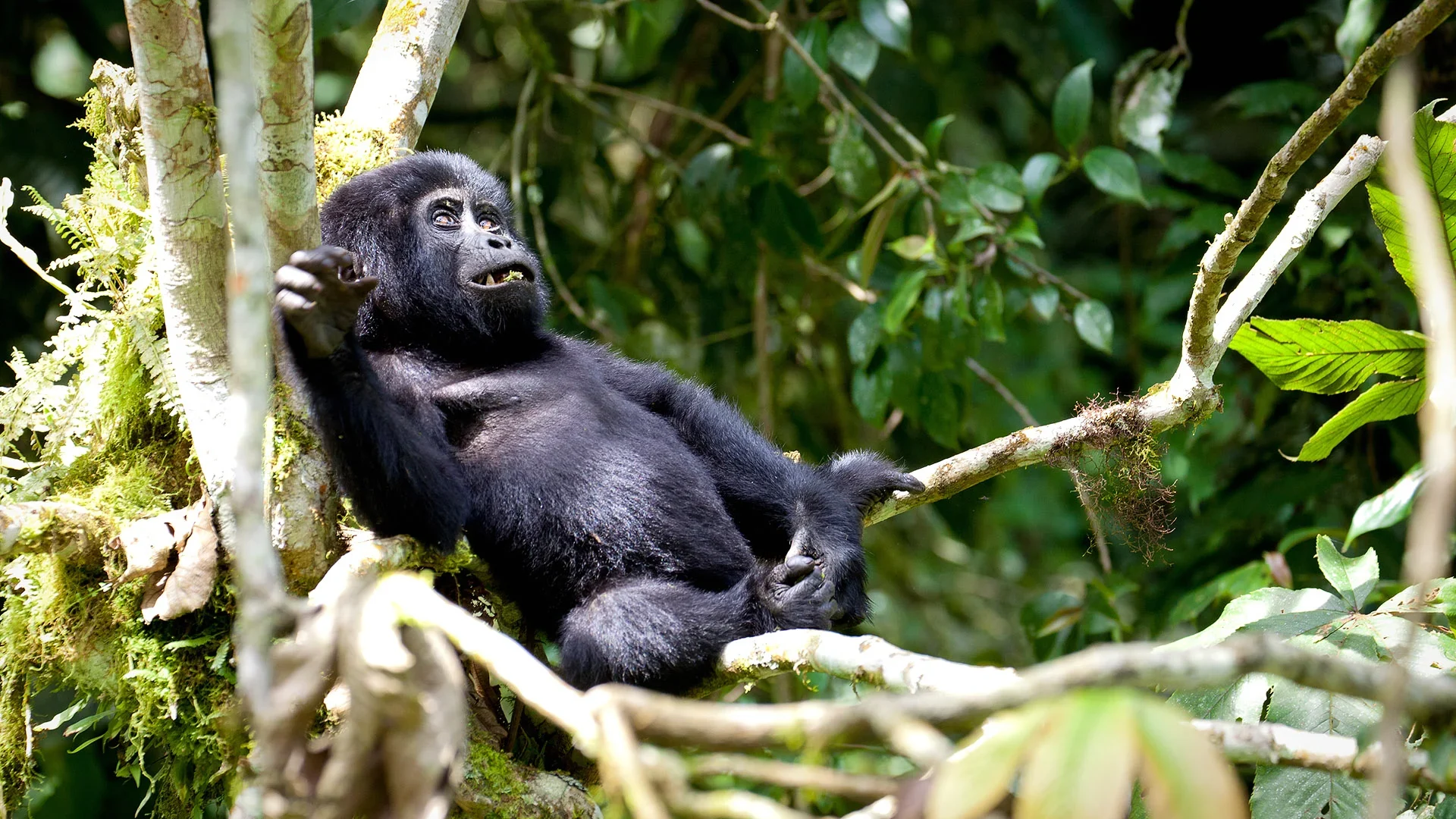
Why two treks is better than one
In our experience, it’s best to incorporate at least two gorilla treks into your stay. Two treks dramatically increase the chances of an intimate, high-quality encounter. A single trek will likely result in a decent sighting, but the likelihood of a prolonged, close and truly memorable encounter sits more comfortably around 60–70% with one trek. Adding a second trek pushes those odds much higher.
Two treks also tend to be quite distinct. Gorilla families occupy large territories that span different parts of the forest. A trek in Buhoma can feel entirely different from one in Nkuringo or Rushaga, not just in landscape and terrain but in the way the family behaves and interacts.
Three or more nights
For many guests, a four to five-night stay in Bwindi strikes the perfect balance. With extra days you have flexibility on permit scheduling, you can hike two separate days without feeling rushed, and you have time to rest between treks and even enjoy other forest activities. Bwindi is rich in birdlife, culture, and community walks through nearby villages, so a longer stay becomes more than just visiting the gorillas; it’s a chance to fully immerse yourself in the forest and its inhabitants.
Should one trek turn out to be unexpectedly strenuous, a buffer day allows you to choose a second attempt when you feel fresh. It also gives your guide the chance to adjust plans if seasonal conditions or gorilla movements dictate.
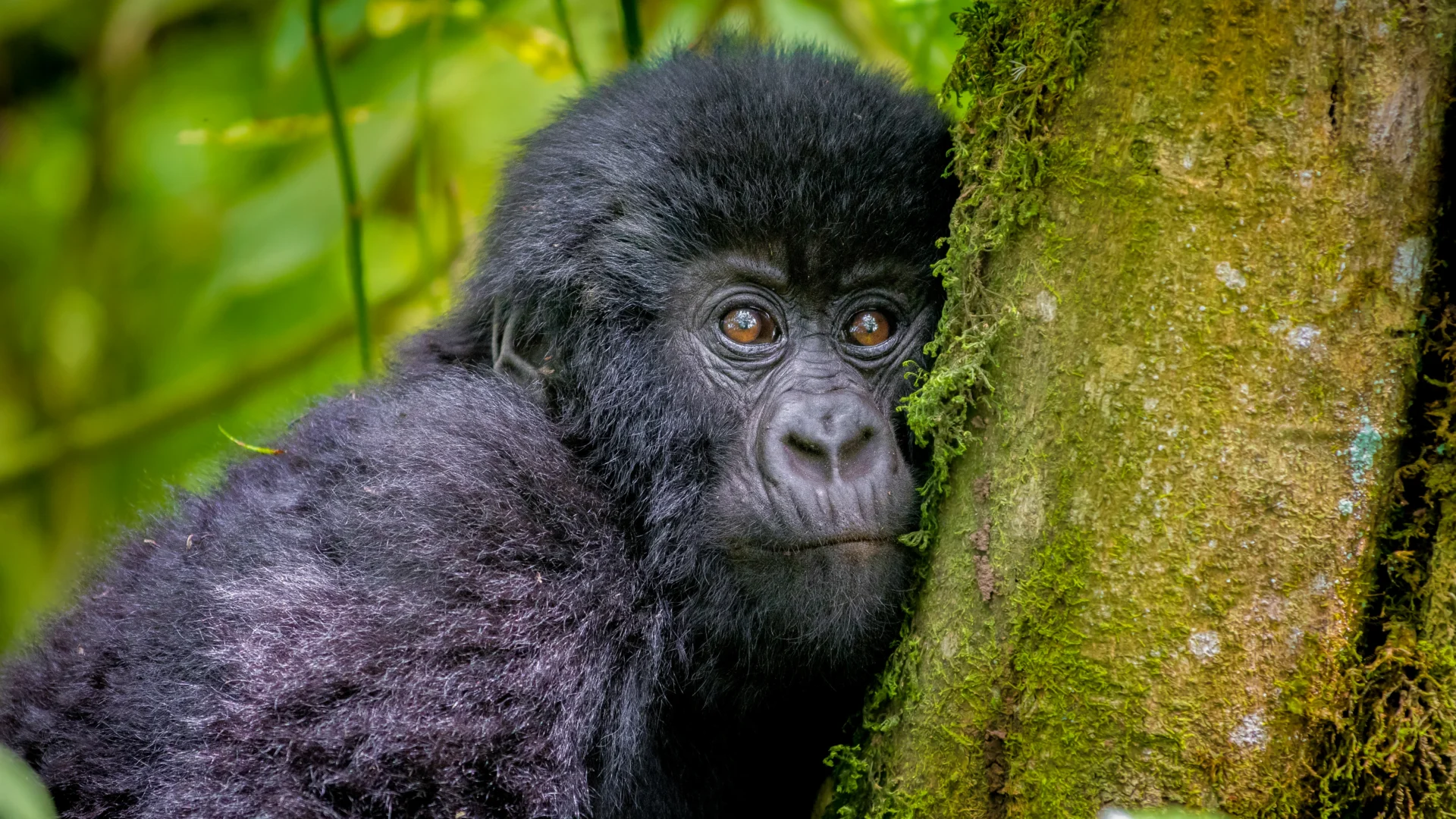
Time and cost
Bwindi’s permits are currently around USD 800 per person for a standard trek, so you need to consider that when planning for multiple treks. We argue that deciding how many nights to stay is also a question of how much you want to lean into that experience. Staying longer isn’t just about increasing odds; it’s about choosing how deep an encounter you want, and how much physical challenge you’re willing to embrace.
Why time matters
Gorillas are wild, fluid in their movements and entirely unpredictable. No guide can say where a family will sleep, feed or travel on any given morning before the trackers arrive, and that element of chance is part of Bwindi’s essence. Spending more time here gives you a chance to see gorillas in different moods and settings, feeding in clearings, interacting with infants, resting under canopy shade and moving through the forest.
From a conservation perspective, more time also means a deeper appreciation of Bwindi as a whole and a chance to better understand its ecology, the forest communities and the conservation challenges that make each trek possible.
There’s no single perfect number of nights that fits every traveller, but there are right answers for most trip styles. If you want a guaranteed deep encounter with gorillas that feels less rushed, allow time for two or more treks and let the forest reveal itself at its own pace.
Further Reading
- Bwindi Forest
- What is gorilla tracking in Bwindi Forest
- Where to go gorilla tracking in Bwindi Forest
- When is the best time to go gorilla tracking in Bwindi Forest
- How much does it cost to track gorillas in Bwindi Forest
- Where to stay when tracking gorillas in Bwindi Forest
- What practicalities should I consider when tracking gorillas in Bwindi Forest
- Why are gorillas in Bwindi Forest endangered and what is being done to protect them
Extraordinary tailor-made adventures,
from earthy and edgy to easy and extravagant
From around USD 2500 per person, you set the ceiling
Sample Trips
Here are some of our popular trip shapes

Get started on your trip
It’s never too soon to get in touch, we are here to help with every stage of your planning.
Best Lodges
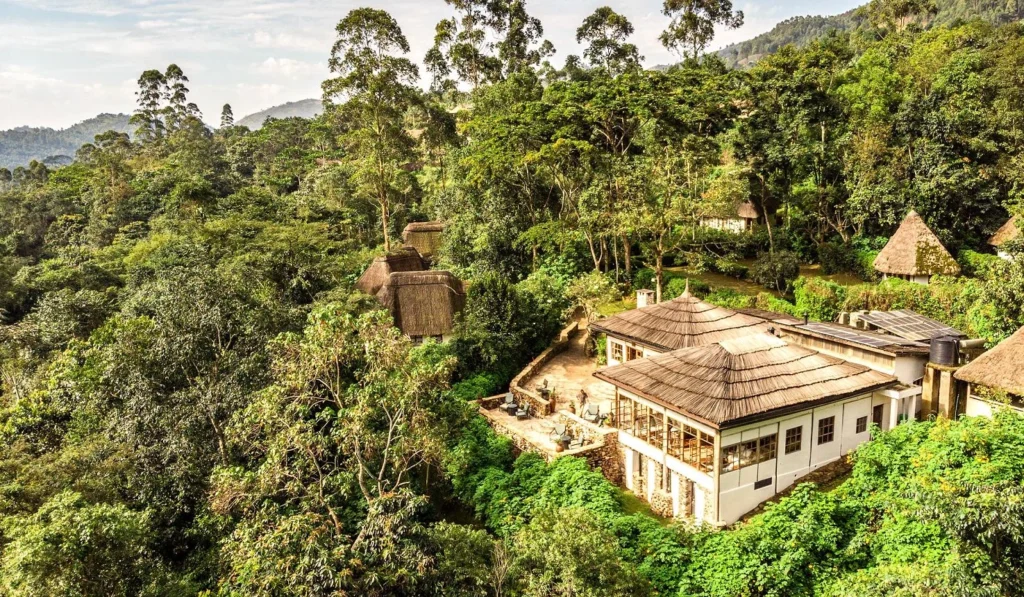
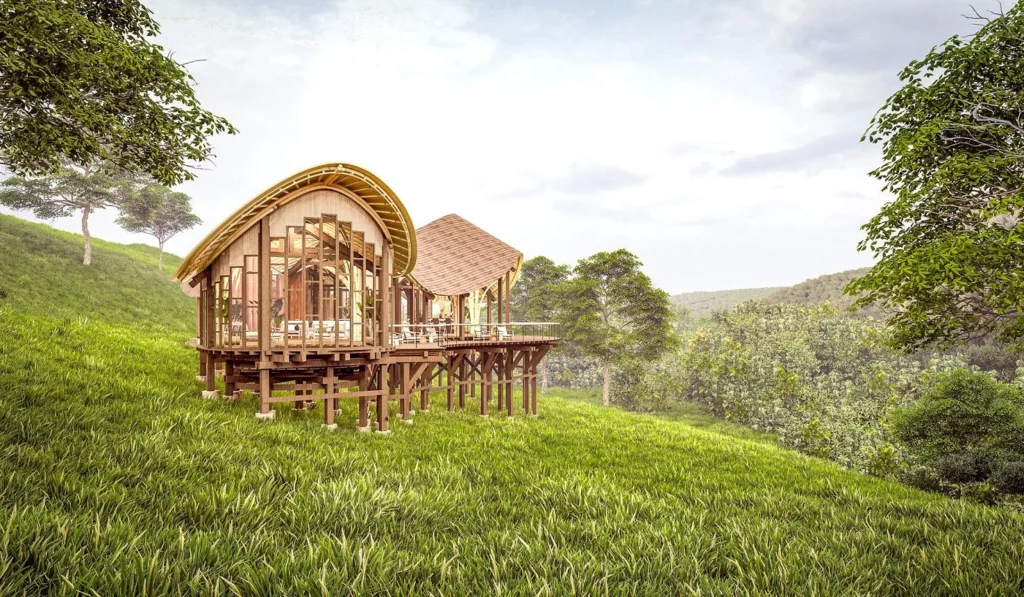
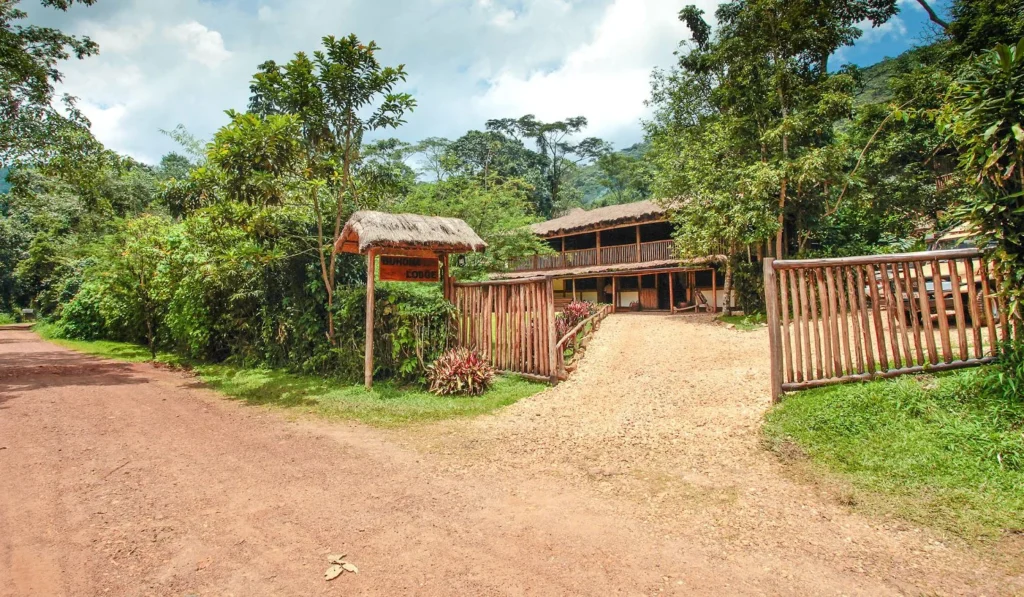
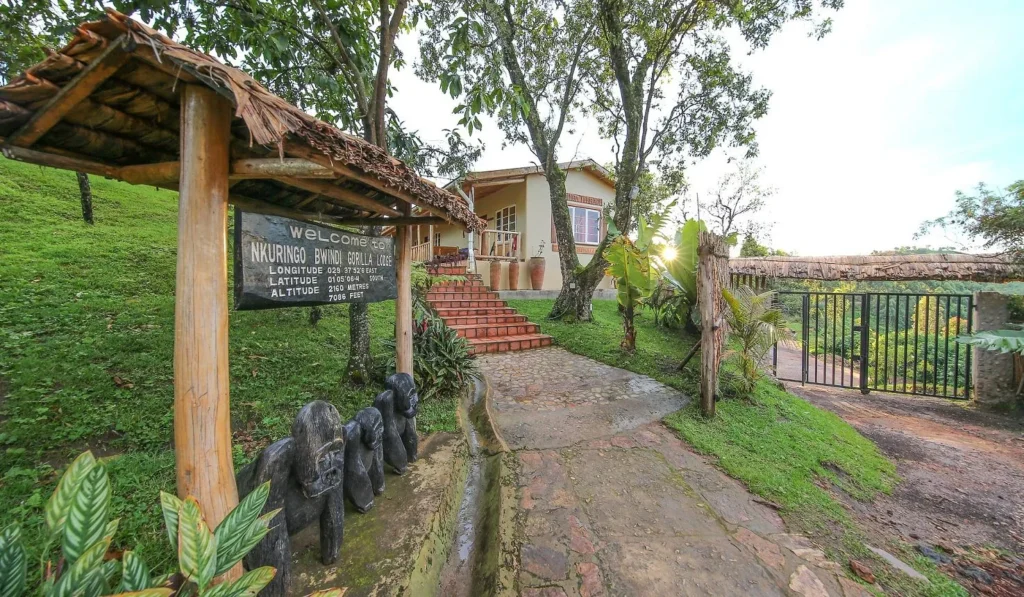
We regularly inspect and photograph all of the the best lodges, to ensure that we always recommend the most suitable options
Key Locations
Take a look around related locations. Click ‘View more’ to explore locations further afield.