
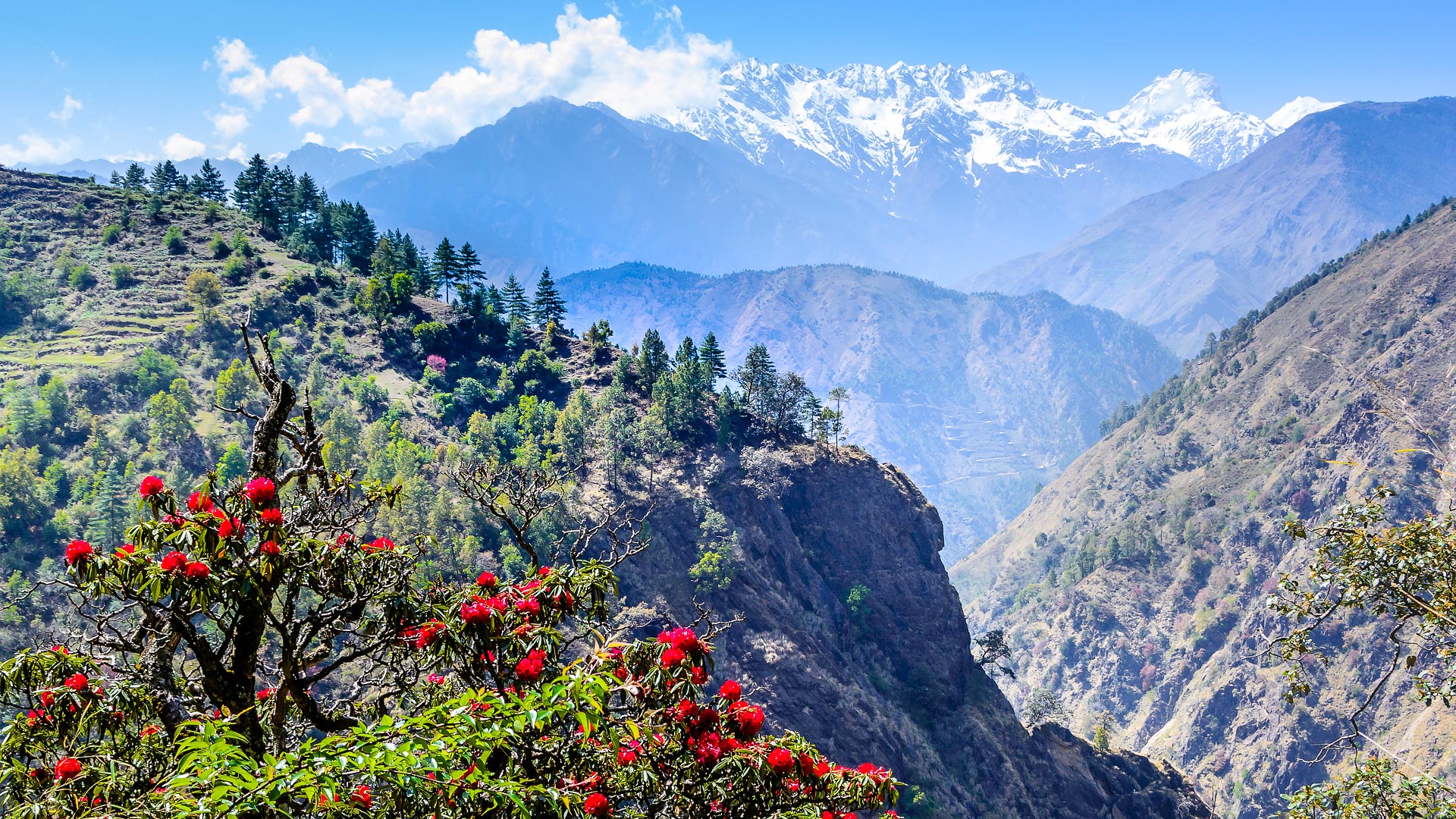
Trekking in Langtang
Langtang
a peaceful trekking area
in the east of Nepal
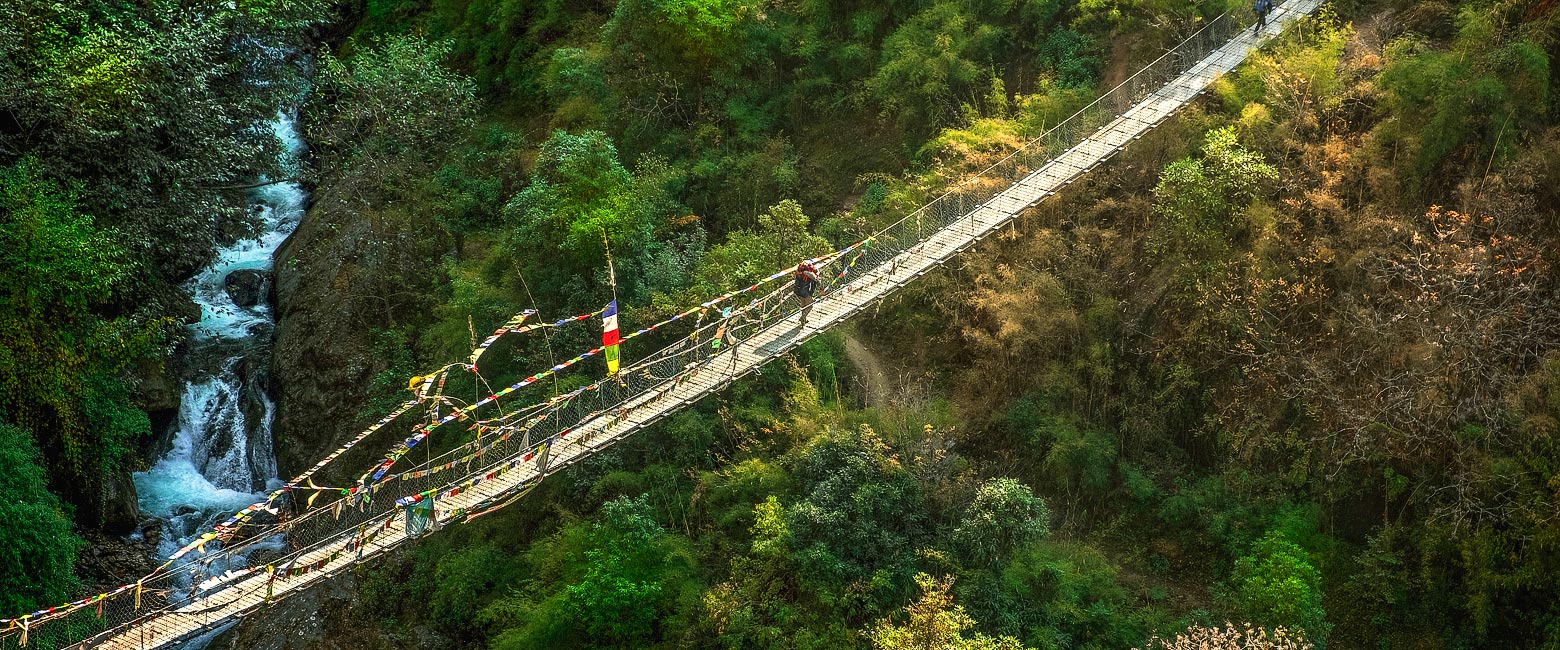
a much more pristine wilderness experience
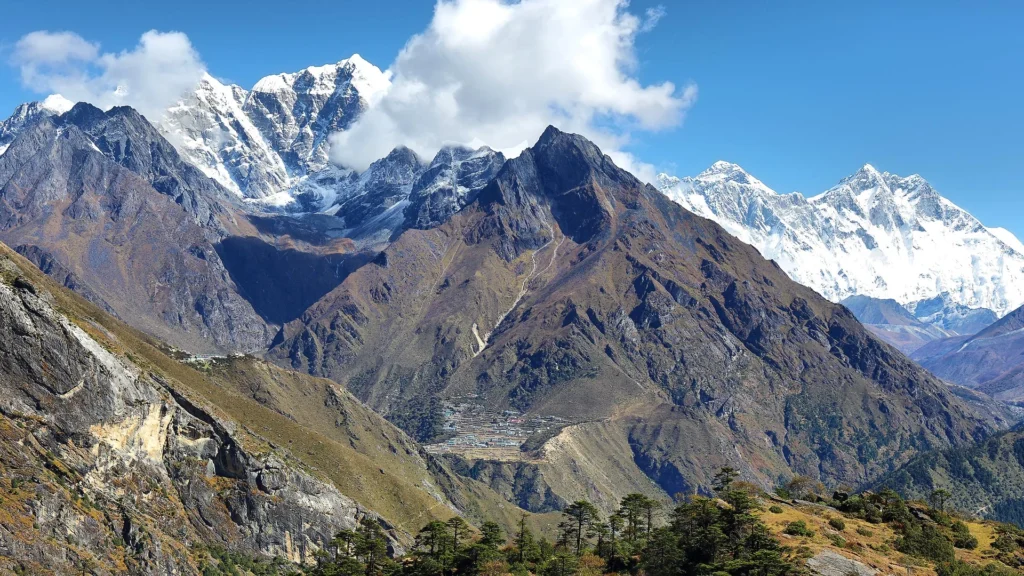
The Langtang Range is a section of the Himalayas in northcentral Nepal.
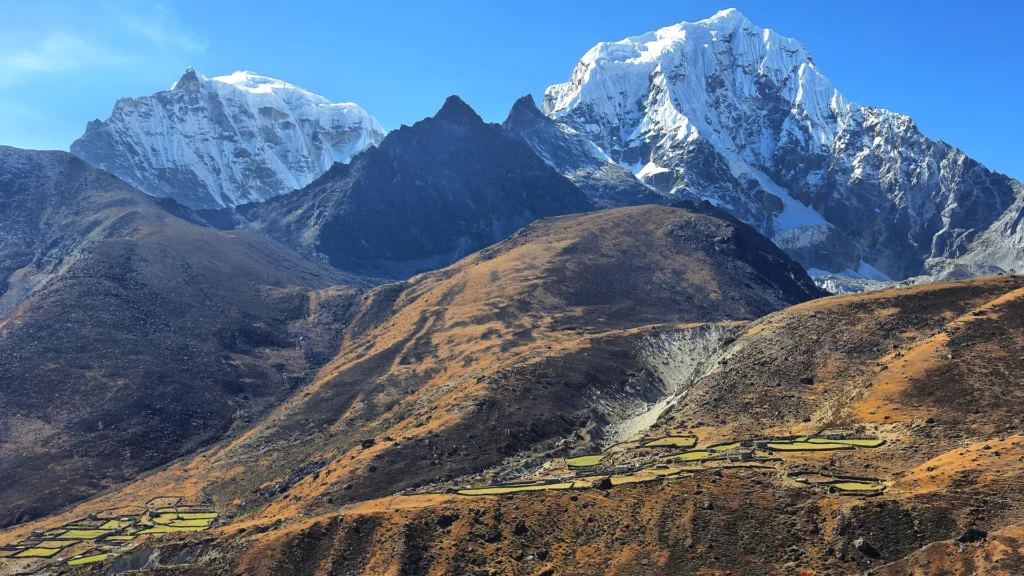
This lesser known group of mountains, unlike the more famous Annapurna and Everest ranges, does not contain any peaks over 8000 metres, with the two highest summits being Langtang Lirung (7234m / 23734’) and Langtang Ri (7205m / 23638’).
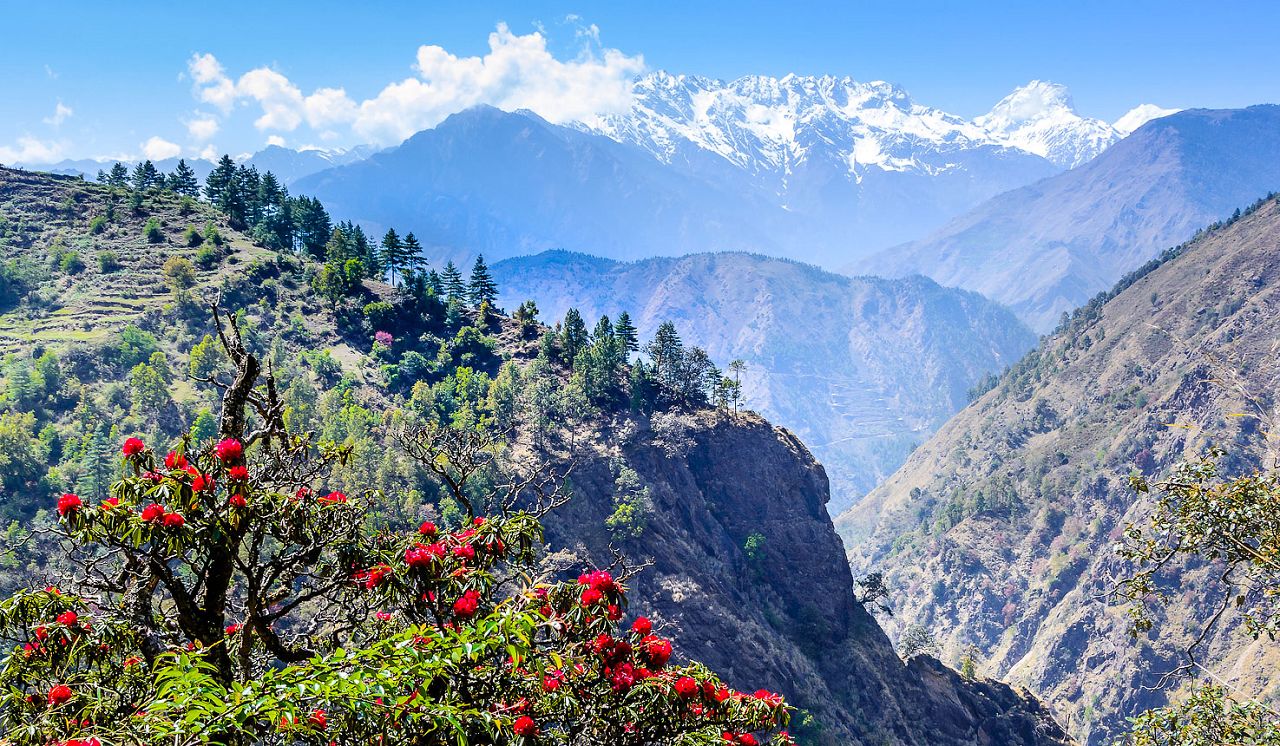
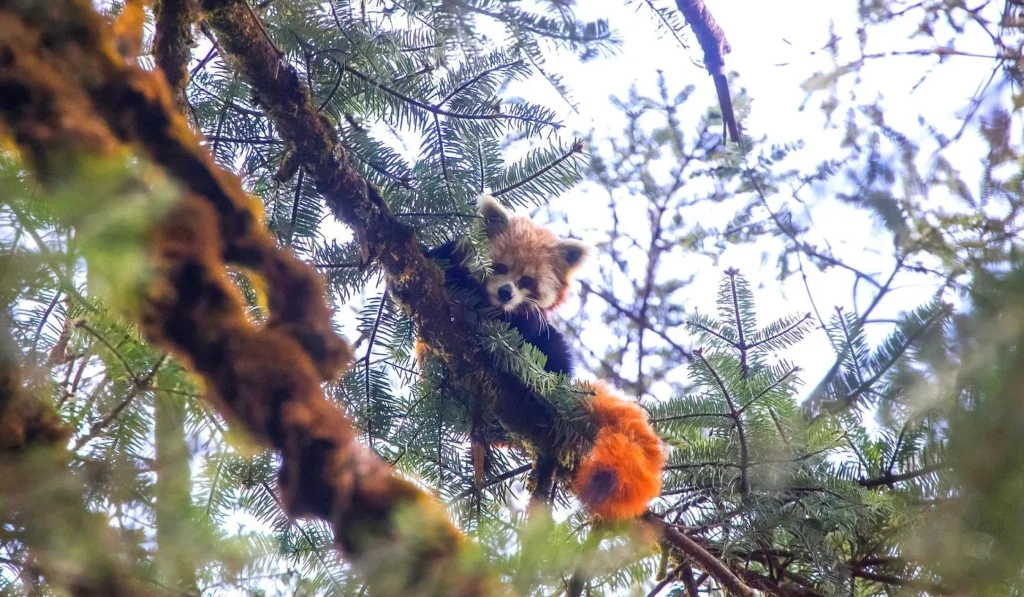
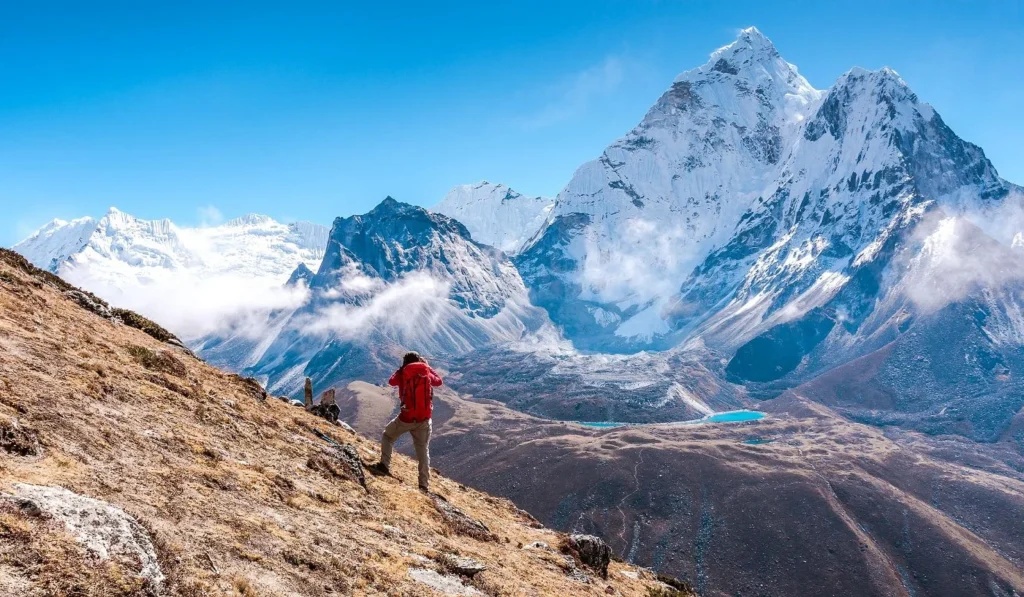
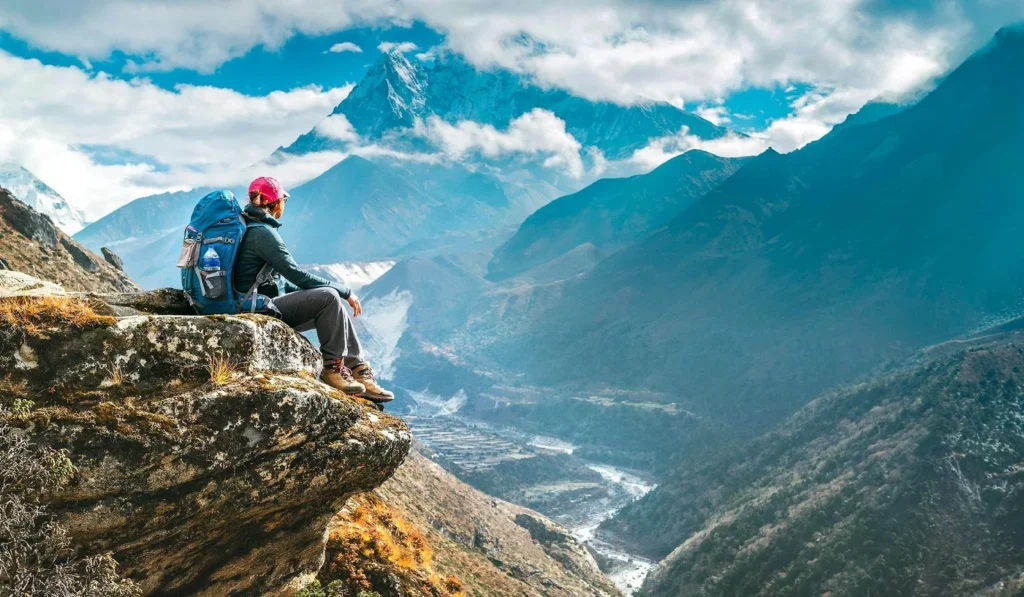
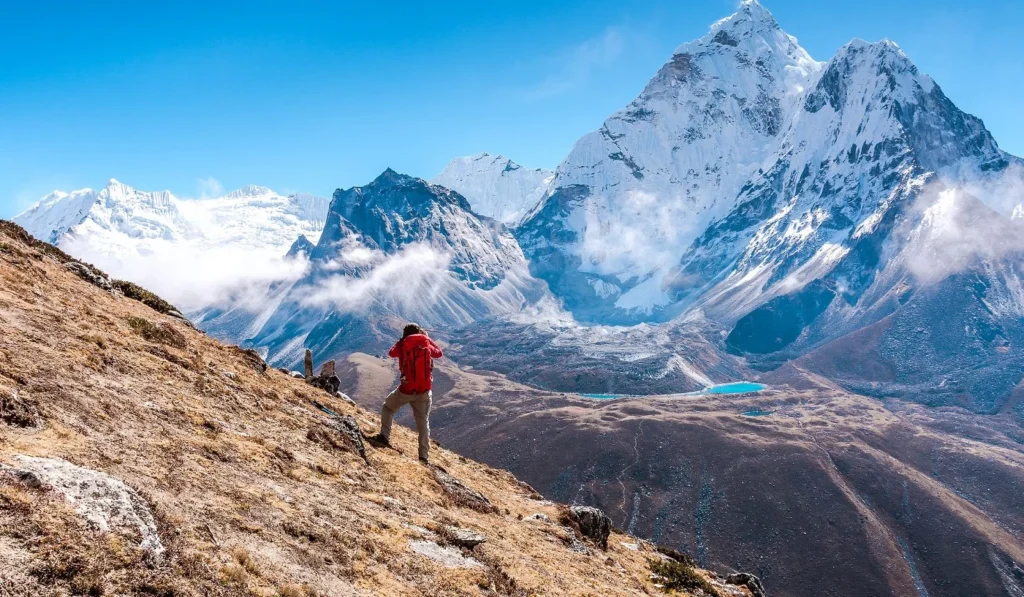
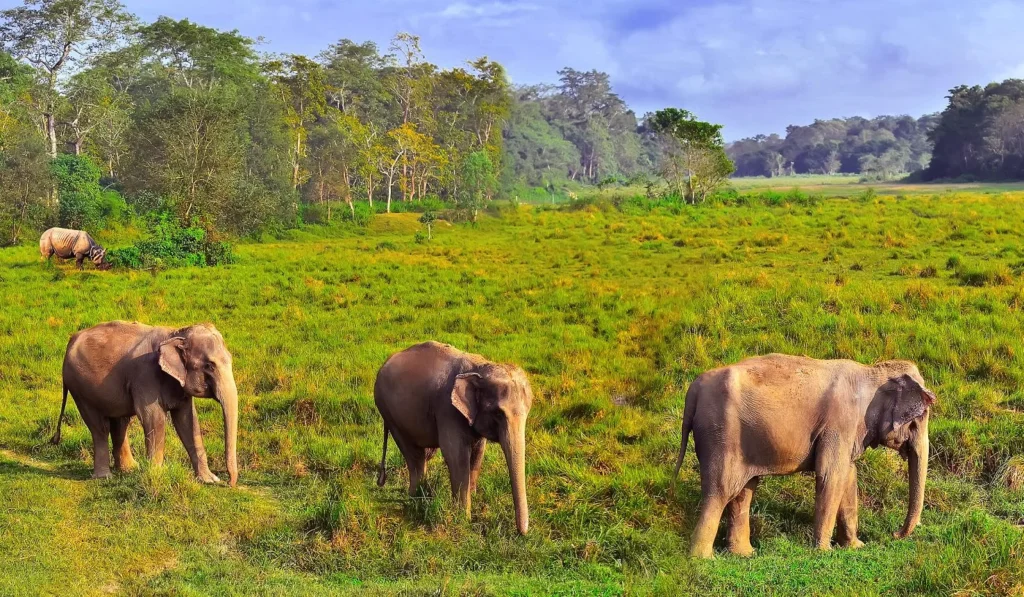
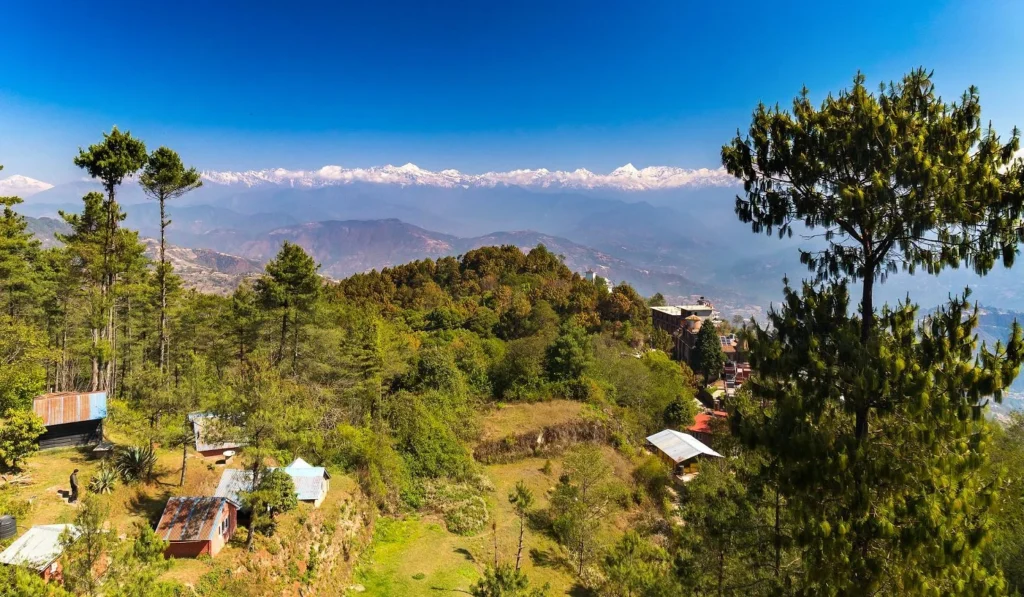
Nevertheless the landscapes here are utterly beautiful, with a large national park containing impressive high mountain scenery and gorgeous lower valleys, which include some extensive oak, maple and rhododendron forests, home to rare red pandas, Himalayan black bears and Himalayan tahrs (wild goats).
This area is also particularly renowned for yeti sightings.
A particular highlight is the spectacular Lake Gosaikunda, which is sacred to the Hindu people and which is reached via a famously scenic ridge trek from the remote settlement of Sing Gompa.
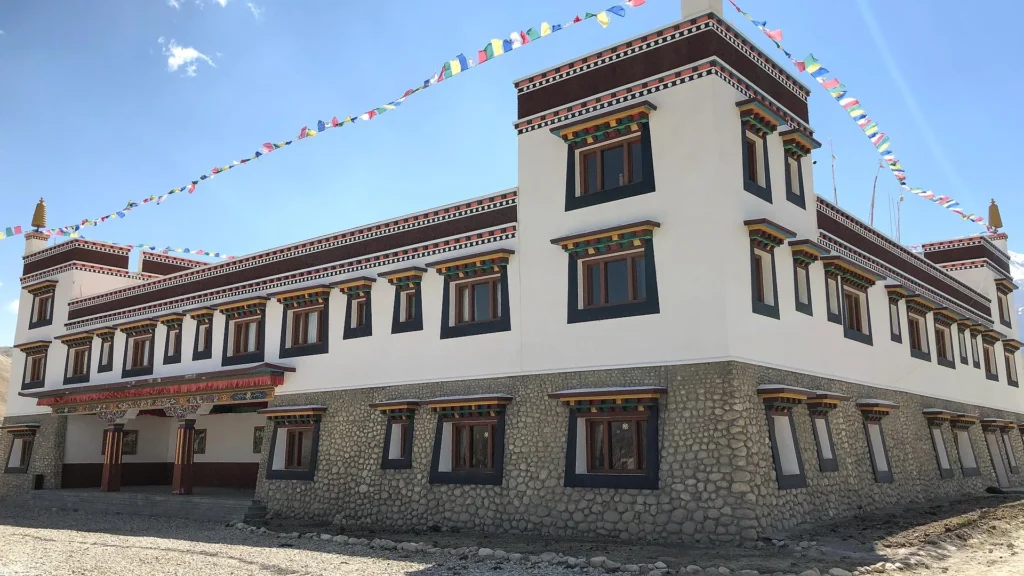
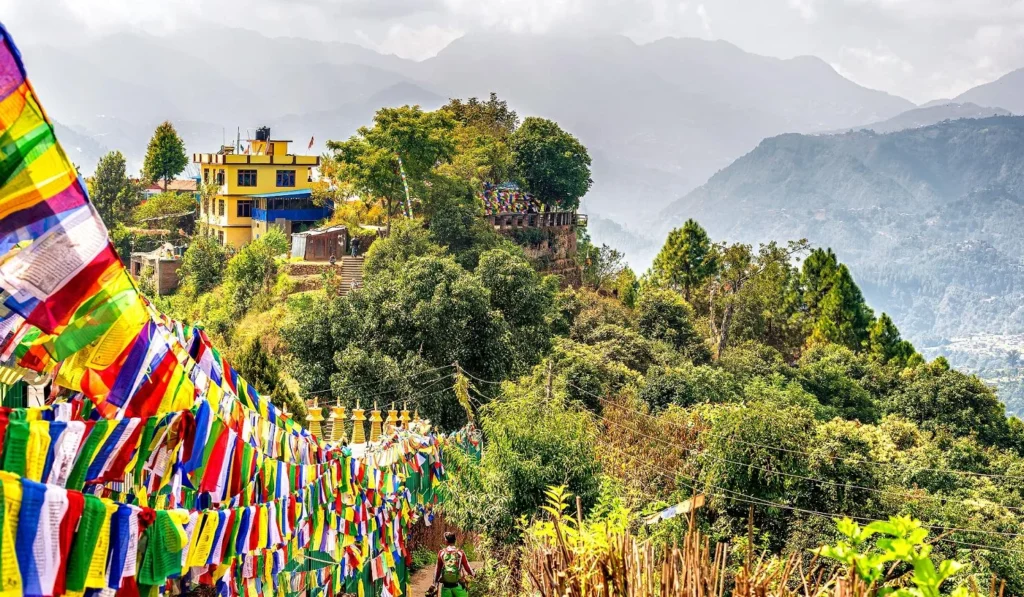
Another key location is the remote Buddhist monastery Kyanjin Gompa.
Around 4500 people live in small mountain villages within the national park, most of which are of Tamang origin (in contrast to the Sherpas of Everest and the Gurkhas of Annapurna.
Although trekking in this region is generally safe, we should mention that the village of Langtang itself was destroyed by a major avalanche in April 2015, with the estimated 310 fatalities including around 80 foreign trekkers.
As an area for trekking, Langtang lies a long way behind Annapurna and Everest in terms of popularity. The main reason is simply that it’s lesser known. Arguably the high mountain scenery is not quite as powerful as those more elevated ranges, but the place remains spectacularly beautiful.
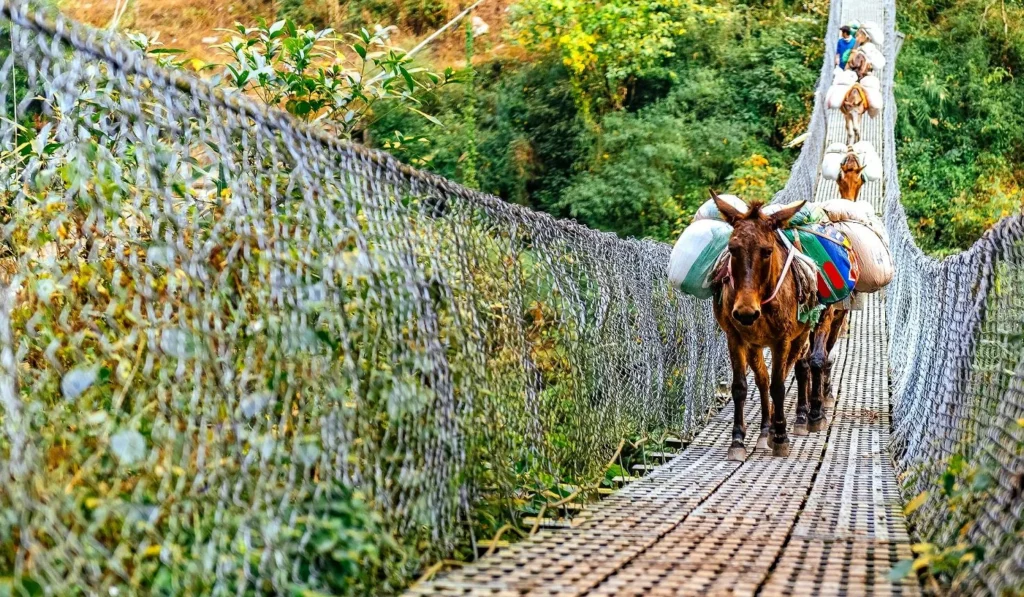
The much lower trekker numbers mean that the trails are more intimate, the villages much smaller and more authentic. This area isn’t exactly untouched, but it is a lot less commercial, especially compared with the main valley up to Everest Base Camp.
As a result, Langtang tends to appeal to returning visitors who have previously trekked the more famous areas or to travellers for whom getting off-the-beaten-track is a high priority.
/


Gallery
Map
The best time of year to go trekking in Nepal are the warmer seasons either side of the main monsoon, so Mar-May and October.
Whilst it’s true that the trekker traffic is naturally higher during these periods, the consequences of travelling at other times can be pretty serious. So if you want a more peaceful time, then it’s usually best to travel at the right time of year but head for a less busy route.
October
This period represents arguably the best time to be trekking in Nepal. Some operators suggest that the season starts mid-September and runs on to the end of November, but there are chances of very high rainfall earlier on and very low temperatures later.
October is the transition period between the end of the monsoon rains and the start of the cool dry season.
During October the daytime temperatures usually rise to around 26C/79F, whilst the nighttime low temperatures hold up around 13C/55F. However the rainfall is much lower, dropping to around 50mm (2”) per month. Sunshine is around 8 hours per day (around 75% of daylight hours), meaning that skies are usually clear.
After the rains the air tends to be clear and the visibility for mountain panoramas is at its best.
Nov-Feb
Nov-Feb is the main cool dry season.
During Nov-Feb the daytime temperatures usually rise to around 25C/77F, whilst the nighttime low temperatures plunge to around 6C/43F. There should be very little rainfall. Sunshine is around 8 hours per day (around 80% of daylight hours), meaning that skies are usually clear.
At higher altitudes the temperatures can get a great deal colder and occasional snowfalls can cause various high passes to become impassable. Although conditions can be pretty adverse, on balance we would much rather be trekking during this season than during the monsoon months.
Mar-Apr
This period represents a good time to be trekking in Nepal. Some operators suggest that the season runs into May, but we feel rather uncomfortable about the increased chances of serious rainfall and the accompanying risks of landslides.
Mar-Apr is the warm season, with rainfall slowly increasing in advance of the main monsoon.
During Mar-Apr the daytime temperatures can climb to around 28C/82F, whilst the nighttime low temperatures hold up around 12C/54F. Rainfall usually increases slightly, from almost nothing in March to around 50mm (2”) in April. Sunshine is around 8 hours per day (around 60% of daylight hours), indicating that showers tend to be occasional, set against a usually clear sky.
Although there can, on occasion, be serious occasional showers and periods of persistent drizzle, this really is one of the best times to be out in the mountains. Of course the surrounding mountain peaks are resplendent in their full covering of winter snow.
Into March and spring welcomes a blooming of flowers across the hillsides and hedgerows, as well as bringing some wonderful colour to the rhododendron forests. However, with dust rising from the plains of India, the visibility reduces and mountain panoramas can become far less crisp for photography.
May
May is the transition month ahead of the main monsoon rains, often with considerable rainfall.
During May the daytime temperatures can climb to around 28C/82F, whilst the nighttime low temperatures remain up around 16C/61F. Rainfall climbs to around 125mm (5”) over the course of the month. Sunshine is around 7 hours per day (around 60% of daylight hours), meaning that skies are often overcast as the monsoon clouds gather.
With the much higher temperatures, even at higher altitudes the precipitation is more likely to be rain rather than snow. In all honesty the chances of persistent rain are probably too high and the chances of a trek becoming miserable are quite high. Unless you particularly enjoy rain. An umbrella is definitely recommended.
Treks which head around the north side of the mountains (such as the Annapurna Circuit) tend to get much less rain, so would likely be the best choice at this time.
Jun-Sep
Jun-Sep is the main monsoon season and is generally considered to be the least favourable time to visit.
During Jun-Sep the daytime temperatures drop off slightly to around 28C/82F, whilst the nighttime low temperatures remain up at an uncomfortable 20C/68F. Rainfall climbs to an extremely high 350mm (14”) per month. Sunshine drops to around 4 hours per day (around 35% of daylight hours), meaning that skies are very often heavily overcast.
As if the constant threat of heavy rain was not enough, in more forested sections you may encounter leeches, as well as an increased potential for severe and dangerous landslides.
Getting there
The Langtang Range is accessed from the city of Kathmandu, which lies only 60km (36 miles) to the south as the crow flies.
However, the roads heading out here are pretty tortuous and the drive from Kathmandu to the start location at Syabrubesi typically takes 7-8hrs.
The return journey from Melamchi to Kathmandu is more like 4-5 hours.
Where to stay
We presently only offer one trek in this Langtang area, an eleven night version which starts to the southwest and first heads up to the remote monastery up at Kyanjin Gompa, then back-tracks to hit the ridge walk out to Lake Gosaikunda, before traversing some remote valleys to exit to the southeast
very low trekker traffic is a major positive
let us know your thoughts about Nepal
and we will help you create the perfect trip
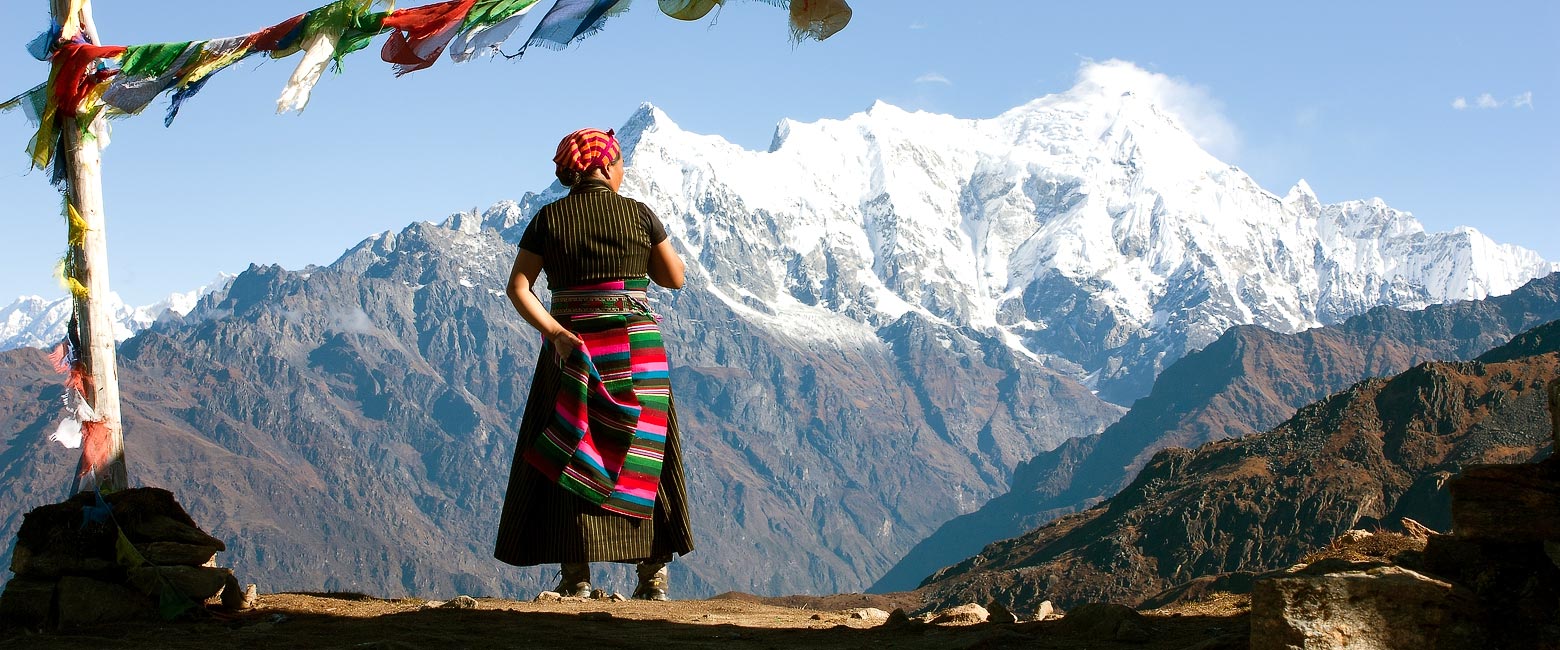
Extraordinary tailor-made adventures,
from earthy and edgy to easy and extravagant
From around USD 2500 per person, you set the ceiling
Sample Trips
Here are some of our popular trip shapes


Get started on your trip
It’s never too soon to get in touch, we are here to help with every stage of your planning.
Best Lodges
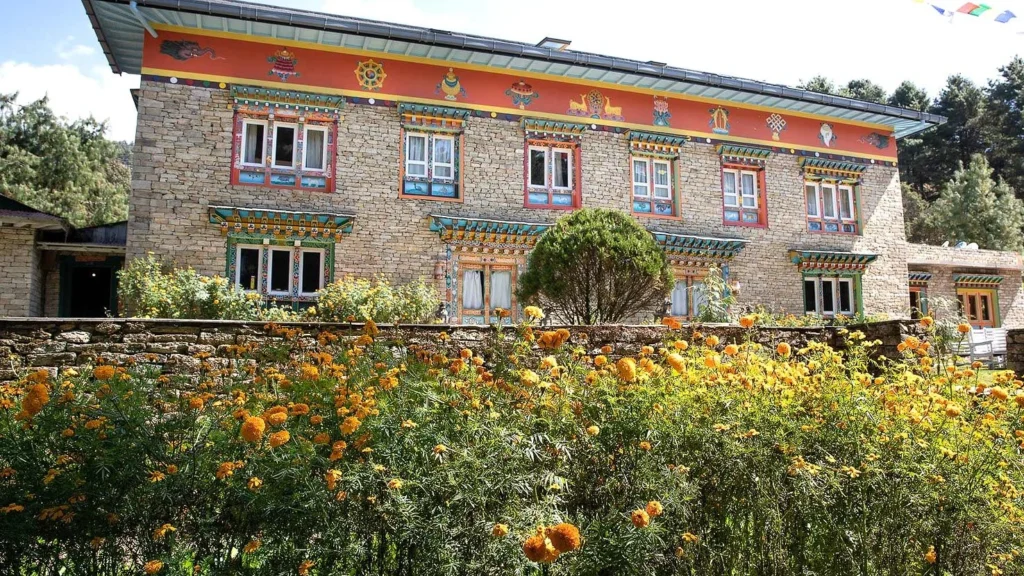
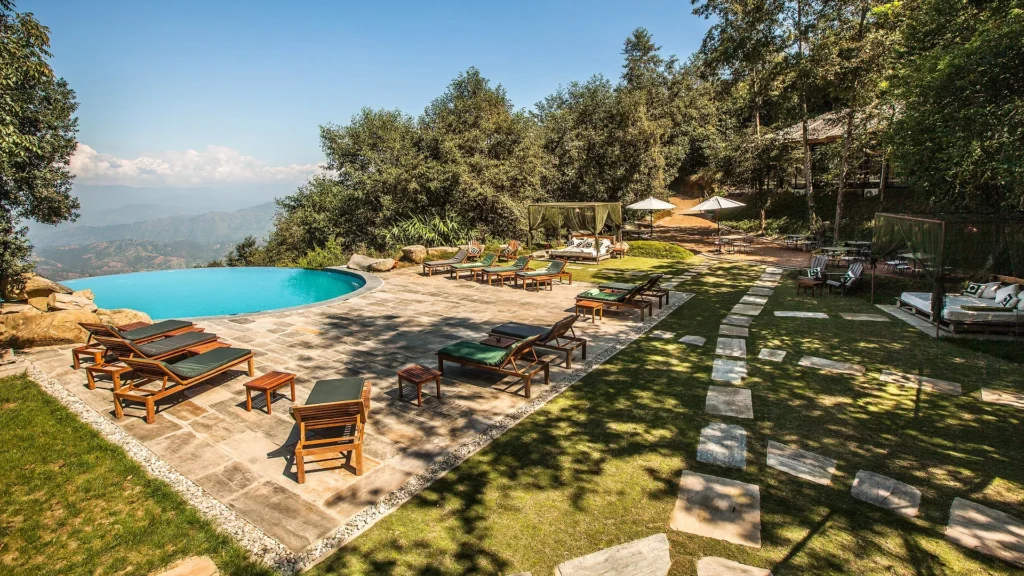
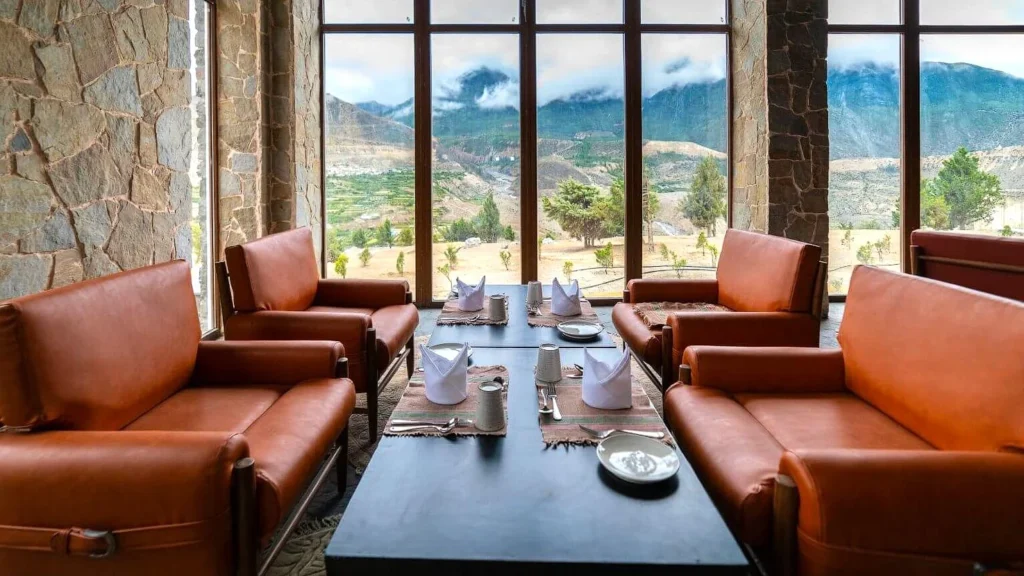
We regularly inspect and photograph all of the the best lodges, to ensure that we always recommend the most suitable options
Key Locations
Take a look around related locations. Click ‘View more’ to explore locations further afield.
Where Next?
Where Next?
We offer trips to dozens of fabulous countries.
Might one of these might be your next great adventure?

Get started on your trip
It’s never too soon to get in touch, we are here to help
with every stage of your planning.
ATR Safari
© 2026

Please rotate your screen.