
Safari to Isla Espanola
Isla Espanola
is a lovely remote island
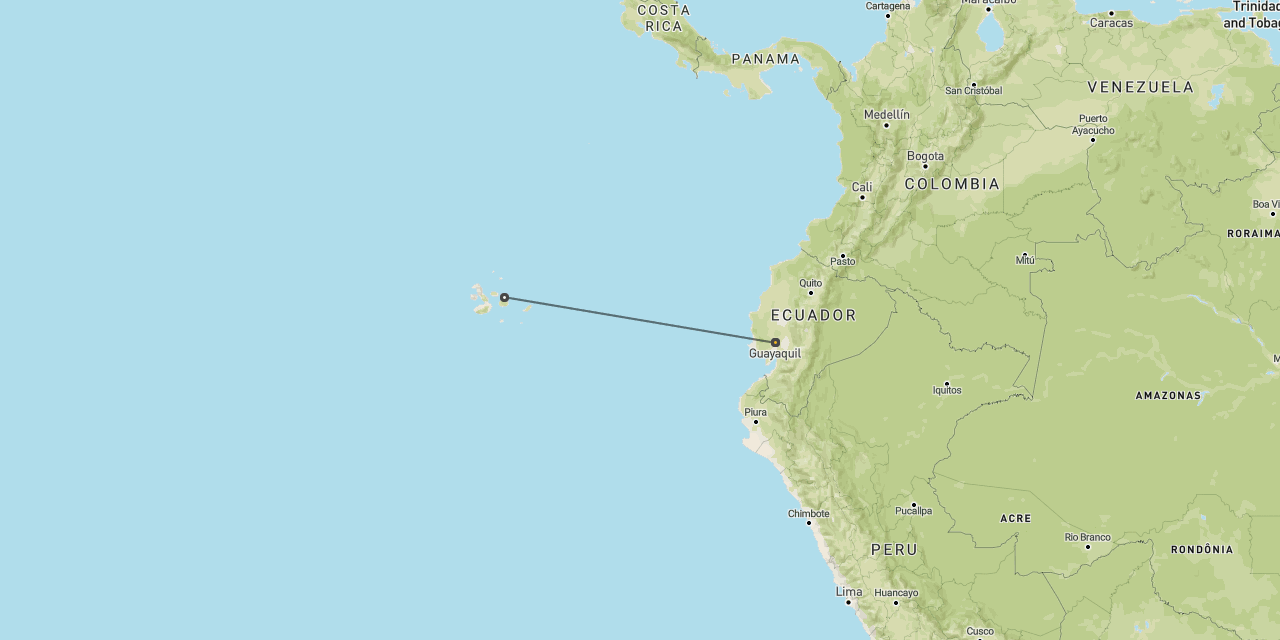
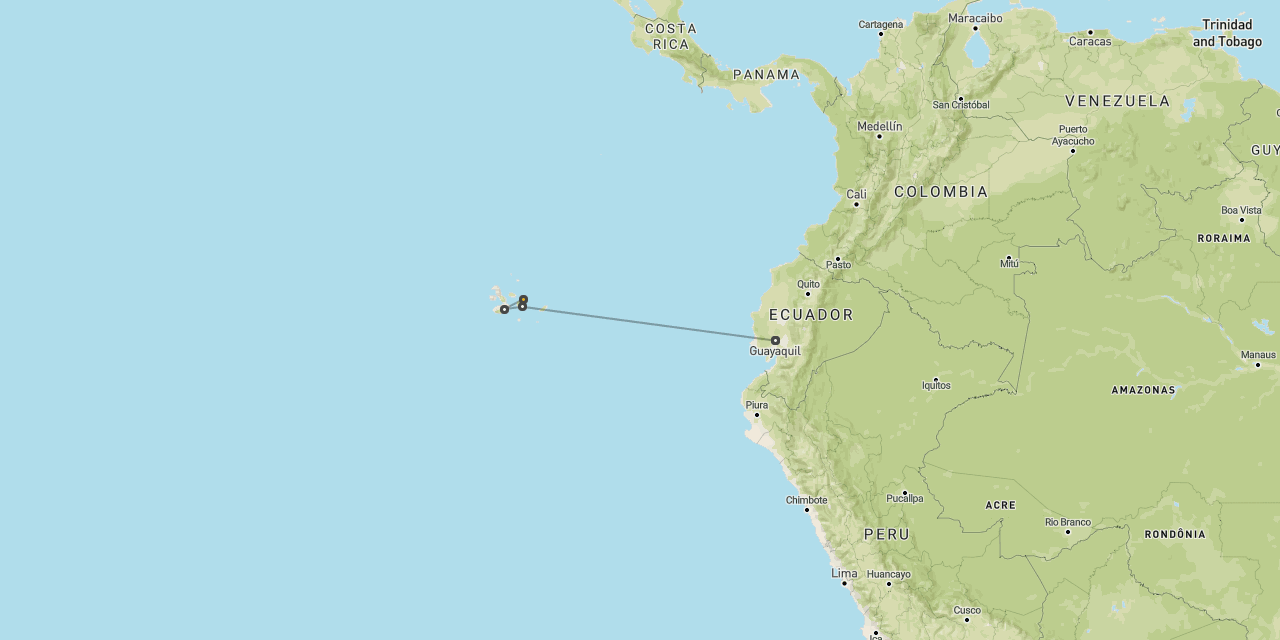
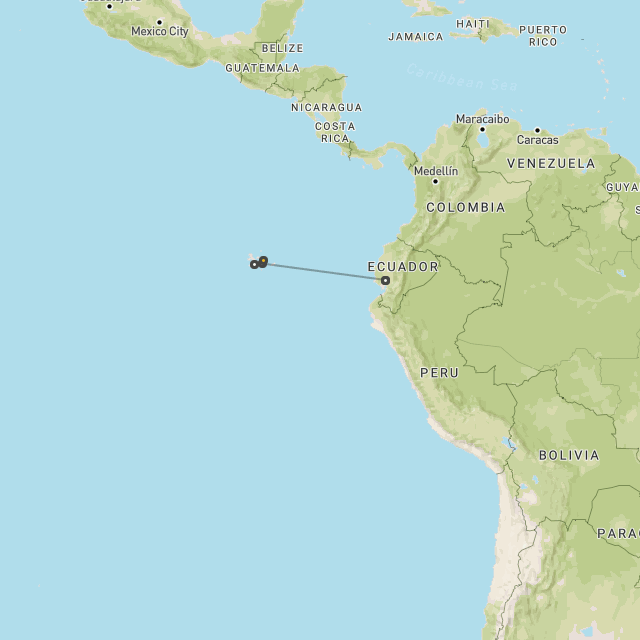
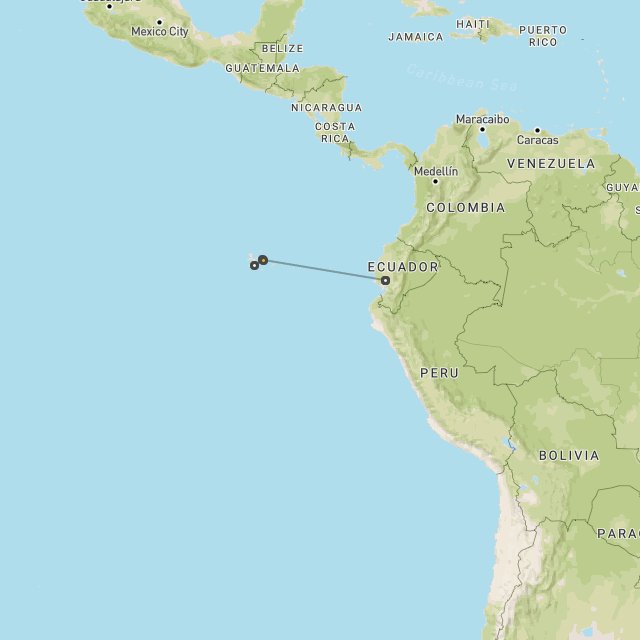
in the southeast Galapagos
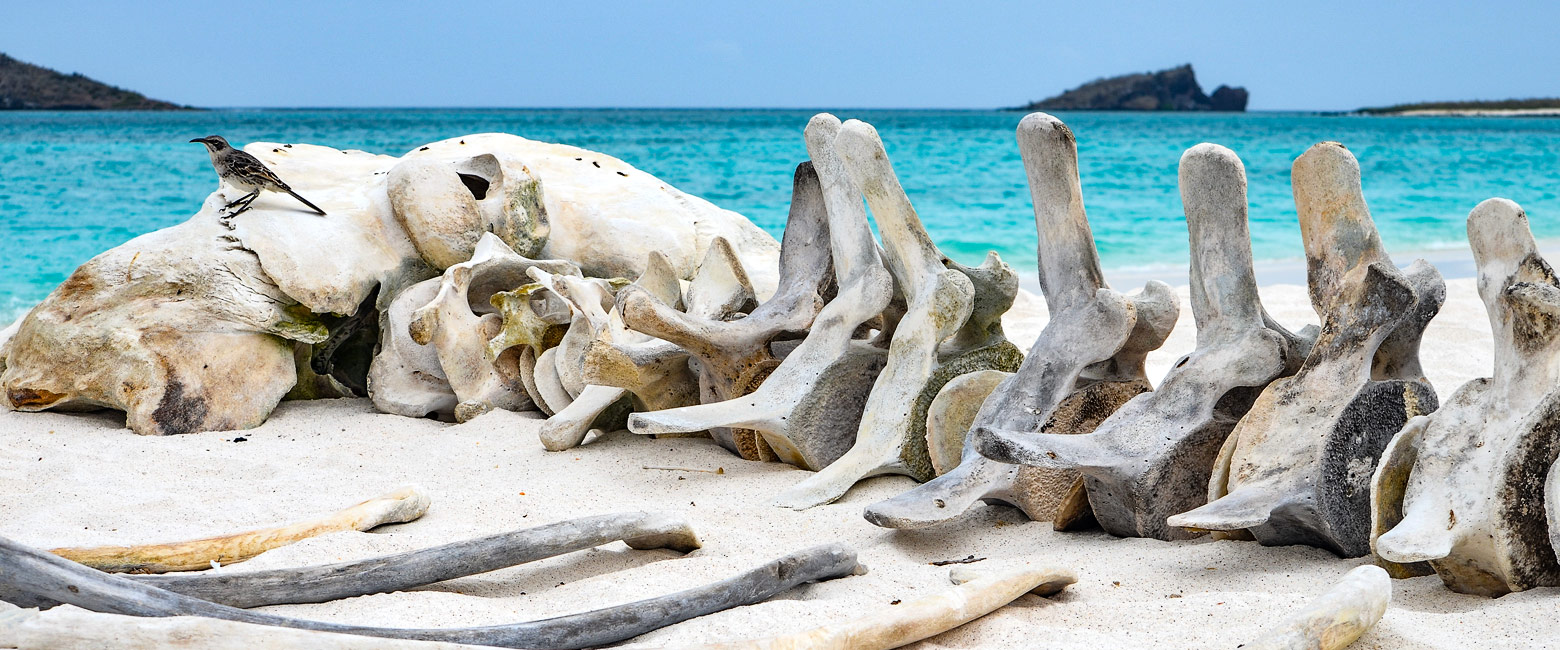
the island was completely rehabilitated in the 1970s
Remotely located to the southeast, Isla Española was one of the first islands in the group to be formed, with lava fields dating to around 3.5 millions old.
Area : 60 sq km / 23 sq mi
Location : 100 km southeast of Seymour Airport
The island was named after the country of Spain. It was previously known as Hood Island (after British naval commander Viscount Samuel Hood).
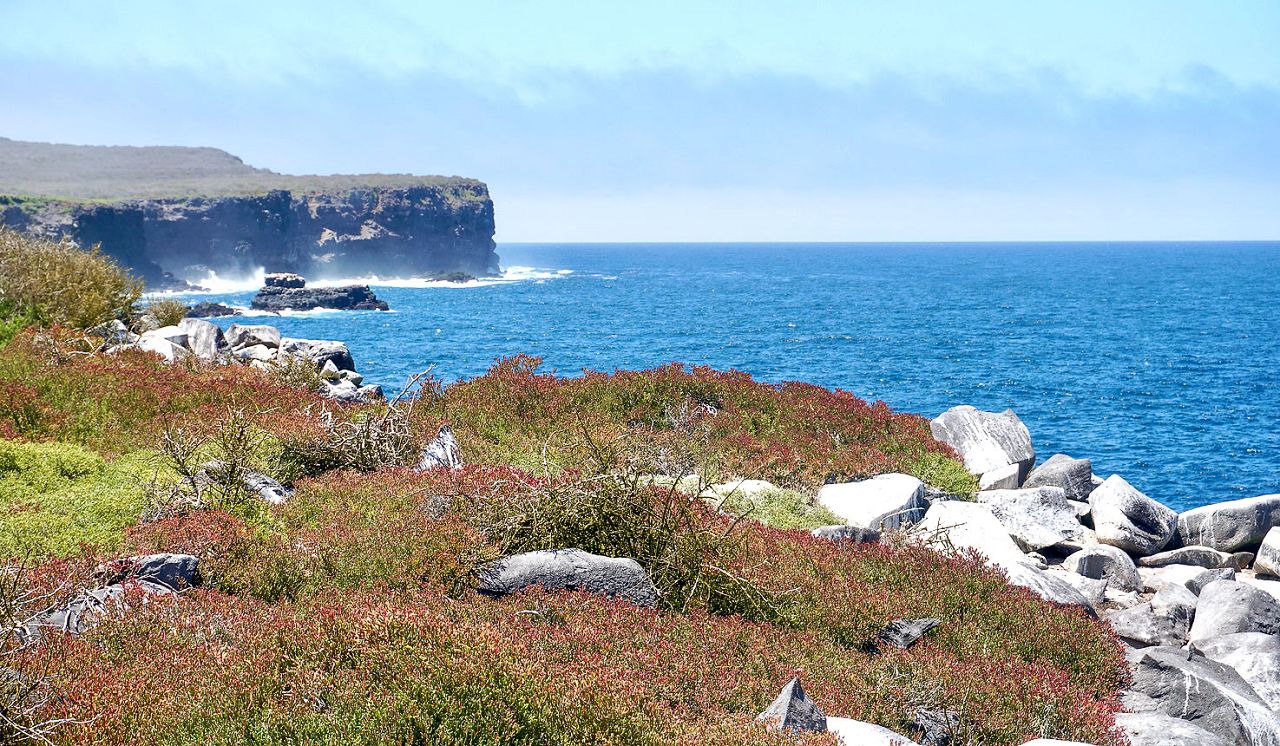
The island is relatively low-lying, with a maximum altitude of 206m (676’), which means that it is unable to generate a sufficient microclimate to create cloud cover and rainfall, making it an arid and relatively barren place.
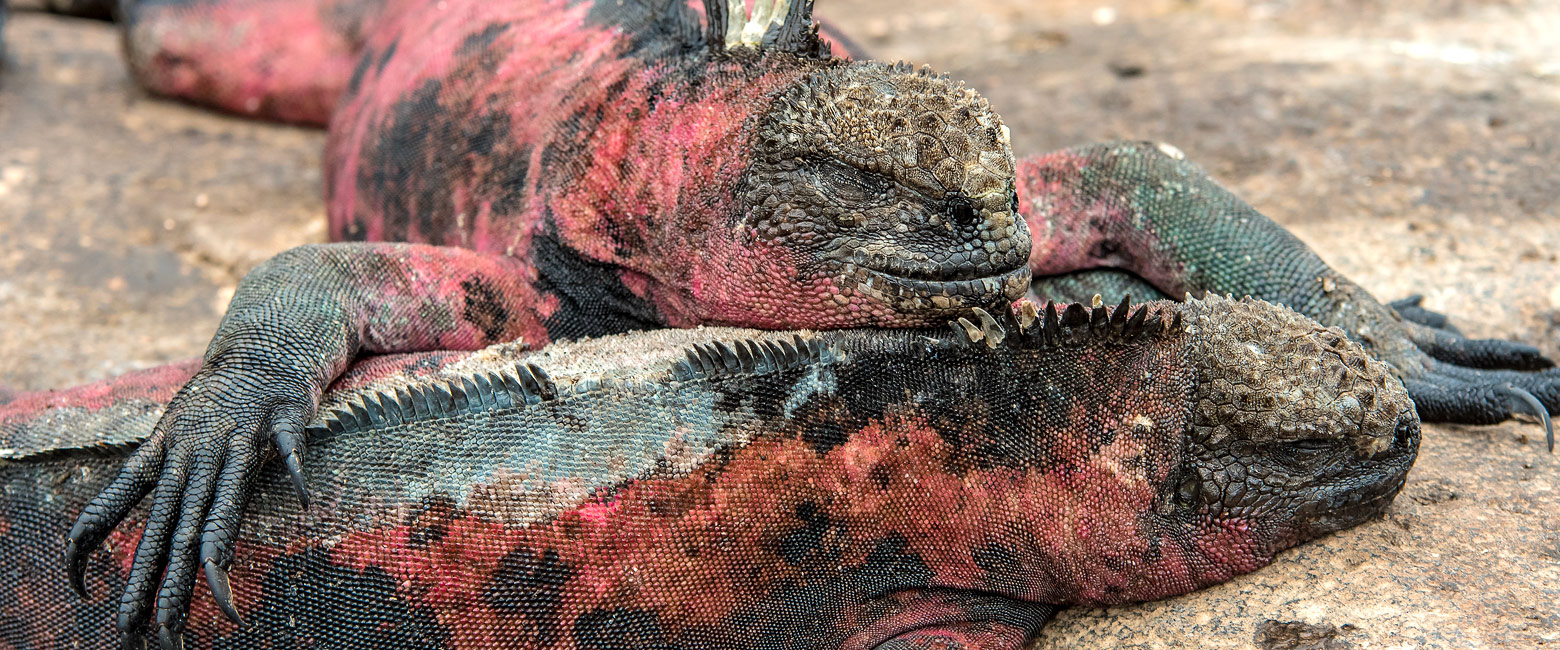
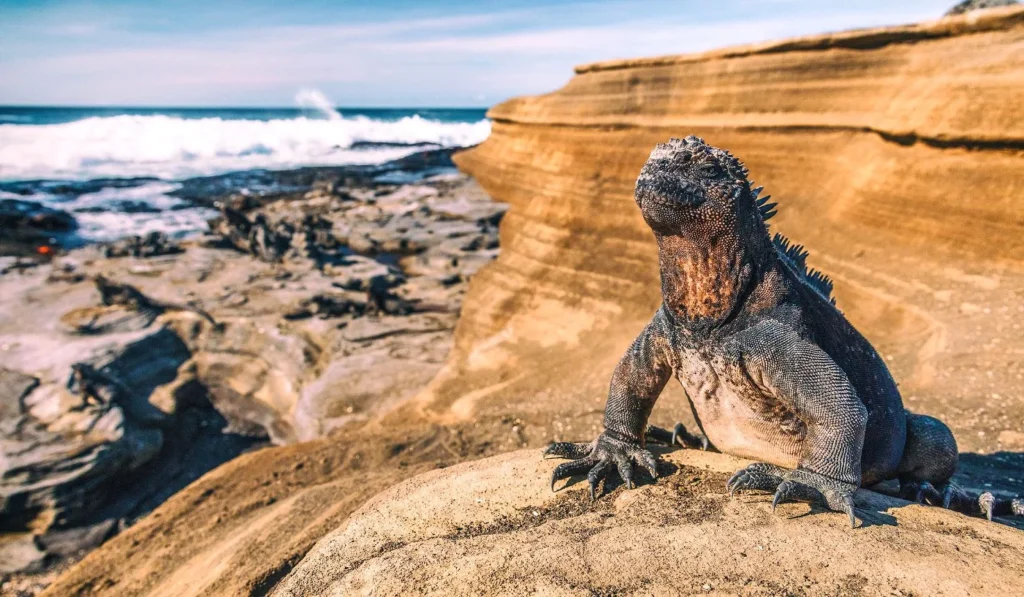
The considerable age of the island, coupled with its remote location, has led to the evolution of a number of endemic species, including a lava lizard, a mockingbird and a Galapagos tortoise. The island’s marine iguanas are not officially an endemic subspecies, but they do exhibit a distinctive red colouration during the breeding season.
During the 1970s it was discovered that the island’s endemic tortoise population (Chelonoidis nigra hoodensis) had reduced to just fourteen adults (including just two males) and that they had stopped effectively reproducing. All of these tortoises were removed to the Charles Darwin Research Station on Isla Santa Cruz, along with a third male brought back from San Diego Zoo.
Through the 1970s rehabilitation works on the island included the complete extermination of a major population of feral goats, which has devastated the vegetation and severely upset the delicate natural balance.
After 40 years of work reintroducing captive-bred tortoises to the island, there is now a stable, breeding population of over 1000 animals, of which 40% are directly descended from Diego, the male that was repatriated from California.
These days the tortoises are often concentrated near Manzanillo Bay on the north side of the island. Unfortunately it’s quite rare to actually see these tortoises when visiting the island, since the two permitted landing sites do not provide access to the right areas.
The island is also the only place in the world where waved albatrosses nest, its steep cliffs serving as essential ‘runways’ for these heavy birds, which otherwise struggle to get into the air. Once aloft, they are graceful and effortless, flying all the way to their ocean feeding grounds off the coastlines of Ecuador and Peru. These albatrosses are usually around Apr-Nov, possibly running on into December. The birds usually spend the first several years of their lives out at sea, only returning when they are ready to mate. During this period there are chances of witnessing their famous courtship dances.
There are also good populations of blue-footed boobies on Isla Española and viewing their famous mating dances can be another great highlight of a visit.
Additionally there are three species of finches, namely large-billed cactus finches (an endemic subspecies), small ground finches and warbler finches (endemic).
The endemic Española mockingbird is the largest species in the islands and has developed unusual carnivorous behaviours, feeding on bird eggs, sea lion placentas and newborn tortoises.
Landing sites
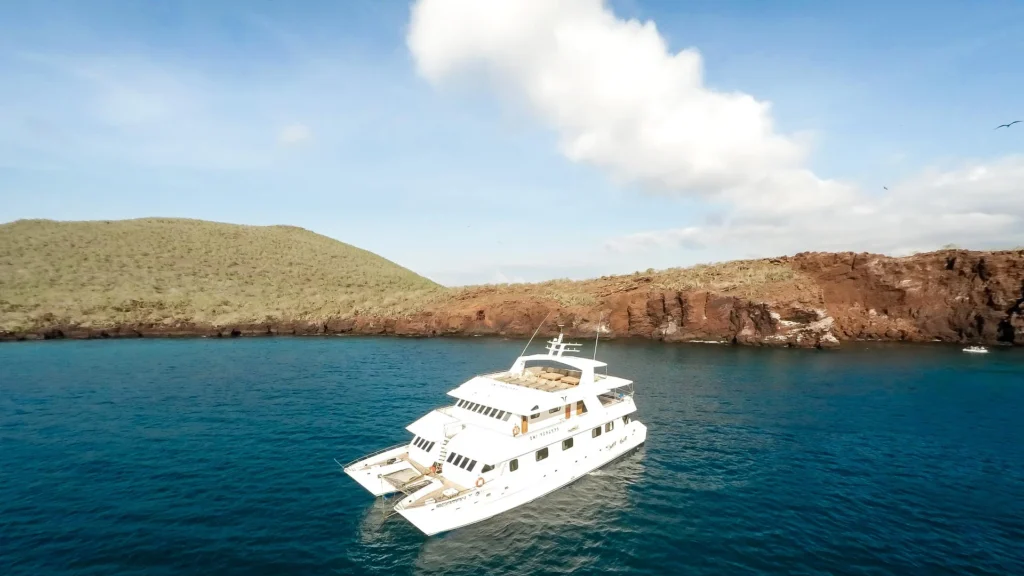
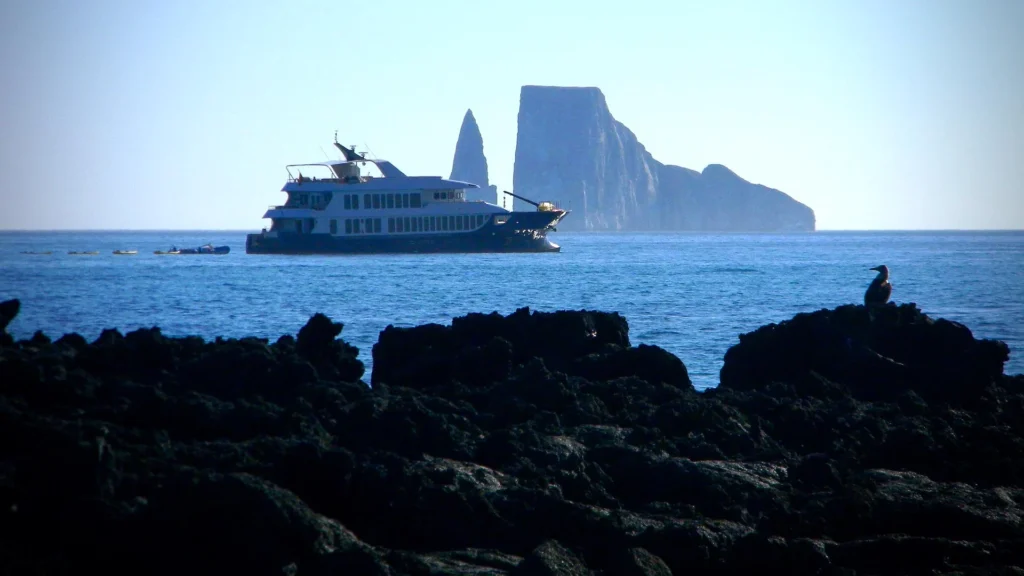
Live-aboard boats tend to visit designated landing sites on the island, one to the east and the other to the western side …
Landing site ES1 : Bahía Gardner
Activities : walking, bird-watching, snorkelling, kayaking
Highlights : Hood tortoises, Galapagos sea lions
On the northeast shoreline there is the small Isla Gardner, just offshore from a beautiful sandy bay of the same name.
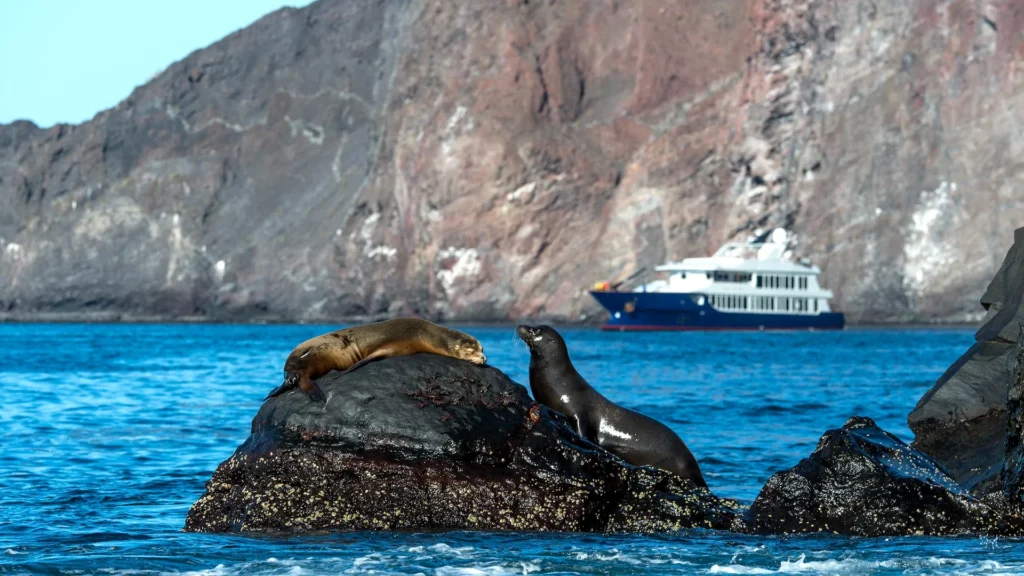
The beach is usually home to a substantial population of very approachable Galapagos sea lions, especially during the breeding season. It’s important to keep your distance, as they can become aggressive.
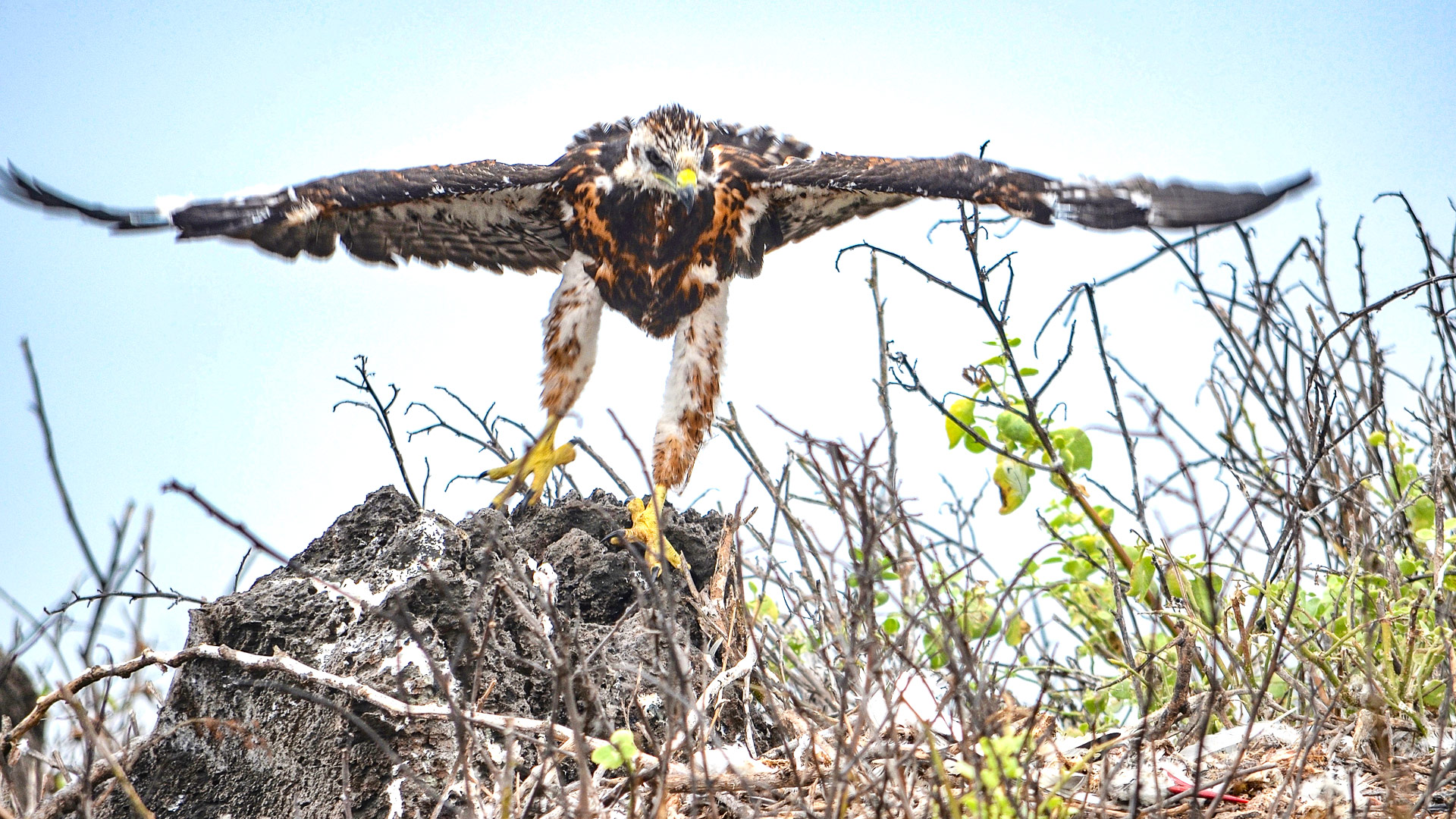
Birds commonly sighted in this area include Española mockingbirds, Galapagos hawks and the three finch species mentioned above.
These beaches are also important nesting sites for green turtles, so care needs to be taken not to tread on any nest sites.
The bay provides opportunities for swimming, snorkelling, paddle-boarding and kayaking.
Landing site ES2 : Punta Suarez
Activities : walking, bird-watching
Highlights : Hood tortoises, waved albatrosses
At the western end of the island there is a landing location called Punta Suarez, with a trail of around 2km leading over the headland, which takes around two hours to do properly.
Sightings here often include marine iguanas, Española lava lizards, waved albatrosses, Hood mockingbirds (which have longer and more curved beaks than those on the central islands), swallow-tailed gulls, blue-footed boobies, Nazca boobies, red-billed tropicbirds, Galapagos hawks, Galapagos doves and the three species of finches.
Another attraction is El Soplador, a tidal blowhole through which the water can be propelled up to 8 metres (24’) in the air, depending on the intensity of the waves.
/


Gallery
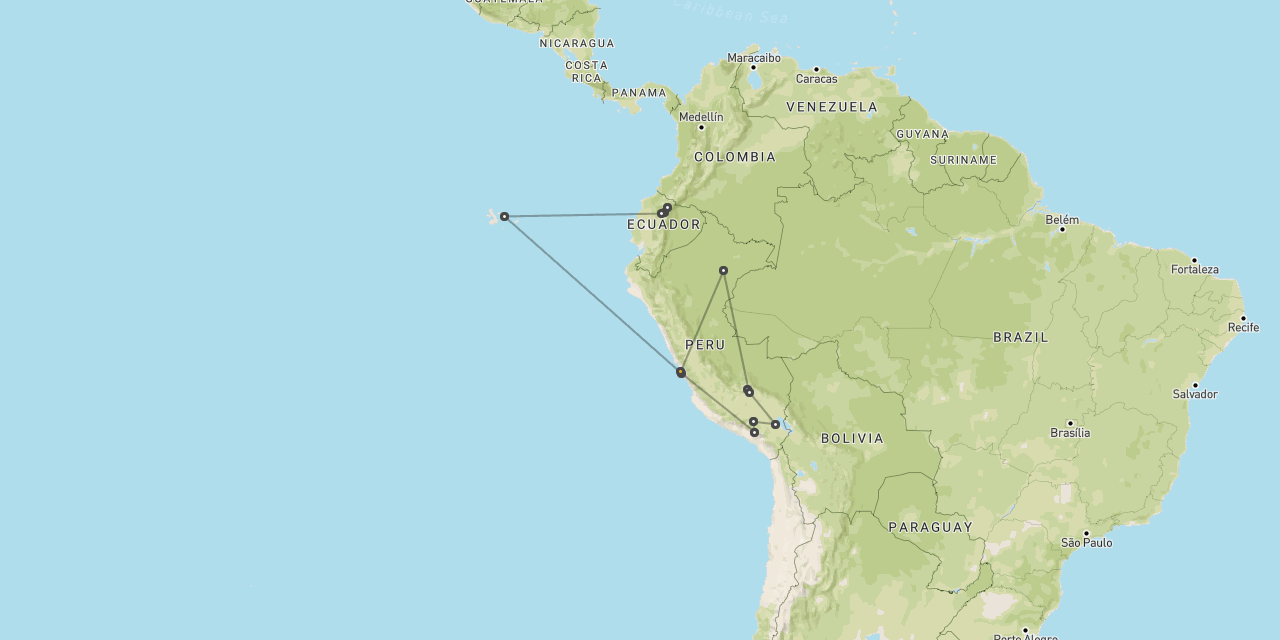
Map
If you specifically want to include Isla Española in your trip, then do let us know and we will make sure that you get onto the best and most appropriate vessel.
The island is usually included in the following live-aboard cruise itineraries.
features in more southeasterly boat itineraries
let us know your thoughts about Galapagos
and we will help you create the perfect trip
Extraordinary tailor-made adventures,
from earthy and edgy to easy and extravagant
From around USD 2500 per person, you set the ceiling
Sample Trips
Here are some of our popular trip shapes
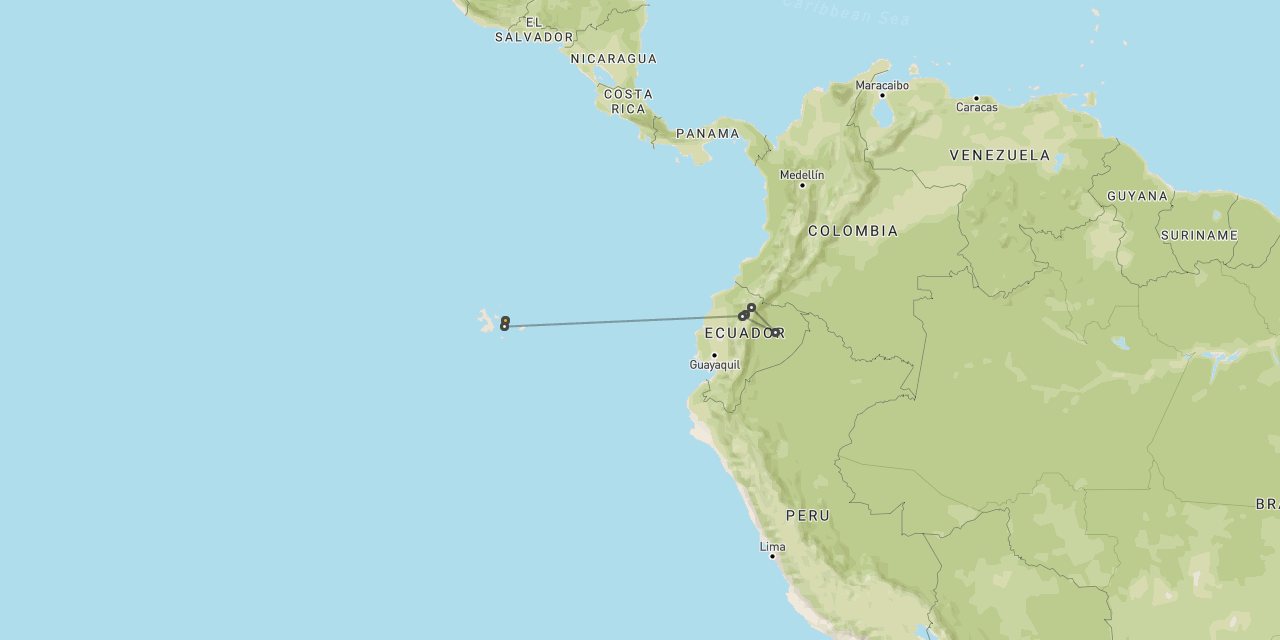
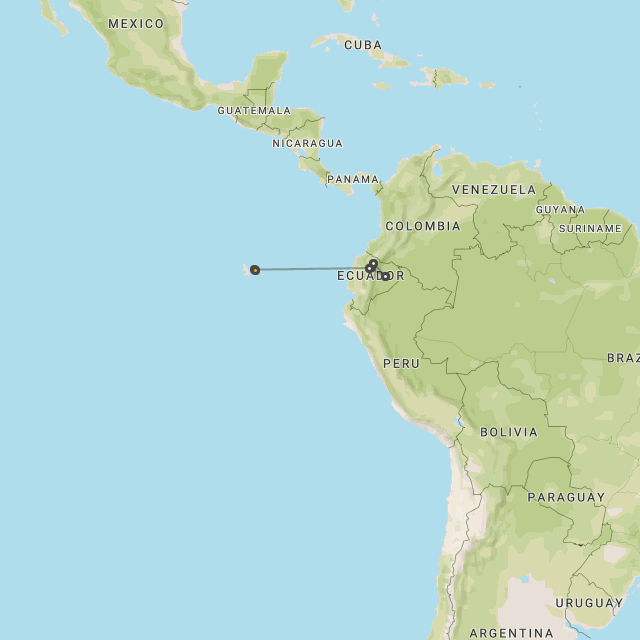
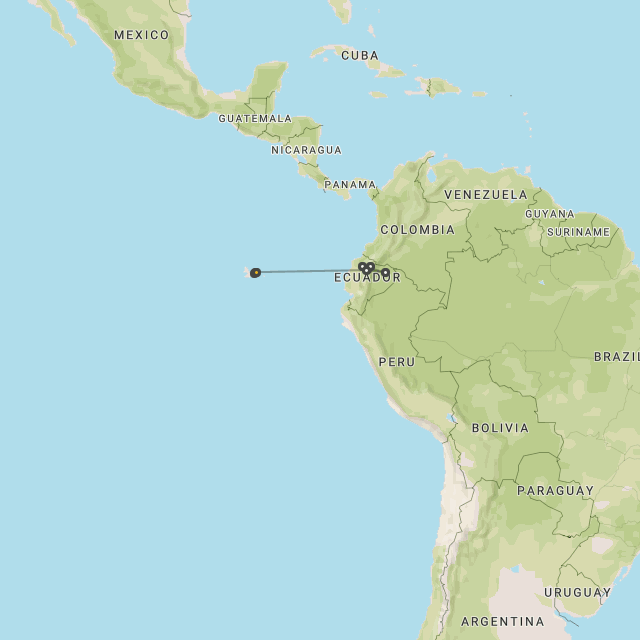
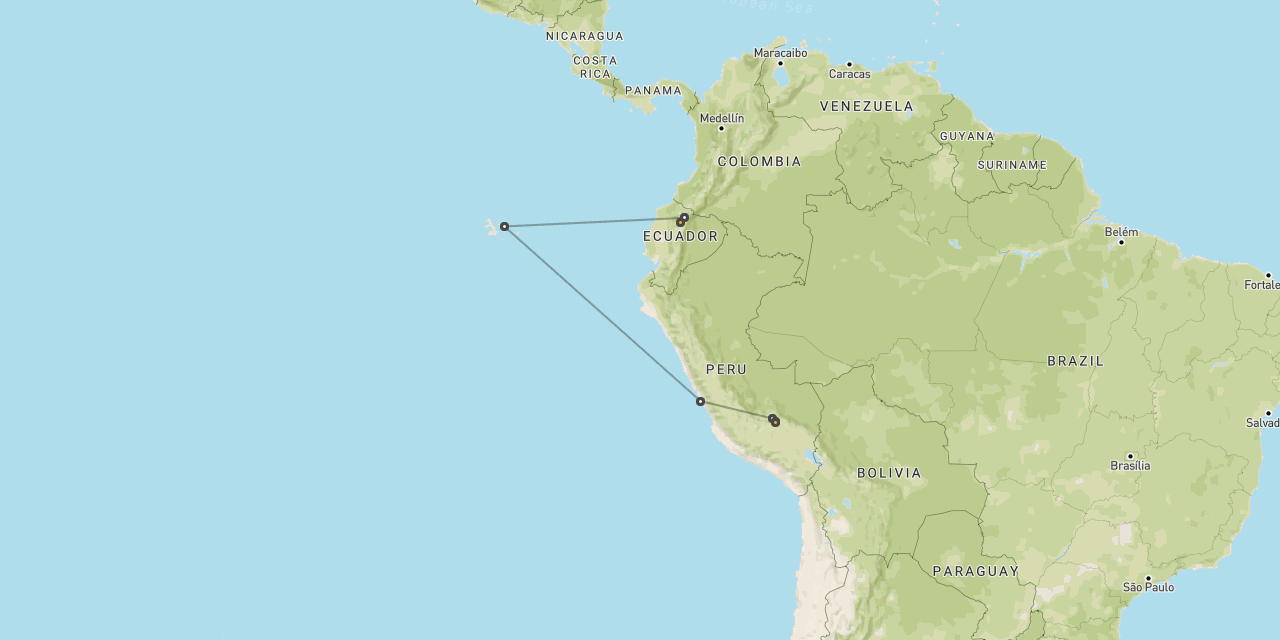

Get started on your trip
It’s never too soon to get in touch, we are here to help with every stage of your planning.
Best Lodges
We regularly inspect and photograph all of the the best lodges, to ensure that we always recommend the most suitable options

Key Locations
Take a look around related locations. Click ‘View more’ to explore locations further afield.

Where Next?
Where Next?
We offer trips to dozens of fabulous countries.
Might one of these might be your next great adventure?

Get started on your trip
It’s never too soon to get in touch, we are here to help
with every stage of your planning.
ATR Safari
© 2025

Please rotate your screen.